5 Reasons to Use Structural Steel For Bridges
2026-08-14 13:42:01






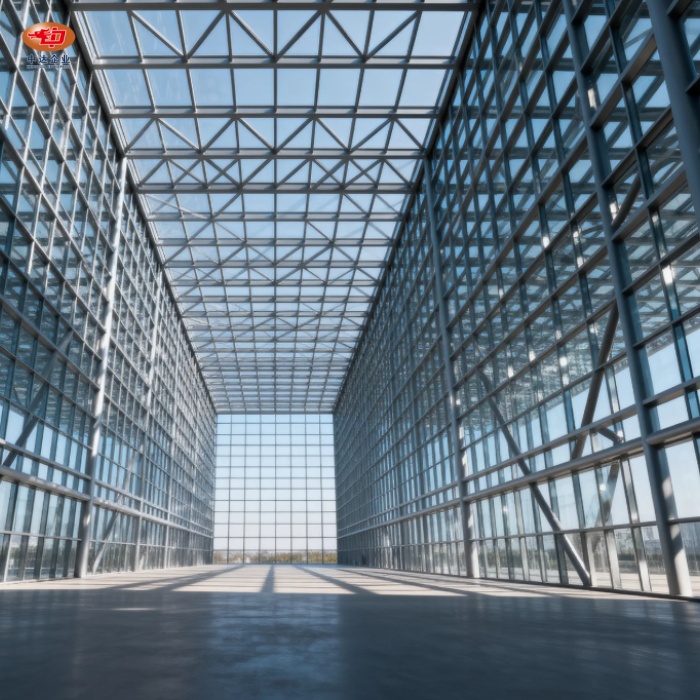
Picking the right materials is the most important part of planning big building projects. bridge steel structures options have changed the way we build spans that cross valleys, rivers, and roads. Steel is the best material for government companies, EPC firms, and civil engineering teams working on complicated bridge projects because it is strong, flexible, and efficient all at the same time. If you know the benefits of steel, you can make your designs safer, faster, and cheaper, whether you're making a small walking overpass or a 2,000-meter suspended bridge. Modern steel bridges are made with high-tech materials like PPWS wires that have a tensile strength of 1,770MPa, as well as precision-engineered parts and safety systems that make them last much longer than older bridges. This guide looks at five strong reasons why structural steel is still the most common material used to build bridges in North America and around the world.
Superior Strength-to-Weight Ratio of Structural Steel
Enabling Longer Spans with Reduced Dead Load
Steel's high strength-to-weight ratio completely changes the ways that bridges can be built. High-grade structural steel has a tensile strength of more than 1,700MPa and a relatively low mass compared to concrete. Because of this feature, engineers can build bridges that are 300 to 2,000 meters long without having to use huge base systems. Less dead weight means less money spent on the base, which is especially important when building over difficult dirt or deep waterways.
Enhanced Seismic Performance Through Flexibility
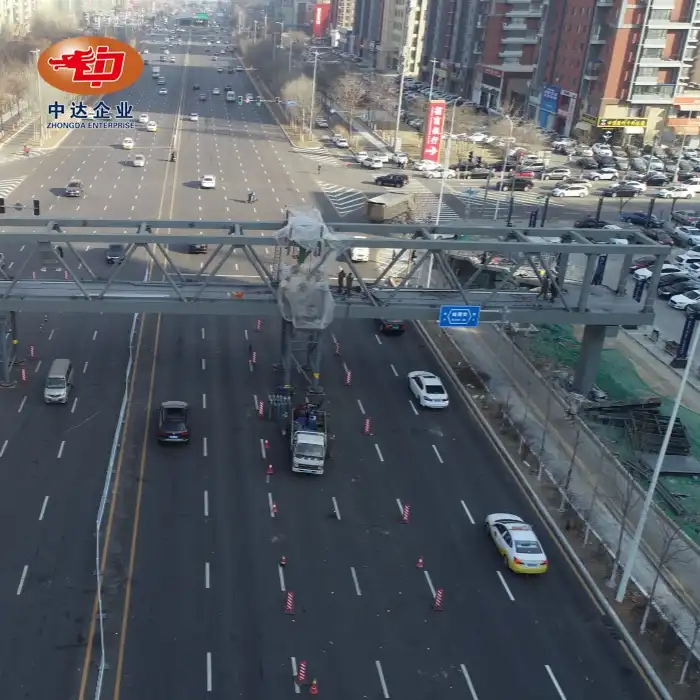
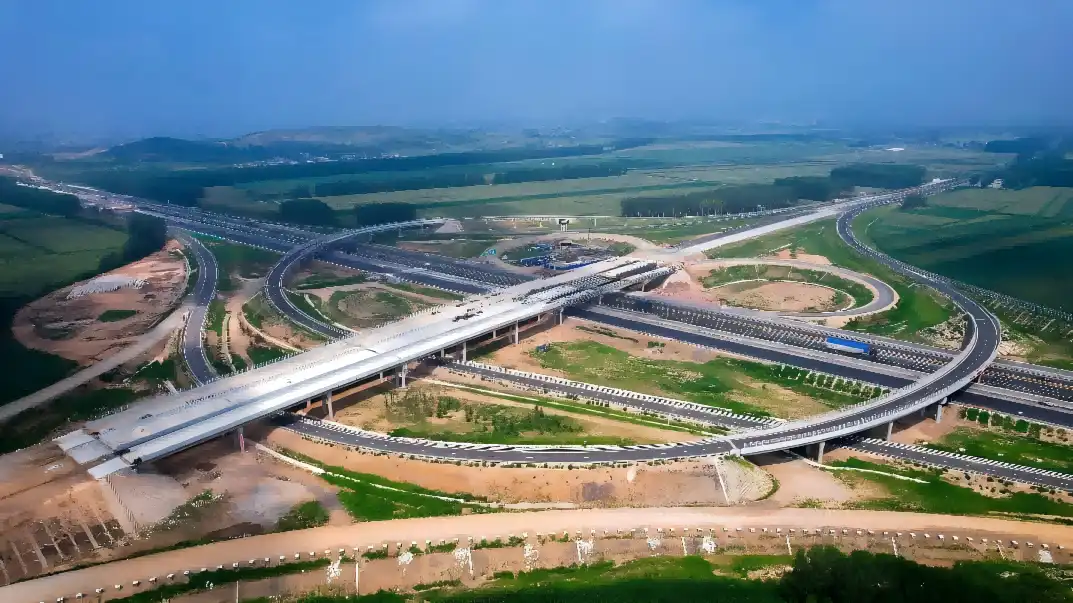
The material's natural ability to bend is very useful in parts of the western United States that are prone to earthquakes. Steel structures take in and release energy when the ground moves, which protects the general stability of the bridge. Because they are flexible under dynamic loads, bridges can stand up to shocks that would destroy concrete buildings that are too rigid. The Shenyang Dongta Cross-Hunhe River Bridge is an example of how 18,000 tons of carefully designed steel can be used to build strong infrastructure that can withstand extreme weather stresses while still being safe to use.
Real-World Applications Proving Performance
Every day, these technical benefits are shown on long-span steel bridges all over North America. The amazing lengths of the Golden Gate Bridge, the George Washington Bridge, and many other modern suspension bridges are made possible by steel's high strength-to-weight ratio. Modern methods of production now make parallel wire strands with a width of 5.2 mm that are already made. This makes sure that huge cable systems work the same way every time. When you put these parts together with precise cable clamps that were placed within ±2mm using 3D laser scanning, you get structure systems that are both safe and efficient.
Accelerated Construction and Prefabrication Capabilities
Factory-Controlled Manufacturing Advantages
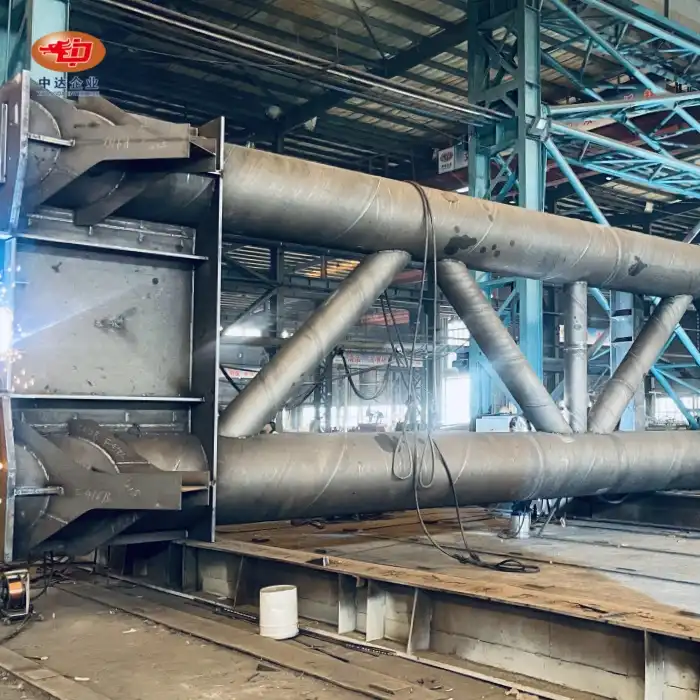
By moving important work into controlled industrial settings for bridge steel structures, prefabrication changes the time it takes to build a bridge. When steel parts are made off-site, they go through strict quality control steps that can't be done in the field. Modern facilities with a 50-ton crane and CNC tools for cutting through very thick plates make sure that every part meets all the requirements. This method gets rid of delays caused by bad weather, cuts down on on-site work, and raises worker safety by reducing the number of dangerous field activities.
Modern steel manufacturing shops can make up to 800 tons of 12-meter steel box girder pieces every month. With this much production capacity, project managers can stick to tight deadlines and make sure the quality of the parts. Each piece is delivered to the job site ready to be put together quickly. This greatly reduces the time needed for building compared to traditional cast-in-place concrete methods, which need a lot of formwork, time to cure, and activities that depend on the weather.
Streamlined Installation and Reduced Disruption
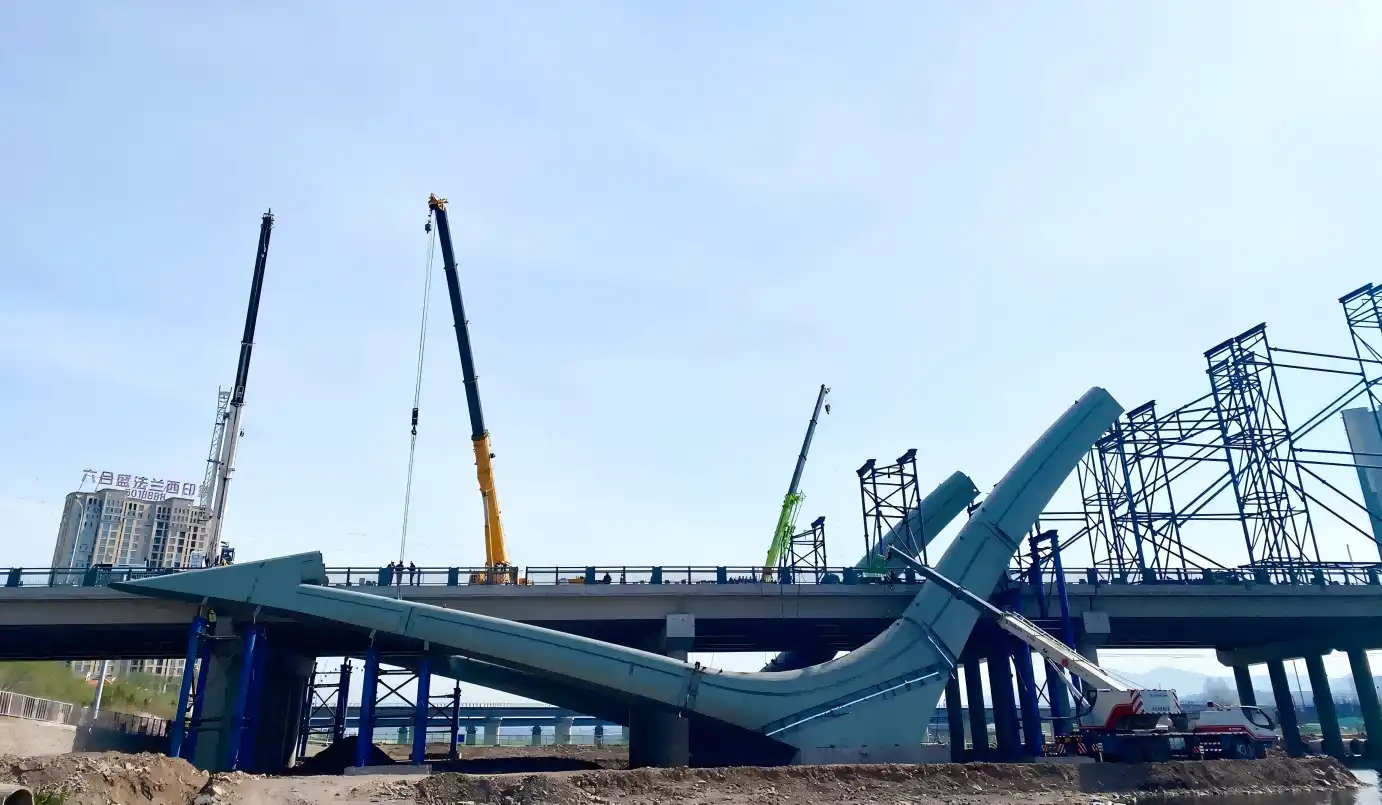
There is a lot of pressure on transportation building projects to cause as little trouble as possible for traffic and the neighborhood. These problems can be fixed quickly by putting together modular steel bridge parts. Parts that have already been put together in factories can be easily bolted or welded together on-site, which lets building crews finish big jobs while factories are closed for the night or on the weekend. For highway overpasses, train crossings, and urban bridges where long closures have unacceptable economic and social costs, this feature is very useful.
Working with experienced makers who know how to provide turnkey bridge solutions makes sure that the job goes smoothly. Suppliers that offer BIM-driven prefabrication manage the design, production, and installation stages. This gets rid of the need for expensive coordination problems in the field. Their 20–30% shorter lead times than the industry average mean that projects are finished earlier, finance costs are lower, and the investment in infrastructure pays off faster.
Longevity and Maintenance Advantages of Steel Bridges
Advanced Corrosion Protection Technologies
These days, steel bridges have advanced safety features that make them last much longer than older ones. Dual-layer rust prevention uses S-type galvanized steel wire wraps and main cable dehumidification to protect against water and other pollutants in the air. These methods greatly lower the rate of damage, which is especially important near the coast and in places where road salt is used. The new -60°C Weathering Steel Anti-corrosion Technology can now be used in even the toughest environments, from Russia's Arctic sites to humid industrial zones.
Proven Maintenance Protocols Maximizing Lifespan
Because steel behaves in reliable ways, inspection and repair programs can keep bridge steel structures strong for decades after they were built. Visual checks should be done regularly to find problems on the surface before they affect the load-bearing ability. Non-destructive testing can find flaws below the surface, allowing for tailored fixes that make parts last longer. In concrete bridges, secret internal damage can quickly show up as major failures. But steel structures send out warning signs ahead of time, giving asset managers time to make cost-effective repairs.
Steel's natural qualities make it possible to replace and improve things in ways that other materials can't. Damaged parts can be taken out and changed without affecting the building around them. As traffic needs increase, strengthening systems can be bolted or welded onto current parts to make them stronger. This ability to adapt saves investments in infrastructure by letting bridges change with the needs of traffic instead of needing to be replaced too soon. Steel lasts a very long time in a wide range of weather conditions, as shown by the fact that bridges can last 80 to 100 years with proper upkeep.
Cost-Effectiveness Over the Bridge Lifecycle
Total Ownership Economics Favoring Steel
When choosing bridge materials, it's important to think about more than just the original cost of building. Steel bridges usually cost more up front than concrete bridges, but they are more cost-effective over their 75–100 year working lives. Total cost of ownership is better when upkeep needs are lower, testing costs are lower, and repair processes are easier. When procurement experts look at lifetime budgets, they always find that steel's durability and adaptability make up for the higher starting costs by lowering running costs over many years.
Steel bridges keep their structural integrity with maintenance costs that are easy to handle. Painting, checking connections, and replacing bearings are all part of routine upkeep. These are relatively easy jobs compared to fixing a concrete deck or a post-tensioning system. Targeted strengthening that increases load capacity makes assets more useful for longer without having to pay for rebuilding. This financial freedom is especially helpful for government agencies and toll authorities that have to stick to tight budgets while keeping important transportation networks running.
Strategic Material Selection Optimizing Project Budgets
Case studies from building projects all over North America show how the choice of steel affects budgeting for bridge steel structures. When upkeep, inspection, and replacement costs are added up, highway officials say that steel bridges have 15–25% lower lifecycle costs than concrete bridges of the same size. The shorter building times lower the costs of borrowing and cause less economic damage to nearby towns. For projects that need to be built in stages or that can grow in the future, steel's flexible design and adaptable connections make it possible to make changes at a low cost that aren't possible with cast-in-place concrete structures.
Value engineering during the planning part makes the best use of steel without lowering performance. Engineers and experienced producers work together to improve material requirements, connection details, and the order of production. With this partnership method, ways to save money can be found while still following the FHWA-NHI-07-096 U.S. Suspension Bridge Design Specifications and other rules. As a result, bridges are built that meet all safety and efficiency standards at the lowest possible cost.
Environmental and Sustainability Benefits
Recyclability and Circular Economy Alignment
Steel is the most recovered material in the world, and bridge parts keep their full structural features after being used more than once. When a bridge is no longer needed, its steel parts are sent back to mills to be used to make new things without losing any of their quality. This closed-loop recycling fits nicely with the ideas of the circular economy, which are becoming more and more important to both public and private producers. Steel will always have worth, unlike concrete, which usually ends up as low-grade fill material, or wood, which needs to be thrown away.
Carbon Footprint and Regulatory Compliance
Lifecycle carbon studies are favoring steel bridge systems more and more. Even though energy is needed to make steel, industrial emissions are still going down thanks to improvements in efficiency and the use of green energy. Because the material lasts a long time, the embodied carbon is spread out over longer service times, which lowers the overall environmental effect. Steel's lighter weight makes it easier to transport, which lowers pollution from running equipment and delivering materials during the building phase. These things work together to make carbon profiles that are better than those of concrete bridges, which need more material and heavy building tools.
With steel building, it's easier to follow the changing rules for the climate. Manufacturers who are ISO 14001 qualified keep environmental management systems in place to make sure they follow the rules during production. The EN 1090 standards for making things out of steel include rules to protect environments while the products are being made. For projects that need to meet LEED or other green building standards, steel's proven sustainability credentials help with the paperwork that is needed. Government companies who have to deal with government environmental review processes can use steel's track record of compliance and well-documented environmental performance data to help them.
Conclusion
There is a lot of evidence that supports using structural steel to build bridge steel structures. This evidence includes technical performance, economic value, and environmental responsibility. Because steel is stronger than most other materials, it can be used to make large structures that span longer lengths with fewer foundations. The ability to prefabricate speeds up the delivery of projects while also improving quality control and worker safety. Modern systems that prevent corrosion and easy-to-follow upkeep instructions make sure that the service will last for decades in harsh settings. Lifecycle cost analysis always shows that steel is cheaper than other materials because it needs less upkeep and can be upgraded more easily. The environmental benefits of being able to recycle and lower carbon emissions are in line with the sustainability goals that affect choices about where to spend in infrastructure. Because of all of these benefits, steel is still the best choice for bridge projects that need to be highly engineered, efficient, and provide long-term value in a wide range of settings.
FAQ
How do steel bridges compare to concrete alternatives in performance?
When compared to concrete bridges, steel bridges have better tensile strength, which means they can have longer lengths with less structural depth. They work better in earthquakes because they are naturally flexible, and they can be built faster because they can be prefabricated. When it comes to compression uses and certain weather conditions, concrete is the best. Instead of one material always being better than another, performance choice is based on span length, load needs, site conditions, and lifecycle factors.
What certifications should I verify when selecting steel bridge suppliers?
Check to see if the company has ISO 9001 quality management certification, EN 1090 compliance with manufacturing standards, and AWS welding qualifications. Suppliers should show that they follow the FHWA's rules for bridge parts and keep records of their quality control processes. Ask for proof of third-party inspections, methods for tracking materials, and the ability to do non-destructive tests. The Class I Steel Structure Professional Contracting Qualification shows that the person can do all aspects of a job, from designing it to putting it together.
What design principles ensure optimal steel bridge performance?
Effective designs strike a balance between how well the structure works and how easy it is to build and maintain. Long lengths are less affected by wind when the deck is set up in an aerodynamic way. Multiple load paths stop increasing failure. Modular link details make field assembly easier while keeping the structure's consistency. Adding corrosion protection during planning rather than as an addition increases the life of a product. When designers and producers work together early on in a project, they can find the best ways to use materials and save money without lowering safety or performance standards.
Partner with a Trusted Bridge Steel Structure Manufacturer
Through complete bridge steel structures construction options, Zhongda Steel can help you with your next infrastructure project. Our ability to fabricate 60,000 tons per year, ISO 9001/14001/45001 certifications, and agreement with FHWA-NHI-07-096 standards all make sure that the quality meets the strictest needs. We offer full systems that speed up the time it takes to finish your project. These systems include Arctic-grade weathering steel and precision-engineered suspension bridge parts with PPWS cables and ±2mm accuracy cable clamps. Get in touch with our engineering team at Ava@zd-steels.com to talk about your unique needs and find out how our 20-year track record on more than 60 major projects can help you build a bridge.
References
American Association of State Highway and Transportation Officials. (2020). AASHTO LRFD Bridge Design Specifications, 9th Edition. Washington, DC: AASHTO.
Connor, R. J., & Fisher, J. W. (2006). Consistent Approach to Calculating Stresses for Fatigue Design of Welded Ductile Iron and Steel Structures. Journal of Bridge Engineering, 11(5), 517-525.
Kulicki, J. M., & Mertz, D. R. (2007). NCHRP Report 592: Steel Bridge Design Handbook. Transportation Research Board, National Research Council.
Mahmoud, K. M. (2011). Fracture Strength for a High Strength Steel Bridge Cable Wire with a Surface Crack. Theoretical and Applied Fracture Mechanics, 56(3), 191-199.
Pipinato, A., & Modena, C. (2012). Structural Analysis and Fatigue Reliability Assessment of the Paderno Bridge. Practice Periodical on Structural Design and Construction, 17(1), 26-33.
Wright, R. N., & Walker, W. H. (1971). Criteria for the Deflection of Steel Bridges. National Bureau of Standards Building Science Series 19, U.S. Department of Commerce.
_副本_1756187900835.jpg "steel column")
_副本_1762409363712_1788849278749.jpg "steel truss structure")
_副本_1762324991500_1788850629424.jpg "steel beam construction")