Why Steel Truss Girder is Essential for Railway Bridges
2026-08-14 13:41:56






Structures for railway structures need to be strong, last a long time, and be cost-effective. The steel truss girder is an important part of modern railway bridge building because it distributes loads so well and keeps the structure strong. These engineered systems effectively move huge forces while staying stable during moving rail traffic thanks to interconnected triangular frames. Railway builders, infrastructure developers, and procurement professionals all know that choosing the right truss designs has a direct effect on the longevity, safety margins, and lifetime value of a project in a wide range of operating and geographical conditions.
Understanding Steel Truss Girders in Railway Bridge Construction
Core Structural Components and Material Selection
High-grade metals are used in railway truss structures because they are designed to withstand the harsh conditions of shipping. We see that types of steel like Q345, Q420, and weathered steel have great tensile strength and don't break down easily in harsh environments. The triangulated member design evenly spreads axial forces, getting rid of the problem of too many bending moments that plagues standard beam systems. Each link point is carefully made to make sure that load paths move smoothly through the framework.
Materials used in modern train uses need to be able to handle changes in temperature, exposure to moisture, and mechanical vibrations. Advanced anti-corrosion treatments make things last a lot longer, especially near the coast or in industrial areas where air pollution speeds up the breakdown process. Zhongda Steel's own -60°C Weathering Steel Anti-corrosion Technology is an example of how new ideas can be used in difficult working conditions, from Arctic sites to tropical climes.
Design Principles for Railway Applications
Every part of truss design is controlled by how loads are distributed. To find the best part size and shape, engineers figure out span lengths, traffic numbers, and axial loads. Some things that need to be thought about when working with railways are dynamic amplification factors that take into account things like train speeds, uneven tracks, and stopping forces. The triangle shape automatically makes the structure stable by turning vertical loads into reasonable axial forces that are spread out among several sections.
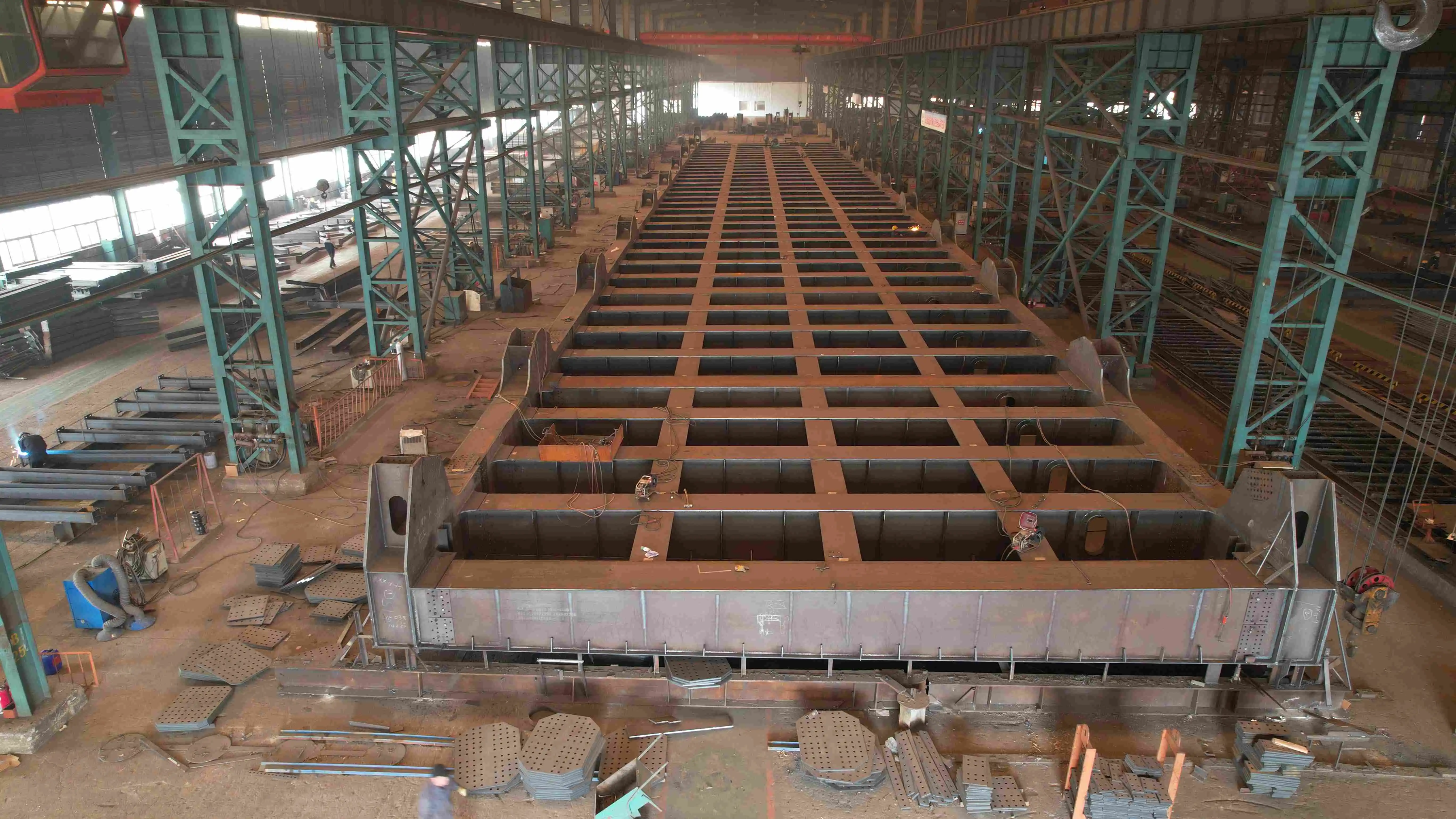
Adapting to the environment has a big effect on design factors. When making specifications, it's important to think carefully about things like wind loads, earthquakes, and temperature expansion. Procurement teams need to make sure that manufacturers are aware of these factors and have built in enough safety gaps. Customized layouts that take into account specific geology and weather conditions are helpful for projects that go over rough territory.
Common Truss Configurations in Railway Infrastructure
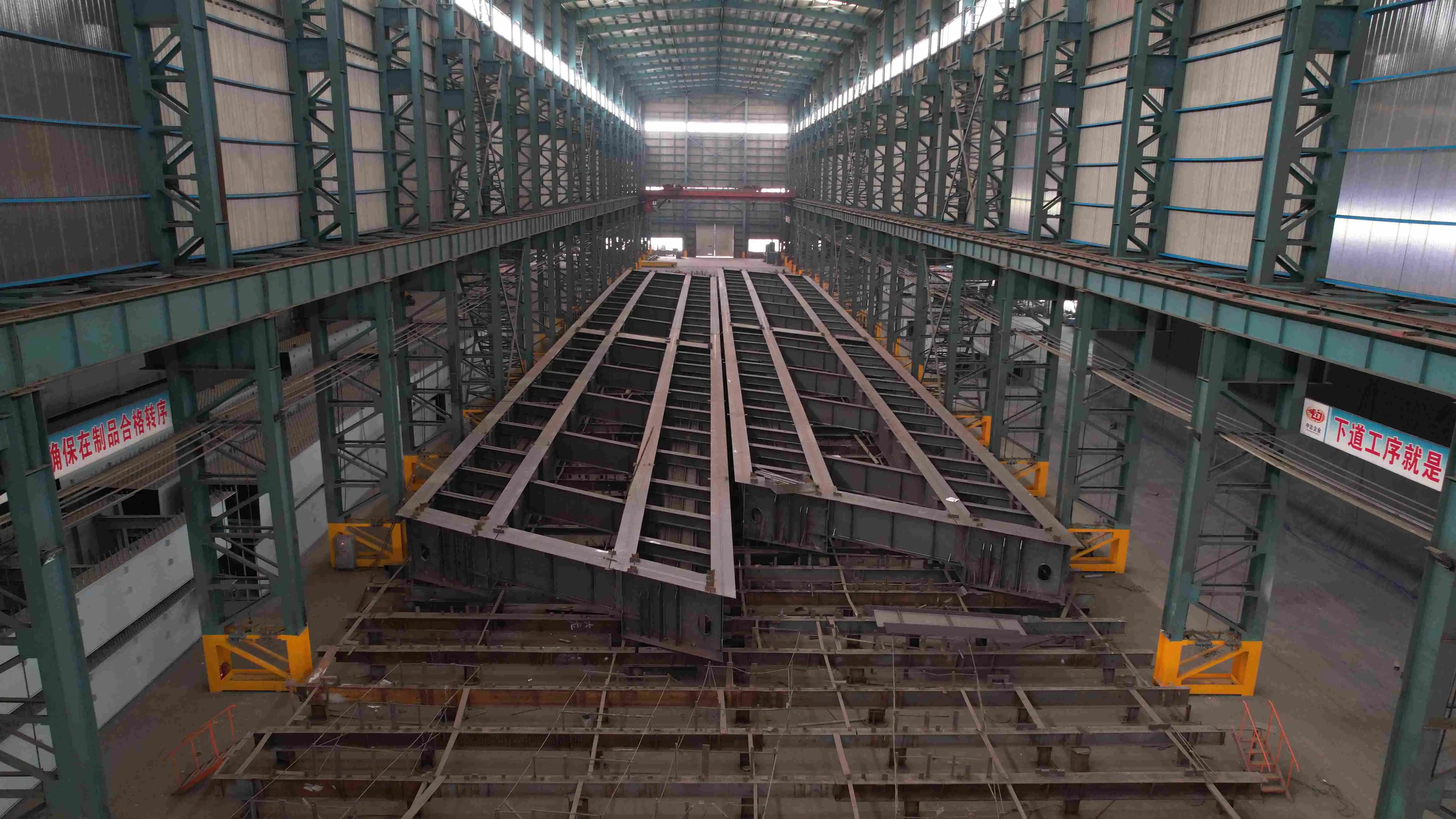
Warren truss designs use alternate diagonal members to make a pattern that is perfect for medium-span railroad bridges. This arrangement makes construction easier and does a great job of spreading the load. Pratt setups use vertical compression members and diagonal tension elements, which saves money for longer lengths where using materials efficiently is very important.
In steel truss girder Howe trusses, the arrangement is turned around, putting diagonals under tension and vertical parts under strain. This plan worked well for building early railroads and can still be used for some renovation jobs. K-truss systems have extra diagonal members that make unique patterns that can handle concentrated loads well. This makes them good for heavy freight routes and high-speed train uses that need more stiffness.
Advantages of Using Steel Truss Girders for Railway Bridges
Superior Load Capacity and Structural Efficiency
Truss systems have amazing strength-to-weight ratios that can't be reached with solid web girders because of the way they are built. When carrying freight trains that weigh more than 30 tons per axle, railway bridges need structural solutions that maximize load capacity while reducing dead weight. Triangulated frames use steel's excellent tensile properties to spread forces along member directions.
Comparative research shows that truss assemblies that are properly built can handle changing train loads better than concrete buildings that are the same size. Because it is so light, it doesn't need as much of a base, which lowers the overall cost of the job and speeds up the building process. Engineers like how truss shape can be changed to fit different span needs by changing a few members instead of redesigning the whole structure. This gives them more freedom as the project grows.
Durability Under Cyclic Loading Conditions
During their useful lives, railway bridges are loaded and unloaded millions of times. When choosing structure systems, fatigue resistance becomes very important. High-quality manufactured truss systems, especially those that use current connection methods, have great fatigue performance. Regular checking methods find possible stress concentrations before they get so bad that they break down completely.
Well-designed truss systems are better for maintenance reasons. Member plans that are easy to get to make inspection and coating renewing easier. Professionals in charge of buying things should give preference to sellers who offer full help and maintenance advice after installation. Proactive repair plans have been shown to increase service life beyond 75 years while still meeting safety standards and structural stability.
Economic and Environmental Sustainability
Lifecycle cost research always shows that truss systems are cheaper than other options. The initial cost of fabrication stays competitive, and the saves from not needing as much of a foundation, installing it faster, and not having to pay for much upkeep are huge. Railway companies that are in charge of large networks know that these economic gains can be seen in a number of projects.
Environmental duty is playing a bigger role in choosing infrastructure. Because steel can be recycled, truss systems are environmentally friendly and in line with the ideas of the circle economy. When a train bridge is taken out of service, it sends high-quality scrap steel back into production processes. Government agencies and business companies looking for sustainability certifications and goals to reduce their environmental impact like this feature.
How Steel Truss Girders Work in Railway Bridge Applications
Structural Load Path Mechanics
Loads from trains enter truss systems through deck links, applying forces to the triangle-shaped structure of the frame. Individual parts experience axial forces when vertical loads are applied, with some resisting compression and others feeling tension. This spread gets rid of complicated bending loads, which lets the design of the member be improved based on steady force patterns.
During buying, it's important to understand how these things work. Details about the link design, member sizes, and manufacturing limits must be included in the specifications to make sure that pressures are transferred correctly. We've seen projects fail because the link details weren't thought through enough or because the wrong materials were used, which affected the stability of the load path. These expensive failures can be avoided by strict quality control during construction and installation.
Fabrication Standards and Quality Requirements
Precision manufacturing that follows foreign standards like ASTM, EN 1090, and AREMA guidelines is needed for today's train infrastructure. The ISO 9001, 14001, and OHSAS 45001 standards show that Zhongda Steel is dedicated to quality management systems that guarantee consistent output. Our BIM-driven prefabrication method cuts down on changes that need to be made in the field and speeds up the assembly plan.
With ±0.2mm tolerances, ultra-thick plate cutting makes it possible to make complicated connections that meet strict train standards. Suppliers who offer full fabrication paperwork, material traceability, and third-party review planning are helpful to people who work in procurement. These skills set manufacturers who can support large-scale train equipment apart from general fabricators who don't have the right skills.
Logistical Considerations for Large-Scale Projects
Transportation logistics have a big effect on the prices and viability of a project. Truss parts usually ship as separate pieces or sections that have already been put together, based on how easy they are to move and set up on-site. Our 60,000-ton annual capacity lets us handle the needs of multiple projects at the same time while keeping supply times reliable.
Lead times depend on how complicated the design is and how busy the factory is right now. Suppliers with a lot of experience give reasonable deadlines that take into account the planning, fabrication, surface treatment, and shipping stages. International delivery projects need careful planning that includes customs paperwork, shipping methods, and the ability to handle items at the location. Setting clear rules for conversation during buying keeps misunderstandings from slowing down projects.
Real-World Application Insights
Arctic train bridges have to deal with a lot of tough problems that can only be solved by using special materials and building methods. Our Russia Arctic bridge project showed that weathered steel rated at -60°C can keep its shape in harsh circumstances. Paying close attention to thermal expansion joints, link design, and protective coats made sure that the system would work reliably even when the temperature went up and down.
Mining infrastructure projects need strong designs that can handle the heavy loads that come from material lines and big equipment. Australian mines were able to keep up high-capacity operations going in remote areas thanks to special truss designs. These uses show how well-designed truss systems can adapt to different operating needs in different world markets.
Comparing Steel Truss Girders with Alternative Bridge Girders
Structural Performance Analysis
While concrete girders are good at compressive strength, they have trouble with tensile strength and weight limits. Steel truss girders are better for railway uses that need long lengths because they are stronger and lighter. When compared to cast-in-place concrete methods, which need longer drying times, the ability to prefabricate truss components off-site speeds up the building process.
Steel plate girders and box girders are two other types of metal options. These systems work well for some tasks, but their strong web designs can't compete with the strength of trusses for longer lengths. Box girders have great torsional resistance, which is good for bent lines. Trusses, on the other hand, are better for straight lengths that put vertical load capacity first. Once you understand these differences, you can choose the right tool for your job.
Construction Timeline and Cost Implications
Modern train projects have short building windows that keep service interruptions to a minimum. Because truss systems can be prefabricated, they can be put together quickly on-site. Installations are often finished during planned repair times. This benefit lowers the secondary costs that come with longer building periods and service interruptions.
The prices of materials change with the market, but lifecycle research shows that truss structures are generally more cost-effective. When base standards are cut, substructure costs go down by a lot. Transportation costs favor parts that are designed to fit into standard shipping containers. When procurement teams compare all costs, they should look at the total costs of the job instead of just the prices of the materials.
Procurement Guide for Steel Truss Girders
Supplier Evaluation Criteria
To find skilled steel truss girder makers, you need to look at a number of their capabilities. Commitment to quality management is shown by certification packages that include ISO standards, regional compliance paperwork, and industry-specific accreditations. The production ability of a company tells you if they can meet the size and time requirements of a project without lowering the quality.
The ability to use technology is very important. Does the maker offer engineering help as the plan is being made? Can they meet your needs for unique fabrication? We've built our name on helping clients from the first idea to the final installation, giving them more than just the parts they need. Partners who offer full technical teamwork instead of transactional relationships are good for procurement pros.
Quality assurance methods tell the difference between great providers and good ones. Ask about how inspections are done, how materials are tested, and how records are kept. Third-party inspection planning and traceability tools make sure that the requirements are met. Customers can be sure that the products we give will meet strict railway standards thanks to our quality control systems.
Custom Fabrication and Pricing Considerations
Standard designs are not often used in railway projects. Custom manufacturing skills that can handle different span needs, loading conditions, and link details become very important. Price structures are affected by the amount that is ordered. Larger orders usually get better business terms that show how efficiently they are made.
Pricing models that are clear make it easier to plan a budget and keep costs down. Engineering, materials, manufacturing, surface treatment, and transportation parts should all be listed separately in detailed quotes. When procurement teams understand how prices are set, they can compare bids more fairly, looking at the total value instead of just individual cost factors. Long-term relationships with dependable suppliers often lead to better total project costs than choosing suppliers based only on price.
Streamlined Ordering and Delivery Process
For effective buying to start, specific technical questions must be asked about the project's needs, expected timelines, and quality standards. Respondent providers give full technical plans that cover meeting specifications and, if necessary, offer value engineering suggestions.
Clear milestone tracking documents should be included in order processing to keep track of engineering approval, production start, quality checks, and shipping coordination. Purchasing teams and factory processes stay on the same page by talking to each other on a regular basis. Post-delivery help that answers questions about installation and gives advice on upkeep finishes the service cycle and sets the stage for future collaboration.
Conclusion
When you invest in railway infrastructure, you need to find building solutions that balance performance, longevity, and cost-effectiveness over many years of use. This is what steel truss girders do with the help of tried-and-true engineering methods, high-tech materials, and precise manufacturing. When procurement pros know a lot about the benefits of truss systems, how they're designed, and what suppliers can do, they can make smart decisions that help projects succeed. The triangulated framework's natural efficiency, along with modern manufacturing technologies and long-lasting lifetime features, makes truss systems the best choice for railway bridge uses around the world. Strategic relationships with suppliers make sure that infrastructure development goals are met by providing access to high-quality parts, professional know-how, and reliable delivery.
FAQ
What factors influence steel truss girder project costs?
Overall investment levels are affected by the material requirements, the span needs, the level of tailoring, and the number of orders. Specialized rust protection and high-performance metals raise the cost of materials but make them last a lot longer. Because of the engineering difficulty of custom setups, more design resources are needed. Larger sales gain from more efficient production, while smaller projects have costs that are higher per unit. Transportation routes and supply methods affect prices in different ways, based on where the project is located and how easy it is to get to. A full lifetime study that looks at costs for upkeep, longevity, and operation gives a more true economic picture than just the original purchase price.
How should railway contractors approach maintenance scheduling?
Inspection procedures should start right away after installation, setting the standard conditions. Visual inspections done once a year find coating wear, link loosening, and the start of rust. Every three to five years, there are thorough checks that include ultrasonic testing, checking the link force, and measuring the structure to find deformation. Areas with a lot of traffic or tough conditions may need to be checked more often. Regularly replacing the covering and making small fixes stops damage from getting worse faster and needing expensive repairs. When manufacturers give upkeep instructions that are specific to their manufacturing processes and protection systems, operators can make the best use of their inspection resources and keep structures strong for the full design life.
Can truss configurations accommodate custom railway bridge designs?
Modern manufacturing techniques allow for a lot of modification to fit different span lengths, loading patterns, and geometric limits. Custom designs take into account things like curved lines, different depths, and unique link needs. During the development stages, project experts and experienced manufacturers work together to make sure that possible solutions meet performance standards while keeping fabrication efficiency. BIM-driven planning methods make it easier to work together and find problems before they happen. While custom setups may require longer wait times than standard designs, they are the best way to solve problems when off-the-shelf parts don't work.
Partner With Zhongda Steel for Railway-Grade Truss Solutions
Zhongda Steel has 20 years of specialized experience working on building projects that need precisely designed structural parts. We can make steel truss girders using cutting edge fabrication technologies, strict quality standards, and full expert help throughout the entire project lifecycle. With our main office in Shenyang and 120,000 square meters of modern production space, we can support large-scale train building projects around the world at the same time.
Our list of certifications, which includes ISO 9001, 14001, OHSAS 45001, and EN 1090 compliance, shows that we are dedicated to meeting international quality standards. Our track record of completing difficult projects on time is shown by our trusted relationships with China Railway, CSCEC, and infrastructure companies around the world. Whether your needs are for high-speed rail routes, harsh Arctic settings, or heavy mining uses, our engineering team can make solutions that are tailored to your needs.
Get in touch with our sourcing experts to talk about your needs for a train bridge. You can email Ava@zd-steels.com to get specific technical proposals, fair business terms, and delivery schedules that will help you stick to your project plan. As a top provider of steel truss girders, we turn problems with infrastructure into designed solutions that work for decades.
References
American Railway Engineering and Maintenance-of-Way Association (2019). Manual for Railway Engineering: Steel Structures. AREMA Publications, Chicago.
Chen, W.F. and Duan, L. (2014). Bridge Engineering Handbook: Superstructure Design, Second Edition. CRC Press, Boca Raton.
Taly, N. (2014). Highway Bridge Superstructure Engineering: LRFD Approaches to Design and Analysis. CRC Press, Boca Raton.
Barker, M.G. and Puckett, J.A. (2013). Design of Highway Bridges: An LRFD Approach, Third Edition. John Wiley & Sons, Hoboken.
Zhao, X.L., Han, L.H. and Lu, H. (2018). Concrete-Filled Tubular Members and Connections: Research and Applications in Steel and Composite Structures. Spon Press, London.
Kulak, G.L., Fisher, J.W. and Struik, J.H.A. (2001). Guide to Design Criteria for Bolted and Riveted Joints, Second Edition. American Institute of Steel Construction, Chicago.
YOU MAY LIKE
_副本_1762409954420_1788229249106.jpg "steel column design")