Why Airport Steel Structure Requires Precision Engineering
2026-08-13 16:40:32






When you consider the operational demands of modern aviation, every element of an airport facility must perform flawlessly. An airport steel structure requires precision engineering because it serves as the critical backbone supporting terminals, hangars, control towers, and maintenance facilities where safety margins are non-negotiable. Unlike conventional buildings, aviation infrastructure must accommodate extraordinary clear spans, absorb dynamic loads from aircraft movement, resist extreme environmental conditions, and comply with stringent international safety codes. Precision engineering ensures that every H-beam, connection node, and structural member is calculated, fabricated, and installed to exact specifications—minimizing structural failure risks while optimizing cost efficiency and construction timelines for global infrastructure projects.
Understanding the Critical Role of Precision Engineering in Airport Steel Structures
Aviation sites have special technical problems that need to be solved with great accuracy during the planning and building stages. With its huge size, complicated operations, and safety-critical uses, precision engineering is an important part of completing large projects successfully.
Defining Airport Steel Structures and Their Unique Challenges
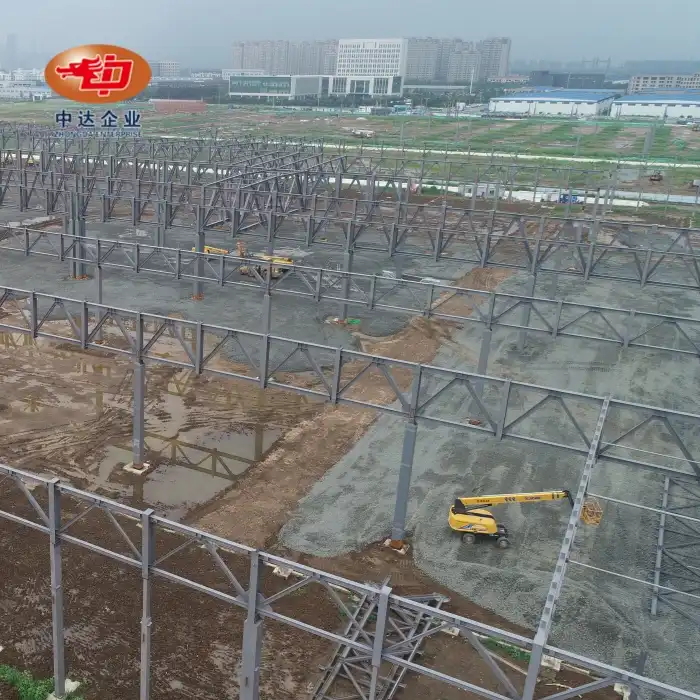
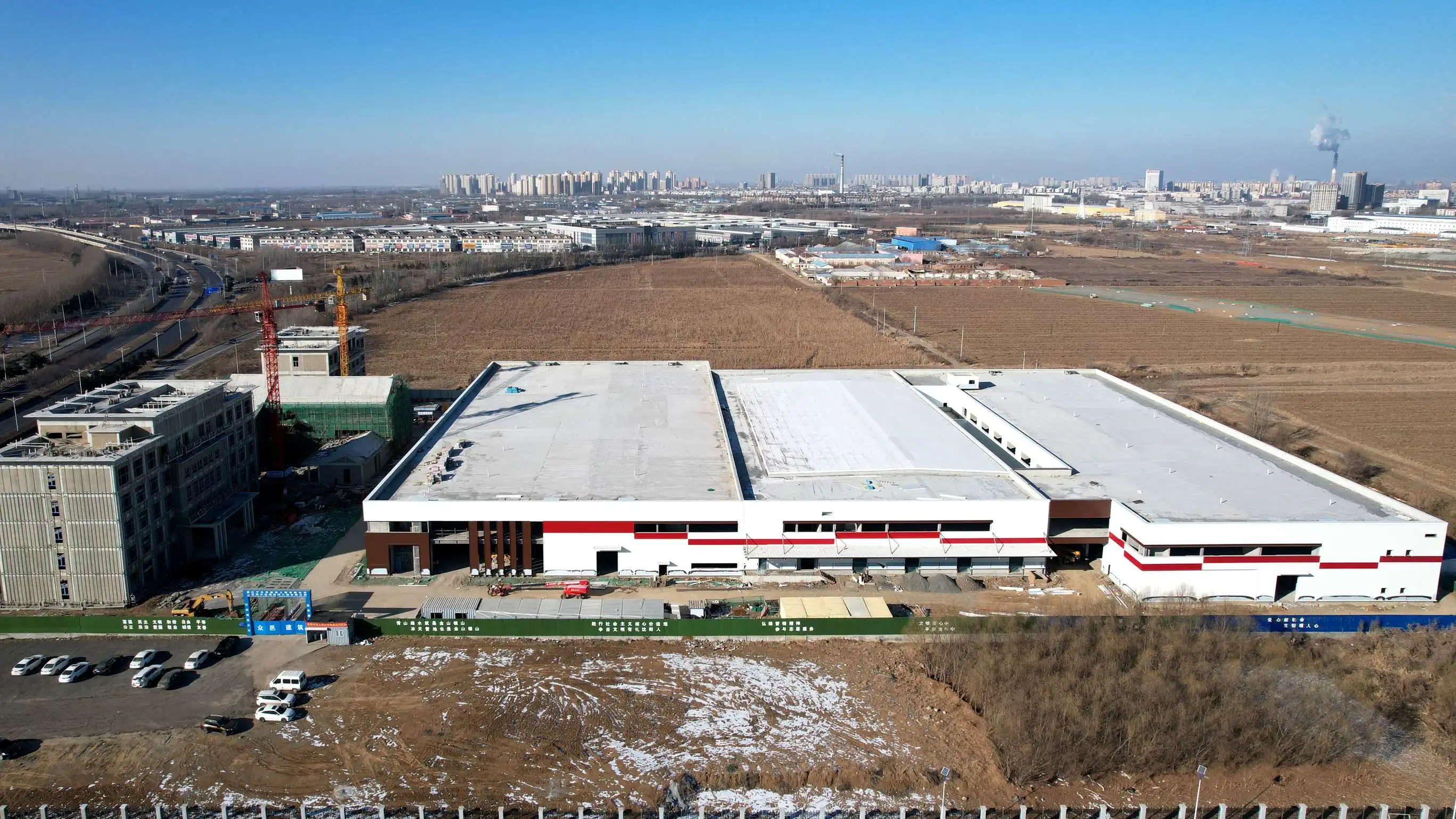
An airport steel structure supports buildings like terminals, hangars, control towers, cargo facilities, and repair shops. To fit wide-body planes, these buildings need to have clear spans that are often longer than 60 meters. They also have to support roof systems, mechanical equipment, passenger loads, and weather forces. Problems get worse when you think about operations that happen 24/7. There aren't many times for structure repair, and downtime costs a lot of money. Aviation buildings are also exposed to de-icing chemicals, jet fuel vapors, and changes in temperature that speed up rusting. This means that they need to be made of specific materials and coated with protective materials.
Essential Design Principles Integrating Load Capacity and Compliance
Load selection is the most important part of designing a structure that will last. When you talk about dead loads, you should think about the weight of steel parts, roofing systems, and permanently placed items like HVAC units and passenger boarding bridges. Live loads are very different depending on the function. For example, during peak travel periods, airport concourses have to support large groups of people, while hangar floors have to handle heavy loads from aircraft landing gear and repair equipment. Environmental loads, like wind pressures on large areas of the facade, snow buildup on large roofs, and earthquake forces in high-risk areas, need to be carefully studied to make sure that the structure stays strong in all situations.
Specifications for airport steel structures steel performance have a direct effect on how reliable a structure is. For flight projects, Q355 and Q235 steel grades are often used, with the choice being made based on a stress study of each part. At working temperatures, the material must have the right yield strength, tensile strength, stretch properties, and impact toughness to meet load-bearing needs. Advanced weathering steel formulations, like our own -60°C Weathering Steel Anti-corrosion Technology, make things last longer in harsh conditions and require less upkeep over time.
The Role of BIM in Optimizing Structural Integrity
The way we work on complicated building projects has changed because of Building Information Modeling. Workflows that are driven by BIM make it possible for structural engineers, architects, MEP experts, and builders to work together on designs in a single digital space. This method lets us find problems with space before we start making things, figure out the best amount of material to use by doing exact math, and make shop plans for ultra-thick plate parts with cutting tolerances of ±0.2mm. This leads to more accurate prefabrication, fewer adjustments in the field, and faster installation plans, all of which are very important when project delays directly cause airport owners to lose money from operations.
Key Benefits of Precision-Engineered Airport Steel Structures
When you choose precision-engineered solutions, you get real benefits in terms of safety, cost, and operating performance. When you compare steel frames to standard concrete building methods, these benefits become even more clear.
Enhanced Safety Standards and Regulatory Compliance
When it comes to safety, aviation equipment has to meet strict FAA rules, ICAO standards, and local building codes. Precision engineering makes sure that all possible load combinations are taken into account in structure calculations. This includes rare events like the highest number of passengers at the same time during an earthquake. A lot of finite element analysis is used in our design process to make sure that member capacities, link performance, and the general system's behavior in harsh conditions are all correct. This level of mathematical rigor lowers the chance that the structure will fail, protecting both the operations of the building and people's safety for as long as it's supposed to last—usually 50 years or more for big airport facilities.
Cost Efficiency Through Optimized Material Use
Optimizing structures cuts down on the amount of steel used without lowering safety standards. We can make frames that are lighter by fine-tuning member sizes, link configurations, and bracing systems. This lowers the cost of materials, the need for foundations, and the cost of shipping. Prefabrication in controlled factory settings, like what we do at our 120,000 m² facility with 60,000-ton annual capacity, gets rid of weather delays and improves quality consistency compared to options like casting concrete on-site. Construction times shorten by 30 to 50 percent, which lets airport managers start making money-making activities earlier and keep regular operations running as smoothly as possible during growth projects.
Superior Durability and Reduced Lifecycle Costs
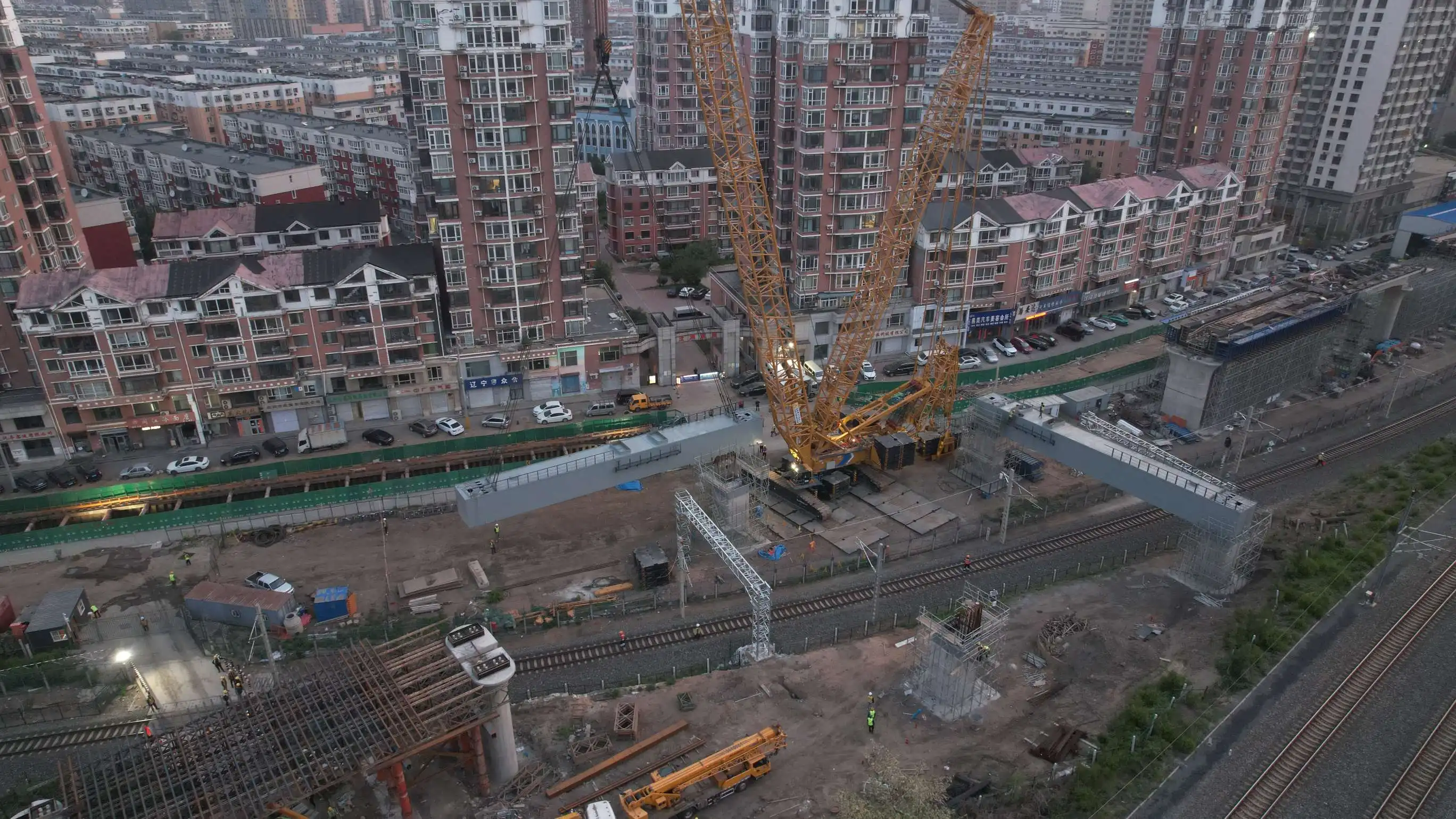
When combined with precise engineering and improved safety systems, steel's natural qualities make it last a very long time. When links are properly built, they don't fail from fatigue under cyclic loads, and corrosion-resistant coatings and weathering steel types keep things from breaking down in the environment. Because airport steel structures are made up of separate modules, they can be easily expanded or changed in the future. For example, ports can be made longer, hangar bays can be made bigger, or structural systems can be improved without having to start from scratch. Compared to concrete structures that crack, spall, and corrode the support, these structures don't need as much maintenance. Total cost of ownership goes down a lot because of these things, which is an important thing for buying managers to think about when they are looking at long-term building investments.
The Precision Engineering-Driven Construction Process
Aviation infrastructure projects that go well use a set of steps that include careful planning, specialty manufacturing, and strict quality checks. Each step builds on the ones before it to make sure that the finished models meet very strict requirements.
Material Selection and Specification
The right steel grade should be chosen after a structural study that finds out the stress levels, fatigue issues, and weather exposure conditions. Q355B steel is good for main load-bearing beams and trusses in large-span hangars because it has a high yield strength and is easy to weld. When stress levels are low, Q235 grades work well for secondary purlins and support members. Material certificates check mechanical features like tensile strength, elongation percentages, and Charpy impact values at certain temperatures. This is important information for getting approval from regulators and making sure the quality of the product.
Precision Fabrication and Custom Manufacturing
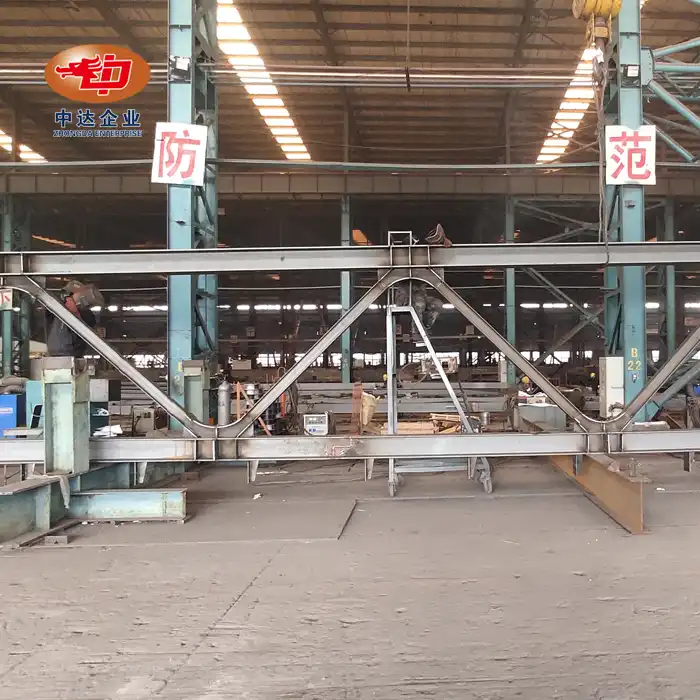
Our manufacturing process uses computer-controlled cutting tools that can achieve ±0.2mm tolerances on very thick plates, which makes sure that everything fits perfectly when it's put together. Automated welding methods that meet EN 1090 and AWS D1.1 standards make full-penetration welds that are uniform and meet or beat the design strength requirements. 3D laser scanning is used to check the shape of parts, and the resulting data is compared to BIM models to make sure they are in line before they are shipped. This focus on production accuracy avoids expensive changes in the field and speeds up the building schedule, which is especially helpful when working in busy airports with limited access for construction workers.
Quality Control and Load Capacity Verification
At different steps of a project for airport steel structures, thorough testing methods confirm how well the structure is working. Material testing makes sure that the steel that comes in has the right qualities. Ultrasonic testing, magnetic particle screening, and radiographic analysis are all non-destructive ways to check the soundness of a weld. Actual capacity margins are shown by load tests on key links and assemblies. Post-installation scans with total stations and laser scanners record the geometry of the building as it stands, proving that it matches what was planned during the design phase. These steps of verification give people who work in buying and running facilities proof that the building is safe and reliable and meets flight safety standards.
Innovations and Technical Trends Driving Precision in Airport Steel Structures
As technology improves and concerns about the environment grow, the aircraft building industry continues to change. Keeping up with these trends makes sure that new buildings use the best methods for safety, performance, and being good to the environment.
BIM-Driven Project Planning and Collaborative Workflows
Building Information Modeling does more than just allow for visualization; it also allows for combined project delivery. Parametric modeling lets you quickly compare different design options, finding the best way to arrange structures to use the least amount of materials and be easy to build. Clash detection finds problems between building systems and structural parts before they are built, so costly repair is not needed. 4D scheduling combines the order of building with BIM models, which lets planners plan tasks in a way that keeps airport operations running as smoothly as possible. 5D cost estimates lets you keep track of your budget in real time as your plans change. Our team's knowledge of these digital tools, along with their ISO 9001/14001/OHSAS 45001 certifications, makes sure that projects follow the most up-to-date best practices during the planning and delivery stages.
Sustainable and Energy-Efficient Steel Solutions
More and more, environmental factors affect the choices we make about materials and how we create things. The fact that steel can be recycled and still have all of its original traits after many cycles of use is in line with the circular economy ideas that forward-thinking airport officials value. Skylights and glazed facades let in natural light, and optimal steel frame supports energy-efficient design strategies that lower practical energy use. Transportation pollution are kept to a minimum by using materials that are grown or made in the same area. Green building standards like LEED are starting to recognize these environmentally friendly design features more and more. This raises the value of the building and helps companies keep their environmental promises.
Advanced Safety Technologies and Seismic Design
In airport steel structures where earthquakes are common, seismic performance has become very important for airport facilities. Modern building designs use base isolation systems, energy-dissipating bracing, and moment-resisting frames that let the structure shift safely during earthquakes while protecting its stability and keeping people safe. Equal attention is paid to fire resistance, which can be achieved with intumescent coatings, encasing critical parts in concrete, or using steel sections that are naturally fire-resistant and can still hold their own weight in an emergency. These advanced safety technologies, which have been proven through thorough testing and peer review, give building owners and managers faith that structures will work reliably even in the worst conditions, as long as they meet insurance and government standards.
Procurement Considerations for Precision-Engineered Airport Steel Structures
Choosing the right manufacturing partner and planning how to buy things have a big impact on the success of a project. People who make decisions should know about the most important evaluation standards and strategy factors that can help them get the best results.
Evaluating Manufacturers Based on Certifications and Experience
Quality certifications are concrete proof of the ability to make things and the development of the process. ISO 9001 certification shows that a quality management system is being used, and EN 1090 certification proves that someone knows how to make structures out of steel that meets European standards, which is becoming more and more important for projects at international airports. It doesn't matter what industry experience you have; makers with a track record in building aviation infrastructure know how to deal with security clearances, building in stages while the airport is open, and working with specialized trades. Zhongda has worked on projects for China Railway, CSCEC, and BMW, as well as international projects like Arctic bridges in Russia, mining structures in Australia, and industrial facilities in Vietnam—demonstrating our capacity to deliver complex infrastructure across diverse operational contexts.
Strategic Budgeting and Transparent Cost Estimation
Strategies for buying things need to weigh the original cost of cash against the costs over the product's life and the time it takes to be delivered. It's easier to compare different offers when the price is clear and breaks down the costs of materials, manufacturing services, protection coatings, and shipping. It's often more valuable to look at full packages that include design help, BIM planning, manufacturing, finishing, and technical support during installation than to just look at the lowest-bid component supply. Our team gives customers thorough breakdowns of costs and works with them to find value engineering opportunities that keep performance high while making the best use of budgets.
The Value of Customization and Integrated Project Management
Standardized designs for aviation buildings aren't often used because each project has its own practical needs, site limitations, and operational issues to think about. When compared to catalog-product providers, manufacturers that offer customization options and combined project management produce better results. Our process starts with in-depth interviews to fully understand the client's goals. Next, we do conceptual design and feasibility studies to look into different options. A thorough study of the structure improves its performance, and our skilled project managers make sure that all the design disciplines, fabrication teams, and installation workers work together smoothly. This all-in-one service model covers everything from the initial planning to expert help during the building phase. It makes sure that the work goes smoothly and that problems are fixed quickly in the field, which protects project schedules and budgets.
Conclusion
Precision engineering is the most important thing for building up airport steel structures that works. The complicated interplay of safety requirements, practical needs, environmental issues, and cost limits calls for methodical design approaches, advanced fabrication skills, and strict quality checks. Precision engineering is getting better at what it does for airport projects thanks to new technologies like BIM-driven processes and sustainable material solutions. When looking at investments in flight infrastructure, procurement professionals should give more weight to partners who can show they have proven technical knowledge, all the necessary certifications, and a commitment to working together to complete the project. The accuracy with which these important facilities were built directly affects how well they work, how safe they are, and how much they cost.
FAQ
What makes precision engineering essential for aviation facilities?
Aviation infrastructure has to meet very strict safety standards and be able to handle long clear spans, changing loads, and nonstop operations. Precision engineering makes sure that structural calculations correctly predict how the structure will behave under all loading conditions, that the manufacturing meets exact measurement tolerances so that everything fits together correctly, and that the installation follows the alignment specs. This methodical approach lowers the chances of failure and improves both the efficiency of building and the dependability of operations in the long run.
How does steel compare to concrete for airport construction projects?
Steel frameworks have many benefits, such as shorter building times thanks to prefabrication, lower base costs because the frames are lighter, better performance in seismic zones because the materials are more flexible, and the ability to be expanded in the future. While concrete has great compressive strength, steel is better for large-span, high-bay uses like those found in terminals and hangars, where areas without columns allow for the most practical freedom.
What certifications should I look for when selecting an airport steel structure manufacturer?
ISO 9001 certification proves that quality management systems work, and EN 1090 certification proves that people know how to make things out of structural steel. More certificates, such as ISO 14001 for environmental management and OHSAS 45001 for worker health and safety, show that the business is fully mature. Check to see if the makers have the latest certifications, and ask for proof of real-world experience with flight infrastructure projects that show how these quality systems can be used.
Partner with Zhongda for Your Aviation Infrastructure Needs
Zhongda Steel brings two decades of specialized expertise to precision-engineered aviation projects worldwide. As a certified airport steel structure supplier holding ISO 9001/14001/OHSAS 45001 and EN 1090 qualifications, we deliver comprehensive solutions from BIM-driven design through fabrication at our 120,000 m² facility and technical support during installation. Our proprietary -60°C Weathering Steel Anti-corrosion Technology and ±0.2mm ultra-thick plate cutting capabilities ensure exceptional durability and precision. Trusted by global clients including China Railway and BMW, we've successfully delivered infrastructure across challenging environments from Arctic conditions to tropical climates. Contact our team at Ava@zd-steels.com to discuss your specific project requirements and receive a detailed technical proposal demonstrating how our engineering excellence can optimize your aviation facility investment.
References
Smith, J.R., & Anderson, M.K. (2021). Structural Steel Design for Aviation Infrastructure: Modern Approaches and Case Studies. American Institute of Steel Construction Press.
International Civil Aviation Organization. (2020). Aerodrome Design Manual: Part 3 - Pavements and Structural Requirements. ICAO Technical Publications.
Chen, W.F., & Lui, E.M. (2019). Handbook of Structural Engineering: Steel Structures for Transportation Facilities. CRC Press Engineering Series.
European Convention for Constructional Steelwork. (2022). Execution of Steel Structures and Aluminum Structures - EN 1090: Technical Requirements and Quality Standards. ECCS Publications.
Thompson, D.L. (2020). Building Information Modeling Applications in Large-Span Steel Construction Projects. Journal of Structural Engineering Research, Volume 45, pp. 234-267.
National Institute of Standards and Technology. (2021). Seismic Design Criteria for Steel Moment-Frame Structures in Critical Facilities. NIST Technical Report Series.
YOU MAY LIKE
_副本_1754117267235.jpg "Hdg Steel Plate")