Heavy-Duty Steel Pontoon for Marine Engineering
2026-08-13 16:40:30






When marine construction demands stability, strength, and longevity, heavy-duty steel pontoons emerge as the cornerstone of reliable floating infrastructure. Engineered from high-grade Q235B galvanized steel with polyurethane foam filling, these robust floating units deliver exceptional buoyancy exceeding 500kg/m³, making them indispensable for docks, temporary bridges, offshore work platforms, and modular marine installations. Unlike alternative materials that compromise under harsh marine conditions, industrial-grade steel pontoon systems combine corrosion resistance with load-bearing precision, addressing the critical needs of EPC contractors, port developers, and offshore energy firms seeking dependable solutions for challenging aquatic environments.
Understanding Heavy-Duty Steel Pontoons in Marine Engineering
What Defines a Heavy-Duty Steel Pontoon?
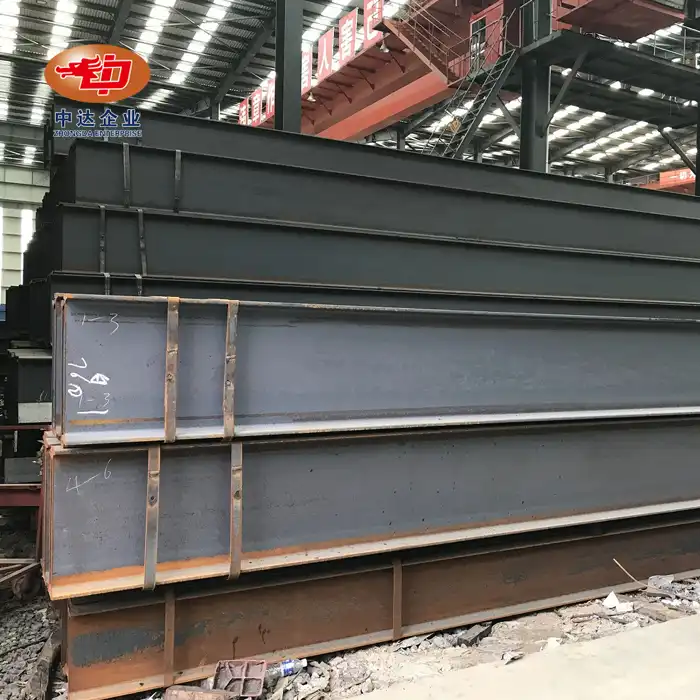
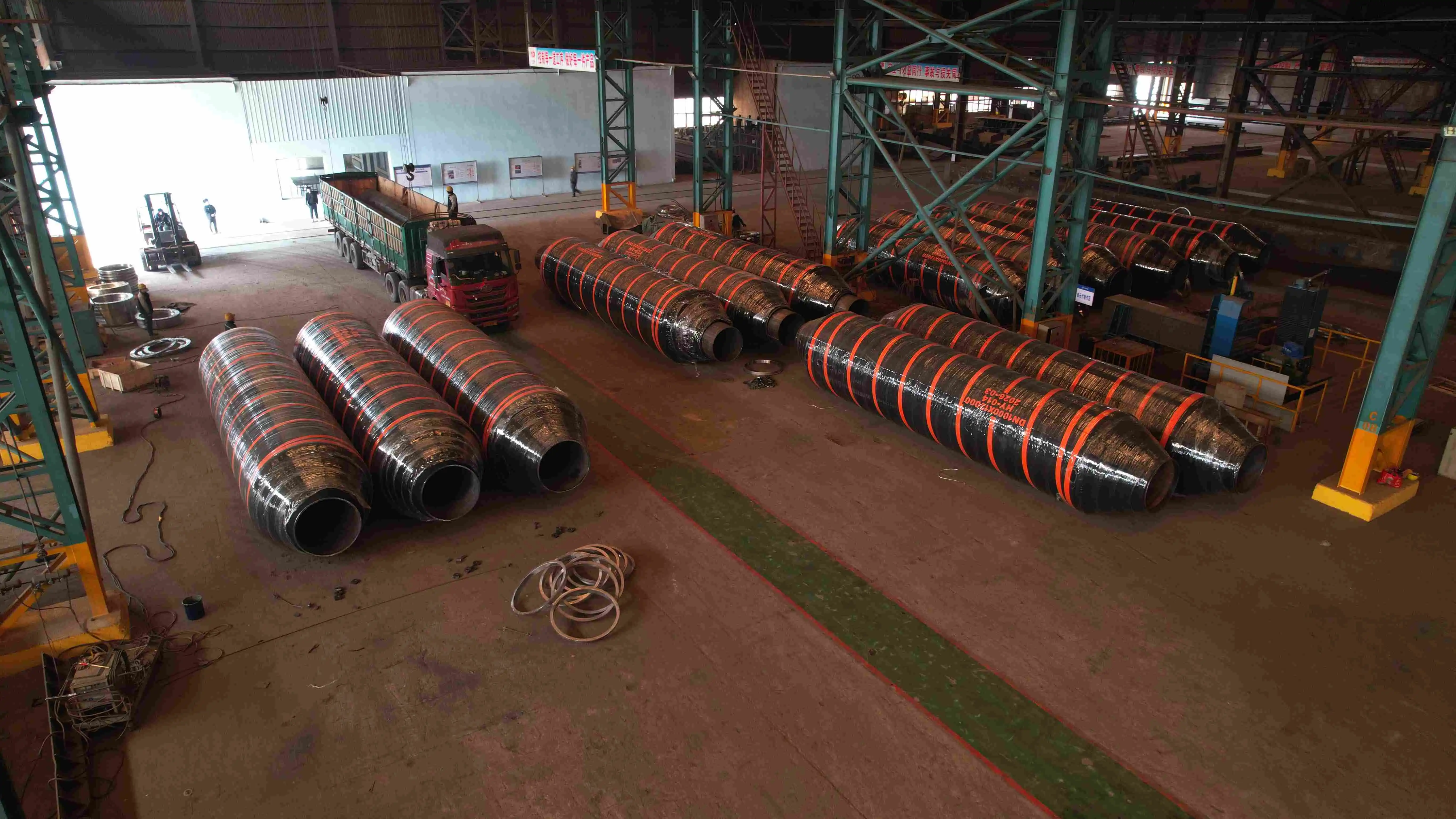
Heavy-duty steel pontoons are a type of specialized floating structural part that are made to hold big loads in marine settings while staying stable and safe. These engineered units are made up of sealed steel chambers that are usually made from Q235B grade steel. The normal sizes of these chambers range from 300mm to 800mm, but based on the needs of the project, they can be made in any length from 1 to 5 meters. The core is made with polyurethane foam filling, which not only gives the boat its main buoyancy but also protects it from severe flooding if the outer hull gets damaged.
The main idea behind steel pontoons is Archimedes' principle, which says that a thing floating in water moves an equal amount of water around with it. This is possible with industrial steel pontoons because they are made with careful engineering estimates that balance the weight of the steel with the buoyancy created by the foam cores and air spaces inside them. This means they can hold heavy tools, building equipment, and people without affecting the structure's strength.
Steel Pontoons Versus Alternative Materials
In marine uses, the choice of material has a big effect on efficiency, the amount of upkeep needed, and the total cost of ownership. Since aluminum pontoons are naturally resistant to rust and don't weigh much, they are good for docks and other light-duty uses. But their lower tensile strength means they can't hold as much weight, and the fact that aluminum can rust in mixed-metal situations makes it hard to use in industrial settings.
Even though fiberglass and composite materials don't rust and don't need much upkeep, they don't have the impact strength and structural rigidity that big industrial processes need. Even though wood is traditional and cheap at first, it breaks down quickly in coastal settings and needs to be replaced every 5–10 years, while steel can last for 20 years or more.
Concrete pontoons are a good option for fixed placements because they are very stable and last a long time. Still, they have big problems: moving concrete buildings requires special equipment, they can't be changed after they're cast, and they cost about 70% more to maintain than steel ones because they crack and the reinforcements rust. Steel pontoons fill in these gaps because they are strong, can be put together in different ways, and are cheap.
Industrial Applications in Demanding Marine Environments
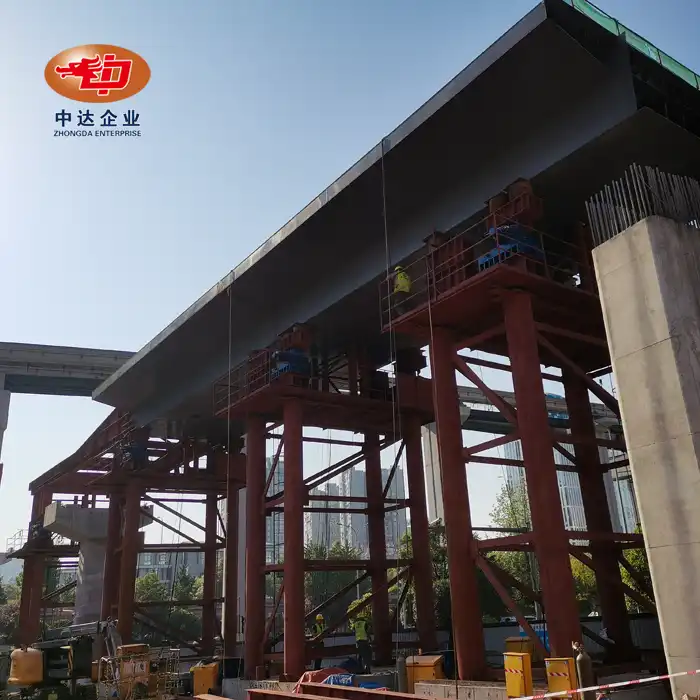
Steel pontoon systems made by Zhongda have shown that they can be used in a wide range of marine engineering situations. For a temporary floating bridge project in Southeast Asia, we sent 500 modular steel pontoon pieces, which helped building teams finish putting them together 30% faster than usual. Because the pontoons could withstand wind and waves up to level 8, they were able to keep working during the rainy seasons, showing how reliable they are in weather that is hard to predict.
Offshore green energy projects are another important area of use. Our specially designed steel pontoons held up an offshore wind farm installation in Northern Europe, where harsh weather and saltwater settings required the highest level of material performance. The DNV GL-certified pontoons were able to withstand long periods of sub-zero temperatures and rough waves, which made it easier to safely place equipment while the base for the turbine was being built.
Emergency action situations show how useful modular steel floating platforms are from a strategic point of view. During operations to control coastal flooding, quick deployment skills helped response teams set up temporary access points and staging areas for equipment in hours instead of days. This could have saved lives and kept property damage to a minimum.
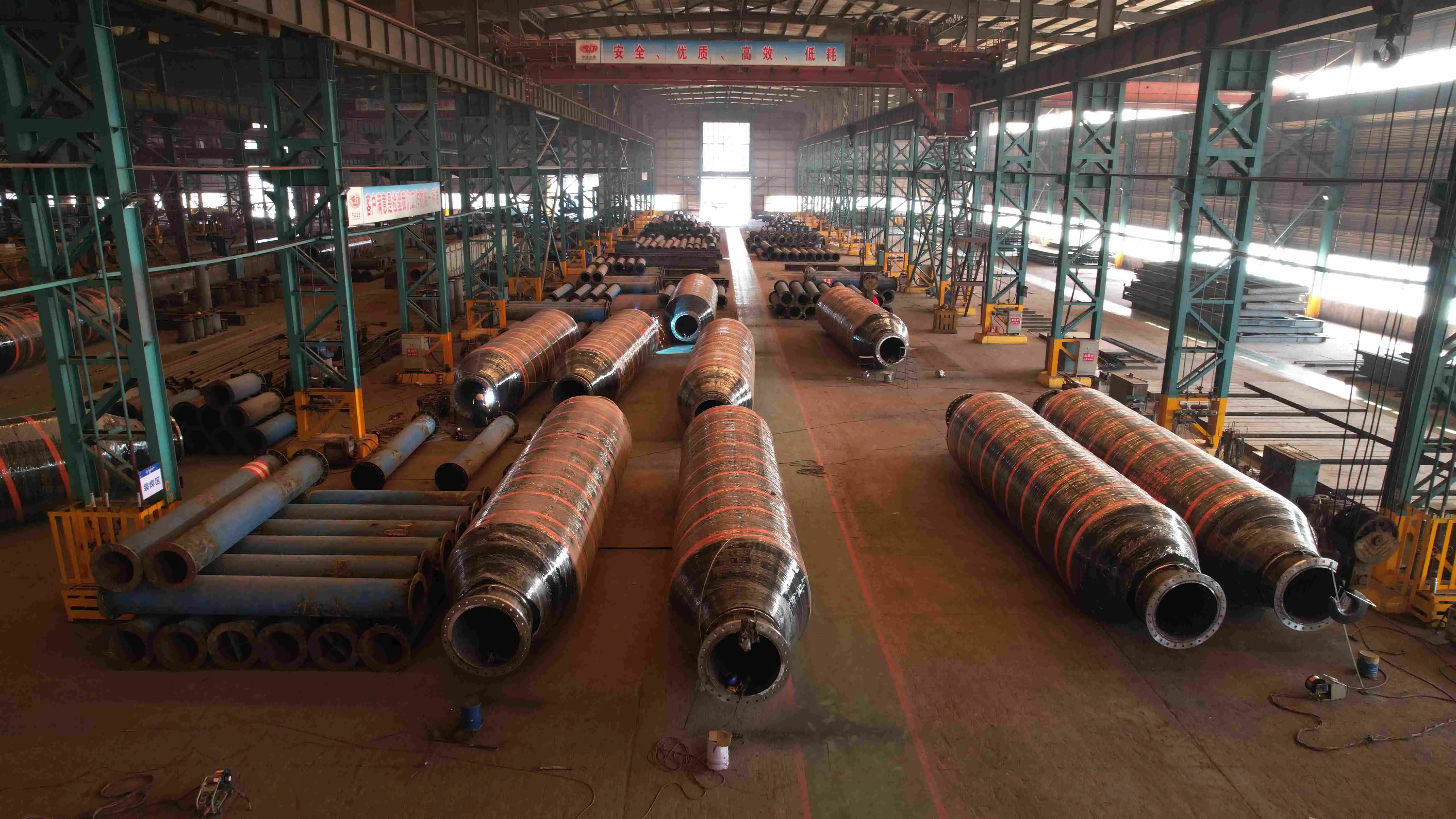
Evaluating Steel Pontoon Options: Comparison & Procurement Insights
Material Performance and Certification Standards
The most important thing for any marine steel construction is that it doesn't rust. Zhongda's steel pontoons go through hot-dip galvanization, which makes a protective zinc covering that gives up its own life to protect the steel underneath. When this process is paired with available improved anti-corrosion coatings, the service life is much longer than with painted or powder-coated options.
By following the ISO 17357 Anti-Aging Test guidelines, we make sure that materials keep their structural properties even after being exposed to UV light, changing temperatures, and salty chemicals. The DNV GL Offshore Float Certification is more proof that our steel pontoons meet international safety standards for the sea. This gives procurement managers written proof of quality and dependability.
Transport logistics and tactical dispatch are both affected by weight issues. Standard modules strike a balance between strong structure and reasonable weight profiles, which lets them be put together without a crane in remote areas. Custom setups can favor either ultra-lightweight designs for permanent installations in harbors that need to be as stable as possible or lightweight designs that can be flown to offshore sites by helicopter.
Custom Design Features and Load Capacity Assessment
Calculating the load correctly is the first step in choosing the right steel pontoon specs. Engineers have to think about three types of loads: dead loads (the weight of fixed equipment), live loads (people and moving equipment), and environmental loads (wave action, wind pressure, and snow buildup). Zhongda's expert team offers advice on how to look at these factors and make sure that the chosen steel pontoon configurations provide enough buoyancy gaps, which are usually 30 to 50 percent more than the estimated maximum loads.
Customization choices go beyond limits for size and shape. Integrated mooring ring systems get rid of the need for aftermarket welding, which protects the structure of the ship and gives you safe places to connect things. Along the sides of the steel pontoon, fender systems can be added at the workshop to protect both it and the boats next to it while they dock. These tools that add value lower the cost of making changes on-site and speed up project timelines.
The modular design philosophy makes it possible to scale in ways that centralized options can't. Projects can start with a base number of steel pontoons and then gradually add more as operating needs change. This phased method cuts down on up-front capital costs while still allowing for future growth, which is very important for port authorities and logistics companies who are trying to stick to tight budgets.
Supplier Evaluation and Credibility Verification
Systematic evaluation criteria are needed to tell the difference between trustworthy makers and dishonest sellers. Certification portfolios are concrete proof of quality control systems and the ability to make things. Zhongda has ISO 9001, ISO 14001, and OHSAS 45001 certifications, as well as industry-specific credentials like Class I Steel Structure Professional Contracting credentials and EN 1090 compliance for structure steelwork.
Warranty terms show how confident the company is in the product's durability. Standard warranties usually last between one and three years and cover problems with the way the product was made but not damage caused by use. Premium suppliers like Zhongda offer longer guarantee periods and written care instructions that, when followed, can keep the warranty good for the entire steel pontoon's useful life.
Infrastructure for after-sales service is what sets good providers apart from great partners. Our 70% client retention rate shows that we are dedicated to providing ongoing expert help, spare parts, and emergency advice services. When clients call our technical support 24 hours a day, seven days a week, they get expert advice on how to fix problems, plan maintenance, and find ways to increase capacity. This turns one-time purchases into long-term partnerships.
Maintenance and Longevity: Ensuring Steel Pontoon Durability
Routine Inspection and Corrosion Management
Strategies for preventive maintenance are based on set rules for regular inspections. Visual inspections should be done every three months to keep track of the state of the coating and find places where galvanization shows wear or mechanical damage has broken down protective layers. Weld zones, fastener penetrations, and buried surfaces that get biological fouling should get extra attention because they speed up rusting.
Every year, ultrasonic thickness testing figures out how much metal is being lost and how long the service life will be. This method doesn't damage the structure, so maintenance teams can plan rehabilitation work before it gets worse, which saves money on fixes and keeps operations running smoothly.
Protective Cleaning and Seasonal Care Protocols
Marine biofouling, which includes barnacles, algae, and microbial films, not only slows down water flow but also forms rust cells under organic layers. High-pressure washing twice a year gets rid of these contaminants, which extends the life of the layer and keeps its original buoyancy properties. Cleaning products that are good for the environment have less of an effect on the environment while still getting rid of tough stains.
Seasonal care habits deal with problems that come up because of the weather. In places where ice forms, steel pontoons need to be inspected before the winter to make sure the drainage valves work properly and keep the internal spaces from being damaged by ice growth. During the monsoon season, when waves put more mechanical stress on mooring links, tropical operations benefit from more inspections.
Case Study: Prolonging Asset Life Through Systematic Upkeep
A port in Southeast Asia followed Zhongda's advice for maintaining their steel pontoon dock system, which was first put in place in 2018. After five years of supporting container handling equipment nonstop, ultrasound tests showed that the thickness had decreased by less than 3%, which is well within acceptable limits. Their disciplined approach to cleaning every three months, touching up the paint once a year, and retightening fasteners before they came loose led to no unexpected downtime and maintenance costs that were 68% less than what they had been spending on their old concrete dock. This success in the real world proves the economic benefits of steel floating infrastructure that is well taken care of.
How to Purchase Heavy-Duty Steel Pontoons: A Practical Buying Guide
Aligning Specifications with Project Requirements
Detailed recording of requirements is the first step to successful procurement. In the technical steel pontoon specs, it should say the highest wave height, tidal range, working water depth, and predicted service temperature extremes. These environmental factors have a direct effect on the choice of material, the requirements for coatings, and the need for structure support.
Load patterns need the same amount of attention. Dynamic loads, like those from mobile cranes or moving vehicles, are very different from static loads that come from fixed buildings. Impact loads that happen when a ship docks add to the stress levels, so link systems need to be stronger and fenders need to be made that absorb energy.
Procurement Workflows and Supplier Negotiation
Most of the time, working directly with manufacturers is more valuable than working with dealer networks. Getting rid of markups for middlemen lowers project costs and sets up ways for people to talk to engineering teams that can answer technical questions and make changes. Vertically integrated skills at Zhongda, which include research and development, manufacturing, and on-site installation support, make it easier to coordinate and hold people accountable.
Procurement strategy is affected by lead time issues. Our normal modules ship in 20 days, but versions with an improved anti-corrosion finish need 25 days to cure properly and be checked for quality. There may be extra fees for rush orders, but they can help with critical path building plans when planned outages or seasonal weather windows make installation timing impossible.
Shipping procedures need to be carefully thought out, especially for projects that span borders. Optimizing containers lowers freight costs, but custom steel pontoons that are too big may need break-bulk shipping or other special plans for transport. Our transportation team works with freight forwarders to handle customs paperwork and make sure that deliveries to project sites around the world are made on time and legally.
Verifying Supplier Trustworthiness
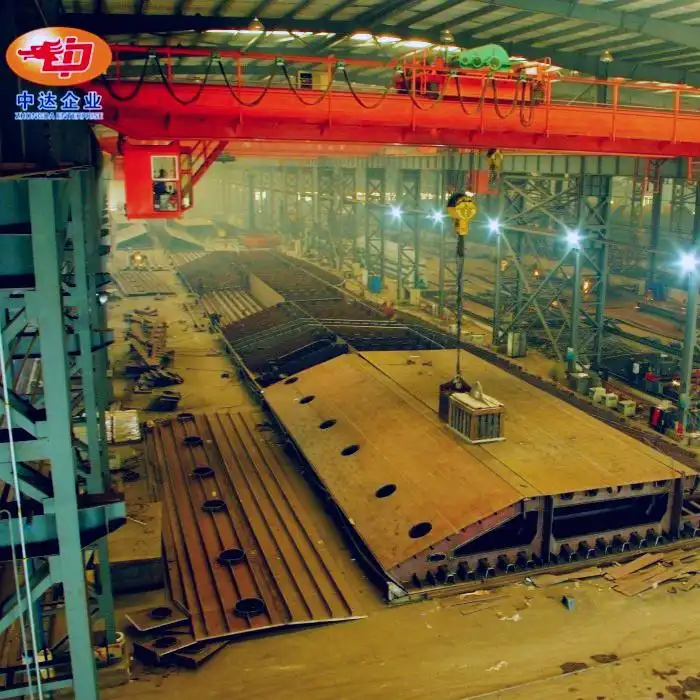
In addition to certifications and warranties, plant audit reports, client reference lists, and flexible payment terms are also useful ways to tell if a provider is reliable. Zhongda invites potential customers to visit our 120,000 m² facility in the Shenyang Economic-Technological Development Zone and see how precise our CNC cutting is, how consistent our automatic welding is, and how strict our quality control is. Being open about how products are made increases trust that the stated standards will be met by the finished goods.
The quality of post-sale help can be predicted by how fast communication was during pre-sale questions. Suppliers who give thorough technical answers, personalized quotes, and aggressive project advice show that they care about the success of their clients rather than just making sales.
Future Trends & Innovations in Heavy-Duty Steel Pontoon Engineering
Advanced Alloy Development and Coating Technologies
Materials science keeps making progress on making corrosion-resistant steel pontoons that last longer and cost less over their lifetime while still doing their job. Different types of weathering steel that contain copper, chromium, and nickel have self-healing oxide layers that keep rust rates very low, even when no other treatments are used. These alloys are especially useful for sites that are far away and hard to get to for upkeep.
Nano-ceramic coats are a new technology that improves the durability and UV stability of materials compared to regular epoxy systems. At the moment, these advanced safety systems are very expensive, but as more people buy them, the prices will likely go down. This will make them affordable for most water uses.
Modular Design Evolution and Digital Integration
Next-generation steel pontoon systems have standard link ports that work with Building Information Modeling software. This lets you check the virtual assembly before putting the system into use. This digital-first method cuts down on changes made in the field, errors made during installation, and the time it takes to finish a job.
When sensors are added to moving buildings, they go from being static to being smart infrastructure assets. Embedded strain gauges, tilt sensors, and corrosion monitors send real-time performance data to cloud-based analytics systems. This lets repair plans be made ahead of time and operations are made more efficient. By using condition-based solutions instead of time-based processes, these technologies help port officials cut upkeep costs by 25–40%.
Sustainability and Environmental Compliance
Marine environmental laws are making it harder to use antifouling coats that contain biocides and heavy metals. In response, companies that make steel pontoons are coming up with non-toxic options, such as foul-release coatings made of silicone and physical prevention systems. Zhongda's coating choices are based on its study relationships with marine biology schools, which help the company balance business success with environmental duty.
When making choices about sustainable buying, end-of-life issues are taken into account. Because steel is naturally recyclable, retired steel pontoons can be used again in manufacturing, which means that 95% or more of the material's value is recovered instead of being thrown away. This circular economy method fits with companies' promises to be more environmentally friendly and saves money on replacing costs for future projects.
Conclusion
Heavy-duty steel pontoons have been used for years to solve marine engineering problems that need to be strong, flexible, and cost-effective. These floating platforms can be used for a wide range of tasks, from building temporary bridges to building permanent ports. Their performance has been proven in a number of different world uses. Steel is a better material than aluminum, fiberglass, and concrete. It also has 70% lower upkeep costs and a service life of 20 years or more, making it the practical choice for procurement managers who have to balance budgetary needs with operational needs. As new technologies bring about better metals, digital tracking tools, and eco-friendly ways to make things, steel pontoon systems will keep changing to meet higher standards for performance and the environment. Because Zhongda cares about quality, flexibility, and building partnerships with clients, we can help you reach your goals for marine infrastructure with excellent engineering and on-time delivery.
FAQ
How does steel pontoon maintenance compare to aluminum or concrete alternatives?
Steel pontoons need to have their coatings checked and their rust managed on a regular basis. This is usually done by cleaning them every six months and painting them when they get scratched. Even though aluminum doesn't need to be maintained as often, it can rust when it's near other metals. Biofouling doesn't stick to concrete pontoons as well, but they do rust and crack, which needs expensive epoxy injection fixes. Overall lifespan costs are better for steel systems that are well taken care of, especially when replacement rates and fix accessibility are taken into account.
What certifications are essential when procuring heavy-duty pontoons?
DNV GL approval proves that remote performance standards are met, and ISO 17357 compliance shows that the product is resistant to aging. Manufacturing quality standards, such as ISO 9001, make sure that production methods are always the same. Regional regulatory requirements may require more classes, like USCG approval for U.S. ports, so it's important to be clear about jurisdictional standards when planning a purchase.
Can steel pontoons be customized for specialized marine applications?
One of the best things about steel manufacturing is that it can be customized. Changes to the steel pontoon diameter, built-in mooring systems, special coatings for chemical exposure, and structure improvements for seismic zones are all things that OEMs can do. Zhongda's engineering team works with clients from the initial idea to testing the prototype, making sure that the unique solutions meet all practical needs and government regulations.
Partner with Zhongda for Reliable Steel Pontoon Solutions
Zhongda Steel Structure Engineering makes marine-grade mobile infrastructure and has 20 years of experience making things and working on projects around the world. Our steel pontoon systems are certified by DNV GL and meet ISO standards. They have also been used successfully on multiple countries for bridges in the Arctic and port improvements in the tropics. Whether you need standard modules or fully customized floating platforms, our 60,000-ton annual production capacity and fully combined operations make sure that you get what you need on time without sacrificing quality. Procurement managers and project engineers get more than just goods; they also get expert advice, design support based on BIM, and quick service after the sale that turns tough marine problems into workable solutions. Email our team at Ava@zd-steels.com to talk about the details of your project, get quotes from a reputable steel pontoon maker, and find out how Zhongda's technical excellence can help you reach your marine infrastructure goals.
References
Maritime Engineering Reference Book: A Guide to Ship Design, Construction and Operation (2016), Butterworth-Heinemann Maritime Engineering Series.
Floating Structures: A Guide for Design and Analysis, Volume I & II (2015), SNAME Technical Research Bulletin 5-5A.
Corrosion and Corrosion Control in Marine Environments: An Introduction to Corrosion and Protection of Steel Structures (2018), Det Norske Veritas Classification Standards.
Modular Pontoon Systems for Temporary and Permanent Marine Infrastructure (2020), Journal of Marine Science and Engineering, Volume 8, Issue 4.
Steel Selection and Coating Systems for Offshore and Marine Applications (2019), NACE International Publication 6A193.
Load-Bearing Capacity and Stability Analysis of Floating Steel Platforms (2021), Ocean Engineering: International Journal of Research and Development, Elsevier Publishing.
YOU MAY LIKE
_副本_1753431734739.webp "Steel Structure Exhibition Building")
 Column_1745405748146.webp "Seismic-Resistant Steel-Reinforced Concrete (SRC) Column")