Advantages of Steel Truss Bridge Construction
2026-06-12 09:27:42






When planning big building projects, procurement managers and engineering teams always have to make tough choices about how to organize things in a way that balances performance, cost, and schedule. These problems can be solved by the benefits of steel truss bridge building, which combines high load-bearing capacity with quick placement. The linked triangular steel elements that make up these designed frames give them great strength-to-weight ratios that make them perfect for highway crossings, rail lines, and industrial access routes. When compared to traditional concrete options, modern steel truss designs made from high-quality materials like ASTM A709 Grade 50 steel offer stable performance in harsh settings while cutting building times by a large amount. This in-depth study looks at why steel truss bridges are still the best choice for builders, investors, and government agencies that want long-lasting, low-cost infrastructure options.
Understanding Structural Design Principles and Material Superiority
Steel truss bridges are a complex type of engineering. They are made up of linked parts that are arranged in triangles to effectively spread loads using tension and compression forces. This basic design concept makes structures as efficient as possible while using as little material as possible.
Triangular Configuration and Load Distribution
Steel truss systems have a self-stabilizing structure that works well with both static and dynamic forces because they are made up of triangle units. When cars or trains cross the bridge, the vertical loads change into axial forces that act on each member. Some members are tensed, while others are compressed. This way of distributing weight means that the building can hold a lot of weight without needing huge beam sections. We make Warren and Pratt steel truss configurations with spans from 30 to 150 meters. These layouts work very well on highways and trains where load consistency is important.
High-Grade Steel Material Advantages
Modern steel truss bridges are made with improved types of structural steel that are stronger and more durable than traditional building materials. Our normal steel truss bridges are made of steel that is ASTM A709 Grade 50 and has Z35 Z-direction performance. This type of steel is designed to prevent through-thickness tearing during welding and heavy load cycles. This standard makes sure that the structure is strong at link points, which are common places for stress to build up. These buildings can handle impact loads and earthquake forces without breaking completely because they have a yield strength of 345 MPa (50 ksi) and are very flexible.


Modular Fabrication Benefits
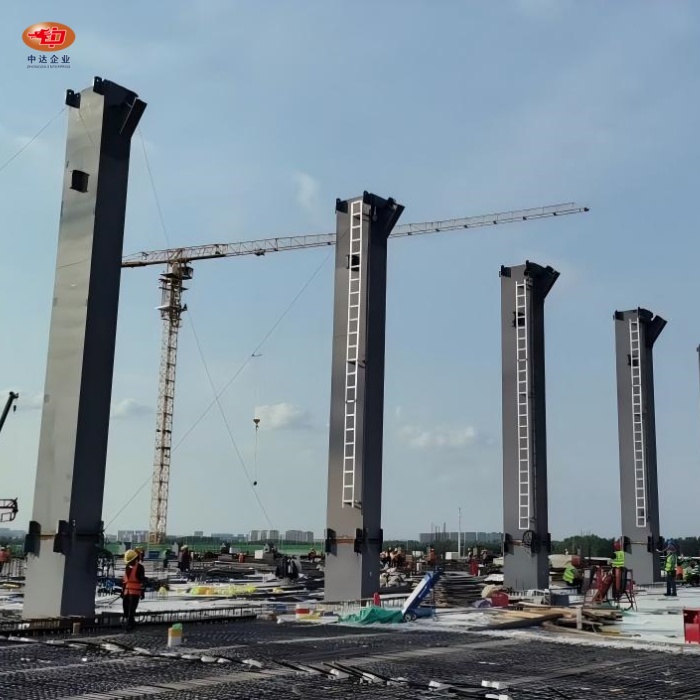
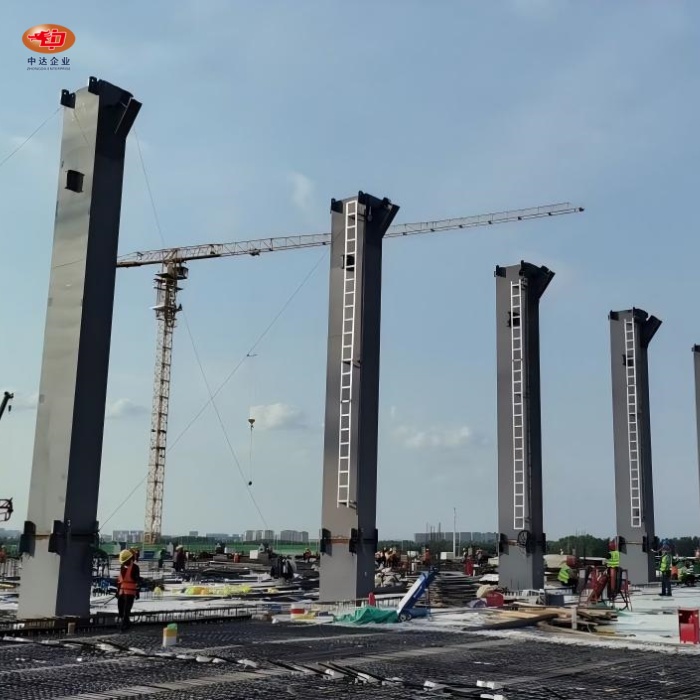
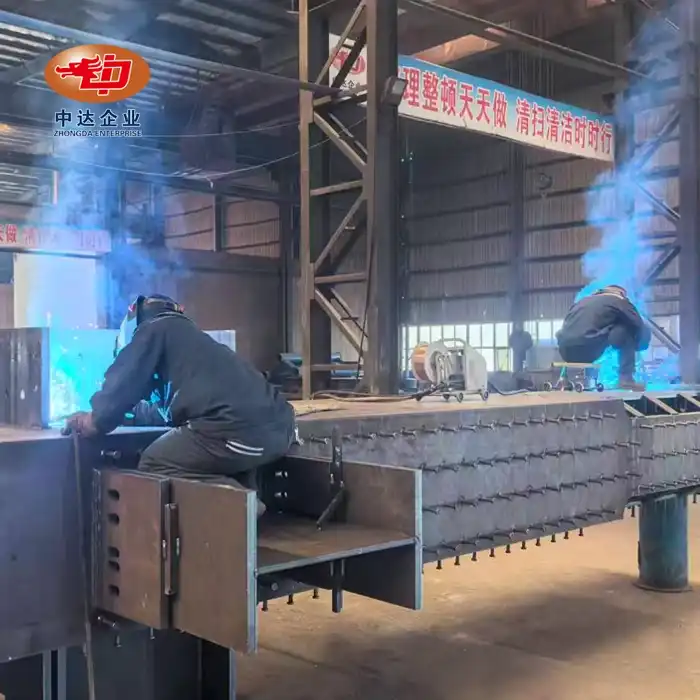
The fact that modern steel truss bridge systems are flexible changes the way projects are delivered. Before being sent to the place of use, parts that are made in controlled factory settings go through strict quality checks. At Zhongda's 120,000-square-meter plant, we use BIM-driven prefabrication methods to make sure that the dimensions of ultra-thick plate parts are accurate to within ±0.2mm. Field fit-up problems that happen with standard building methods don't happen with this precise making. Prefabricated parts are delivered ready to be put together quickly. Some emergency movable setups can span 200 meters in just 48 hours, which is very useful for crisis aid or setting up an urgent transportation route.
Performance Engineering and Long-Term Reliability
In addition to benefits during building, steel truss bridges offer measured benefits throughout their lifetime that have a big effect on the total costs of ownership for people who run infrastructure and handle assets.
Superior Load Capacity Management
These structure systems are great at handling heavy-duty tasks that go beyond the normal lifting standards for highways. Our steel truss bridges can hold up to 100 tons of Highway-I level loads, which makes them ideal for industrial haul routes, mine access roads, and heavy freight train lines. The open web setup makes it easy to spread stress across many users, which stops overloading in one place. This extra safety feature is built into the design of this bridge that concrete beam bridges can't match, especially when moving heavy equipment or loads that were not expected.
Corrosion Resistance and Environmental Durability
Corrosion makes infrastructure lose its strength faster in seaside areas, industrial areas, or places with hard weather. Our unique anti-corrosion system uses a full three-layer defense approach to deal with this problem. The first step is to apply 160-micron thermal spray zinc, which protects the base steel from galvanic corrosion. First, an epoxy mica intermediate coat is put on top of this base layer to keep water out. Then, a polyurethane finish is applied to protect it from UV damage and chemicals. When this system is paired with Zhongda's special -60°C weathering steel technology, which was created for use on Russian Arctic bridges, the service life goes beyond 75 years in harsh conditions.
Structural Redundancy and Safety Factors
The multiple members that make up steel truss bridge designs create structural redundancy that makes things safer. In simple beam bridges, if one section fails, the whole structure can fall apart. But in steel truss bridge systems, the weight is spread out over many parts. This feature keeps bridges working even if some of their parts get damaged, giving inspectors and repair workers important time to do their jobs. At every link point during manufacturing, we use Magnetic Particle Testing and Ultrasonic Testing as part of full-node inspection routines. This makes sure that the structure is safe and secure, which is what safety-critical infrastructure needs.
Comparative Analysis with Alternative Bridge Solutions
To choose the best type of bridge, you have to compare a number of performance factors with the needs of the project and the elements of the place. This comparison gives buying teams data-driven information they can use to make smart choices.
Steel Truss Versus Concrete Structures
While concrete bridges are better at compressive strength, they aren't very good at handling tension loads or spans. To build with cast-in-place concrete, you need a lot of forms, a long time to cure, and good weather. All of these things add months to the project schedule. Steel truss bridges get rid of these delays by being built off-site and quickly put together in the field. Steel options are also better when it comes to weight. A concrete bridge with the same span needs much bigger supports because of the dead load, which raises the cost of the substructure. Modular steel building lets you make changes or add more space in the future, which isn't possible with solid concrete structures without replacing them all.
Performance Against Timber Bridge Systems
Timber bridges are a cheap choice for places with little traffic, but they aren't strong enough or long-lasting enough for industrial or business transportation routes. In places with a lot of moisture, wood buildings break down quickly and need to be maintained often. Timber bridges are usually only rated for light car travel, so they can't be used to move freight or big equipment. These tough jobs can be done with steel truss bridge designs, which keep their dimensions stable even when temperatures change a lot, which can cause problems with wood expanding and contracting.
Span Capability Compared to Suspension Designs
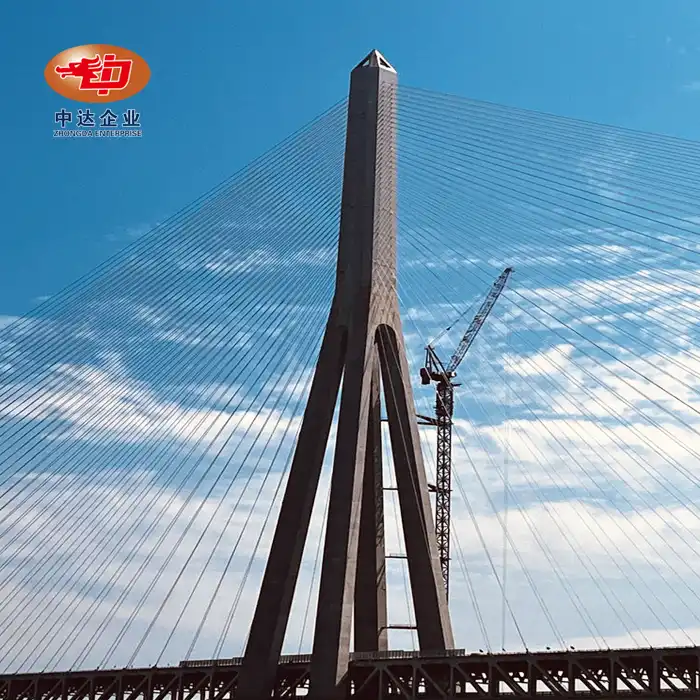
Cable-supported suspension bridges can span more than 1,000 meters, which is pretty amazing, but they require complicated grounding systems and longer building times. Most infrastructure projects need answers for medium-span problems (30 to 150 meters) where suspension systems are too expensive to be realistic. Steel truss bridges are a cost-effective way to get projects done faster and in this important range. Because steel truss bridge design is self-supporting, it doesn't need the big anchoring supports that suspension systems do. This cuts down on the need for geological investigations and the cost of getting the site ready.
Strategic Procurement Considerations for Infrastructure Projects
It's important to pay attention to specs, source skills, and transportation planning when buying a steel truss bridge because they have a direct effect on the project's results and costs over its lifetime.
Customization Requirements and Design Flexibility
Because of the unique needs of each project, custom solutions are often needed in addition to standard stock items. Our tech team works with clients to create custom setups that meet their specific span needs, load patterns, and site limitations. Warren steel truss bridge designs work best for longer lengths with even loads, while Pratt setups work best for uses with concentrated loads. We give you full design freedom from 30 to 150 meters, with amounts in between that match the shape of your project. Vertical clearance requirements, horizontal curves, and skew angle accommodations are all taken into account during the design process. This makes sure that the finished structure meets all of its useful needs without having to be changed in the field.
Supplier Certification and Quality Control
Finding makers with a wide range of certifications saves buying investments and makes sure that rules are followed. Along with EN 1090 structural steel manufacturing approval and AWS welding certifications, Zhongda has ISO 9001, ISO 14001, and ISO 45001 certificates. These certificates show that organized quality management is used at every stage of the production process, from getting the materials to inspecting the finished product. Our adherence to JIS standards makes it easier for projects that need Japanese industrial specifications to be completed, and our adherence to ASTM standards makes sure that our products can work with North American infrastructure requirements. This ability to work with multiple standards speeds up the approval process for foreign projects and gets rid of any barriers to compliance.
Logistics and Planning for Installation
Transportation and installation are big parts of the project costs that need to be coordinated early on in the planning process. Our global logistics support network finds the best shipping methods and groups loads together to keep freight costs as low as possible. Custom packing made for each part's shape guards against damage during transport and makes the best use of the container's space. We offer thorough construction plans and expert help on-site, which speeds up the time it takes to put things together. Detachable emergency steel truss bridge designs are especially useful in rural areas or crisis relief situations where it may not be possible to get big moving tools.
Implementation Strategies for Construction Success
When projects are carried out efficiently, engineering plans are turned into working infrastructure assets that do what they're supposed to do for the whole time they're in use.
Fabrication Quality Control Protocols
Quality manufacturing starts with checking the materials and goes on through all stages of production. Our purchasing team finds approved steel mill goods that come with all the paperwork needed to track the materials. When we make things, we use CNC cutting technology, which keeps very tight standards even on plate pieces that are more than 100 mm thick. The AWS D1.5 Bridge Welding Code is followed during the welding process, and only trained welders make the most important connections. The thorough inspection process includes checking the dimensions, trying without damaging the part at every point, and making sure the shape is correct before applying the surface treatment.
On-Site Assembly and Safety Management
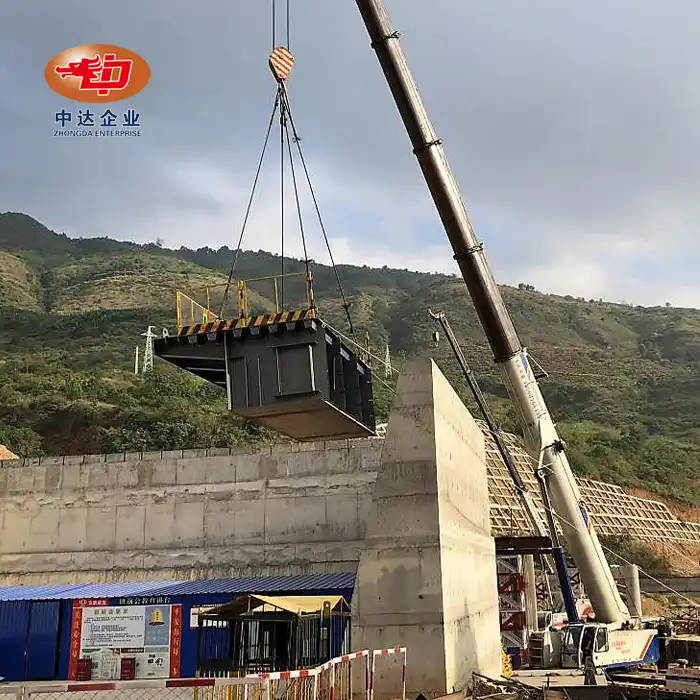
When premade parts come perfectly fitted, building in the field moves quickly. Our flexible method cuts down on the need for welding in the field, making plans less dependent on the weather and allowing for faster construction. Steel truss bridge pieces are placed on temporary support systems while connection bolts are being installed. The final tightening steps are designed to avoid warping. Follow safety rules that meet OSHA standards to keep workers safe while they are putting things together. These skills were recently shown on the Shenyang Dongta Cross-Hunhe River Bridge project, which successfully built an 18,000-ton steel truss bridge structure with no lost-time events during the whole building period.
Lifecycle Maintenance Planning
Proactive maintenance plans get the most out of infrastructure investments by making them last longer and avoiding expensive fixes that need to be done right away. Inspections done on a regular basis find covering wear or connections that are coming loose before they cause structural damage. Our three-layer anti-corrosion system usually needs to be re-coated for the first time every 20 to 25 years, based on how it is exposed to the environment. This is a much longer care period than most paint systems. Technologies for tracking structures, like strain gauges and sound monitors, give real-time information about how well things are working that helps with planning preventative maintenance. Zhongda keeps 70% of its clients, which shows that we take a long-term relationship approach to helping with infrastructure asset management.
Conclusion
There are many great reasons to build a steel truss bridge, such as its high load capacity, ease of installation, and low cost over its lifetime. These structures are the best choices for many types of building needs. Modern engineering improvements in material science, manufacturing accuracy, and rust protection have made steel truss bridges work better than ever, meeting the strict needs of business, industrial, and public projects. Steel truss bridge systems are good investments because they are cost-effective, can be designed in a variety of ways, and have been proven to work reliably for many years in a variety of industrial, highway, and train settings.
FAQ
What span lengths can modern steel truss bridges achieve economically?
Modern steel truss bridges can span between 30 and 150 meters easily and effectively. This is the best economic range where these systems work better than other types of bridges. For spans less than 30 meters, simpler beam setups are usually enough, while for spans longer than 150 meters, designs that are supported by cables may be needed. Within the core range, steel truss bridges offer the best mix of cost, speed of building, and material economy.
How do steel truss bridges perform in seismic zones?
The flexible nature of structural steel and the fact that steel truss bridge structures have multiple load lines make them very resistant to earthquakes. Steel can bend without breaking into tiny pieces, which lets it absorb energy during earthquakes. When links are properly planned and detailed, they allow controlled deformation that spreads out the forces of an earthquake while keeping the structure's stability. The ASTM A709 steel types that are designed for uses where cracking is likely to happen guarantee consistent performance under changing loads.
What maintenance requirements should operators expect?
Every two years, there are usually inspections, and every five years, there are thorough reviews of the structure. When they are made, modern anti-corrosion methods are used that make it possible for coatings to last for 20 to 25 years in usual environments. Checking the tightness of the link bolts, maintaining the bearings, and making sure the ventilation system works are all part of routine upkeep. When compared to concrete buildings that need to be fixed for cracks or wooden bridges that need to have members replaced, these minimum standards mean much lower lifetime costs.
Partner with Zhongda for Your Steel Truss Bridge Solutions
Infrastructure projects demand partners who combine engineering excellence with proven execution capabilities. Zhongda Steel Structure Engineering delivers comprehensive steel truss bridge solutions backed by two decades of industry leadership and over 60 landmark project completions worldwide. Our BIM-driven design process, state-of-the-art fabrication facility, and rigorous quality control protocols ensure your project receives structures engineered for performance and longevity. Whether you require standard configurations or fully customized designs, our technical team provides responsive support from initial concept through final commissioning. We welcome steel truss bridge suppliers and manufacturers seeking reliable fabrication partnerships, as well as EPC contractors, government agencies, and industrial developers requiring turnkey infrastructure solutions. Contact our engineering team at Ava@zd-steels.com to discuss your project requirements and discover how our technical capabilities can accelerate your timeline while delivering exceptional value. Visit zd-steels.com to explore our complete portfolio of structural steel solutions and request detailed specifications for your application.
References
American Association of State Highway and Transportation Officials. (2020). AASHTO LRFD Bridge Design Specifications, 9th Edition. Washington, DC: AASHTO Publications.
Chen, W.F. and Duan, L. (2014). Bridge Engineering Handbook: Construction and Maintenance, Second Edition. Boca Raton: CRC Press.
Barth, K.E. and White, D.W. (2018). Steel Bridge Design Handbook: Structural Analysis. Federal Highway Administration, U.S. Department of Transportation.
Kulicki, J.M., Prucz, Z., Sorgenfrei, D.F., and Mertz, D.R. (2013). Guidelines for Evaluating Corrosion Effects in Existing Steel Bridges. Transportation Research Board, NCHRP Report 333.
Ricker, M.J., Connor, R.J., and Sherman, R.J. (2019). Fatigue and Fracture Evaluation of Steel Bridges: Practical Considerations for Design and Construction. Journal of Bridge Engineering, Vol. 24, Issue 3.
Grondin, G.Y., Kulak, G.L., and Driver, R.G. (2016). Modern Steel Construction Practices for Bridges: Material Specifications and Quality Assurance. Canadian Journal of Civil Engineering, Vol. 43, No. 12.
YOU MAY LIKE