
Advantages of using steel for stadium roofing and grandstands
2026-06-03 16:17:57






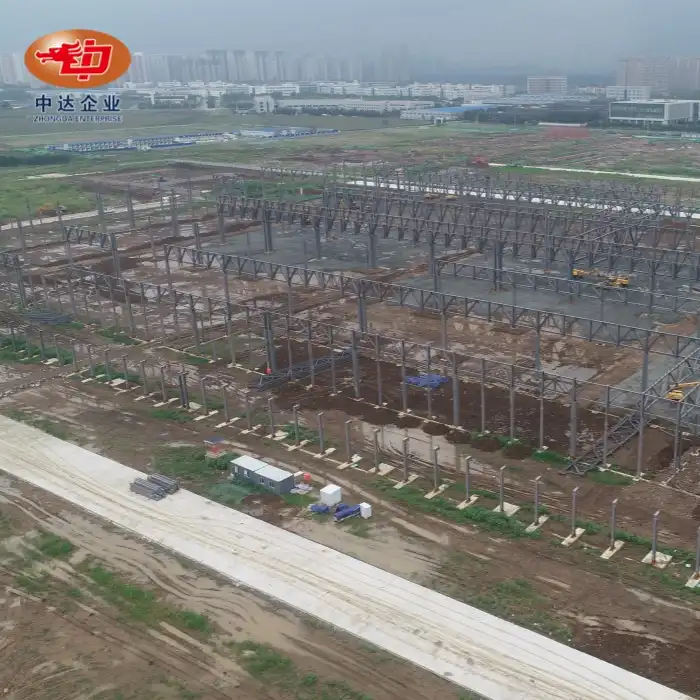
Steel delivers unmatched advantages for stadium roofing and grandstand construction, combining structural integrity with design versatility. A steel structure stadium offers superior strength-to-weight ratios, enabling vast spans without intermediate columns while reducing foundation loads by up to 35% compared to concrete alternatives. The material's inherent ductility provides essential seismic resistance, while prefabrication capabilities accelerate construction timelines by 40%, addressing the critical scheduling demands of government contractors and commercial developers. Steel's recyclability and corrosion resistance align with sustainability mandates while minimizing lifecycle maintenance costs across diverse climate conditions.
Understanding the Core Benefits of Steel in Stadium Roofing and Grandstands
Superior Durability Across Challenging Environments
Modern arena buildings are constantly exposed to wind, rain, temperature changes, and tremors caused by crowds. Steel parts made from Q355B or ASTM A572 Gr.50 grades have yield strengths higher than 355 MPa, which means they can hold up under dynamic loads that would weaken other types of materials. The mechanical qualities of structural steel make it resistant to wear from cycle loads, which is very important for places that host thousands of events over many years.
Hot-dip galvanization methods that use 85–100 micrometer zinc coats keep steel parts from rusting in industrial and marine settings. When mixed with marine-grade epoxy systems, this process makes the service life last longer than 50 years with little maintenance. On the other hand, concrete buildings crack and rebar oxidizes, which means they need expensive fixes within 15 to 20 years of being built.
Lightweight Engineering That Reduces Foundation Costs
Steel has a high strength-to-weight ratio, which directly leads to cost savings when designing foundations. A normal steel roof structure is 40–60% lighter than a similar concrete system. This means that beams and footings don't have to carry as much dead weight. This trait is especially useful in places with bad dirt or a lot of earthquakes, where base building costs a lot of money.
Engineers can find the best foundation levels and reduce dig amounts when the structure's weight is low. Steel parts come already made and ready to be put together, which means that projects in cities have smaller equipment bases and lower shipping costs. When you look at the geologic studies for steel and concrete options on the same site, you can see how they affect the project's costs over time.


Architectural Freedom for Iconic Designs
Because of how it is made, steel can be used to make modern stadiums with wide cantilevers, complicated shapes, and dramatic overhangs. Clear spans of more than 300 meters are possible with space frame systems and cable-stayed roof structures. This means that all sitting bowls have clear views. Because of this, builders can use movable roof systems, clear ETFE coverings, and solar panel grids without affecting the structure's performance.
CNC plasma cutting with ±0.2mm precision and other advanced manufacturing methods make sure that node connections for complicated shapes are exact. During the design process, BIM-driven routines combine structural steel with mechanical systems, lighting grids, and soundproofing. This cuts down on disagreements and extra work that needs to be done during installation. These features help make building statements that strengthen community character and bring in foreign sports events.
Environmental Sustainability Through Material Lifecycle
Over 90% of steel that has reached the end of its useful life is repurposed, making it one of the most recyclable products in the world. When structural parts are taken out during repairs or demolitions, they keep their full material value and can be used again in making without losing any quality. This closed-loop recycling fits with the standards for LEED certification and the growing number of green public buying laws in building projects.
In the last few decades, steel production has left a much smaller carbon impact thanks to more energy-efficient ways of making things. When used with recovered scrap, electric arc furnace technology uses 75% less energy than making steel from iron rock. When made with green energy sources, steel parts reach levels of carbon neutrality that are not possible with cement-based options, which release emissions during the process of calcining limestone.
Cost-Effectiveness of Steel Structures Compared to Traditional Materials
Lifecycle Cost Analysis Favors Steel Investment
More and more, choices about what to buy are based on the total cost of ownership instead of just the initial cash spending. When upkeep, repair, and operating costs for 50-year projects are taken into account, steel structure stadium buildings show strong economic benefits. Commercial owners can make more money faster because there are no delays in the drying of concrete or building steps that depend on the weather.
Modular building makes workers more productive, which has a big effect on project costs. Factory-controlled production makes steel parts of a consistent standard that can't be reached by casting them on-site. Compared to traditional methods, crews can install premade roof beams and platform frames in days instead of weeks. This cuts the number of hours of work that needs to be done on-site by 60%. These improvements in efficiency directly lead to lower costs that cancel out any rise in the price per unit of materials.
Accelerated Construction Timelines Reduce Financing Costs
Projects that need to be finished on time, like Olympic sites or World Cup stadiums, can't handle going over schedule. Because steel can be prefabricated, building times can be cut from 24 to 36 months to 12 to 18 months for similar sizes. This shorter schedule cuts down on the costs of funding, site overhead, and missed opportunities that come with delayed building starts.
Weather-independent building processes keep the plan on track even when changes in the seasons stop the pouring of concrete. Bolted links let you move loads right away, without having to wait for the concrete to harden. This lets you build more than one building system at the same time. Because of this, clients get working facilities months before with standard building methods, which means they get their money back faster.
Minimal Maintenance Requirements Over Service Life
When steel buildings are properly protected, they don't need much more than regular checks. Hot-dip galvanized coats can fix small scratches on their own using spare zinc layers, so they don't need to be reapplied. Powder-coated ornamental steel members keep their good looks for decades without chalking and fading like painted concrete surfaces do.
In the event that they are needed, steel buildings are easy to fix. In contrast to concrete fixes, which need a lot of formwork and temporary support, damaged sections can be taken off and changed without affecting other parts of the structure. This flexibility cuts down on repair breaks and increases the number of events that can be held at the building at the same time.
Design and Engineering Considerations for Steel Stadium Roofing and Grandstands
Material Selection and Corrosion Protection Strategies
To choose the right steel grades, you must first understand how they will be used and how well they need to work in the structure. For most stadium uses, high-strength low-alloy steels are the best choice because they are strong, easy to weld, and resistant to rust in the air. Marine settings or industrial places with a lot of salt may call for weathering steel types that form protective metal patinas.
Corrosion protection systems need to match the ISO 12944 longevity levels that match the expected level of exposure. Marine settings in Category C5-M need multi-coat systems that include zinc-rich bases, epoxy middle coats, and polyurethane topcoats that make the total dry film thickness more than 300 micrometers. Galvanizing rules should be based on ISO 1461 standards, which make sure that there is enough zinc mass per unit area based on the width of the steel and how the surface is prepared.
Integration with Building Systems and Infrastructure
For stadium projects to go well, the building frameworks and other systems must work together without any problems. Within the structural depths, HVAC distribution, electrical raceways, water penetrations, and telecoms equipment must all fit without affecting the strength of the members. Including mechanical, electrical, and water experts early on in the conceptual design phase helps avoid costly disagreements during the building paperwork phase.
When sound reinforcement devices and crowd noise combine with the shapes of sealed spaces, it can be hard to get good acoustics. To meet speech comprehension standards and keep the structure working well, the steel deck shapes, soundproofing materials, and ceiling systems must all work together. To keep water from building up and causing rust, roof slopes, expansion joints, and pipe areas need to be carefully planned for drainage integration.
Advanced Analysis for Large-Span and Dynamic Loading
Wind lifting, snow buildup, earthquake ground motion, and machine loads hanging from the ceiling all put a lot of stress on steel structure stadium roof structures. Finite element analysis software models these interactions with a level of accuracy that can't be reached by hand calculations. It does this by finding the best member sizes while still meeting safety standards required by code. Analytical predictions for designs that are geometrically complicated or aerodynamically sensitive are confirmed by trying physical models in a wind tunnel.
During shows and sports games, crowd-induced dynamic loads cause rhythmic excitations that can cause resonance phenomena if natural rhythms match up with normal human activities. To keep tremors below the comfort levels set by ISO 10137 standards, engineers use adjusted mass dampers or viscoelastic damping treatments. These specific actions make sure that the performance of the structure meets both strength and serviceability standards.
Procurement Insights: Selecting the Right Steel Stadium Construction Partner
Evaluating Manufacturer Capabilities and Credentials
As part of your buying process, you should give more weight to suppliers who can show that they have the right skills by showing collections of certifications and project records. The ISO 9001 quality management certification shows that the process is controlled in a planned way, and the EN 1090 structural steel manufacturing certification shows that the company meets the standards of the European performance class. For jobs in North America, AISC licensing offers the same level of security, and member listings make it easy to see what skills a maker has.
The power to manufacture things has a direct effect on how reliable schedules are for big projects. Heavy lifting equipment, like 100-ton bridge cranes, can be used in facilities that can handle roof beams and platform modules that are too big for smaller shops. Ask possible partners about their plate-cutting skills, standards for welding procedures, and in-house vs. outsourced non-destructive testing resources. These things affect both the uniformity of quality and the time it takes to deliver.
Assessing Prefabrication and Modular Construction Experience
The success of modular building relies on how well engineers work together and how well the parts are made. Ask for case studies that show similar-sized and-complexity projects that have been completed in the past, and pay close attention to how the workers handled site planning, the order of building, and standardizing connections. Suppliers who know how to use BIM processes can find conflicts during the virtual building phases. This keeps mistakes in the field from throwing off plans.
Module sizes for stadium projects are often limited by how they can be moved. Fabricators who have shipped large loads before know what permits, route studies, and security arrangements are needed to send parts that are 50 meters or more in length. This knowledge of logistics keeps delays and budget overruns from happening that happen when measurement problems are found after the fabrication is finished.
Regional Support and Post-Installation Services
Being close to the project site is important for projects that need quick answers to technical questions during building and ongoing help for maintenance after the project is finished. Check with possible partners to see if they have regional offices, stock widely needed parts, or already work with licensed building workers in your area. These things affect both how well the building goes at first and how well it works in the long run.
Warranty terms and the availability of repair programs set steel structure stadium long-term partnership providers apart from retail vendors. Full guarantees that cover steel structure stadium flaws in the material, the performance of the coating, and the integrity of the connections lower the risk, and extra maintenance contracts make sure that you can get steel structure stadium skilled inspection and repair services for the whole life of the building.
Maintenance and Safety Best Practices for Steel Roofs and Grandstands
Inspection Protocols and Corrosion Monitoring
Setting up regular check schedules protects the structure's soundness and increases its useful life. Visual inspections done once a year find problems with covering wear, link looseness, and draining before they become structural problems. Ultrasonic thickness testing of key members in areas with a lot of rust should be part of detailed inspections that happen every six months. Calibrated torque tools should also be used to check the tightness of bolts.
Keep track of what was found during inspections with picture records and files that are based on coordinates and watch how the state changes over time. This information from the past helps with planning preventative maintenance, so you can set aside money for things like new coatings or replacement members before they break down and need to be fixed right away. Hire skilled testers who have credentials from professional groups like the American Institute of Steel Construction or others like it.
Fire Resistance and Life Safety Compliance
To keep their load-bearing ability during fires, steel buildings need to be protected. When intumescent coatings are heated, they spread and create protective char layers that slow the steel's temperature rise and keep the structure stable. These systems can withstand fires for 60 to 180 minutes, based on the thickness of the material and the shape of the foundation. This meets the standards of the building code for assembly areas.
Concrete encasement, gypsum board structures, or spray-applied cementitious materials are some other ways to cover something. Each has its own pros and cons when it comes to cost, appearance, and upkeep. The choice is based on the design purpose, the exposure conditions, and the cost over the whole life of the product. Make sure that the tools you want to buy have testing certificates from reputable labs that show they work with ASTM E119 or ISO 834 fire curves.
Upgrading and Retrofitting Strategies
A lot of the time, stadiums need to be retrofitted for earthquakes, have their capacity increased, or get new technology. Because steel is naturally flexible, these changes can be made with fixed connection methods that let parts be taken apart without damaging them. You can add more levels of seats, private rooms, or concourses without having to completely rebuild the building. This protects clients' investments and lets facilities adapt to changing market needs.
When steel buildings are made stronger against earthquakes, they are usually retrofitted by adding braced frames, base isolators, or extra damping devices that make it easier for the structure to lose energy. These changes are cheaper and cause less trouble than similar improvements to concrete buildings that need a lot of cement filling or jacketing of fragile parts. Hire structural engineers who are skilled in evaluating existing buildings to come up with cost-effective ways to fix things up that are in line with current building codes.
Conclusion
Steel is the best material for stadium roofing and grandstands in a wide range of project types and places because it has so many benefits. The main goals of government agencies, private developers, and EPC companies in charge of complicated infrastructure projects are met by fast building timelines, design freedom, low lifetime costs, and environmental sustainability. High strength-to-weight ratios, resistance to rust, and success in earthquakes are just a few of the material's qualities that make it safer and last longer than standard options. Partnering with skilled steel structure stadium makers who have the right certifications, the ability to make the structures, and the regional support infrastructure is key to a successful project. When the best practices for design, purchase, and care are all used together, steel buildings can provide places that serve communities consistently for generations while responding to changing functional needs.
FAQ
What makes steel superior to concrete for stadium roof structures?
Steel is stronger than it is heavy, so it lowers structural dead loads by 40–60%. This saves money on base costs and lets buildings have longer clear spans without having to use extra supports. When compared to cast-in-place concrete, prefabrication speeds up building by 40%. Steel's flexibility makes it better for quake performance. Advanced rust protection systems keep lifecycle upkeep costs low, and materials can be recycled over 90% of the time, which supports sustainable requirements.
How long does a properly maintained steel stadium structure last?
Steel structure stadium buildings that are well-designed and have the right rust protection usually last 50 to 100 years. Members are protected from external damage by hot-dip galvanization and multi-coat painting systems. Regular checks find repair needs before they weaken the structure. Many famous steel venues built in the middle of the 20th century are still in use today, showing how long-lasting the material is when proper upkeep is done.
What certifications should I look for when selecting a steel fabricator?
You should give more weight to providers who have ISO 9001 quality management certification, EN 1090 or AISC manufacturing certification, and appropriate welding skills like AWS D1.1. These qualifications show that there are strict quality controls, expert knowledge, and compliance with international standards. Instead of depending only on what the seller says, check the licenses through records maintained by the granting bodies. Also, ask for mill test certificates that prove the material specs for important parts.
Partner with Zhongda for Your Next Stadium Project
With 20 years of experience in this field, Zhongda Steel can help you with your stadium infrastructure needs. Our 120,000 m² ISO 9001/EN 1090-certified factory in Shenyang can provide you with precision-engineered solutions. Our 100-ton bridge cranes and advanced BIM-driven prefabrication processes make custom steel structure stadium parts that meet international quality standards and ASTM A992. As a reliable steel structure stadium supplier to China Railway, CSCEC, and customers around the world, we've built sites that can withstand -60°C Arctic temperatures and meet the needs of earthquake Zone VIII. Our engineering team helps with every step of the process, from the first design meeting to planning upkeep after installation. This makes sure that your project stays on schedule, stays within budget, and meets its performance goals. Get in touch with our technical experts at Ava@zd-steels.com to talk about how our tried-and-true methods and quality control standards can help you make your idea a reality.
References
American Institute of Steel Construction. (2016). Specification for Structural Steel Buildings (ANSI/AISC 360-16). Chicago: AISC.
Chen, W.F. & Lui, E.M. (2005). Handbook of Structural Engineering, Second Edition. Boca Raton: CRC Press.
European Committee for Standardization. (2005). Eurocode 3: Design of Steel Structures – Part 1-1: General Rules and Rules for Buildings (EN 1993-1-1). Brussels: CEN.
Geschwindner, L.F., Disque, R.O., & Bjorhovde, R. (2010). Load and Resistance Factor Design of Steel Structures. Upper Saddle River: Prentice Hall.
International Organization for Standardization. (2007). Paints and Varnishes – Corrosion Protection of Steel Structures by Protective Paint Systems (ISO 12944 Parts 1-8). Geneva: ISO.
Salmon, C.G., Johnson, J.E., & Malhas, F.A. (2009). Steel Structures: Design and Behavior, Fifth Edition. Upper Saddle River: Pearson Education.
YOU MAY LIKE
_副本_1754465368115.jpg "Lattice Column")
_1746262121950.webp "Floating Platform Pontoon Module")