Box Girder Steel: Construction and Bridge Uses
2026-04-15 16:34:27






The word "steel box girder" refers to more than just technical terms when talking about modern infrastructure. It refers to a tried-and-true structural solution that changes the way we build bridges and other big structures. These fully welded, hollow steel sections have great rotational strength and load distribution, which is why they are essential for highway interchanges, railway viaducts, and complicated urban overpasses. Engineers and procurement managers around the world know that choosing the right type of steel box girder has a direct effect on how long a project lasts, how long it takes to build, and how much it costs over its lifetime. This guide talks about the basics of design, different use cases, and buying methods to help everyone involved make smart choices.
Understanding Steel Box Girders: Design Principles and Structural Characteristics
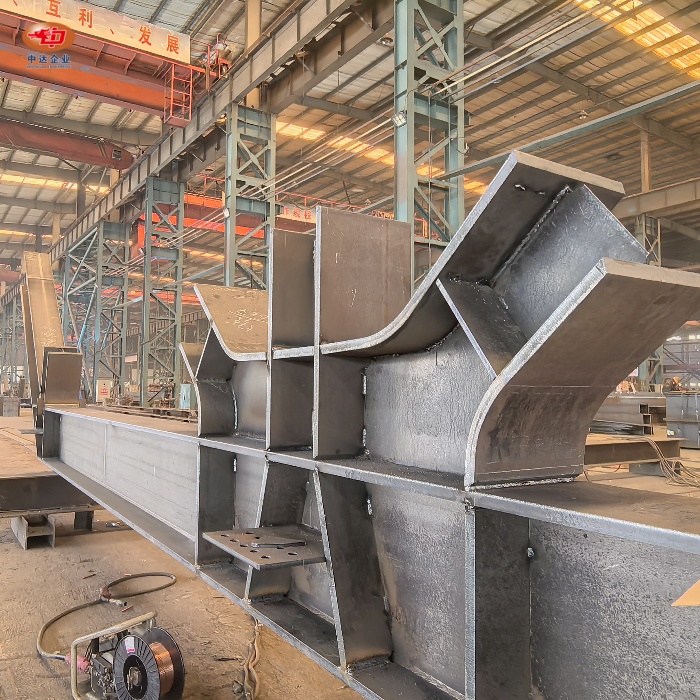
Steel box girders are very different from regular I-beams because they have a closed, hollow cross-section that is made by welding steel plates into a rectangular or trapezoidal shape. This shape makes a structure that can withstand bending forces much better than open sections. This is a very important benefit for curved lines and bridges that have to handle eccentric loads.
Load Behavior and Structural Efficiency
The closed-cell design spreads the loads evenly across all four walls, which stops the buildup of stress in one area that can happen with open-section beams. When environmental or traffic forces work on a bridge deck, the box form spreads the stresses out over several load paths at the same time. This extra safety feature makes the gaps longer without the need for extra supports in the middle. The torsional stiffness (J) of steel box girder sections can be hundreds of times higher than that of I-beams of the same weight. This lets shapes be made that would need complicated cross-bracing systems otherwise.


Material Selection and Metallurgical Standards
Steel box girder systems that work well are built on high-performance structural steels. At Zhongda, we mostly use Q345D steel (yield strength ≥345 MPa) for our main structural parts. This makes sure that they work well under both dynamic and steady loads. Q420D steel is used in high-stress parts and critical connection zones to provide extra power where it's needed most. These materials meet foreign standards like ASTM A709, EN 10025, and GB/T, which means they are compatible with engineering rules around the world. Steel's chemical makeup and controlled rolling processes make it easy to join and tough at low temperatures, which is important for buildings that need to work in a range of climates, from the Arctic to tropical humidity.
Corrosion Protection Systems
Corrosion prevention is very important for durability. Our two-layer protection method uses zinc-rich primers and hot-dip galvanizing or high-performance epoxy spraying to make barriers that last longer than 30 years, even in harsh sea or industrial settings. This method gets rid of the care problems that come with painting over and over, especially inside small steel box girder sections that are hard to get to. Weathering steel choices lower lifetime costs even more by creating a stable, self-renewing oxide layer that covers the metal below without the need for extra coatings.
Steel box girders are stronger and lighter than concrete girders—they are usually 40–50% lighter for the same load ratings. This means they don't need as much support on the base and are less likely to be damaged by earthquakes. Compared to I-beams, the closed section offers superior torsional stiffness without the need for extra support. This makes building easier and improves the look of the structure with clean, uncluttered lines.
Types and Applications of Steel Box Girder Bridges
Knowing the different layouts makes it easier to find building solutions that fit the needs of the project, the area, and the traffic needs.
Single-Box and Multi-Box Configurations
Single-box designs put all the supporting material into one big hollow piece. They work well for medium-span bridges (50–150 meters) where ease and low cost are important. Multi-box configurations use several parallel steel box girder units to spread the weight over wider decks that are better for roads with multiple lanes or rail lines. This modularity lets you make changes—adding or taking away steel box girders changes the system's ability without having to rethink the whole thing. Composite steel box girders combine steel webs with concrete deck slabs. This combines the tensile strength of steel with the compression strength of concrete, making the best use of materials and lowering the total weight.
Long-Span Highway and Urban Infrastructure
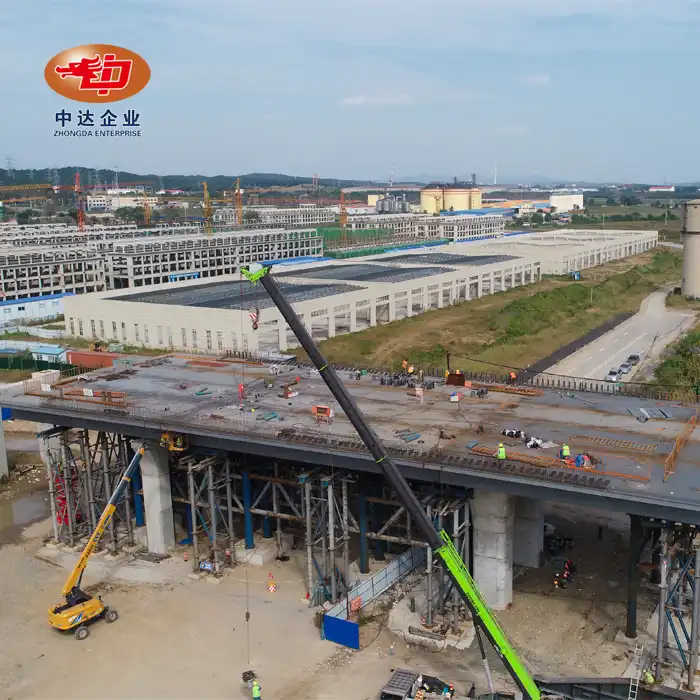
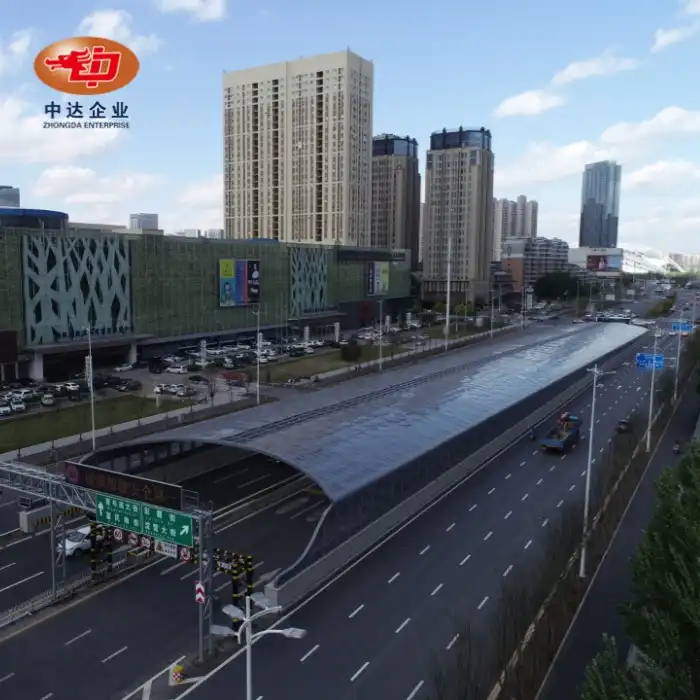
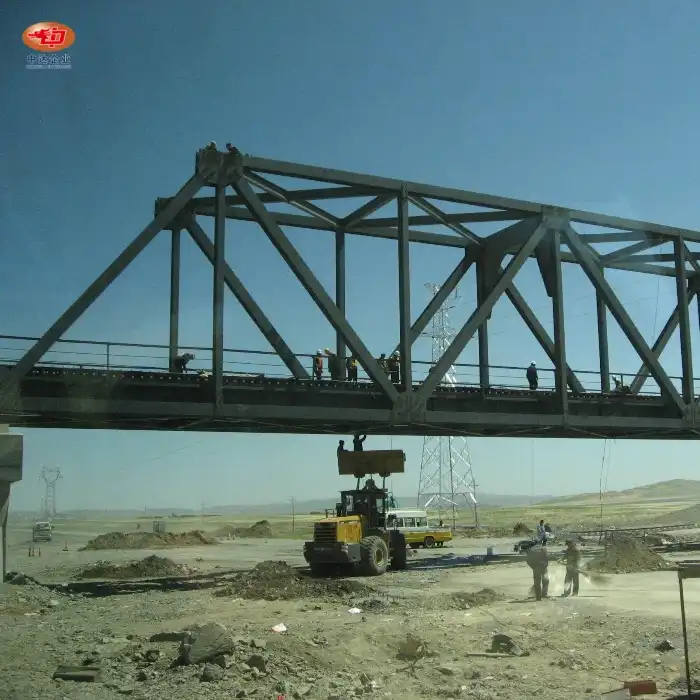
The torsional strength of steel box girders is very helpful for highway interchanges with tight bends. When cars go up and down ramps, they create centrifugal forces that make beams unstable. But, steel box girder sections naturally handle these pressures. In busy city areas, urban overpasses use prefabricated steel box girder pieces to keep things running smoothly. Crews put together spans while roads are closed overnight, reopening them for morning rush hour. For railway viaducts, especially high-speed rail lines, fatigue resistance and vibration damping must be very high. The enclosed shape absorbs energy and lowers noise transfer, which is very important for paths that go through residential areas.
Prefabrication and Accelerated Construction Methods
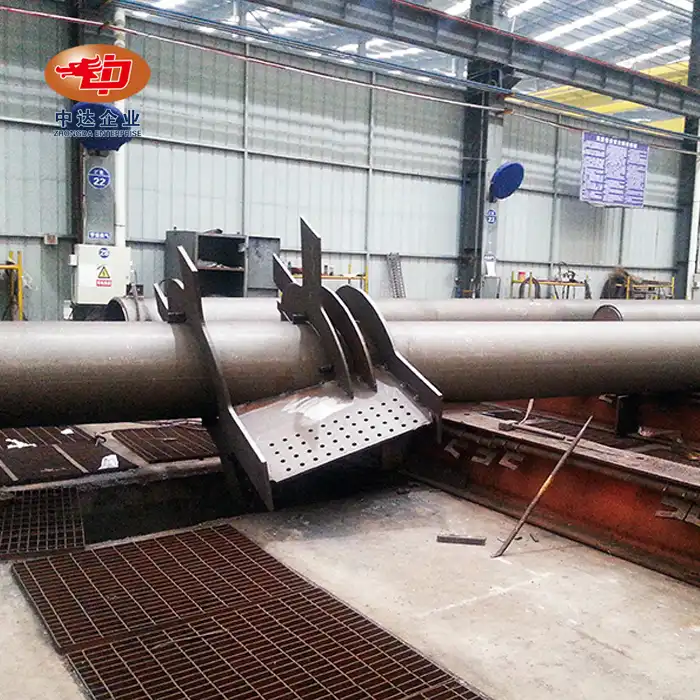
Modern methods for making things change how long projects take. We make steel box girder segments that are 12 to 30 meters long in a controlled factory setting. This allows for precise welding, thorough quality checks, and regular anti-corrosion treatments that aren't possible on job sites that are open to the elements. These sections are brought to the site by specialized trucks or barges, where they are quickly put in place by cranes on docks. This flexible method cuts the time needed to build something on-site by about half. This cuts down on traffic jams, delays caused by bad weather, and the cost of labor. Accelerated Bridge Construction (ABC) methods that use prefabricated steel box girders have become commonplace on important traffic routes where long closures would be bad for business.
Procuring Steel Box Girders: Trusted Suppliers and Custom Solutions
To work with foreign supply lines, you need to know what makes a manufacturer reliable and a seller unreliable.
Identifying Qualified Manufacturers
Leading providers of steel box girder run operations that are vertically merged, which means that they optimize designs, cut precisely, join automatically, and put everything together. Production capacity is important—annual outputs of more than 50,000 tons show that the company has the infrastructure and workers with the knowledge to handle big projects. Certifications are concrete proof of quality systems. For example, ISO 9001 proves process control, EN 1090 proves structural welding skill, and AWS certifications prove welder qualification. References from finished projects, especially ones that are similar to yours, can tell you a lot about how well a seller performs in the real world.
Our 120,000 m² plant at Zhongda has CNC ultra-thick plate cutting equipment that can achieve ±0.2mm tolerances. This makes sure that the sizes are exact, which is important for fitting prefabricated steel box girder segments together. Our 60,000-ton annual capacity lets us work on multiple big projects at the same time without affecting supply dates. China Railway, CSCEC, and international EPC firms trust us to do a good job, as shown by the 18,000-ton Shenyang Dongta Cross-Hunhe River Bridge and other important international infrastructure projects.
Customization and Technical Collaboration
By changing beam heights (1.25-8 meters at Zhongda) to match moment maps along span lengths, variable cross-section designs make the best use of materials. With corrugated web technology, the weight can be cut by up to 20% without affecting the strength. This lowers the cost of shipping and the load on the base. Steel box girders are useful for crossing tricky areas where intermediate piers can't be used because of narrow waterways, sensitive areas for the environment, or natural limitations. Their longest single span can reach 420 meters. BIM-based design integration makes sure that manufacturing models exactly match what engineers wanted, so there are no expensive changes to be made in the field. Throughout the lifecycle of a project, responsive technical help fixes problems that came up out of the blue, keeping the project moving toward its completion goals.
Logistics and Cross-Border Procurement
When you work on an international project, things like shipping, import regulations, and paperwork can get complicated. Experienced providers handle all of these details, making sure that containers are loaded so that the weight is spread out evenly, that oversize parts are transported in the right way, and that full paperwork packages are made that meet the needs of the target country. Knowing Incoterms makes it clear where risks are transferred and who is responsible for costs, which stops disagreements before they happen. Customs dealers who know how to classify structural steel items speed up clearances, which keeps costs low and schedules on track. Adequate packaging protects against damage during transport; steel cradles, protective wraps, and securing systems designed for the journey make sure that the goods arrive in a state that is ready to be assembled.
Conclusion
Steel box girders are an established, dependable technology that can handle the toughest building problems. Their better torsional stiffness, good strength-to-weight ratios, and ability to adapt to complicated shapes make them the best choice for long-span bridges, curved interchanges, and situations where building needs to be done quickly. Engineers and purchasing managers can safely define and source these parts if they understand design principles, application details, and purchase strategies. Lifecycle cost benefits, low upkeep needs, and proven durability make original investments worthwhile, providing decades of safe, reliable service. As the need for infrastructure around the world grows, working together with qualified manufacturers becomes more important. This is because they can provide access to cutting-edge manufacturing technologies and quick technical help that turn ambitious plans into working systems.
FAQ
What advantages do box girders offer over concrete girders for long-span bridges?
Steel box girders are 40–50% lighter than their concrete counterparts of the same load capacity. This makes base costs and earthquake forces much lower. This weight advantage is very important for spans longer than 100 meters, since concrete's own weight makes them impractical. With cast-in-place concrete, it's hard to keep an eye on quality, but prefabrication lets you, and it speeds up building by letting you put together segments quickly.
How long does fabrication and delivery typically take for custom box girder projects?
Fabrication times rely on how complicated the job is and how many items are ordered. Standard designs for medium-span bridges usually need 8 to 12 weeks from the time the plans are accepted until they are delivered. It can take 16 to 20 weeks to finish big, complicated jobs that use specialty steels or cross-sections that change. Getting suppliers involved early on in the planning process helps keep schedules on track by making sure that fabrication steps match up with site readiness.
What maintenance challenges should bridge operators anticipate?
Coating quality and connection point checks are the main things that need to be looked at. Coastal or industrial settings speed up the coating's wear and tear, so it needs to be touched up or recoated every 15 to 25 years, based on the quality of the original system. Maintenance on bearings, like cleaning and replacing, is done according to the manufacturer's instructions, usually every 10 to 15 years. Inspections inside the steel box girder verify that drainage systems keep water from building up, which is the main reason why sealed parts rust so quickly.
Partner with Zhongda for Superior Box Girder Solutions
Zhongda is ready to help you reach your infrastructure goals with its world-class designing and steel box girder manufacturing. We are a certified steel box girder seller with ISO 9001/14001/45001, EN 1090, and AWS credentials. We make solutions that are precisely made to meet the needs of your project. Our 60,000-ton yearly capacity, -60°C weathered steel technology, and BIM-driven design integration make sure that we can deliver on time without sacrificing quality. Get in touch with our technical team at Ava@zd-steels.com to talk about custom manufacturing prices, look through our large project portfolio, and learn how the benefits of ordering in bulk can help you save time and money on your purchases. Trust Zhongda's 20 years of performance history, which includes building bridges in the Arctic and industrial hubs in the tropics, to improve your construction results and ensure long-term structural success.
References
Chen, W.F. & Duan, L. (2014). Bridge Engineering Handbook: Construction and Maintenance. CRC Press, Boca Raton, Florida.
American Association of State Highway and Transportation Officials. (2020). AASHTO LRFD Bridge Design Specifications (9th Edition). Washington, D.C.
European Committee for Standardization. (2006). Eurocode 3: Design of Steel Structures – Part 2: Steel Bridges (EN 1993-2). Brussels, Belgium.
Taly, N. (2014). Highway Bridge Superstructure Engineering: LRFD Approaches to Design and Analysis. CRC Press, Boca Raton, Florida.
Troitsky, M.S. (2019). Steel Box Girder Bridges: Design Guides and Methods. Structural Engineering International, Vol. 29, Issue 4, pp. 512-528.
Xanthakos, P.P. (2018). Theory and Design of Bridges: Volume II – Steel and Steel-Concrete Composite Bridges. John Wiley & Sons, Hoboken, New Jersey.
YOU MAY LIKE
_副本_1755847551541.jpg "steel portal frame building")
_副本_1754115287719.jpg "Galvanized Steel Column")