Practice Design of Steel Box Girder
2026-04-16 09:28:37






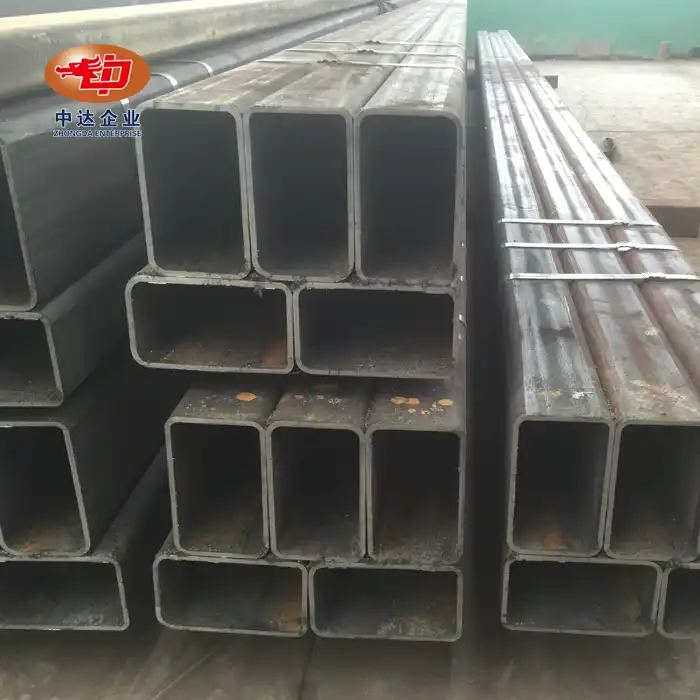
The practice design of steel box girders is an important area of engineering that has a direct effect on the results of building projects all over the world. A steel box girder is made up of hollow, rectangular steel sections that are made by connecting top and bottom flange plates to two vertical web plates. This makes a closed structural element that is very good at distributing load and preventing twisting. This enclosed configuration is better at resisting twisting forces than traditional open sections like I-beams. This makes it essential for long-span bridges, curved highway interchanges, and complex transit infrastructure where structural integrity and aerodynamic performance are very important.
Introduction to Steel Box Girders and Their Critical Role in Modern Engineering
Steel box girders are now used in many large building projects in the US and around the world. Their hollow, box-shaped cross-section makes a closed cell that changes the way loads move through the building in a basic way. These girders effectively spread weight along their length when cars drive over a bridge. At the same time, they fight the torsional forces that would cause traditional beam designs to twist.
The flexibility of these structural parts solves a number of technical problems at the same time. Steel box girders are used by bridge builders to build bridges over rivers, canyons, or busy urban areas because they can support spans of any length, from 50 meters for small crosses to 420 meters for long ones. The enclosed form also gives utilities, inspection paths, and maintenance access room inside, which is very useful for infrastructure assets that are used for many years.


As worries about long-term performance and building efficiency grow, bridge engineers are turning more and more to steel box girder solutions. Both government organizations and private developers know that the original costs of materials are only a small part of the total costs of ownership. These prefabricated steel box girders are perfect for modern procurement strategies because they last longer, need less maintenance, and can be built faster. This is especially true when projects need to keep traffic to a minimum or finish quickly.
Fundamental Design Principles of Steel Box Girders
To get the best performance out of a steel box girder, you need to think carefully about structure physics, material choice, and following the rules. The first step in the design process is a full load capacity study that takes into account impact forces, live loads (like traffic and people walking on the building), and environmental loads (like wind, earthquakes, and changes in temperature). Engineers have to make sure that the cross-section they choose can handle all of these demands while still staying within the serviceability limits that stop the structure from deflecting or vibrating too much.
Structural Considerations for Load Capacity and Stress Distribution
Stress is spread out in steel box girders in expected ways that help with physical optimization. Under normal load, the top and bottom flanges mostly resist bending moments, with the top flange resisting compression and the bottom flange resisting tension. The web plates help make the part stiffer overall by resisting bending forces. The thickness of the material is carefully changed across the girder. Areas with high stress, like near supports or in the middle of the span, need thicker plates, while areas with lower stress can use thinner plates to save weight without sacrificing safety. We use Q345D steel (yield strength ≥345 MPa) as our main structural material at Zhongda. Q420D steel is only used for highly stressed joint links and important load-bearing surfaces. This combination of materials strikes a good mix between low cost and steady performance in a wide range of environmental circumstances.
Comparative Analysis: Box Girders vs. Alternative Structural Systems
When procurement workers look at different building choices, they need to consider more than just costs. Steel box girders are much more rigid than I-beams when it comes to rotational stiffness. This means that you don't need complicated side bracing systems that make building things more expensive and harder to do. The closed part is more aerodynamically stable than T-beams, and it keeps the inside areas from being exposed to the outside world. When it comes to certain span ranges, concrete box girders perform comparably, but they put a lot more dead weight on the supports, which makes them more vulnerable to earthquakes and raises the cost of the substructure. Steel box girders also allow for quick construction through prefabrication. Parts made in controlled factory settings arrive at the job site ready to be put together quickly, which can cut the time needed for construction by up to 50% compared to options made of cast-in-place concrete.
Compliance with International Design Standards
Following the rules is the basis of good engineering practice. The Load and Resistance Factor Design (LRFD) Bridge Design Specifications from the American Association of State Highway and Transportation Officials (AASHTO) set the rules for most projects in the United States. They include safety factors, load ratios, and design methods. For European projects, Eurocode 3 (EN 1993) is used as a guide. It gives similar advice that is tailored to European building standards and methods. Zhongda's production methods are certified to ISO 9001, EN 1090, AWS D1.5 (Bridge Welding Code), and other quality standards that are known around the world. This wide range of certifications makes sure that the girders we make in Shenyang meet or go beyond the standards for projects all over the world. This makes it easier for them to be used in multi-country building projects.
Construction and Fabrication Process of Steel Box Girders
From the raw steel plate to the fixed bridge girder, there are a lot of complex manufacturing steps that affect the quality of the end product. Knowing about these steps of creation helps procurement workers figure out what suppliers can do and how long a project will take.
Material Selection and Corrosion Protection Systems
Steel box girders are built to last with high-strength structural steel as their base. Load-bearing capacity, weldability, and resistance to brittle fracture at low temperatures are all affected by the chemical makeup and mechanical qualities of materials like Q345D. This is a very important thing to think about for infrastructure in northern regions. When it comes to long-term performance, choosing the right rust protection may be even more important than choosing the right base material. Our double-protection anti-corrosion system includes advanced spray coatings or hot-dip galvanizing along with extra barrier layers. This gives the system a service life of more than 30 years, even in harsh naval or industrial settings. This method stops the expensive repairs and structural damage that happen to steel buildings that aren't properly secured, giving infrastructure owners real lifecycle value.
Precision Fabrication: Cutting, Welding, and Assembly
Modern steel box girders are made with computer-controlled machinery that can reach standards that are impossible to reach with hand-made methods. Our 120,000-square-meter building has CNC ultra-thick plate cutting tools that cut steel plates with an accuracy of ±0.2mm. This makes sure that when the parts are put together, they fit together perfectly. This level of accuracy cuts down on field changes and stops the stress builds up that happen when joints aren't lined up right. Then, automated welding systems join the plates together using methods that meet AWS standards. There are also systems that check the depth of entry, the shape of the beads, and the amount of heat going into the plates all the time. Before girders leave the plant, non-destructive testing like ultrasound examination, magnetic particle inspection, or radiographic testing are used on each major weld to make sure the structure is sound. Instead of finding problems during the final review or, even worse, while the product is in use, our quality control procedures find possible flaws early on, when they are easy to fix and don't cost a lot of money.
Transportation, Logistics, and On-Site Installation
Because of how they are built, steel box girders create unique transportation problems that need careful planning. Usually, manufactured pieces are between 12 and 30 meters long, but custom sizes can be made to fit the shape of a project. Our engineering team works with transportation experts to find the best section size that combines the speed of production, shipping limitations (such as road width restrictions, bridge clearances, and turning radii), and the capacity of the erection crane. Whether they are being moved by truck, train, or barge, girders are kept safe during transport with custom-designed cradles and bracing systems. When segments come properly prepped, installation goes quickly—lifting lugs, temporary bracing connections, and alignment goals are built in during fabrication. Compared to traditional methods, this prefabrication method cuts down on the need for field labor and delays caused by bad weather, shortening total building plans by 20 to 30 percent. Building big infrastructure projects like our 18,000-ton Shenyang Dongta Cross-Hunhe River Bridge shows that careful coordination between plant production and field erection leads to good results.
Procurement Guidance and Trusted Supplier Selection
To get things bought quickly and easily, you need to know how prices work, what factors affect lead times, and how to evaluate suppliers in a way that tells you which ones are reliable and which ones are troublesome.
Understanding Pricing Models and Lead Time Factors
The cost of buying steel box girders depends on more than just the price of the raw materials. Fabrication complexity has a big effect on the amount of work that needs to be done. For example, simple girders with a constant section require less planning and setup time than designs with varying depths and curved shapes. Through economies of scale, the number of units sold affects the price per unit. Because of setup costs and production learning curves, multi-span bridges can be priced higher than single-span structures. The lead time depends on how busy the maker is, how much material is available, and how much technical work is done. Lead times for big projects are usually between six and twelve months, from placing the order to delivering the first section. We can meet tight deadlines without sacrificing quality because we can produce 60,000 tons of steel plates every year and have built supply chains for Q345D and Q420D plates. Early involvement in design development is good for procurement professionals because it gives fabricators a chance to give feedback on how well the design will work and secures production slots before plans get tight.
Criteria for Assessing Supplier Reliability and Certification
When qualifying a supplier, you should look at more than one aspect of the organization's abilities. Quality certifications give you basic peace of mind. For example, ISO 9001 certification proves that quality management systems are recorded, and EN 1090 certification directly addresses the competence of structural steelwork construction. Referrals to past projects can show how well a maker has done in the past. Talking to former clients can also show if they keep their promises about meeting deadlines, handling problems in the field, and maintaining quality across production runs. Many buying pros don't realize how important it is to be financially stable. Fabricators who are having trouble with cash flow may skimp on quality inputs or have trouble keeping enough staff on hand, which can hurt the results of the project. Our Class I Steel Structure Professional Contracting Qualification and 20 years of constant operation give you peace of mind about the security of our organization and our technical skills.
The Value of Technical Support and After-Sales Service
A supplier's relationship with a client goes far beyond just delivering goods. Full expert support during the planning process helps make the structure as efficient and easy to build as possible. During fabrication, regular reports on the progress and quality paperwork help build trust by being clear. Post-delivery support answers the expected questions that come up in the field, like clarifying connection details, adjusting the order of things, and getting approval for small changes. This makes sure that the building project moves along smoothly. Throughout the lifecycle of a project, we stay committed to partnership. Our engineering teams are always available to answer concerns, check on field conditions, and work with you on solutions when site realities vary from plan assumptions. We've honed our responsive support attitude by working with global EPC firms on projects from Russia to Vietnam. It shows that we know that the success of our clients is what makes our own image and future opportunities possible.
Conclusion
Steel box girder practice design is a complex area of engineering that has a direct effect on the performance, cost-effectiveness, and long-term viability of building projects. From basic design rules that tell you which materials to use and how to make things as small as possible to processes that require precise manufacturing and quality control, every choice you make affects the end result. If procurement professionals know about these technical issues, know that lifecycle cost analysis is more useful than original price comparisons, and choose suppliers based on proven capability instead of lowest bid, their projects are more likely to succeed. With their advanced materials, protective systems that last for more than 30 years, and prefabrication techniques that shorten construction times, steel box girders are the best choice for demanding bridge and infrastructure uses in a wide range of industries and climates around the world.
FAQ
What factors determine the load capacity of steel box girders?
Several factors affect the load capacity, including the cross-sectional measurements (height, width, and plate thickness), the material yield strength (Q345D gives a minimum of 345 MPa), the effective span length, and the conditions of control at the supports. It's easy for the closed box shape to handle both bending and twisting loads. To figure out its capacity, use the AASHTO LRFD or Eurocode 3 methods, which take into account local buckling, lateral-torsional buckling, and combined stress states. Our engineering team uses detailed finite element analysis to check the structure's ability under specific loading conditions for each project. This makes sure there are enough safety gaps while also making the best use of materials.
How does box girder maintenance compare with concrete bridge systems?
When properly protected against corrosion, steel box girders usually need less upkeep than concrete buildings. Our double-layer protection method greatly extends the time between coatings. In contrast, concrete bridges usually need to have their decks replaced, joints fixed, and cracks sealed on a regular basis. Access for inspection within box girders makes it easier to look closely at important areas, while it can be hard to thoroughly check the inside of a concrete box. When true traffic management costs and service life increases from timely actions are taken into account in economic analysis, steel tends to have lower lifecycle maintenance costs.
Where can I source certified box girder suppliers for international projects?
To find suitable providers, you need to check their applicable certifications (ISO 9001, EN 1090, AWS), look at similar project experience, and evaluate their technical skills, such as their ability to help with design and their quality assurance systems. Our manufacturing facility has all the major foreign certifications and has shipped parts to projects on six countries without any problems. Professionals in procurement who are looking for dependable steel box girder makers who can meet tight deadlines and strict specs are welcome to contact us.
Partner with Zhongda for Superior Steel Box Girder Solutions
Zhongda is ready to help you with your next big building project by providing high-performance steel box girder options that are tailored to your needs. Our vertically integrated skills, which include BIM-driven design optimization, precision manufacturing, and building support, make sure that big, complicated projects go off without a hitch. Our advanced -60°C weathering steel technology, 60,000-ton annual capacity, and performance on major buildings like the 18,000-ton Shenyang Dongta Bridge show that we can give your project the quality and dependability it needs. As a reliable steel box girder provider that serves customers around the world, we invite you to discover the benefits of working with a partner dedicated to engineering greatness. Email our team at Ava@zd-steels.com to talk about how our custom manufacturing services, reasonable pricing, and expert technical support can help you finish your project faster while still ensuring that the infrastructure is of high quality and lasts for a long time.
References
Chen, W.F. & Duan, L. (2014). Bridge Engineering Handbook: Construction and Maintenance, 2nd Edition. CRC Press, Boca Raton, Florida.
American Association of State Highway and Transportation Officials (2020). AASHTO LRFD Bridge Design Specifications, 9th Edition. Washington, D.C.
European Committee for Standardization (2006). Eurocode 3: Design of Steel Structures - Part 2: Steel Bridges (EN 1993-2). Brussels, Belgium.
Wolchuk, R. & Mayrbaurl, R.M. (1980). "Proposed Design Specifications for Steel Box Girder Bridges." Federal Highway Administration Report FHWA-TS-80-205, U.S. Department of Transportation.
Taly, N. (2003). Design of Modern Steel Railway Bridges. McGraw-Hill Professional Engineering, New York.
Galambos, T.V. (1998). Guide to Stability Design Criteria for Metal Structures, 5th Edition. John Wiley & Sons, New York.
YOU MAY LIKE
_副本_1757053936097.jpg "building structure")
_副本_1754117267235.jpg "Hdg Steel Plate")