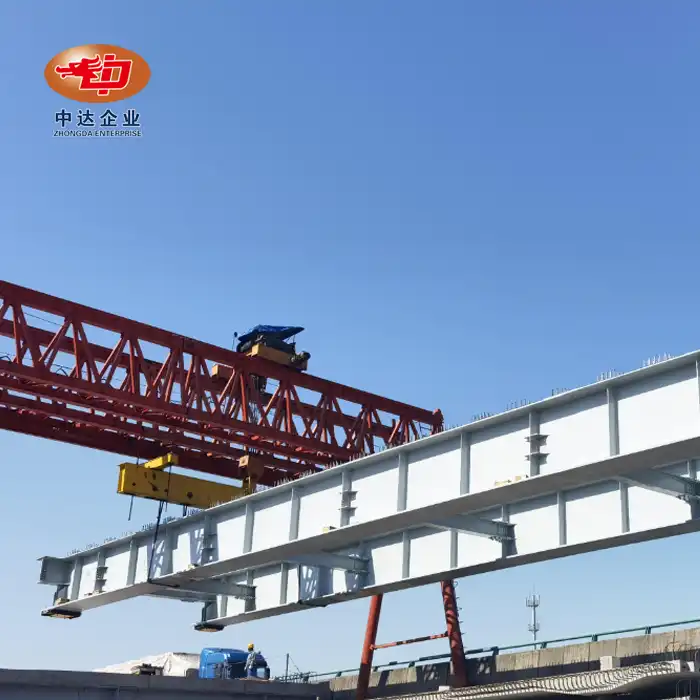
Coastal Zone Steel Bridges: Design and Corrosion Control
2026-04-01 16:31:33






Coastal zone steel bridges face extraordinary challenges that distinguish them from inland structures, requiring specialized design approaches and advanced corrosion control strategies to ensure longevity and safety. When saltwater exposure meets high humidity and persistent wind conditions, these environmental stressors create aggressive corrosive atmospheres that can significantly compromise structural integrity over time. Understanding the unique demands of marine environments becomes essential for engineers, procurement managers, and project stakeholders involved in coastal infrastructure development, as proper material selection and protective measures directly impact both operational safety and long-term cost efficiency in bridge construction and maintenance.
Understanding Coastal Zone Steel Bridges
When placed near the coast, steel bridges have to deal with a lot of different natural factors that make their construction more difficult. The climate in the ocean has many toxic substances that work together to break down structures much faster than they do in land-based infrastructure.
Environmental Stressors in Marine Environments
In seaside areas, saltwater exposure is the main thing that can damage steel bridges. When air, salt spray, and water come together, they make an electrolytic condition that speeds up corrosion. The chloride ions in seawater can get through protective layers and attack steel surfaces directly. This speeds up the rusting process and can weaken structures in years instead of decades.
High humidity levels make these problems worse by keeping steel surfaces wet all the time. While buildings in the middle of nowhere go through stages of drying out, seaside bridges are always wet, which stops the natural corrosion inhibition that happens when metal surfaces dry out completely. This constant wetness makes the conditions perfect for electrical reactions that drive rusting.
The way the wind blows along the coast can make things even more complicated because it can carry salt particles far inland. Strong winds along the coast can take salt spray several miles away from the shore, damaging bridges that look like they are safe from direct water contact. These air particles land on steel surfaces and start to rust in small areas that slowly spread outward.
Types of Corrosion Affecting Steel Structures
Knowing how specific types of rust work helps procurement workers decide what kind of protection is best. When chloride ions get through protection layers and make small, deep holes in steel surfaces, this is called pitting corrosion. These holes focus stress and can cause cracks to spread, which weakens the structure.
In places where water gets stuck between steel parts or under protective layers, crevice rust happens. This kind of degradation is easy to do when there are joint links, bolt holes, and plates that meet. When different metals come into touch with each other and there is wetness around, galvanic corrosion happens. This creates an electrical current flow that speeds up the loss of material.
These patterns of corrosion have a big effect on the robustness of infrastructure because they lower the amount of weight that it can hold and make upkeep more difficult over time. By knowing about these risks, B2B buying clients can choose materials that don't rust and protection solutions that work with the environmental problems that exist where their projects are located.
Steel Bridge Design Principles Tailored for Coastal Environments
To make good steel bridge designs for coastal uses, you need to know a lot about structure efficiency, environmental engineering, and material science. When something is designed, it has to meet both short-term performance needs and long-term reliability standards in harsh marine circumstances.


Material Selection and Protective Coatings
Corrosion-resistant metals are the building blocks of good seaside bridge design. Weathering steels, which are also called weather corrosion-resistant steels, form protective oxide layers that stop rust from getting worse. Copper, chromium, and nickel are added to these elements to make them more resistant to marine conditions.
In important places like bearings, expansion joints, and link tools, stainless steel parts are better at resisting corrosion. Stainless metals have chromium in them, which makes a passive oxide layer that protects very well against chloride attack. Duplex stainless steels are very strong and don't rust, which makes them perfect for naval uses where parts are put under a lot of stress.
Protective covering methods keep steel surfaces from coming into contact with surroundings that are likely to rust. Multi-layer coating systems usually have zinc-rich bases that protect against galvanic corrosion, middle coats that make the barrier qualities better, and topcoats that don't break down in UV light or get damaged by mechanical forces. These systems need to be carefully specified based on how long they are expected to last and how easy they are to maintain.
Structural Design Features
Drainage systems that work well keep water from building up on bridge surfaces and inside structural parts. The right slope design makes sure that water runs off quickly, and carefully placed drainage holes let water that has been trapped in closed areas escape. Enough airflow helps the flow of air, which dries out surfaces and stops mist from forming.
When used in coastal settings, connection details need extra care. Welded connections don't have cracks that let water in, but fixed connections need to be properly sealed and have tools that won't rust. Access options make it possible to check and fix important parts of the building thoroughly over the course of its life.
Bridge Type Comparison for Marine Environments
There are different types of bridge designs that are better or worse for use along the coast. Beam bridges have a simple shape that makes them easier to check and maintain, and their low profile makes them less vulnerable to wind loads. By putting structural elements in easy-to-reach places, cable-stayed designs limit the amount of steel that is exposed to coastal conditions.
Truss designs make good use of room and links, but they also create a lot of closed areas that make it harder to protect against corrosion. When built correctly, arch buildings can last a very long time because their load paths are controlled by compression, which lowers stress concentrations that speed up corrosion.
Corrosion Control Strategies and Maintenance Best Practices
Comprehensive rust management programs use both preventative and corrective repair plans to make sure that equipment lasts as long as possible while keeping costs low. These strategies need to take into account both choices made during the planning phase and ongoing operational needs throughout the lifecycle of the bridge.
Protective Coating Selection and Application
Galvanization protects strongly against rust by using zinc layers that protect the steel underneath even if the coatings get broken. Spray-applied zinc doesn't cover as well as hot-dip galvanizing, especially on complicated shapes and connection details. The zinc covering doesn't rust like steel does, so it protects for longer in marine settings.
When used correctly, epoxy coating methods provide great chemical protection and barrier qualities. To get the best performance from these coatings, the surface must be carefully prepared and the treatment conditions must be carefully managed. When properly kept, multi-coat epoxy systems can protect for more than twenty years.
In the electrochemical corrosion process, cathodic protection devices make steel surfaces anodic with electricity. This stops rust. These systems work especially well on steel parts that are underground or covered in water, where regular coatings could damage the metal.
Maintenance Protocols and Inspection Techniques
Regular inspections make it possible to find rust early on, before it does a lot of damage to the structure. Visual checks find flaws in the coating, rust spots, and obvious corrosion damage. Non-destructive testing methods, on the other hand, find problems that are hidden, like section loss and crack growth.
Ultrasonic thickness readings give a good idea of how thick the steel is that hasn't been rusted yet. Magnetic particle tests can find cracks on the surface that you might not be able to see with the naked eye. These methods help maintenance teams decide which repairs to do first and when to do the big ones.
Corrosion control systems that work well show how important it is to be mindful about maintenance. As an example of good coastal bridge design, the Confederation Bridge that connects Prince Edward Island to the rest of Canada is made of weathering steel, has full drainage systems, and follows strict maintenance procedures that have kept the structure strong since 1997, even though it is exposed to harsh marine conditions.
Procurement Considerations for Coastal Zone Steel Bridges
Finding steel bridges for seaside uses means carefully examining the supplier's skills, the needs of the project, and long-term operating factors. The process of buying something has to weigh up the original costs against the long-term value, all while making sure that the rules and standards are followed.
Supplier Evaluation Criteria
When looking at possible suppliers, it's important to find ones that have worked on coastal building projects before. Companies that have done well in marine settings know the unique problems that come up and have come up with good answers through experience. When reviewing a portfolio, similar projects with success records over several years should be included.
Relevant licenses show that you are committed to quality management and have the technical skills to do your job. The ISO 9001 quality management certification makes sure that production processes are done in a planned way, and the EN 1090 certification covers the specific standards for putting together structure steelwork. Environmental management certificates show that a provider is aware of issues related to sustainability.
When used along the coast, where stock designs may need to be changed to fit the conditions of the spot, the ability to customize becomes even more important. Suppliers who have their own engineering teams can make plans work better in the local climate and effectively incorporate specific corrosion protection measures.
Cost Factors and Budget Planning
Adaptations for coastal areas usually make the original project cost more because they need better materials, special finishes, and more design rules. But these investments pay off in a big way because they lower upkeep costs and make things last longer. A lifecycle cost study should look at the costs of building something from the ground up, keeping it in good shape, and the cost of replacing it in the future.
Corrosion control methods have big costs that change depending on how bad the environment is and how well you expect them to work. Premium coating systems and metals that don't rust raise the cost of materials but make upkeep easier over time. The total cost of ownership should be taken into account when making a budget, not just the initial purchase costs.
Fabrication and Installation Considerations
Being able to do manufacturing locally can help with getting projects done and providing ongoing assistance. Being close to project areas cuts down on traveling costs and makes it easier to work together during the building stages. A lot of the time, local providers know more about the rules and regulations in their area than rivals from farther away.
Controlled production settings and standard methods make prefabrication better for quality. When compared to working in the field, shop manufacturing makes it easier to prepare surfaces and apply coatings. However, shipping restrictions may mean that design changes need to be made to account for these restrictions when moving big structural parts.
Future Trends and Technology in Coastal Steel Bridge Construction
New technologies and materials are always opening up more options for designing steel bridges and coming up with new ways to solve old problems. These new developments look like they will make marine infrastructure systems work better, need less upkeep, and last longer.
Advanced Materials and Protective Systems
Advanced metallurgy is used in next-generation corrosion-resistant metals to make them work better in harsh settings. Super-duplex stainless steels are very strong and don't rust, so they can be used in smaller sections and for longer periods of time. The higher starting prices of these materials are justified by the fact that they require much less maintenance.
Smart protective layers have sensors and the ability to fix themselves, which makes them better than regular barrier protection. These coatings can automatically start the repair process when they find damage. This could make the coating last longer and require less upkeep. During regular checks, color-changing indicators let you see if the coating is still intact.
Digital Technologies and Monitoring Systems
Internet of Things sensors let you keep an eye on the state of buildings and their exposure to the world all the time. In real time, these systems keep track of the amount of stress, corrosion, and weather conditions. This lets you know early on when problems are starting to happen. This information is used by predictive analytics to make the best repair schedules and avoid failures that were not predicted.
With digital twin technology, computer models are made that show how a bridge would behave in different situations. These models use real-world performance data to guess what repairs will be needed in the future and see how well different rescue methods work. This feature helps people make better decisions and make the best use of their resources.
Sustainability and Environmental Considerations
As companies try to reduce their effect on the environment while still meeting performance standards, sustainable practices are becoming more and more important in their purchasing decisions. Steel production has less of an impact on the environment when materials are recycled, and protection coatings that are good for the environment get rid of volatile organic chemicals that pollute the air.
New rules and regulations are still changing how businesses work by adding new performance and environmental standards. These changes may be bad for suppliers who stick to old ways of doing things, but they could be good for suppliers who invest in green technologies. When looking at long-term source ties, procurement teams can benefit from knowing about these trends.
Conclusion
For steel bridges in coastal areas to work well and last a long time in harsh sea settings, they need special design methods and thorough corrosion control plans. When exposed to saltwater, high humidity, and wind-driven salt movement, it causes special problems that need careful material choice, protective system design, and preventative maintenance plans. By knowing these needs, you can make smart purchasing choices that balance the original costs with the long-term value of the structure while also making sure it is safe and reliable. New technologies, like improved materials, digital tracking systems, and environmentally friendly building methods, promise to keep making coastal bridges work better.
FAQ
What is the typical lifespan of a steel bridge in coastal environments?
When built and kept properly, steel bridges along the coast usually last 50 to 75 years. In contrast, similar buildings in the middle of the country usually last 75 to 100 years. The shorter life span is because sea environments are harsh, with high humidity and salt spray that speed up the rusting process. These goals can be greatly exceeded, though, if bridges use advanced corrosion protection methods and strictly follow upkeep routines.
Which corrosion indicators require immediate attention?
Important signs of corrosion include rust spots on building surfaces, section loss that is more than 10% of the original thickness, and covering failures that leave bare steel exposed to coastal environments. Cracks that spread out from rusted areas show that the structure might be weak and needs to be looked at right away. Also, any rust that affects main load-bearing parts or link details needs to be looked at right away by an engineer to make sure safety continues.
How do you choose between steel and alternative materials for coastal bridges?
Choosing the right material relies on how long it needs to last, how harsh the climate is, and how much it will cost over its entire life. Steel has great strength-to-weight ratios and can span long distances, which makes it perfect for long-span uses where other materials aren't useful. Concrete is better at resisting rust, but it needs to be cut into bigger pieces and may not last as long if salt gets into it. Fiber-reinforced polymer materials don't rust, but there isn't a lot of information on their strength and long-term success for big infrastructure uses yet.
Partner with Zhongda for Superior Coastal Steel Bridge Solutions
Through our advanced anti-corrosion technology and precise manufacturing skills, Zhongda Steel creates engineered steel bridge solutions that are made to survive the tough conditions of coastal areas. Our ISO-certified factory uses BIM-based design methods and tried-and-true weathering steel technology to make buildings that work better than expected in sea environments. Get in touch with our engineering team at Ava@zd-steels.com to talk about your coastal infrastructure needs and get personalized offers from a reputable steel bridge builder with experience working on projects around the world.
References
American Association of State Highway and Transportation Officials. "Guide Specifications for Design of Bonded FRP Systems for Repair and Strengthening of Concrete Bridge Elements." AASHTO, 2012.
Kayser, J.R. and Nowak, A.S. "Capacity Loss Due to Corrosion in Steel-Girder Bridges." Journal of Structural Engineering, vol. 115, no. 6, 1989.
National Association of Corrosion Engineers. "Corrosion Control of Steel Bridges by Protective Coatings." NACE International Publication, 2018.
Transportation Research Board. "Management of Weather-Related Road Closures on Bridge Structures." National Academies Press, 2019.
Federal Highway Administration. "Corrosion Protection of Steel Bridges: A Guide to Coating Systems and Inspection." FHWA Technical Report, 2020.
International Association for Bridge and Structural Engineering. "Guidelines for Design of Cable-Stayed Bridges in Aggressive Environments." IABSE Structural Engineering Documents, 2017.
YOU MAY LIKE

_1788850251399.png "splicing details for steel beam")