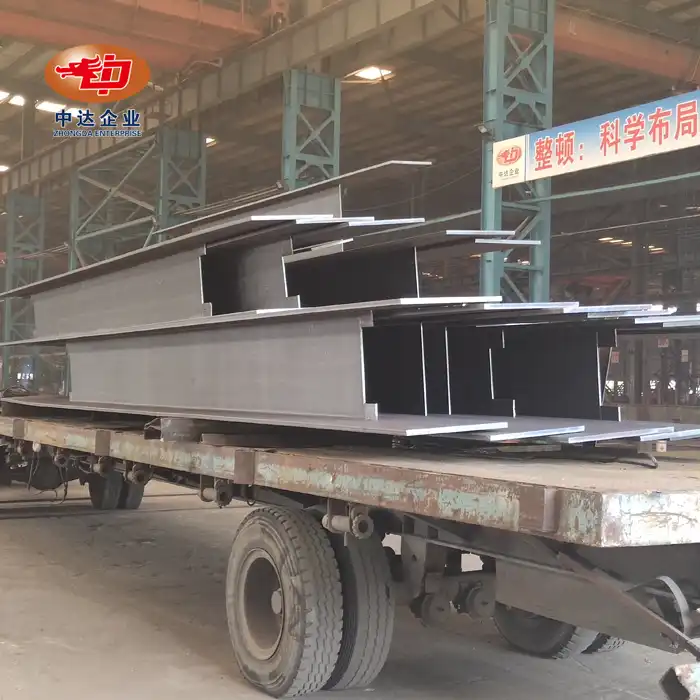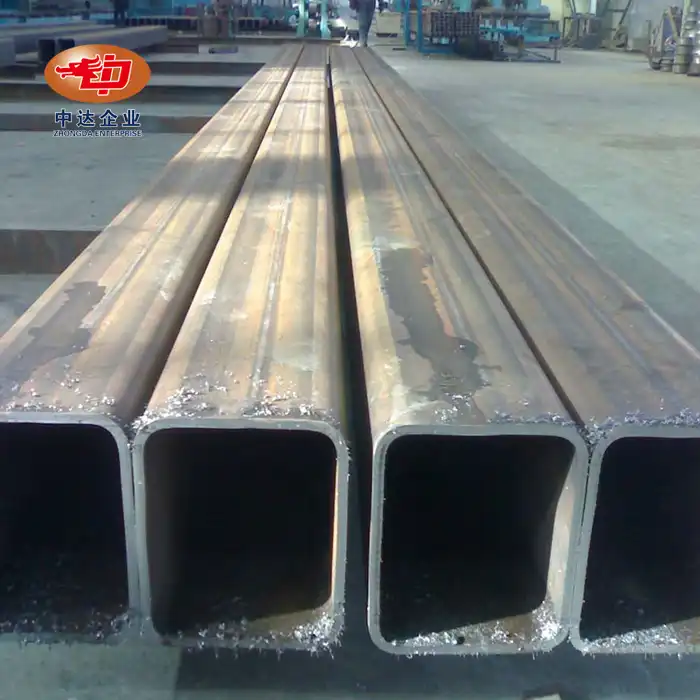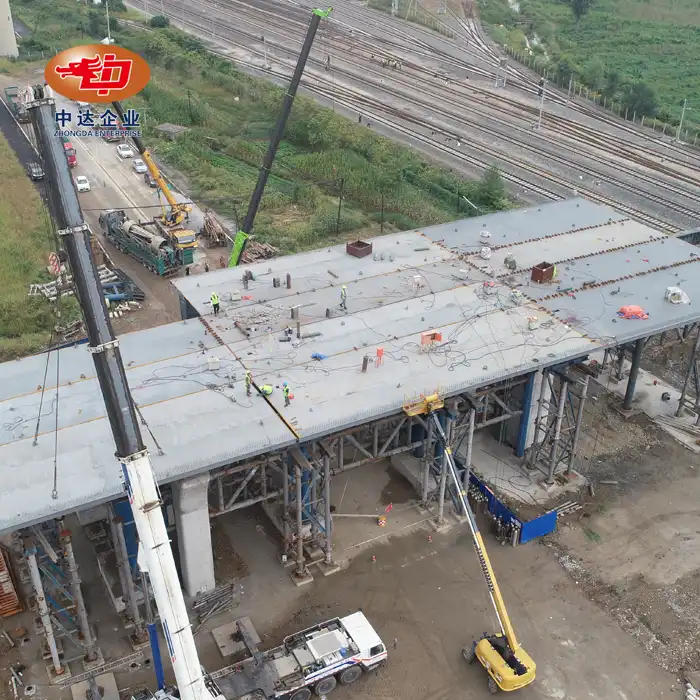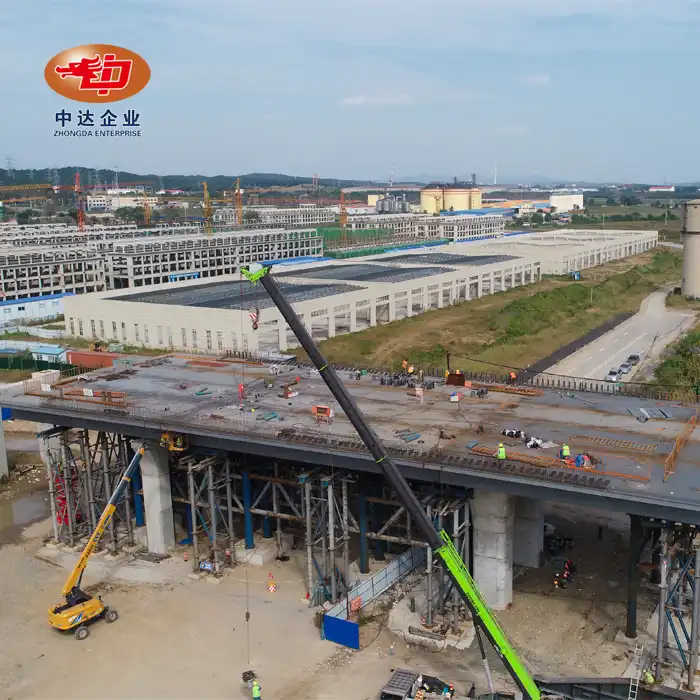






Steel box girders are the most important part of modern bridge building. They are very strong and efficient for long spans used on roads, trains, and city infrastructure. There are many quality problems with these important structure parts that can hurt the success of the project, safety standards, and long-term performance. Understanding common problems and taking steps to stop them from happening guarantees the best results for bridge projects and protects big investments in infrastructure. Bridge girders that aren't made well can need expensive fixes, cause projects to be delayed, and pose safety risks for both building workers and end users.
Understanding Common Quality Issues in Steel Box Girders
When building a bridge, different quality issues can arise that can have a big effect on how well it works and how long it lasts. Material inconsistencies are the main problem, like when low-quality steel types don't meet the required strength levels or have harmful substances that make the building less strong overall. Most of the time, these flaws are caused by poor quality control at the seller level or weak screening methods for new materials.
Material-Related Defects and Their Origins
Changes in the makeup of steel pose major threats to the stability of structures. When makers use steel types that aren't uniform or materials that have too much sulfur, phosphorus, or other flaws, the girders they make may not be strong enough to pull apart and may be hard to join. For high-quality steel box girders, the materials must meet exact standards. The main material used is Q345D steel, which has a minimum yield strength of 345MPa, and Q420D steel is used for important joint connections to make sure the best performance.


Fabrication and Welding Issues
Another big problem with the quality of making bridge girders is that they can have problems with the welding. Some of the most common problems are insufficient penetration, porosity, slag inclusions, and cracking in the heat-affected zone. These problems usually happen because of bad welding techniques, not enough training for operators, or bad air controls during manufacturing. Dimensional errors also cause big problems, especially when beam pieces don't fit within the limits needed for assembly and installation.
Structural and Environmental Vulnerabilities
Fatigue breaking in steel box girder is a long-term quality issue that happens when something is loaded and unloaded many times. Also, not having enough rust protection can cause things to break down too quickly, especially in tough places like industrial zones or seaside areas. These weaknesses in structures are usually caused by design flaws, poor load analysis, or protection coating systems that don't work well enough.
Principles and Best Practices to Avoid Quality Problems
Using strict quality control measures during the whole building and installation process greatly lowers the chance of mistakes and guarantees that the structure will work well for a long time. Quality management that works starts with carefully choosing suppliers and goes on through every step of a project.
Advanced Material Selection and Supplier Management
Forming relationships with qualified steel providers guarantees uniform quality of materials and the ability to track them. Reliable makers have strict rules for inspecting goods when they come in. These rules include checking the chemical makeup, trying the mechanical properties, and making sure the sizes are correct. At Zhongda, we only buy approved Q345D and Q420D steel types that meet international standards. This makes sure that the steel is stronger and lasts longer for tough bridge uses.
Precision Fabrication Processes
Modern methods of production greatly improve accuracy in quality and cut down on mistakes made by humans. When compared to hand welding, automated welding systems give you more control over the amount of heat used, the speed of movement, and the depth of entry. CNC cutting technology makes sure that the dimensions are accurate to within ±0.2mm, and advanced testing methods find any problems before the final assembly. Our fully welded box section design spreads out the strength better and gets rid of the weak spots that can happen with bolted connections.
Comprehensive Structural Analysis and Design Optimization
Engineers can predict how a structure will behave under different loads by using modern finite element analysis tools and find the best frame shape for maximum efficiency. Variable cross-section designs can cut weight by up to 20% while keeping the structure strong, which makes it possible for spans of up to 420 meters. This method combines improving function with making the best use of materials, which lowers prices and has less of an effect on the earth.
Case Studies: Quality Problem Resolution in Steel Box Girders
Examples from real life show how proactive quality management and improved manufacturing methods can help with common problems that come up in bridge beam projects. These cases show how putting in place thorough quality control methods can help in real life.
Welding Defect Remediation Project
There were problems with the quality of the welds on the first parts of a big highway bridge job for the steel box girder. Ultrasonic testing showed that important weld parts didn't have enough depth, which means that they need to be fixed right away. As a solution, automatic welding processes with real-time tracking systems were put in place. This led to 99.5% agreement with weld quality standards and got rid of the need for repair on following bridge parts.
Corrosion Protection Innovation
Because of the harsh salt air and high humidity, building a bridge along the coast was not easy. Traditional protection methods started to break down too soon, just five years after they were put on. As a result, new double-layer security systems were created by mixing hot-dip galvanizing with special polymer coats. These systems now have a service life of over 30 years and require 60% less upkeep.
Load Capacity Enhancement Through Design Optimization
For a railroad bridge project, the current span measurements had to be kept but the load capacity had to be raised so that larger freight trains could pass. Through finite element analysis, chances for material rearrangement and cross-section optimization were found. The revised girders could hold 25% more weight while using 25% less steel, showing that improved engineering research leads to better solutions.
Quality Assurance Framework for Procurement and Project Managers
Building strong quality assurance systems saves investments in infrastructure and makes sure that strict safety standards are met. Frameworks that work well combine quality control for installations, overseeing production, and evaluating suppliers into complete management systems.
Supplier Certification and Verification Protocols
To fully evaluate a provider, you need to look at their ISO 9001, EN 1090, and AWS certifications, do plant checks, and run sample testing programs. These tests check the factories' ability to make things, their quality control systems, and the engineers' knowledge that are needed for big bridge projects. Suppliers who are qualified can show consistent performance by providing written quality measures and customer examples from similar apps.
Comprehensive Inspection and Testing Programs
Multistage inspection procedures for steel box girder include checking the raw materials, keeping an eye on the process, and checking the finished product. Ultrasonic, magnetic particle, and dye penetrant checks are all non-destructive testing methods that find problems inside and outside of a product before it is shipped. Documentation systems keep track of everything from the raw materials to the final installation. This helps with guarantee claims and meeting the needs of lifecycle management.
Installation Quality Management
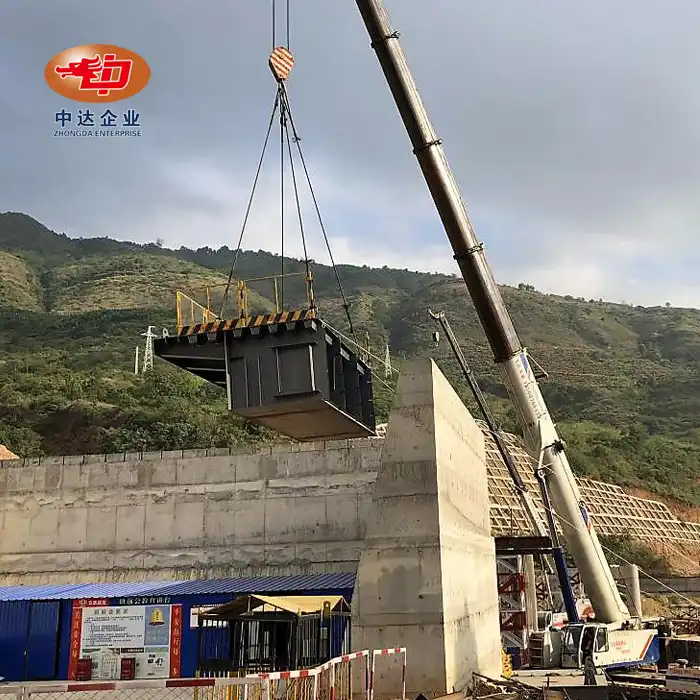
On-site quality control includes moving methods, checking the alignment, and supervising welding in the field. Using the right installation methods keeps the structure from getting damaged during transport and makes sure it is placed correctly for the best performance. Qualified management teams keep an eye on all the important tasks and keep thorough records that help with accepting the project and planning for long-term upkeep.
Zhongda's Advanced Steel Box Girder Solutions
Shenyang Zhongda Steel Structure Engineering Co., Ltd. makes high-quality steel box girders for big infrastructure projects all over the world. Our advanced production skills use cutting-edge technology and strict quality control systems to make sure that the structure solutions we provide are the best possible.
As part of our wide range of products, we offer fully welded box girders that can be made to fit a variety of project needs. Their heights can be adjusted from 1.25 meters to 8 meters. When 12–30m pieces are prefabricated in the factory, they can be put together quickly on-site. This cuts down on building time by up to 50% compared to traditional ways. Advanced BIM integration makes sure that the steps of planning, production, and installation work together without any problems.
Zhongda was established in 2004 and has its main office in the Shenyang Economic-Technological Development Zone. It is certified by ISO 9001, ISO 14001, OHSAS 45001, and EN 1090. Our modern 120,000 m² plant can handle 60,000 tons of steel a year and has special features like -60°C weathering steel technology and precise cutting of ultra-thick plates. Trusted relationships with China Railway, CSCEC, BMW, and other foreign clients show that we are dedicated to building quality and making a difference around the world.
Conclusion
When making steel box girders, quality management means paying close attention to the choice of materials, the manufacturing methods, and the fitting steps. Knowing about common problems and taking steps to stop them saves building investments and makes sure that structures work well for a long time. Advanced manufacturing methods, strict checking routines, and experienced engineering support all work together to make sure that difficult bridge projects are completed successfully. Suppliers, workers, and project teams that are dedicated to greatness in every step of building must work together to make quality assurance work.
FAQs
What are the most important signs that steel box girders are of good quality?
Weld stability checked with acoustic testing, measurement accuracy within allowed ranges, surface finish quality, and material certification compliance are some of the most important quality markers. A visual check should not show any cracks, extreme warping, or covering flaws that could affect how well it works in the long run.
How can buying managers make sure that suppliers for bridge beam projects are reliable?
Reliable providers show that they have up-to-date ISO 9001 and EN 1090 certifications, give thorough quality audit reports, give customer examples from projects that are similar, and let you visit their factories. Sample testing programs and pilot orders help make sure that a company can make something before making a big investment.
What kinds of upkeep extend the life of a steel box girder?
Visual reviews once a year, coating checks on a regular basis, tracking of details that are sensitive to tiredness, and quick attention to any signs of trouble are all parts of good maintenance. Renewing the covering on a regular basis every 15 to 20 years and fixing small problems right away can avoid the need for expensive major repairs.
Partner with Zhongda for Superior Steel Box Girder Solutions
Zhongda has been making steel box girders for 20 years and has a reputation for being an excellent engineer and coming up with new ideas. From the first plan meeting to the final installation help, we have all the skills you need to make sure your project is a success from start to finish. We are a top seller of steel box girders, and to meet the most exacting building needs, we blend cutting-edge production technology with strict quality control systems.
Our experienced engineering team works closely with clients to create unique solutions that improve performance, cut costs, and speed up the building process. Zhongda offers trustworthy, top-notch goods backed by a wealth of technical knowledge, whether you need standard setups or custom designs for one-of-a-kind uses.
For your next bridge job, see what a difference good production and committed customer service can make. Get in touch with us at Ava@zd-steels.com to talk about your needs and find out how our steel box girder options can help your building projects.
References
Chen, W.F., and Duan, L. "Bridge Engineering Handbook: Superstructure Design," 2nd Edition, CRC Press, 2014.
Barker, R.M., and Puckett, J.A. "Design of Highway Bridges: An LRFD Approach," 3rd Edition, John Wiley & Sons, 2013.
Troitsky, M.S. "Steel Box Girder Bridges: Analysis and Design," American Society of Civil Engineers, 2015.
International Association for Bridge and Structural Engineering, "Steel Box Girder Design Guidelines and Quality Control Standards," IABSE Reports, 2018.
American Institute of Steel Construction, "Steel Bridge Design Handbook: Structural Steel Box Girders," AISC Design Guide 31, 2017.
Eurocode 3: Design of Steel Structures - Part 2: Steel Bridges, European Committee for Standardization, 2019.
_副本_1753167843741.webp "Steel Deck Arch Bridge")