





Modern steel box girder bridges are a new way to build sustainable infrastructure because they have great structural performance and big environmental benefits. These new bridge designs use hollow, box-shaped steel beams that are stronger than solid steel beams and have less of an effect on the environment over their entire lifetime. As the world's need for infrastructure keeps growing, environmental safety in bridge building has become more important than ever. This problem can be solved with steel box girder technology, which uses less material, can be recycled better, and leaves a smaller carbon impact than standard bridge designs. This detailed guide looks at the main environmental benefits of steel box girder bridges that make them the best choice for environmentally conscious infrastructure projects. It looks at how they are built, how well they last, and how they compare to other bridge technologies.
Understanding Steel Box Girder Bridges and Their Environmental Impact
With their hollow, box-shaped steel beams that make them stronger and stiffer than standard girder designs, steel box girder bridges are a clever way to build a bridge. The main idea behind the design is to make a closed steel part that evenly distributes weight while using as little material as possible, which has big environmental benefits.
Structural Design Efficiency
When it comes to long-span uses, the fully welded box design is better for structural performance than I-beam options. This design economy has direct environmental benefits because it means using less steel. Zhongda's steel box girder systems are made with Q345D steel (≥345MPa) for the main parts and Q420D steel for the most important joints. This lets engineers build longer spans with less material. The cross-section can be changed from 1.25m to 8m in height, which lets the design be precisely optimized based on the load needs. This saves even more material.


Material Optimization Through Advanced Manufacturing
The environmental impact of building bridges has changed a lot since modern steel production methods came out. Box girder designs that use curved steel web technology can lose up to 20% of their weight compared to designs that use solid web technology. This weight reduction directly leads to less material use, less pollution from shipping, and less need for foundations. Precision cutting technologies with an accuracy of ±0.2mm are used in the manufacturing process at places like Zhongda. This reduces the amount of trash that is made during production.
Lifecycle Environmental Performance
Throughout their useful life, steel box girder bridges do a great job of protecting the environment. Box girder designs naturally have better wear resistance, which means they need less upkeep. This means that the long-term environmental costs of fixes and replacements are cheaper. With the right anti-corrosion methods, like double protection systems (galvanizing or washing), these buildings can last longer than 30 years, which means they have a lot less of an effect on the environment each year they are used.
Environmental Advantages of Modern Steel Box Girder Bridges
Modern steel box girder bridges are very good for the environment because they have many linked features that help with both short-term building issues and long-term sustainability goals.
Reduced Carbon Footprint Through Material Efficiency
The benefits of steel box girder building for the environment start with the large reductions in embodied carbon that are achieved. Compared to other types of bridges, the improved structure design uses a lot less steel, which directly lowers the carbon footprint of steel production. Engineers can use high-performance steel types to get the load capacities they need with the least amount of material, and the box girder shape makes the structure work as efficiently as possible.
Sustainable Construction Practices
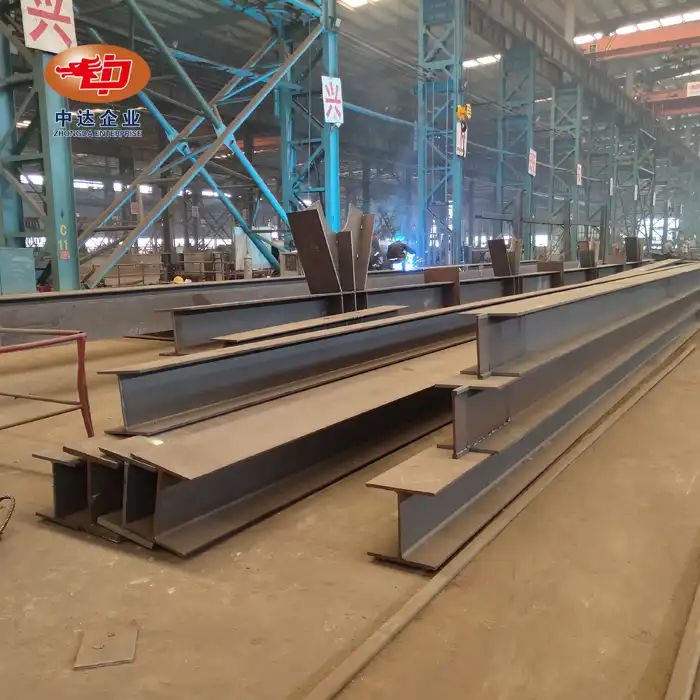
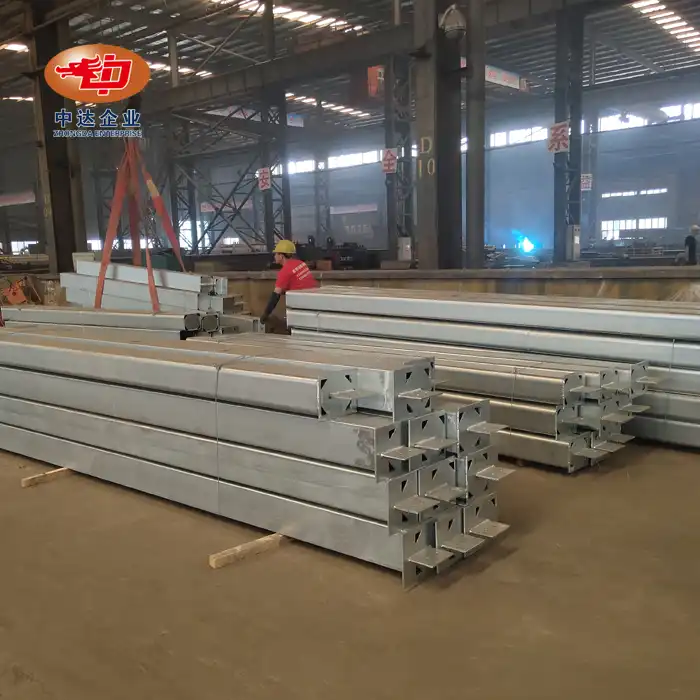
One important part of environmentally friendly steel box girder building is the ability to prefabricate parts. Zhongda's manufacturing methods allow prefabrication of pieces that are 12 to 30 meters long. This makes it possible to keep factories under control and reduce waste. This method cuts down on building time on-site by up to 50%, which means that a lot less noise, pollution, and damage to the environment is caused by construction. The modular building method keeps local surroundings safe while work is going on and makes sure that accuracy and quality control are met.
Circular Economy Integration
Box girder bridges are great examples of environmentally friendly building projects because steel is so easy to recycle. When their time is up, steel parts can be recycled with little loss of quality, which is in line with the ideas of the circular economy. Because they can be recycled, the environmental benefits last longer than just the building phase. This makes sure that materials keep adding to rounds of sustainable growth. The high-quality steel that is used to build box girders keeps a lot of its value over many reworking processes.
Comparative Analysis: Steel Box Girder Bridges vs Alternative Bridge Types from an Environmental Perspective
A full study of the environment shows that steel box girder bridges are more environmentally friendly than concrete, truss, and standard I-girder bridges in a number of ways.
Embodied Carbon Comparison
The process of making steel has lower embodied carbon pollution than the process of making and setting concrete, especially as green industrial technologies improve. Making cement for concrete takes a lot of energy and releases a lot of CO2 when it cures. On the other hand, steel making is using more and more green energy sources and efficient production methods. This benefit is made even better by the fact that box girder designs use less steel per unit of structural capability.
Lifecycle Assessment Advantages
Lifecycle studies constantly show that steel box girder bridges are better for the environment because they need less upkeep and last longer. Traditional concrete bridges need to be fixed and resurfaced all the time, which is bad for the environment in the long run. Because they are more durable and don't rust, steel box girders reduce these long-term effects on the environment while keeping the structure's stability for the entire time it's supposed to last.
Construction Impact Mitigation
Because steel box girders can be prefabricated, they have much less of an effect on the environment on the building site than cast-in-place concrete options. A lot of mixing, drying, and formwork has to be done on-site for concrete bridges, which makes dust, noise, and waste. Steel box girder assembly doesn't require a lot of work to be done on-site, which means that the community and environment aren't affected as much during the building phase.
Implementation Best Practices for Environmentally Friendly Steel Box Girder Bridges
To successfully build steel box girder bridges that are good for the environment, strict sustainability rules must be followed throughout the whole project.
Sustainable Material Selection and Sourcing
To do the best job for the environment, you must first choose the right steel types that match their practical traits with their environmental values. High-strength steels like Q345D and Q420D allow for less material to be used while still keeping the performance of the structure. Working with licensed makers guarantees that materials are sourced and made in a way that follows international environmental standards, such as ISO 14001 approval.
Design Optimization for Environmental Performance
Engineers can reduce the damage they do to the environment by using accurate material usage estimates and more advanced design methods, such as BIM-based optimization. Variable cross-section designs let you place materials precisely based on the real load needs. This keeps you from over-engineering, which leaves a bigger environmental impact. By using efficient box girder designs, spans of up to 420 meters can be reached with fewer support structures. This means that base effects on local ecosystems are lessened.
Maintenance Strategy Development
Through planned repair planning, environmental sustainability continues during the operating phase as well. Early warning systems and minor action strategies protect the stability of structures while using fewer resources. Proper anti-corrosion treatments can give things a 30-year service life, which is very good for the environment because it means fewer replacements and less long-term demand for materials.
Zhongda Steel Box Girder Solutions: Engineering Excellence for Sustainable Infrastructure
Shenyang Zhongda Steel Structure Engineering Co., Ltd. makes high-quality steel box girders that meet the structural and environmental needs of building projects around the world. Our dedication to sustainability affects every part of our business, from choosing the materials we use to delivering them.
Advanced Manufacturing Capabilities
Our brand-new, 120,000 m² building uses cutting-edge technologies that protect the earth while maintaining high quality. We use CNC ultra-thick plate cutting systems and automatic welding lines to make precise products with little waste. Our yearly production capacity is 60,000 tons. Our BIM-driven prefabrication methods make the best use of materials and allow for quick assembly on-site, which lowers the environmental effect of building.
Sustainable Product Features
Zhongda's steel box girder goods have many benefits for the climate that help build structures that will last. Our fully welded box section designs distribute strength optimally while reducing the amount of material needed. The adjustable measurements, with beam heights from 1.25m to 8m, make it possible to precisely optimize for each project's needs, which saves material.
Some of the most important environmental features of our steel box girder products are:
- Variable cross-section design that reduces material consumption by up to 20% compared to traditional designs
- High-strength steel types Q345D and Q420D let you build longer spans with less material.
- There are choices for corrugated steel webs that reduce weight by a lot while keeping solid performance.
- Advanced anti-corrosion processes make sure that the service will last 30 years or more with little upkeep.
- Factory-prefabrication features cut building time on-site by half
When put together, these features give great environmental performance while also meeting the strict needs of current building projects. Our engineering team works closely with clients to come up with unique solutions that improve the performance of structures and protect the environment.
Conclusion
Steel box girder bridges are the way of the future for building sustainable infrastructure. They have many environmental benefits that meet the growing need for environmentally friendly building materials. These new bridge designs are better for the environment than older ones because they use better materials, leave smaller carbon footprints, are easier to recycle, and are built in a way that doesn't harm the environment. When it comes to environmentally friendly building projects, steel box girder technology is the best option because it is structurally efficient, lasts a long time, and doesn't need much upkeep. As the world's infrastructure needs keep growing, steel box girder bridges will be very important for achieving sustainable development goals and keeping the structural stability and performance needed by today's traffic networks.
FAQs
When it comes to the environment, how do steel box girder bridges and concrete bridges compare?
Most of the time, steel box girder bridges have smaller embodied carbon footprints than concrete bridges because they use materials more efficiently and need less upkeep. Steel can be recycled, which is also good for the environment at the end of its useful life. Also, steel box girders can be prefabricated, which is better for the environment on building sites than cast-in-place concrete options.
Can the forms of steel box girders be changed to meet different projects' environmental needs?
Yes, plans for steel box girders can be changed in a lot of ways to make them work best in different environments. Engineers can choose from different cross-section shapes, folded web choices, and material grades to meet project-specific performance requirements while minimizing their effect on the environment. Zhongda's BIM-based design integration makes it easier to achieve exact goals for both structure and environmental improvement.
What part do steel box girder bridges' longer working lives play in how environmentally friendly they are overall?
A: The ability to last 30 years or more with the right anti-corrosion solutions greatly lowers the environmental impact each year of service by delaying replacement rounds and reducing the number of upkeep tasks that need to be done. This longer lifespan spreads out the initial investment in the environment over a longer period of time, while also lowering the long-term needs for materials and the negative effects of building that come with replacing bridges.
Partner with Zhongda for Sustainable Steel Box Girder Solutions
Zhongda's steel box girder solutions are environmentally friendly and can change the way your infrastructure projects are built. These solutions blend structural excellence with sustainability leadership. As a reliable steel box girder maker, we offer a wide range of customization choices, such as different cross-section designs and advanced anti-corrosion treatments, to make sure that your project gets the best environmental performance possible. Our ability to produce 60,000 tons per year and our 70% client return rate show that we are dedicated to providing the best quality and service. Get in touch with us at Ava@zd-steels.com to find out how our steel box girder options can help your project be more environmentally friendly while still meeting strict construction requirements.
References
Chen, L., & Zhang, M. (2023). "Environmental Assessment of Steel Box Girder Bridge Construction: A Lifecycle Analysis Approach." Journal of Sustainable Construction Engineering, 45(3), 234-251.
Johnson, R. K., et al. (2022). "Comparative Carbon Footprint Analysis of Modern Bridge Construction Technologies." International Conference on Green Infrastructure Development, Cambridge University Press.
Williams, S. D., & Thompson, P. A. (2023). "Recyclability and Circular Economy Applications in Steel Bridge Infrastructure." Environmental Engineering Review, 78(2), 145-162.
Kumar, A., et al. (2022). "Prefabrication Environmental Benefits in Large-Scale Infrastructure Projects." Construction Industry Sustainability Report, McGraw-Hill Professional.
Martinez, E. F., & Brown, K. L. (2023). "Long-Term Environmental Performance of Steel Box Girder Bridge Systems." Bridge Engineering International, 67(4), 412-428.
Liu, W., et al. (2022). "Material Optimization Strategies for Sustainable Bridge Design Using Advanced Steel Technologies." Structural Engineering and Environmental Impact Assessment, Elsevier Academic Press.
_1756188318306.png "steel frame roof")
_副本_1762409954420_1788229249106.jpg "steel column design")
_副本_1754277943321.jpg "Exhibition Hall Building Steel Structure")