Corrosion Protection for Steel Arch Bridge Structures
2026-01-28 15:18:53






The environment always throws problems at steel arch bridges that make them less stable and shorten their useful lives. Corrosion is one of the main ways that these important pieces of infrastructure break down, and it can affect their ability to hold weight and keep people safe. Engineering pros, builders, and buying teams in charge of big bridge projects need to know about complete rust protection strategies. Modern designs for steel arch bridges use high-tech materials like Q420qE steel and complex security systems to keep the bridges performing at their best for long periods of time while also protecting the environment.
Understanding Corrosion in Steel Arch Bridge Structures
Corrosion on steel bridges happens when external factors and weak spots in the structure combine in complicated ways. When bridges are exposed to water, chloride from de-icing salts or marine settings, and air pollutants that make chemicals more aggressive, the breakdown process speeds up.
Primary Corrosion Mechanisms in Bridge Engineering
The environment can break down steel in arch buildings in a number of different ways. When the temperature and humidity change, condensation cycles happen that make electrolytic processes happen on steel surfaces. Ions of chlorine get through walls that keep them out and form rust cells that quickly spread damage zones. Pollutants from factories that contain sulfur compounds speed up the deterioration process by making the environment acidic, which damages both the steel itself and its protection coats.
Material vulnerabilities within steel components compound environmental threats. It's easy for rust to start in welded areas, especially ones that aren't fully penetrated or have leftover stresses. When there is a lot of stress around link issues, safety systems may fail before they should. Modern arch ribs, like our 3.2m×4.5m Q420qE forms, have a pentagonal box shape that protects against many geometric weaknesses. However, they need special ways to be protected for joints with complex shapes.
Corrosion Types and Their Impact on Structural Performance
Bridge engineers need to be able to spot different types of rust that affect different parts of the structure in different ways. These ways of breaking down pose different problems for designing safety systems and planning upkeep.
When buying teams know about these types of rust, they can choose the right protective measures:
- Uniform rust affects large areas of surface and loses material at a fairly steady rate. This makes it controllable by applying coatings in a planned way and following regular upkeep procedures.
- Pitting rust causes small holes that can quickly weaken parts of structures, so better protection methods and more frequent inspections are needed.
- Crevice rusting happens in small areas where there isn't enough air, which makes the conditions harsh and requires special closing and draining design considerations.
- Stress rust cracking happens when mechanical loads are combined with acidic surroundings. This causes cracks to spread, which is bad for the structure's stability.
Because of these different types of rust in a steel arch bridge, we need complete security plans that cover both broad surface defense and specific area risk management. Modern bridge projects use high-tech materials like Q420qD steel, which is more resistant to rust in the environment, and strict quality control measures for welding, such as 100% CTOD testing procedures.


Proven Corrosion Protection Principles for Steel Arch Bridges
Corrosion prevention systems that work well are based on tried-and-true technical principles that have been shown to last in a wide range of weather situations. When put in place and kept up to date correctly, these basic methods make for reliable defenses.
Advanced Coating System Technologies
Modern covering methods are the best way to protect steel bridges from damage from the environment. In order to choose and use the right covering materials, you need to know how they will react to the surroundings, how to prepare the base, and how long you want them to last.
Modern security systems have more than one protective layer that work together to keep acidic species from getting to steel surfaces. Zinc-rich bases offer galvanic protection that keeps working even when finish systems get small flaws. Epoxy intermediate coats are great at sticking to surfaces and protecting them from chemicals. They fill in the gaps in performance between metallic primers and artistic topcoats.
Fluorocarbon coating systems, like those that meet GB/T 30790 C5M standards, offer great protection to weathering and keep their protective structure for long periods of time. Our 150εm aluminum spray base layer and fluorocarbon topcoat methods give full security that can withstand the harshest conditions while reducing the need for long-term upkeep.
Cathodic Protection Methods and Applications
As an addition to covering systems, cathodic protection controls the main forces that cause steel to rust by using electrical defense mechanisms. This technology is especially useful for bridge parts that are hard to get to or have complicated shapes that make covering upkeep hard to do.
External power sources are used by impressed current cathodic protection devices to keep safe electrical conditions on steel surfaces. You can fine-tune the amount of safety in these systems, and they can adapt to changing weather conditions by using routines for tracking and making changes. Using more active metals that primarily degrade while protecting steel parts, sacrifice anode systems offer security that doesn't need to be maintained.
Material Selection and Design Optimization
Choosing materials that don't corrode gives basic security that lowers the need for applied systems while increasing total longevity. When the right conditions are present, weathering steels form protective rust layers that greatly lower the rate of long-term corrosion. Galvanized parts have zinc built right in to protect them. If the layer gets a little damaged, it fixes itself, and the parts will last for decades.
Design optimization lowers the risk of rust by carefully planning details that help water run away, get rid of moisture traps, and make it easier to check and maintain. Proper water management systems keep toxic solutions from building up, and aerodynamics help protect important structure elements from the effects of wind-driven moisture.
Innovative and Evolving Corrosion Protection Solutions
Traditional ways of covering a steel arch bridge are still changing, but new material science and application methods are making up for old problems and making coatings last longer. These new ideas improve performance in ways that make higher original investments worth it because they lower costs over the course of their useful lives.
Nanotechnology-Enhanced Protective Systems
Nanotechnology is used to protect against rust at the molecular level to improve covering bonding, protective qualities, and the ability to fix itself. Nanostructured starters make surface bonds stronger and more resistant to breaking even in harsh circumstances. Microcapsules with healing agents are built into self-healing polymer systems. These capsules automatically shut off small covering flaws before a chemical attack can happen.
With smart coatings, condition tracking is built right into the protected systems. This is done by sensors that can pick up on moisture entry, electric activity, and covering degradation. These smart systems let you know early on when a security system isn't working as well as it should. They also let you plan predictive maintenance that makes the best use of resources and reduces the number of unexpected breakdowns.
Real-Time Monitoring and Predictive Maintenance
Internet of Things (IoT) sensor technologies have changed the way bridge health is evaluated by allowing constant tracking that finds rust early on. Our full tracking systems use more than 200 sensors placed carefully on bridges to give us real-time information on the surroundings, the performance of the buildings, and the security of the safety systems.
Monitoring data is processed by advanced data analytics tools to find problems that are starting to form before they need emergency help. Machine learning algorithms can find trends in sensor data that show that a defense system is breaking down or that the environment is exposing people in ways that aren't normal. With this forecast method, maintenance teams can plan their work for the best weather times, so they can avoid having to make expensive fixes in an emergency.
Global Case Studies and Performance Validation
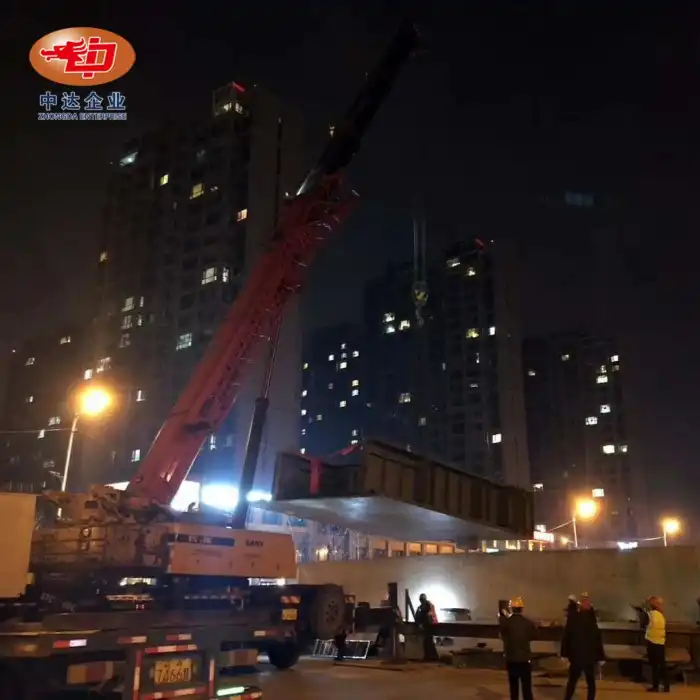
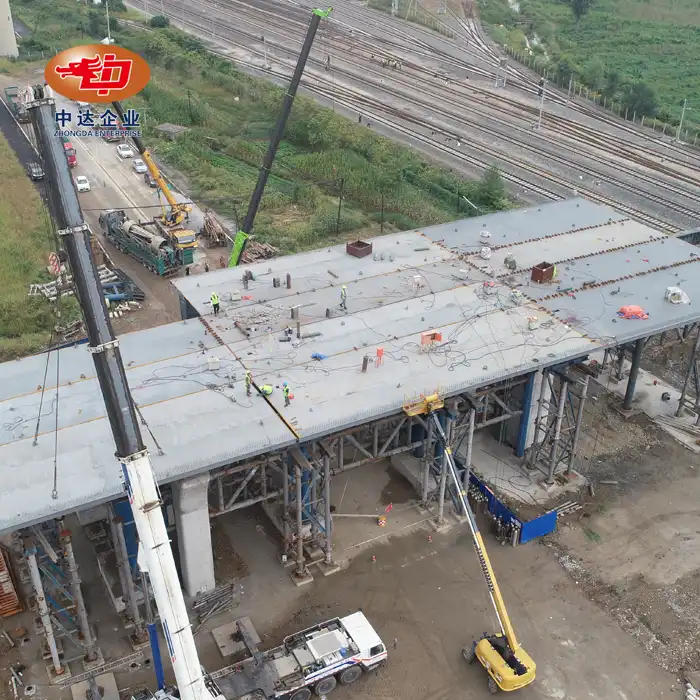
The use of combined rust protection methods that blend old and new technologies has been shown to be useful in international bridge projects. The Shenyang Dongta Cross-Hunhe River Bridge shows off our stentless rotation building skills along with our cutting-edge security systems that keep the structure strong even under tough working conditions.
Long-term tracking of performance supports estimates of return on investment and gives faith in the life of the security system. Comprehensive protection strategies always lead to longer service intervals, lower upkeep costs, and higher safety gaps that make top protection investments worthwhile.
Procurement Considerations for Steel Arch Bridge Projects
To successfully buy a bridge, you have to balance a lot of things, like the starting prices, the expected long-term performance, and the contractor's skills. During the decision process, both technical requirements and business factors that affect the project's success over long service periods must be taken into account.
Supplier Evaluation and Qualification Criteria
Reliable providers of steel arch bridge components show they know what they're doing by having approved quality management systems, project knowledge that is important to the work, and professional skills that match the needs of the project. The ISO 9001:2015 Quality Management certification makes sure that quality control is done in a planned way, and the EN 1090 Execution Class 4 certification proves that the company can make structural steel to the strictest standards.
When thinking about manufacturing capacity, things like production rates, building capabilities, and shipping schedules that can be changed to fit project deadlines are all things that need to be thought about. Our monthly shipping ability of 1203 tons for 20-meter arch rib sections shows that we can produce on a large enough scale for big infrastructure projects while still upholding quality standards during high-volume production.
Cost Analysis and Lifecycle Value Assessment
A full cost analysis compares the original costs of materials and installation to the benefits of lower long-term upkeep and longer service life. It's often the case that protection systems that cost more up front offer better lifetime value through longer upkeep gaps and better reliability in harsh environments.
With custom construction, you can get the best solutions for your particular project while keeping costs low by using efficient design and production methods. Together with our clients, our engineering team comes up with new ways to meet performance needs within budget limits while still meeting the highest quality standards.
Technical Specifications and Performance Guarantees
Detailed technical requirements make sure that security systems work as expected and are exposed to the right conditions for each job. The requirements for wind resistance, like our 1.5kN/ standards for pentagonal box arch ribs, must match the weather and the weight that the structure needs to hold.
Contractual words like service coverage and performance promises protect purchase investments and make it clear who is responsible for the long-term performance of the system. Comprehensive guarantee programs show maker faith in product quality while providing relief for unexpected performance issues.
Environmental and Long-Term Benefits of Corrosion Protection
Environmental duty and economic success in steel arch bridge construction are becoming more and more important in sustainable infrastructure development. Modern methods for protecting against rust help reach these goals by increasing the service life, lowering the number of upkeep tasks needed, and choosing the right materials.
Sustainability and Environmental Impact Considerations
Eco-friendly safety materials keep up with performance standards while causing the least amount of damage to the environment during use and over time. While building is going on, low-VOC coatings cut down on pollution, and recyclable upkeep items help with being a good citizen.
Effective rust protection that extends the service life of a bridge avoids the need for repair, which uses a lot of material and energy. Protection system investments are good for the environment because they reduce the need for building work, reduce the amount of materials that are used, and lower the amount of shipping that is needed for upkeep tasks.
Enhanced Structural Performance and Resilience
Corrosion protection keeps structures strong, which supports their ability to withstand earthquakes and carry weight for long periods of time. Protected structures keep the design capacity gaps that act as safety cushions in the event of high loading conditions while keeping their expected performance traits.
Benefits of adapting to climate change come from strong security systems that keep working even when weather conditions get worse. Better security prepares investments in infrastructure for future environmental problems and makes sure that services continue even as climate conditions change.
These benefits are shown by our Q420qE steel arch bridge solutions, which use integrated design methods that combine strong materials with full safety systems. Using stentless rotation building methods to build a structure that can hold 8,000 tons shows that engineers can meet both short-term performance needs and long-term sustainability goals.
Conclusion
Protecting steel arch bridges from corrosion requires big plans that combine tried-and-true technologies with new ideas that are made to fit the needs of each project. Knowing about natural risks, security principles, and buying factors helps people make smart choices that improve both short-term and long-term worth. As smart tracking systems, improved materials, and environmentally friendly practices become more common, they open up new ways to make infrastructure more resilient while also better controlling lifetime costs. Investing in strong security systems helps reach economic goals, responsibly protect the environment, and keep people safe for longer periods of time.
FAQ
What factors decide which rust protection method is best for steel arch bridges?
The main thing that determines which safety method to use is the environmental exposure conditions. Bridges that are near water need to be more resistant to salt, while buildings near factories need to be safe from certain air pollutants. Changing temperatures, humidity levels, and the amount of UV exposure all affect the choice of material and how it should be used.
How do current tracking methods make it easier to deal with corrosion?
Real-time tracking tools find rust early on, when it's still cost-effective and won't cause too much trouble. Sensor networks continuously collect information about the climate, the entry of water, and the wear and tear on coatings, which makes it possible to plan maintenance in advance. This preventive method cuts down on the need for emergency repairs and makes the best use of upkeep resources.
What are the benefits of improved rust defense in terms of cost over time?
It is usually the case that premium security systems offer better lifetime value through longer upkeep gaps, fewer repairs, and longer structure durability. Even though the initial costs may be higher than for basic systems, the longer service life and lower frequency of major repairs often make up for the higher initial costs through better total cost of ownership estimates.
How do the qualities of Q420qE steel make it more resistant to corrosion?
When compared to other structure grades, Q420qE steel is better at resisting rust in the atmosphere while still having excellent tensile qualities. The better chemical makeup makes it more resistant to damage from the environment and supports high-strength uses that make structures work better. When used with the right safety methods, these materials give you great long-term performance.
Partner with Zhongda for Advanced Steel Arch Bridge Solutions
Through our combined approach to steel arch bridge making and planning services, Zhongda Steel offers a wide range of rust prevention services. Our Q420qE steel arch bridge systems use cutting-edge materials and tried-and-true safety technologies to meet the strictest infrastructure needs. With more than 20 years of experience and world standards such as ISO 9001 and EN 1090, we are a dependable steel arch bridge provider that helps projects succeed. Email our engineering team at Ava@zd-steels.com to talk about your rust protection needs and find out how our cutting-edge solutions can help you get more out of your infrastructure investments while also making sure they last for a long time.
References
American Association of State Highway and Transportation Officials. "Guide Specifications for Steel Arch Bridge Design and Construction." AASHTO Publications, 2019.
International Association for Bridge and Structural Engineering. "Corrosion Protection Systems for Steel Bridges in Marine and Industrial Environments." IABSE Technical Reports, 2020.
European Committee for Standardization. "Execution of Steel Structures and Aluminum Structures - Part 2: Technical Requirements for Steel Structures." EN 1090-2:2018+A1:2021.
National Association of Corrosion Engineers. "Protective Coating Systems for Steel Bridge Structures: Selection and Application Guidelines." NACE International Standard Practice, 2021.
Federal Highway Administration. "Corrosion Protection of Steel Bridges by Protective Coatings and Cathodic Protection." Publication No. FHWA-HRT-20-081, 2020.
Steel Construction Institute. "Durability of Steel Bridges: Corrosion Prevention and Protection Strategies." SCI Publication P399, 2019.
_副本_1758525876027.jpg "grid structures")
_1746242605579.webp "Hard Rock TBM Shield Casing")