





Steel box girders make highway and railroad bridges last longer because they have a better structural design that spreads loads widely, they don't wear out easily in changing traffic conditions, and they have better rust protection systems. When compared to regular I-beams, these hollow structural members offer better rotational stiffness and bending resistance. Their fully welded box design allows widths of up to 420 meters with less upkeep needed. Advanced anti-corrosion treatments, such as double galvanizing and special finishes, make sure that the service life is more than 30 years, even in tough environments.
Understanding Steel Box Girders and Their Role in Bridge Longevity
When it comes to strength and rotational stiffness, steel box girders are the best. They are hollow, box-shaped support parts. Unlike regular I-beams or concrete girders, these designed parts fairly spread loads across their cross-section and successfully prevent bending forces. This makes them perfect for use in long-span bridge uses.
Structural Design Advantages
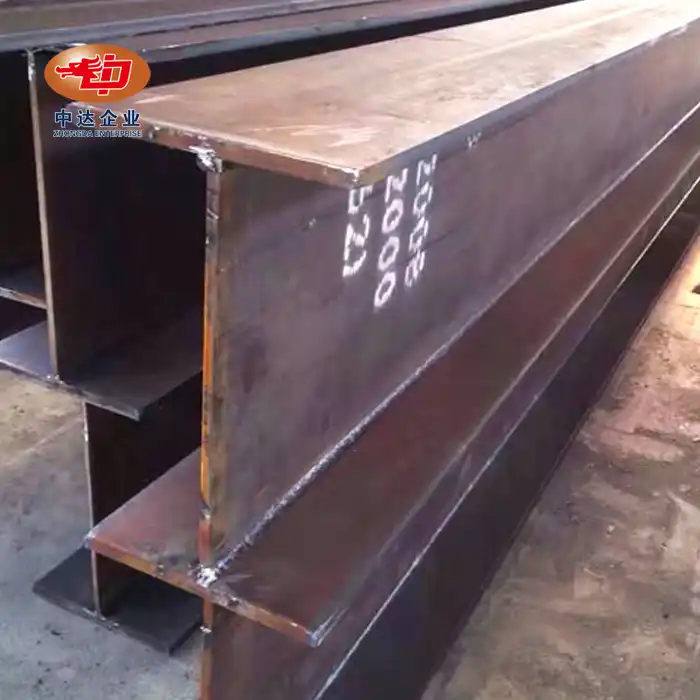
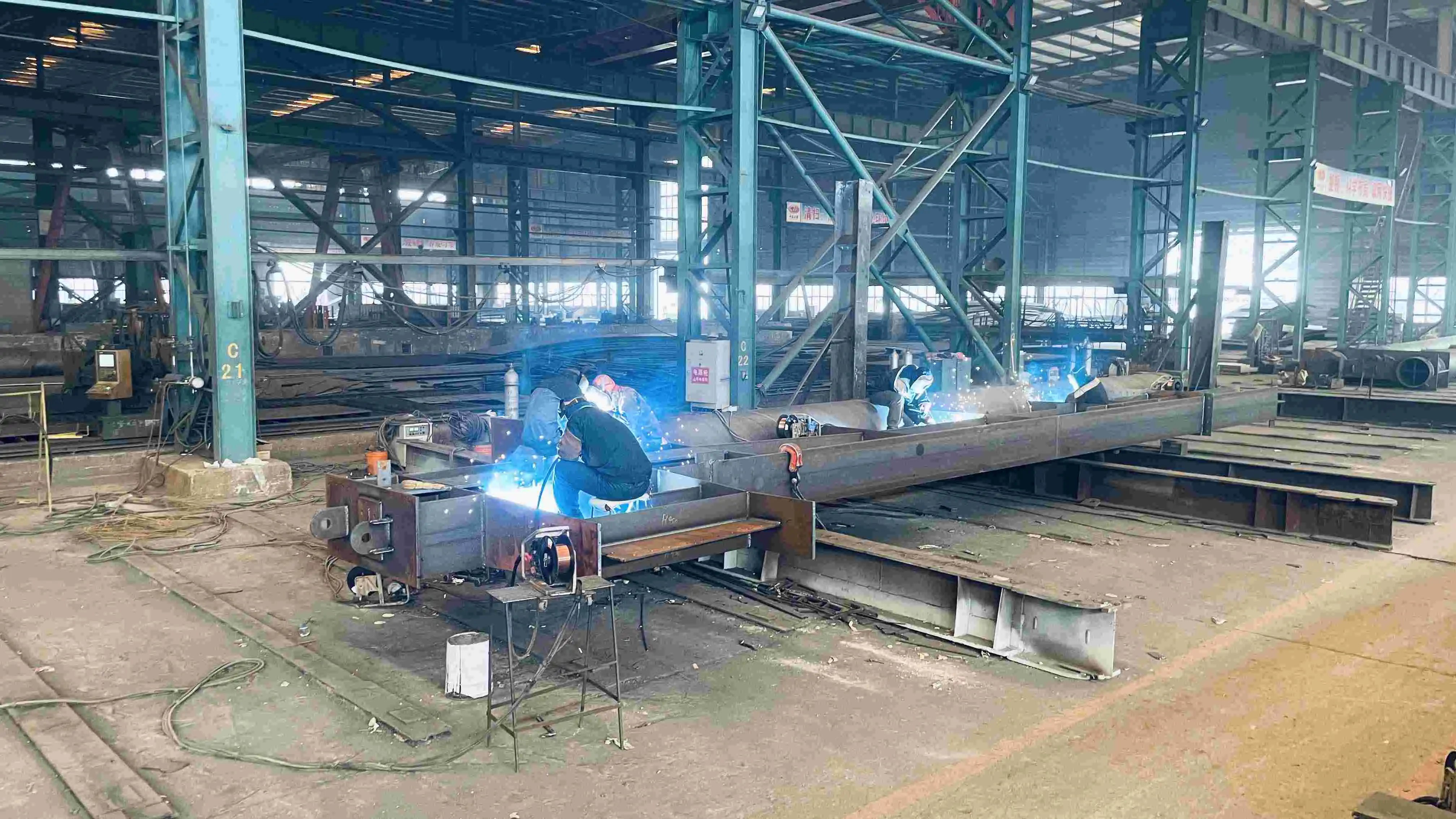
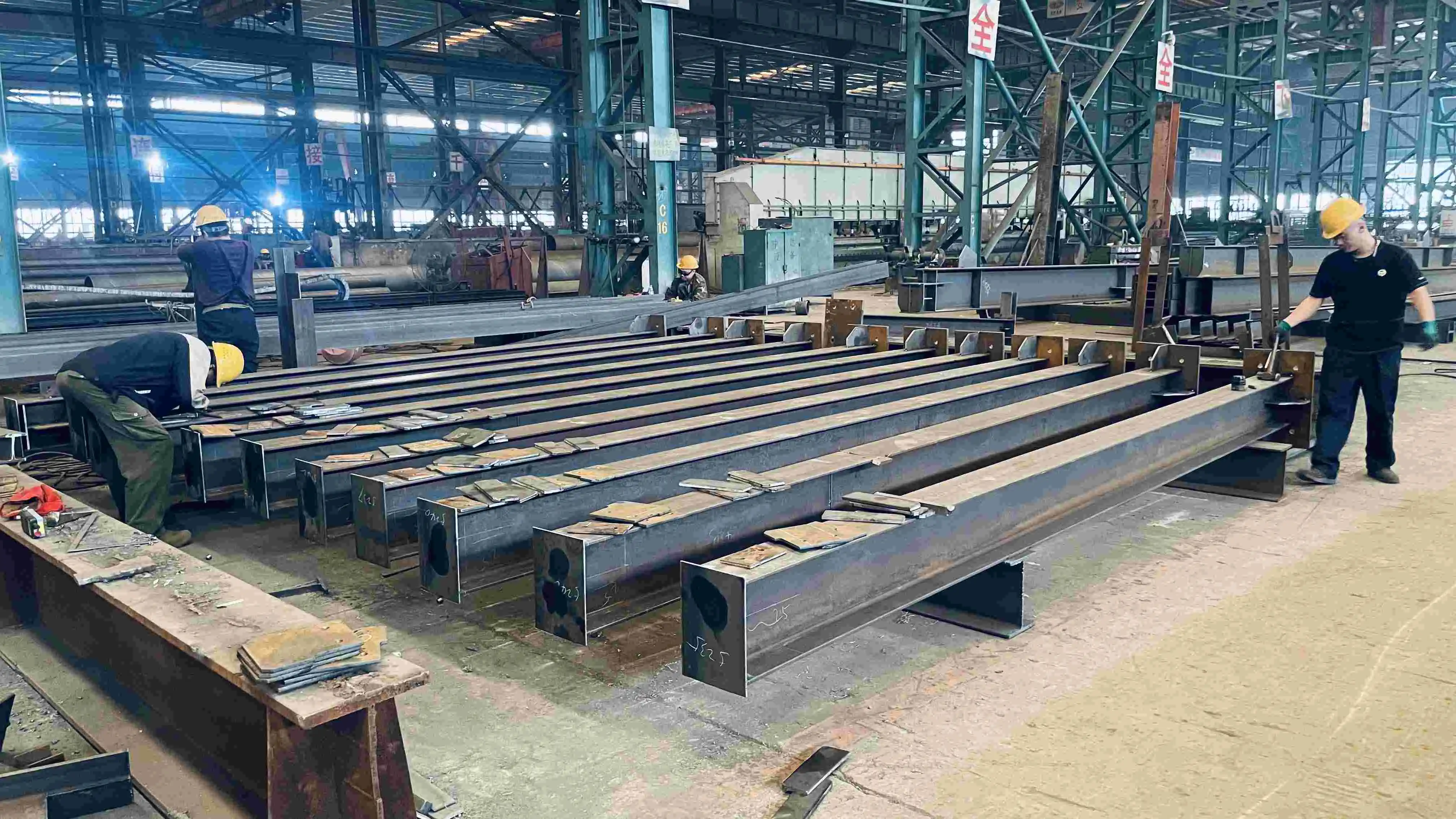
When compared to regular beam setups, the fully welded box design gives better structural performance. For the main parts of these girders, high-strength Q345D steel is used, which has a minimum yield strength of 345MPa. For better load-bearing ability, Q420D steel is used in the key joints. The hollow box form makes the best strength-to-weight ratio, which lets lengths be longer while using less material.
Load Distribution and Fatigue Resistance
Box girders are great at spreading out heavy loads across their whole cross-sectional area. This lowers stress levels that usually lead to structures failing too soon. This design concept stresses longevity by creating the best load lines and making the product very resistant to wear cycles. The closed box section has better rotational resistance, which is very important for bent bridges and buildings that are loaded in different ways.
Proper upkeep methods also take advantage of the naturally resistant to rust and light weight features that make this frame system better than others. All of these features work together to make bridges last longer, giving us the technical information we need to make smart decisions about buying and design.
Steel Box Girder Bridge Types and Construction Processes That Ensure Durability
There are different types of steel box girders used in modern bridge building, from single-cell to multi-cell designs. Each type is best for a certain span length and load situation found in highway and train uses. The way something is built has a big effect on how long it lasts and how well it works.
Configuration Types and Applications
Single-cell box girders work well for modest spans up to 150 meters, while multi-cell versions can handle lengths up to 420 meters. Variable cross-section shapes make the best use of materials while keeping the structure strong under different loads. Beam heights can be changed from 1.25 meters to 8 meters to fit the needs of each project and the space available.
Advanced Construction Methodologies
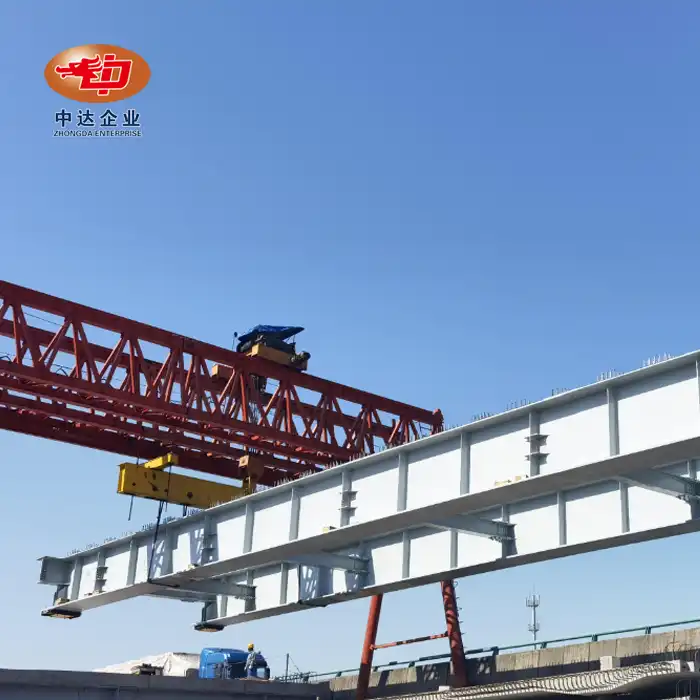
Precision welding, modular assembly, and strict quality control measures are used throughout the building process to make sure that the structure stays strong from the manufacturing phase to the erection phase. Standardized pieces measuring 12 to 30 meters are made using prefabrication methods. This allows for controlled production conditions that improve weld quality and accuracy of measurements.
Modular on-site assembly spreads out stress on individual parts and makes it easier to control exact dimensions, which is important for increasing load capacity. When compared to standard ways, this method cuts the time needed for building by 50%. Maintenance plans that include regular checks and aggressive rust protection make operations last a lot longer. Repairs and retrofits can be made to fit the specific ways that box girder systems behave, making them last longer and work better over their entire lifecycle while causing the least amount of downtime.
Quality Control and Durability Enhancement
Modern anti-corrosion systems use two types of protection: welding and specialized spray treatments. This gives the system a service life of more than 30 years. CNC ultra-thick plate cutting keeps errors to within ±0.2mm, and automatic welding lines make sure that the quality stays the same throughout the whole process. These quality factors are directly linked to longer working life and less upkeep need.
Comparative Analysis: Steel Box Girders vs Alternative Bridge Girders
Full studies of performance show that steel box girder systems are clearly better than other types of structures. When longevity and lifetime costs are the most important factors, these gains become especially clear on highways and trains with a lot of traffic.
Performance Comparison with Concrete Girders
When it comes to wear strength, steel box girders are better than concrete ones, especially when the loads are changing quickly, which is common on railroad bridges. Maintenance needs are usually lower because the product is more resistant to external factors and easier to get to for inspections. Lifecycle cost analysis shows good economics, even though the initial investment is higher. This is because fewer repair gaps and a longer service life more than make up for the higher initial investment.
Advantages Over I-Beams and Plate Girders
Box girders are better for long spans than I-beams and plate girders because they are more efficient as structures. The closed part is better at stopping lateral and rotational bending, which makes it possible to make cheaper designs for bent alignments. Welding methods that are uniform make the fabrication process easier, and small cross-sectional measurements make shipping easier.
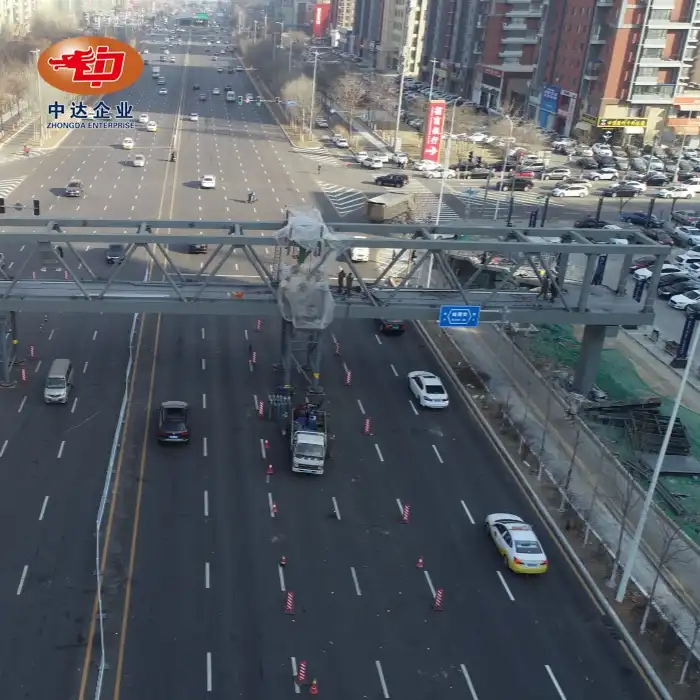
Implementations in the real world show that box girder technology is the best for building important structures. The 18,000-ton Shenyang Dongta Cross-Hunhe River Bridge is a good example of how to use them successfully in tough conditions, and many other railway bridge projects in a wide range of climates and terrains show that they can handle changing loads. Over the life of the bridge, the economic benefits add up, making box girders the best choice for important building projects that need to work reliably for a long time.
Procurement Insights for Steel Box Girders: Maximizing Value and Reducing Risks
To buy steel box girder systems successfully, you need to carefully look at the technical details, the supplier's skills, and the support services they offer for a long time. Strategic buying choices have a big effect on the success of a project and how well it does throughout its lifecycle.
Material Specifications and Standards Compliance
When choosing materials, you have to look at things like steel types, approval standards, and the ability to make changes to fit the needs of the job. For most uses, Q345D and Q420D steel types work best, but for harsh environments, you may need to use a different grade. International certificates like ISO 9001, EN 1090, and AWS make sure that quality standards are met in all places around the world.
Supply Chain Considerations
For good purchase planning, you need to know about price models, such as the cost per metric ton, wait times that range from 6 to 16 weeks, and the benefits of ordering in quantities. Supply chain stability is still important for global projects, which is why working with approved makers is so important for making sure quality standards are met and deliveries happen on time. Vertically integrated providers have an edge because they can control the manufacturing process and offer full expert support.
Zhongda Steel: Leading Manufacturer of High-Performance Bridge Girders
Shenyang Zhongda Steel Structure Engineering Co., Ltd. is a widely recognized leader in precision structural solutions. They use cutting-edge manufacturing technologies and strict quality control standards to make bridge girder solutions that are perfect for use on highways and trains. Our company was established in 2004 and has its main office in the Shenyang Economic-Technological Development Zone. It runs a modern 120,000 m² factory that can produce 60,000 tons of goods every year.
Advanced Manufacturing Capabilities
Our product line, including steel box girder, offers both standard and custom designs that are made to fit a wide range of infrastructure needs. Some of its most important features are BIM-driven prefabrication, -60°C weathered steel anti-corrosion technology, and cutting very thick plates with an accuracy of ±0.2mm. These benefits in production make it possible to optimize corrugated steel webs and cut their weight by up to 20% while keeping their structural integrity.
Global Project Experience and Certifications
China Railway, CSCEC, BMW, and other big clients trust Zhongda because it has completed many difficult projects successfully, such as building Arctic bridges in Russia, mining equipment installations in Australia, and industrial hubs in Vietnam. Some of the many certificates we have are for ISO 9001, ISO 14001, OHSAS 45001, Class I Steel Structure Professional Contracting Qualification, EN 1090, AWS, and JIS.
Along with our goods, we offer full expert help, on-time deliveries, and committed care after the sale. Because we want to build long-lasting partnerships between businesses around the world, we can offer reliable infrastructure solutions that make bridges last longer and work better, making transportation networks around the world safer and more sustainable. 70% of the company's clients stay with them, and by improving manufacturing processes, the company is able to cut project wait times by 20–30%.
Conclusion
Steel box girders make highway and railroad bridges last a lot longer by using better building materials, better structural design, and faster, more efficient building methods. Their fully welded box design, high-strength steel specs, and adjustable sizes make it possible for them to last longer with less upkeep. Modern anti-corrosion systems make sure that the service life will be more than 30 years, and methods for prefabrication cut the time it takes to build something by half. A comparison shows that this material has clear benefits over other options when it comes to wear resistance, structure efficiency, and lifetime costs. Focusing on approved sources with a history of success in strategic sourcing increases value while lowering project risks. This makes box girders the best choice for long-term investments in important structures that need to be reliable and work well.
FAQs
How do the upkeep needs for steel box girders relate to those for concrete ones?
Due to their better wear resistance and rust protection, steel box girders usually need less upkeep than their concrete counterparts. Regular inspections and advanced sealing systems make things last longer while cutting down on upkeep times and costs.
How long do most handmade box girder jobs take to finish?
Lead times for unique projects depend on the size and difficulty of the job, but they are usually between 6 and 16 weeks, based on the number of orders and the level of customization needed. Prefabrication lets multiple production steps run at the same time, which improves shipping times.
For big building projects, can box girders handle very long spans?
Yes, box girders are designed to support spans of up to 420 meters by using multi-cell structures and the best ways to make them. These long spans are possible with high-strength materials and cross-sections that can be changed. The structure stays strong even when heavy loads are applied dynamically.
Partner with Zhongda for Superior Bridge Infrastructure Solutions
Zhongda has a wide range of steel box girder options that will help your infrastructure project succeed. Our advanced production skills, such as integrating BIM and making sure that every detail is perfect, guarantee that highway and rail bridges work at their best. We offer unique solutions that make bridges last longer and cut down on building times. Our 60,000-ton annual capacity and years of experience working on complicated projects make us the best choice. As a reliable steel box girder maker, we offer full technical help from the planning stage to delivery. Our foreign certifications and 70% customer renewal rate back this up. Contact us at Ava@zd-steels.com for full project details and to talk about how our new method can help you get the most out of your next infrastructure investment.
References
Chen, W.F. and Duan, L. "Bridge Engineering Handbook: Construction and Maintenance." CRC Press, 2014.
Troitsky, M.S. "Steel Box Girder Bridges: Design and Construction." Van Nostrand Reinhold Company, 1987.
Nakai, H. and Yoo, C.H. "Analysis and Design of Curved Steel Bridges." McGraw-Hill, 1988.
Heins, C.P. and Lawrie, R.A. "Design of Modern Steel Railway Bridges." John Wiley & Sons, 1984.
Roeder, C.W. "Fatigue and Dynamic Load Measurements on Steel Multi-Girder Bridges." Journal of Structural Engineering, ASCE, 1990.
Fisher, J.W. "Fatigue and Fracture in Steel Bridges: Case Studies." John Wiley & Sons, 1984.
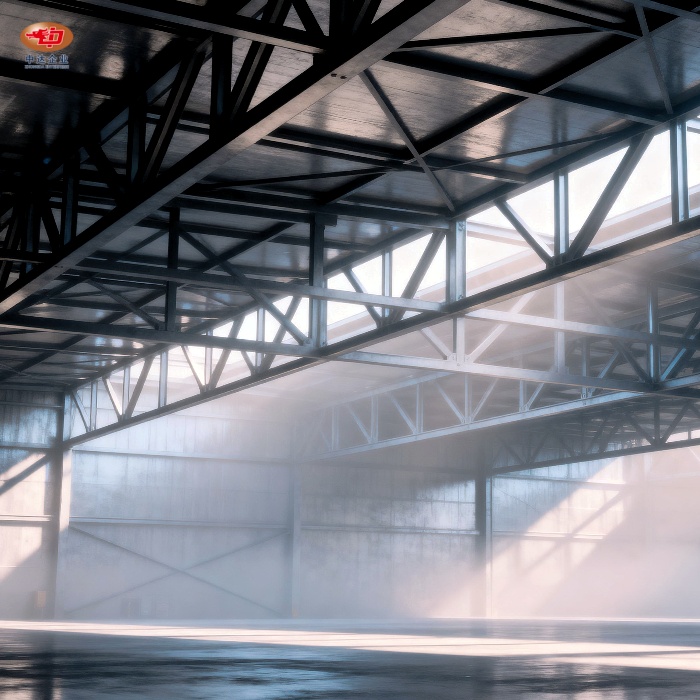
_副本_1758525876027.jpg "grid structures")
_1754030104098.png "Light Poles")
_副本_1754364944578.jpg "Box Girder Beam Bridge")