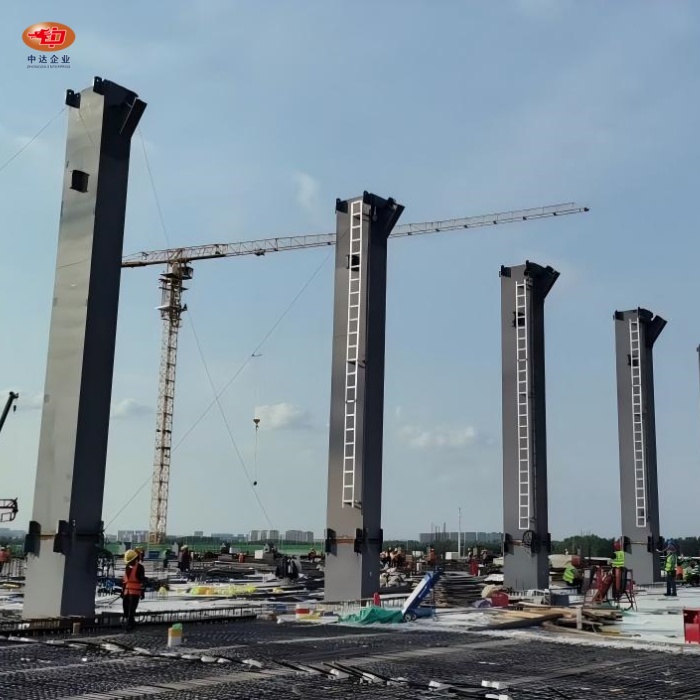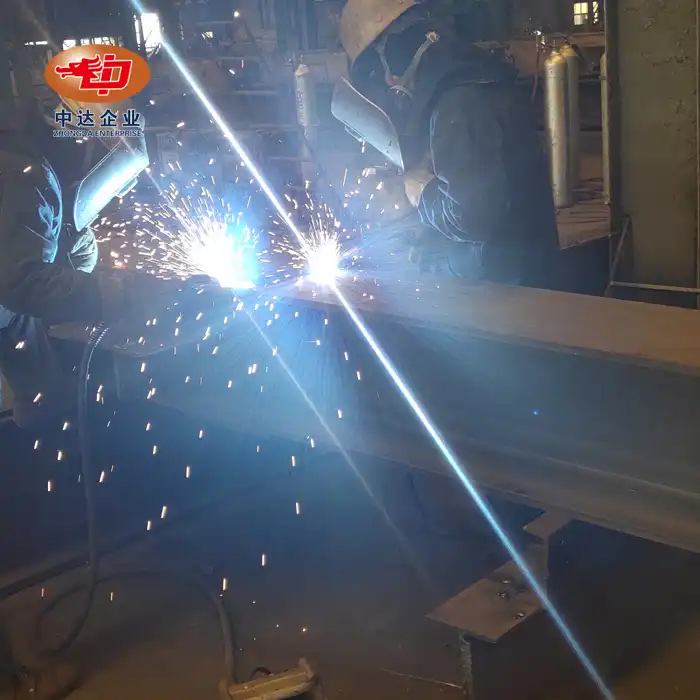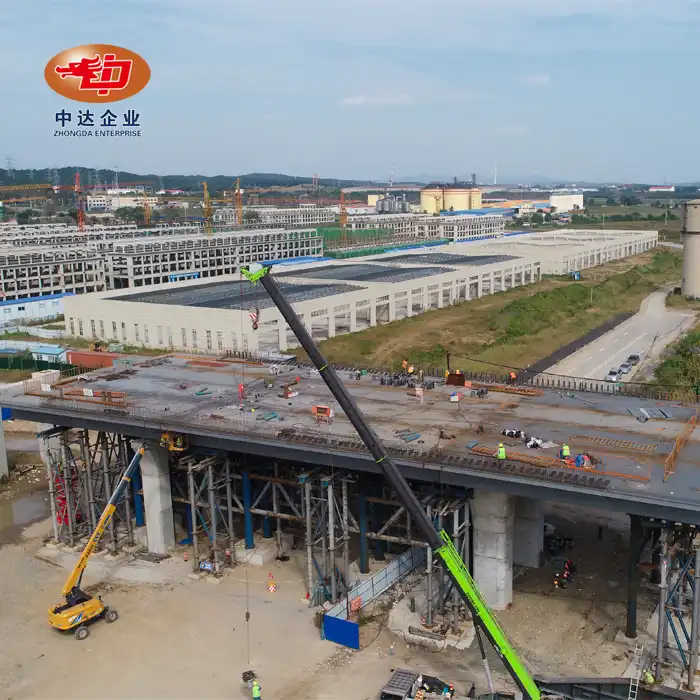






To lower the costs of buying things for big steel structure projects, you need to know a lot about how markets work, how to work with suppliers, and how to plan strategically. Buying steel structures takes up a big chunk of building budgets—about 15 to 25 percent of all project costs in business and industrial developments. Optimizing material specs, simplifying the source selection process, and using value engineering concepts without affecting the structure's soundness are all good ways to cut costs. Procurement pros can save a lot of money by carefully planning their purchases, buying in bulk, and building long-term relationships with qualified makers who consistently meet quality and delivery standards.
Understanding the Core Challenges in Steel Structure Procurement
There are a lot of problems that come up with big building projects that affect the costs and schedules. To keep project expenses from going over budget, these problems need to be carefully studied and planned for.
Material Price Volatility and Market Fluctuations
Steel prices change a lot because of the cost of raw materials, problems in the world supply chain, and changes in market demand. Industry data shows that steel costs can change by 20 to 30 percent in just one fiscal year. This makes it hard to plan budgets for long-term projects. To protect against bad price changes and keep projects feasible, procurement managers need to come up with trading strategies and flexible contract terms.
Complex Customization Requirements
In today's building projects, unique structure parts are often needed, which means that special manufacturing methods are needed. These needs for tailoring can make it more expensive to get materials, take longer to make, and make quality control harder. For projects with unique building designs or specific performance needs, design teams and producers need to work together closely to find cost-effective solutions.
Transportation and Logistics Expenses
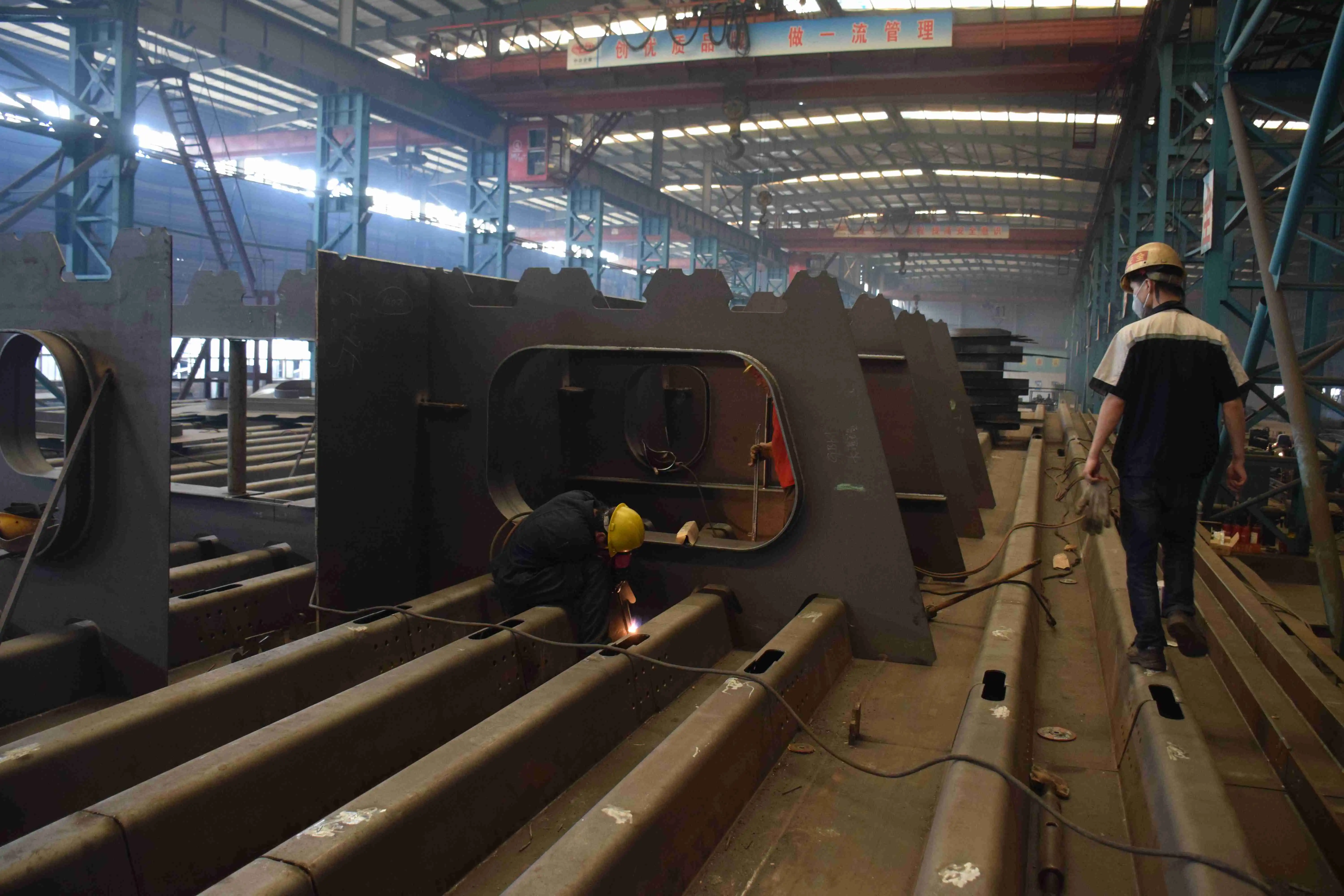
It is very hard to move big structure parts from factories to building sites because of transportation issues. Special licenses, security cars, and route planning are needed for oversize loads, which can add a lot to the cost of purchase. How far away providers are from project sites has a direct effect on shipping costs and arrival times.
Strategic Approaches to Lower Procurement Costs
To effectively lower costs across the board, you need a methodical approach that covers every part of the purchasing process while still meeting quality standards and project deadlines.
Bulk Purchasing and Volume Discounts
By agreeing to buy more for steel structure, buying teams can get better prices when they combine orders from different projects or stages. This method uses economies of scale to lower costs per unit while building better relationships with suppliers. Companies that are working on multiple projects at the same time can organize their buying dates to get better contract terms and take advantage of big purchasing opportunities.
Long-term Supplier Partnerships
By forming smart relationships with dependable steel structure makers, both parties can benefit from steady order numbers and simpler processes. Because of these connections, people often get better prices, more flexible schedules, and better quality control. When partners are sure that the business relationship will last, they are more likely to put money into projects that will improve processes and cut costs.
Design Optimization and Value Engineering
Getting buying teams and manufacturers involved in the design process from the very beginning of the planning process can help find ways to save money without sacrificing performance. Value engineering is the process of making the best use of materials, cutting down on waste, and making the making process easier. This method often shows other options that give the same results at lower costs by making creative changes to the design.
Comparing Steel Structure Types and Their Cost Implications
Depending on the needs of the project, the conditions of the site, and the performance standards, different structure systems have different cost patterns. Knowing these differences helps you make smart choices that balance short-term costs with long-term benefits.
Prefabricated versus Traditional Steel Structures
Because they are made in controlled settings and don't need as much work on-site, prefabricated steel systems usually save 10 to 15 percent of the cost of standard field-assembled buildings. Fabrication in a factory lets you keep a closer eye on quality, speed up installation, and cut down on delays caused by bad weather. But problems with transportation and getting to the site may make premade options impractical for some projects.
Material Grade and Performance Considerations
Choosing the right steel types for steel structure strikes a mix between performance needs and the cost of the materials. High-strength steels may cost more per ton, but they can make structures lighter and lessen the need for foundations. Even though the unit prices of the materials are higher, this improvement often leads to lower overall project costs. Modern weathering steels have longer service lives and lower upkeep costs, which means that uncovered buildings will be worth more in the long run.
Best Practices in Procurement Process Management
Effective purchase management sets up a set of steps that are followed in a certain order to keep costs low and risks to a minimum throughout the duration of a project.
Supplier Qualification and Selection Criteria
Comprehensive methods for evaluating suppliers look at their professional skills, quality certifications, financial health, and history of on-time deliveries. Suppliers who are qualified should keep up-to-date on industry standards like ISO 9001, AISC certification, and the right welding qualifications. These qualifications guarantee consistent quality and lower the chance of having to pay a lot of money to fix mistakes or delay a project because of poor materials.
Contract Terms and Risk Management
Clear specs, delivery dates, quality standards, and punishment terms for not performing are all parts of well-structured purchase contracts. Price increase agreements protect both parties from changes in the costs of materials and keep the project budget stable. To keep costs and delays to a minimum, good contracts also include ways to handle change orders, payment terms, and ways to settle disagreements.
Performance Monitoring and Continuous Improvement
Reviewing providers' success on a regular basis can help you find ways to improve processes and cut costs. Rates of on-time delivery, quality measures, and cost competitiveness are some examples of key performance indicators. With this data-driven method, buying teams can make smart choices about their ties with suppliers and find ways to make their operations run more smoothly.
Case Studies: Successful Cost Reduction in Large Steel Structure Projects
Real-life examples show how cost-cutting tactics can be used in the real world and how they can have a measured effect on the economics of a project.
Warehouse Distribution Center Optimization
A big shipping company cut the cost of steel structure for a 500,000-square-foot storage center by 18% by planning how to buy it in a smart way. The plan included involving suppliers early on in the design phase, making sure that structural parts were the same across multiple buildings, and planning supply times so that there was as little storage needed on-site as possible. This case shows how combined planning can save a lot of money while keeping the quality of the work and the schedule on track.
Industrial Manufacturing Facility
A company that makes cars cut the cost of structural parts for a new assembly plant by 22% by using modular design principles and setting up a favorite source program. Long-term promises to quantities were made in exchange for assured price and service performance. Custom manufacturing allowed for just-in-time shipping, which cut down on storing costs on-site and made it easier to handle cash flow during the building process.
Zhongda Steel: Your Strategic Procurement Partner
Zhongda Steel is a widely recognized leader in precision steel solutions. For more than 20 years, they have been making high-quality products for big building projects all over the world. Our company was established in 2004 and has its main office in the Shenyang Economic-Technological Development Zone. We have many certifications, such as ISO 9001/14001/OHSAS 45001 and EN 1090, which make sure that our quality is always the same and that we follow international rules.
Our new 120,000-square-meter building has advanced BIM-driven prefabrication tools and specialized technologies, such as -60°C Weathering Steel Anti-corrosion Technology and ultra-thick plate cutting with ±0.2mm accuracy. We serve a wide range of businesses, from commercial building to heavy industrial uses, with an annual production capacity of 60,000 tons.
Big companies like China Railway, CSCEC, and BMW trust us with their global projects. These include building an Arctic bridge in Russia, making mining tools for operations in Australia, and developing an industry hub all over Vietnam. We can understand the unique difficulties that different markets and businesses face when it comes to buying thanks to our foreign experience.
Conclusion
To effectively lower costs when buying big steel structures, you need a complete plan that takes into account market issues through strategic planning, building relationships with suppliers, and improving the process. To save money without lowering quality or performance, good procurement teams take advantage of big buying opportunities, build long-term relationships with reliable makers, and use value engineering concepts. When you combine new technologies, uniform processes, and efforts to make things better all the time, you get long-lasting competitive advantages that help both individual projects and the long-term success of your business. These tactics help buying professionals deal with unstable markets while still giving their companies and clients better value.
FAQs
What are the main things that affect how much it costs to buy a steel structure?
Costs are mostly affected by the prices of raw materials, how hard the design is to make, how far the goods have to be shipped, how long the project has to be completed, and the quality standards. Steel prices are greatly affected by changes in the market, and unique designs and tight deadlines can make fabrication more expensive. Transportation costs are affected by where something is located, and products that need to work better usually come with higher prices.
How do steel buildings that are already built help save money overall?
Costs are lower with prefabricated systems because they are easier to inspect for quality, can be put together faster, need less workers on-site, and are less likely to be delayed by bad weather. Factory manufacturing makes better use of materials and cuts down on waste, while also making schedules and costs more reliable. Due to these advantages, projects often end up saving 10-15% more than they would have with standard field building methods.
What should be done to find steel structure suppliers you can trust?
Technical skills, quality standards (ISO 9001, AISC), financial security, a history of on-time delivery, and closeness to project sites are some of the most important things that go into the selection process. Suppliers should show consistent quality by writing down their processes, making sure they have the right insurance, and giving examples from projects that are similar to yours. Following business standards and government rules is made sure of by certification compliance.
Partner with Zhongda for Cost-Effective Steel Structure Solutions
When you buy steel structures from Zhongda, you get the best value because they mix advanced manufacturing skills with low prices. Our precise cutting technologies and BIM-driven prefabrication methods allow us to cut costs without lowering quality standards. We know what procurement managers face in today's competitive market because we've worked on many large industry and building projects around the world. Are you ready to improve the way you buy steel structures? Get in touch with us atAva@zd-steels.com to talk about your unique project needs and find out how our steel structure maker services can help you save money on your next project.
References
American Institute of Steel Construction. "Steel Construction Manual: Design Examples and Best Practices for Cost-Effective Procurement." AISC Publications, 15th Edition, 2021.
Construction Industry Institute. "Best Practices for Steel Structure Procurement in Large-Scale Projects: A Comprehensive Analysis of Cost Reduction Strategies." CII Research Report 342-1, 2022.
International Association of Bridge and Structural Engineering. "Economic Optimization in Steel Structure Design and Procurement: Global Perspectives and Case Studies." IABSE Structural Engineering Documents, Volume 18, 2023.
World Steel Association. "Steel Market Dynamics and Procurement Strategies: Impact on Construction Project Economics." WSA Technical Bulletin TB-2023-07, 2023.
Engineering News-Record. "Cost Management Strategies for Large Steel Structure Projects: Industry Survey and Analysis." ENR Special Report on Construction Economics, March 2023.
National Institute of Building Sciences. "Value Engineering Applications in Steel Structure Procurement: Methods for Achieving Cost Reduction While Maintaining Performance Standards." NIBS Technical Guide TG-2022-15, 2022.
_1755137539095.png "warehouse structures")
_副本_1755241212578.png "prefab steel warehouse")