





When you buy a steel truss bridge from a Chinese company, you need to make sure you get a good one by looking at their qualifications, as well as their certifications, the materials they use, and how they make the bridges. To make sure that the structure stays strong and the product works well over time, buyers from other countries need to check ISO certifications, look at ASTM material standards, do full inspections with non-destructive testing methods, and set up clear quality control rules for both the manufacturing and shipping stages.
Understanding the Importance of Quality in Steel Truss Bridge Procurement
Quality assurance in bridge buying has a direct effect on the success of the project and the safety of the public. Infrastructure projects need to make sure that the structures they build will last for decades and will not lose their strength when the load or weather conditions change.
International Safety and Durability Standards
Bridge designs must follow strict rules from around the world, such as AASHTO guidelines for highway bridges and ISO rules for quality management. These standards set the lowest acceptable levels for the strength of materials, how much the manufacturing process can vary, and the performance of a product. These levels protect people who use the product and make sure it lasts a long time.
Common Quality Challenges in Bridge Procurement
Material inconsistencies that can hurt structure performance are things that procurement teams see all the time. Some mistakes in fabrication, like not enough welding depth or incorrect dimensions, may not be noticed until the installation stages. This can make fixing them very expensive. Another important risk factor that needs to be managed ahead of time is damage that happens during shipping. This can be avoided by using the right packing and handling methods.
These quality problems cause a chain reaction that includes delays in projects, going over budget, and possible safety issues. These can hurt the names of contractors and hurt relationships with clients. Procurement pros can protect project outcomes by understanding these problems and taking steps to avoid them.
Key Factors to Evaluate When Selecting a Steel Truss Bridge Supplier in China
The systematic review of many factors that show how well a company can make things and how much it cares about quality is needed to choose a supplier. Good evaluation lowers the risks involved in procurement and lays the groundwork for successful long-term relationships.
Certification and Quality Management Systems
Verified certifications show that the provider is committed to managing quality and controlling processes. ISO 9001 approval shows that you are managing quality in an organized way, and EN 1090 compliance means that you are following European standards for structural steelwork execution. Third-party inspection reports show that the manufacturing methods and product quality are correct.
Manufacturing Expertise and Track Record
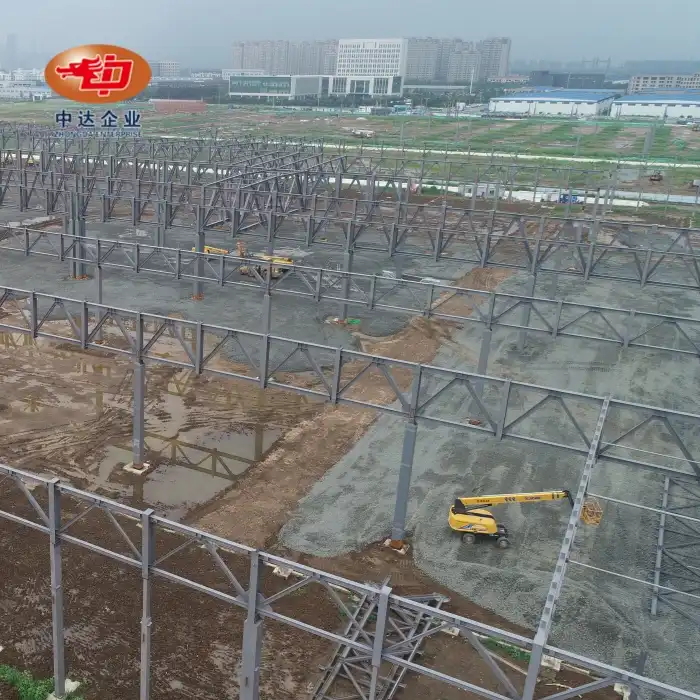
Established builders with experience in steel truss bridge building show they are technically skilled through portfolios of completed projects. This kind of knowledge is shown by Shenyang Zhongda Steel Structure Engineering, which has worked on more than 60 major projects, such as the 18,000-ton Shenyang Dongta Cross-Hunhe River Bridge and several building projects for CSCEC and China Railway.


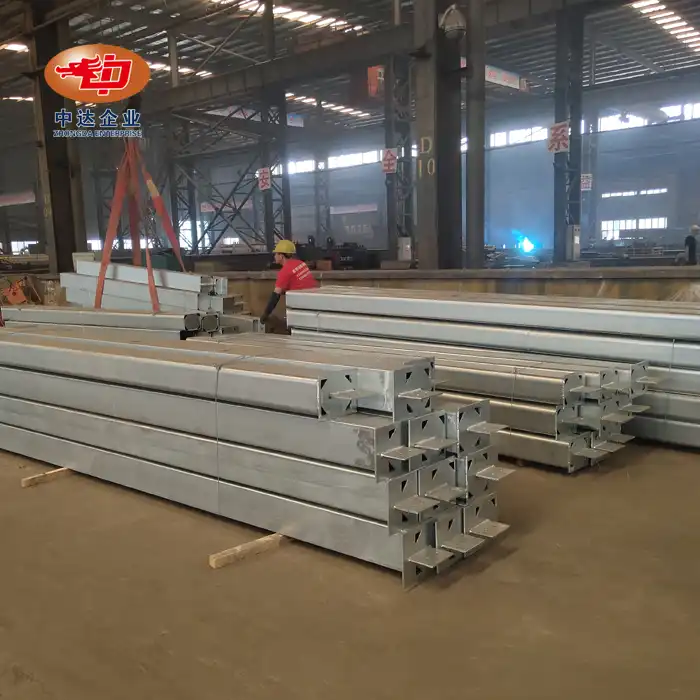
Making things in-house is better for quality control than having someone else do it. When it comes to resisting lamellar tearing, advanced steel grades such as ASTM A709 Gr.50 with Z35 Z-direction performance work better. At the same time, complex anti-corrosion systems with multiple layers of defense can extend the service life of materials.
Supply Chain Transparency and Ethical Practices
Open supply lines let customers check where materials come from and how products are made. Ethical sourcing ensures that workers follow international rules and protects the environment. This supports long-term sourcing goals while keeping quality the same.
Essential Quality Control Measures During Fabrication and Shipping
Quality control in every step, from checking the raw materials to the final delivery, is very important. If you follow these steps every time, you will avoid mistakes and make sure that the product stays safe all the way through the supply chain.
Material Testing and Inspection Protocols
An examination of chemical composition confirms the standards for steel grades and the mechanical properties that are needed for structural performance. Magnetic Particle Testing (MT), Ultrasonic Testing (UT), and other non-destructive testing methods find internal problems that could make the structure weak. Full-node inspection makes sure the weld is good at important connection places where stress builds up.
Fabrication Quality Standards
Dimensional accuracy in fabrication makes sure that the installation steps can fit it all together correctly. AWS guidelines must be followed for welding, and important connections must be made by certified welders. To get the thickness and level of adhesion that are wanted, surface preparation and coating application have to be done in controlled settings.
Advanced makers use modular design methods that make it possible to put things together quickly without hurting how well they work structurally. The Warren and Pratt truss designs spread the load most efficiently over distances of 30 to 150 meters, which makes them useful for a variety of projects.
Packaging and Transportation Management
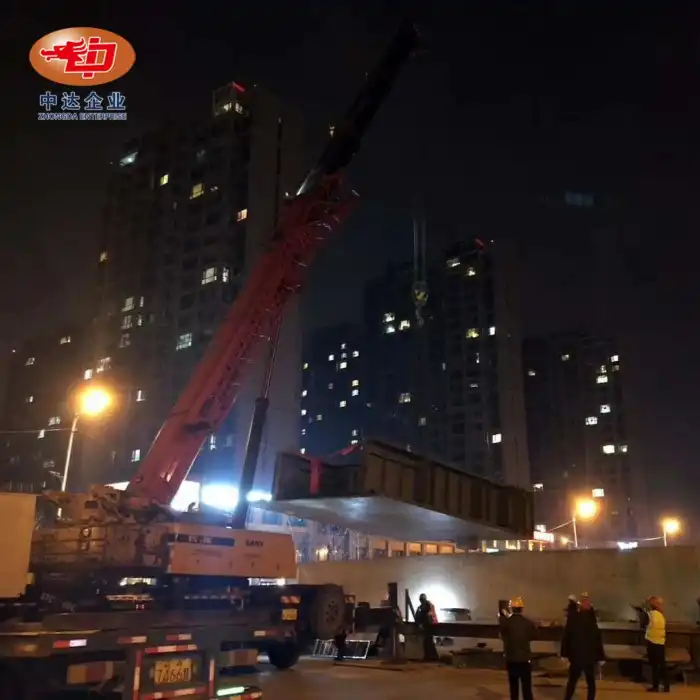
Protective packaging methods keep the contents safe during shipping, and they also keep the parts in the right place and maintain the quality of the surface. Real-time tracking systems make it possible to keep an eye on shipping at all stages, and focused logistics planning makes sure deliveries are on time to project sites.
Case Studies: Successful Procurement of Steel Truss Bridges from China
Real-life examples show good ways to control quality and how they affect the results of projects. People who work in buying and want to copy what has worked in these cases can learn a lot from them.
Large-Scale Infrastructure Projects
The Jingha Expressway expansion project is an example of good teamwork between Chinese construction companies and foreign planning firms. Staged checks, material traceability systems, and performance tests that proved the design specifications were all part of strict quality standards. The job was finished early because the delivery was on time and the quality was right.
Emergency and Modular Bridge Solutions
Emergency bridge operations need to be able to be put together quickly without hurting how well they hold up. Take-apart steel truss bridge systems that can span 200 meters in 48 hours show that engineering and industrial precision have come a long way. These examples show why modular design concepts and pre-assembly testing are important for making sure that field installation works.
The ability to carry up to 100 tons of highway-level load meets a range of traffic needs, and designs that are resistant to seismic activity make it safer. These features come from in-depth engineering study and quality control that makes sure consistent performance across a range of uses.
About Shenyang Zhongda Steel Structure Engineering Co., Ltd.
Zhongda Steel was started in 2004 and is based in the Shenyang Economic-Technological Development Zone. It is a world-certified company that leads in precision steel solutions. The company is committed to quality management and environmental duty. It holds a wide range of certifications, such as ISO 9001, ISO 14001, OHSAS 45001, and EN 1090.
Manufacturing Capabilities and Innovation
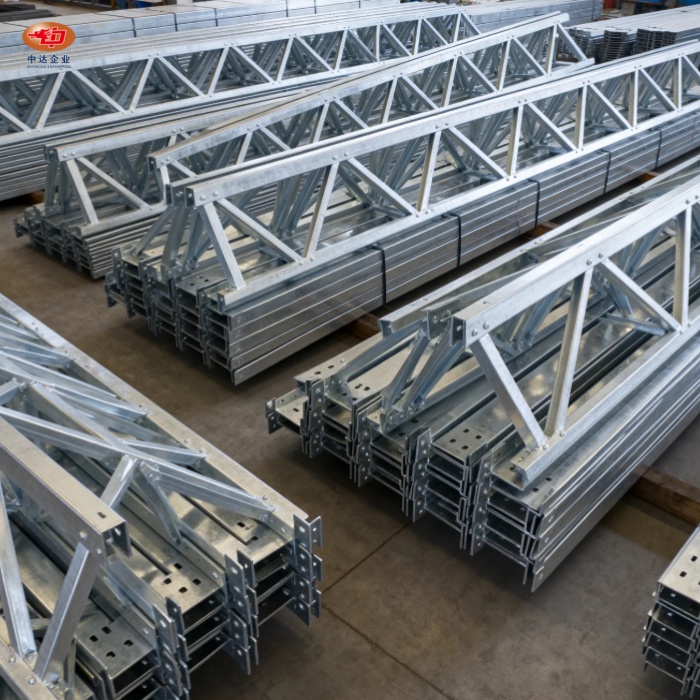
The modern building covers 120,000 square meters and has cutting-edge tools, like 50-ton crane systems for moving big parts, that let it make 60,000 tons of product a year. BIM-driven prefabrication makes things more accurate and takes less time to put together and install.
-60°C Weathering Steel anti-corrosion systems and the ability to cut ultra-thick plates with ±0.2mm precision are examples of specialized technologies. These new ideas make it possible for products to work better in difficult conditions while still keeping the manufacturing limits low.
Product Range and Customization
Heavy-duty bridge solutions can handle lengths from 30 to 150 meters and up to 100 tons of weight for highway use. Using Warren and Pratt truss configurations will make the best use of materials, and zinc spray (160μm) and polyurethane topcoats are modern anti-corrosion treatments that will make the service life longer.
OEM and ODM services make it possible to customize for specific project needs, such as being able to be used in an emergency or having to deal with special loading circumstances. Vertically integrated operations from R&D to building make sure that quality is always the same and that projects run smoothly.
Conclusion
When you buy a steel truss bridge, quality assurance means you have to look at the supplier's skills, how they make things, and their quality control steps in a planned-out way. Success in this case relies on checking credentials, looking at past performance, and making sure that thorough inspection rules are followed during both the making and delivery stages. Zhongda Steel is an example of how cutting-edge technology, strict quality control, and years of experience can help international customers looking for dependable bridge options. Choosing the right suppliers carefully and managing quality proactively helps buying succeed, the structure performs well over time, and safety rules are followed.
FAQs
When picking a steel truss bridge supplier, which licenses are the most important to me?
ISO 9001 is for quality management systems, EN 1090 is for structural steelwork execution, and AWS certification is for welding processes. These certificates show that quality is checked regularly and that builders follow the global rules that are necessary for building bridges.
How can I directly test the quality of steel materials?
Ask for data on mechanical properties, chemical composition, and inspections from a third party. Do your own tests on the materials, including impact testing and proof of tensile strength, to make sure they meet ASTM standards.
For steel truss bridges from China, what are the usual lead times?
Most standard projects take between 8 and 16 weeks, based on how hard they are and how much they need to be changed for specific needs. For pressing needs, emergency bridge solutions can be delivered in 2 to 4 weeks. On the other hand, big infrastructure projects might have to wait 20 to 30 weeks for the whole thing to be made and delivered.
Partner with Zhongda for Your Next Steel Truss Bridge Plan
For your infrastructure needs, Zhongda Steel uses the latest in manufacturing technology and twenty years of technical experience to make the best bridges. Our proven track record shows that we can meet a wide range of project needs, including great collaborations with China Railway, CSCEC, and BMW. As a top maker of steel truss bridges, we ensure your project is a success by offering full support from the first design to the final installation with strict quality checks and creative engineering solutions. Ready to talk about what you need? If you want to talk to professionals and get a full project review, email us at Ava@zd-steels.com.
References
American Association of State Highway and Transportation Officials. (2020). LRFD Bridge Design Specifications. 9th Edition. Washington, DC: AASHTO Press.
European Committee for Standardization. (2019). EN 1090-2: Execution of steel structures and aluminium structures - Part 2: Technical requirements for steel structures. Brussels: CEN.
American Welding Society. (2020). AWS D1.5/D1.5M: Bridge Welding Code. 8th Edition. Miami: AWS Press.
International Organization for Standardization. (2015). ISO 9001:2015 Quality management systems - Requirements. Geneva: ISO Publications.
ASTM International. (2018). ASTM A709/A709M: Standard Specification for Structural Steel for Bridges. West Conshohocken: ASTM International.
Federal Highway Administration. (2019). Manual for Bridge Element Inspection. 2nd Edition. Washington, DC: U.S. Department of Transportation.
_副本_1755847812558.jpg "building steel structure")
_副本_1762324991500_1788850629424.jpg "steel beam construction")