






Finite Element Analysis (FEA) is very important to current steel girder design because it lets engineers use complex math to predict how the structure will react to different kinds of weight. Using this advanced way of analysis makes it possible to accurately predict how stress will be distributed, how bending will happen, and how failure will occur in steel girder systems before they are actually built. Engineers can improve the performance of solid steel parts, make sure they meet safety rules, lower material prices, and improve designs through thorough modeling.
Understanding Steel Girders and Their Design Challenges
In today's building, a lot of different kinds of solid steel bars are used to hold up bridges, businesses, and factories. The engineering community knows that these important parts can be put into different groups, and each one is used for a different reason when building new infrastructure.
Types of Steel Girders in Modern Construction
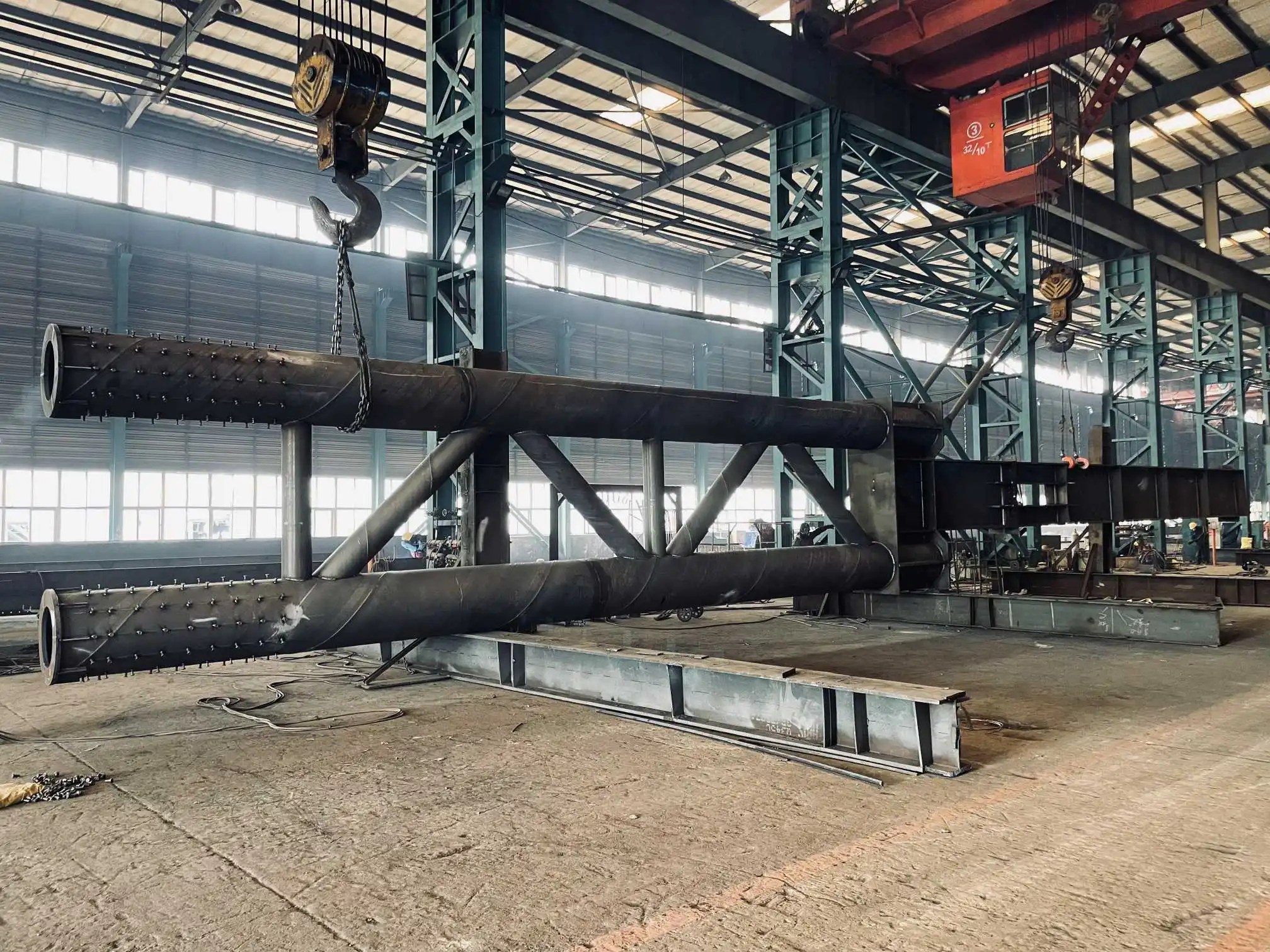
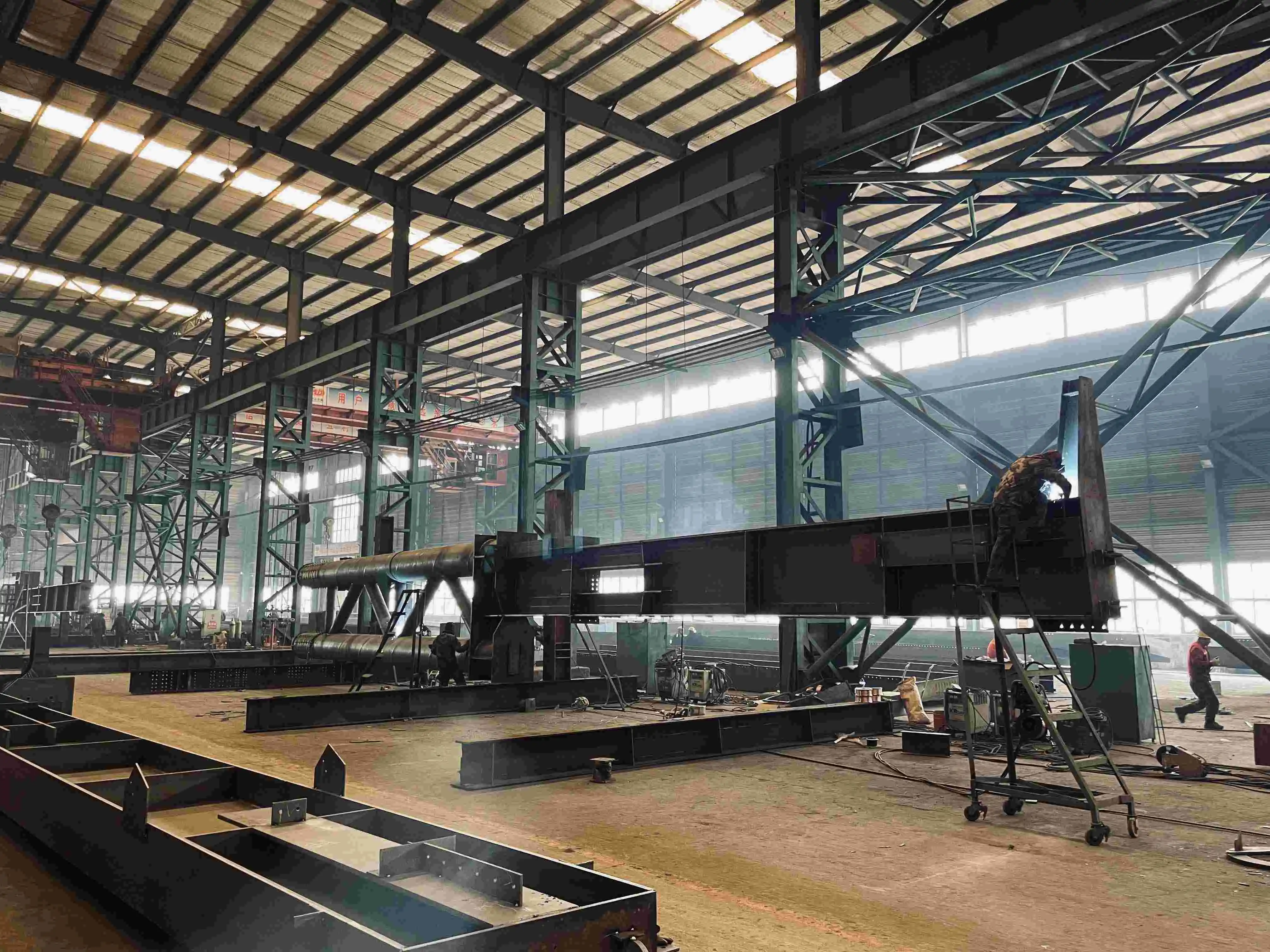
I-girders are the most common type of structural steel beam. Their I-shaped cross-section makes them great for medium-span uses because they have a good strength-to-weight ratio. Because of their hollow rectangular shape, box girders have better twisting resistance, which makes them perfect for buildings with long spans and bent bridges. Composite girders are made of steel pieces and concrete slabs. These combination systems make the best use of both materials and lower the weight of the whole building.
Each kind of girder is made to meet certain technical needs for projects of all sizes. I-girders are commonly used in commercial building development because they are easy to make and cheap, but box girders are better for bridges because they can handle complicated stress situations. Composite systems are often used in industrial buildings to make them more structurally sound and fire resistant.
Complex Engineering Challenges in Steel Design
When dealing with the complex stress patterns in today's steel buildings, traditional planning methods don't work very well. When it comes to figuring out by hand how dynamic loading conditions, heat effects, and the complicated relationships between different parts of a structure work together, it can be very hard. Because of these problems, designs are often too cautious, which raises the cost of materials without making them safer.
It is also hard to make things that don't corrode, especially for buildings that are in tough environments. It can be hard to come up with good ways to keep things working when standard planning methods don't show much about how things break down over time. When standard methods can't predict localized stress concentrations, it can cause surprising failure modes that weaken the structure.
Finite Element Analysis (FEA): Revolutionizing Steel Girder Design
Using advanced modeling methods, computational engineering has changed the way that structural engineers deal with difficult design issues. Finite element analysis (FEA) takes complex shapes and turns them into simpler parts. This lets you study how a structure behaves when it's used in real life.
The FEA Process and Methodology
The first step in the analysis process is to make an exact geometric model that shows all of the important structure details, like how the parts are connected, how the materials change, and any geometric jumps. Here is the meaning of material trait. It includes elastic modulus, yield strength, wear features, and behavior that depends on temperature. Mesh creation breaks the structure up into limited parts, and polishing focuses on areas where stress is expected to build up.
The application of border conditions and loading are two very important steps that affect the accuracy of the study. To get accurate modeling results, engineers need to carefully take into account things like how much weight is on something, temperature changes, and forces that can cause motion. To find the displacement fields, stress distributions, and strain patterns in the whole structure, solution programs take this data and do calculations on it.
Advantages Over Traditional Design Methods
Finite element analysis (FEA) gives us a level of detail about how structures behave that we can't get from older methods. This technology makes it possible to see where stress is flowing, find places where failure might happen, and figure out exactly how safe a design is by using very tight tolerances on the numbers. Parametric studies that quickly and cheaply test a bunch of different setups make design improvement possible.
When engineers don't have to rely on actual samples and can instead use computer methods to check their plans, the time it takes to develop projects drops a lot. As FEA shows areas of under-used capacity, material optimization happens on its own so that designers can move material around for the best efficiency. The approach makes it possible to study new forms that can't be analyzed with older techniques.
Practical Applications and Case Studies of FEA in Steel Girder Design
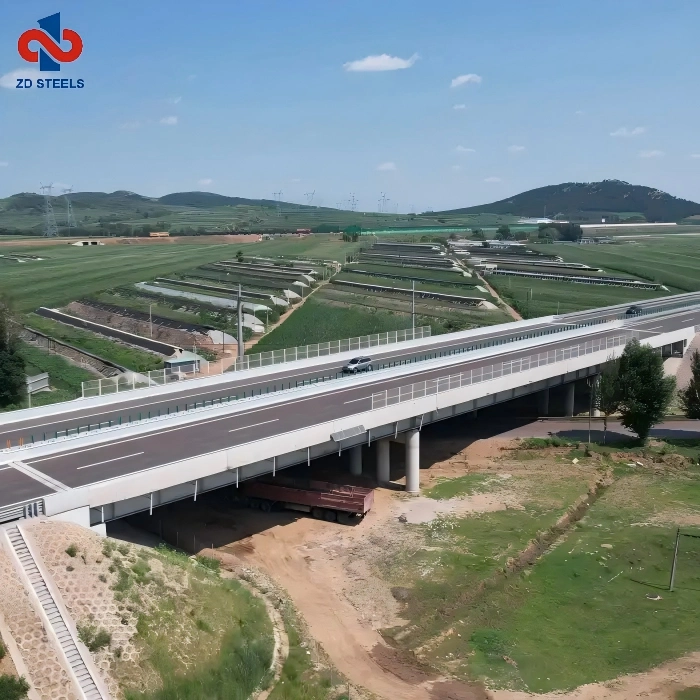
When FEA technology is used in the real world, it shows that it is very helpful in a lot of different areas of building. Through the use of better steel girder designs that meet or exceed original safety standards, bridge building projects have saved a lot of material.
Safety and Compliance Verification
When engineers show that a structure is safe with in-depth simulations, it is easier for regulatory compliance to be met. FEA makes it possible to check the dynamic reaction traits, wear life forecasts, and load capacity limits that building rules say are necessary. The technology makes it possible to create performance-based designs that go beyond the bare minimum and make the best use of resources.
Finding critical failure modes helps engineers fix possible problems before they start building. The simulation results show where a lot of stress will be, where bending might happen, and how progressive failure sequences look. This information helps to make changes to the design. This cautious method lowers the chances of having to pay damages and makes sure that the structure will last a long time.
Material Optimization and Cost Reduction
In North America, bridge building projects have shown that FEA-guided design improvement can save a lot of money. By moving around the steel parts in a smart way, engineers are able to lower the amount of material used by 15% to 20% without changing the safety factors. These saves lead straight to better project costs and better competitiveness in B2B buying situations.
The ability to accurately measure the risk of rust and the impact of heat on a structure's entire lifespan is made possible by environmental stress modeling. Based on expected stress patterns, engineers can figure out what protection coatings are needed, how to make expansion joint systems, and when to do upkeep. This all-encompassing method lowers overall costs and extends the length of time services can be used.
Implementing FEA in Your Steel Girder Projects: Best Practices and Considerations
If you want to be able to do computational research, you need to plan ahead and make sure that the engineers and buying teams work together. When choosing software, it is important to make sure that it is compliant with industry standards, that it can be used by people easily, and that it can be used to analyze data.
Software Selection and Team Collaboration
Commercial FEA tools differ a lot in how well they work, how easy or hard they are to learn, and how widely the companies that make them do business with people in their industries. ANSYS, ABAQUS, and SAP2000 are some of the best software programs that offer specialized tools for analyzing steel girder. When choosing software, the difficulty of the project, how much the team knows, and the client's needs for output forms should all be taken into account.
Collaboration across functions makes sure that analytical ideas are correctly turned into purchase specs and manufacturing needs. The buying staff should know what the engineering teams want to do so that they can choose a provider based on professional skills instead of just looking at the cost. This planning stops the building process from having mistakes that cost a lot of money.
Common Pitfalls and Quality Assurance
The quality of the mesh has a big impact on how accurate the analysis is, especially in areas where stress is concentrated around links and geometry changes. If the mesh density is too low, it can hide important ways that things can go wrong, and if the mesh density is too high, it wastes computer time without helping the results. When experts check that the results of a simulation are in line with engineering sense by doing simple calculations by hand, it helps show that the results are correct.
Another common mistake that can make whole studies useless is boundary condition models. Support conditions must accurately reflect real building details, such as construction order, friction effects, and partial fixity. Sensitivity studies and iterative revision are useful for finding modeling assumptions that have a big effect on the outcome.
Zhongda Steel: Advanced Steel Girder Solutions with FEA-Enhanced Design
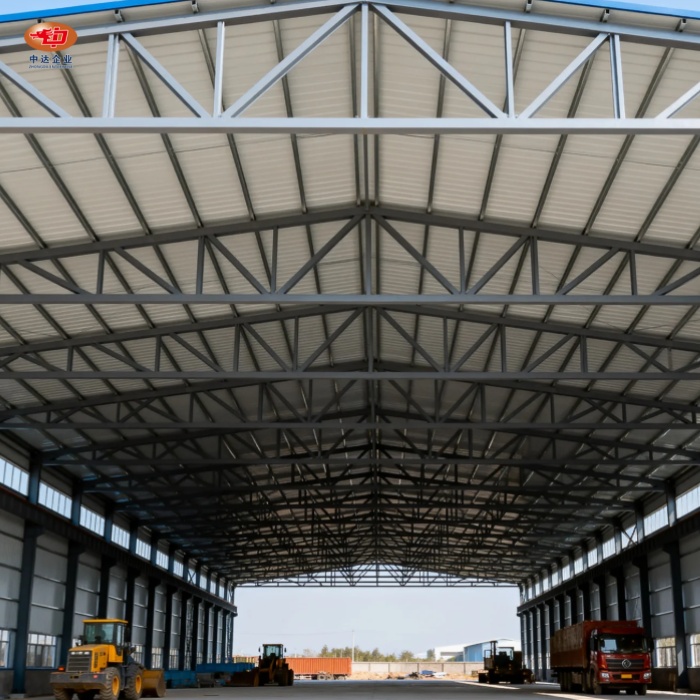
Zhongda Steel is a world-certified expert in precision steel solutions. They have been in the business for decades and use the latest engineering technologies, such as FEA-supported design. Our state-of-the-art 120,000 m² building in the Shenyang Economic-Technological Development Zone is the height of current steel manufacturing technology. This lets us provide the best structure solutions for difficult B2B project needs.
Technical Capabilities and Certifications
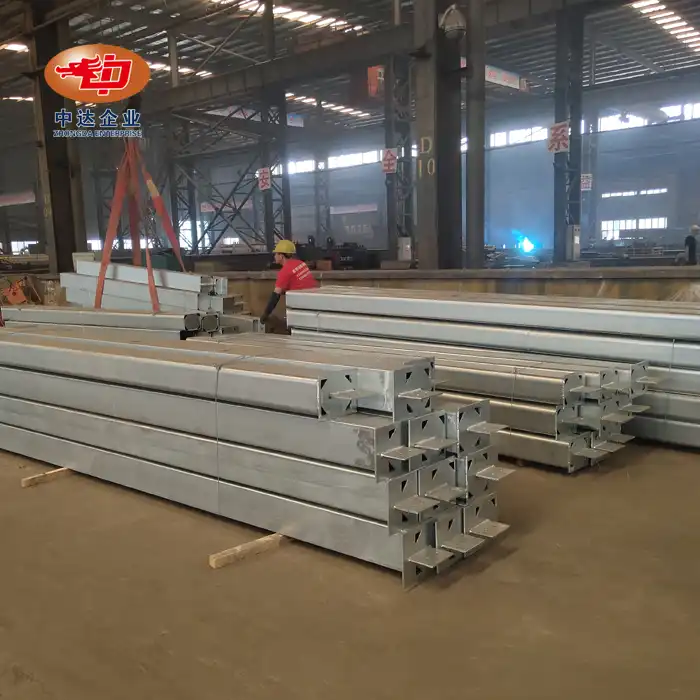
We are committed to quality and safety standards, as shown by our broad range of certifications, such as ISO 9001, ISO 14001, OHSAS 45001, and EN 1090. With its ability to cut ultra-thick plates with an accuracy of ±0.2mm, the facility's 60,000-ton annual capacity can support big projects. Our BIM-driven prefabrication process works perfectly with FEA tools to make sure that the way the design is meant to look is how it ends up looking in the made parts.
Our own Weathering Steel Anti-corrosion Technology, which works at -60°C, is one of the specialized features that deals with the environmental issues found by FEA analysis. This new idea provides great value for building projects around the world; it lengthens the service life of things in difficult conditions and lowers the need for upkeep.
Global Project Experience
Some of the hard projects in Zhongda's collection are Arctic bridges in Russia, mining equipment buildings in Australia, and industrial hubs in Vietnam. These different uses show that we can turn FEA ideas into useful answers that meet strict performance standards in a range of operating and climate situations.
China Railway, CSCEC, and BMW are some of the companies that trust us enough to work with us, which shows that they believe in our technical skills and the stability of our deliveries. Our unified method of bringing together deep study, exact production, and all-around project help from the beginning with design to the end with long-term upkeep advice makes every project better.
Conclusion
Finite Element Analysis has changed the way steel girders are made by giving engineers strong tools that let them improve how well a structure works, lower costs, and make sure that it is safe. The technology makes it possible to do a thorough modeling of complicated loading situations, weather effects, and patterns of long-term decline that can't be done properly with older methods. In order to get reliable results, careful software selection, teamwork across functions, and strict quality testing practices are needed for successful execution. As computers keep getting more powerful, FEA will be used more and more to help make new structure designs that meet the needs of the construction industry. These needs include greater efficiency, better sustainability, and higher performance.
FAQs
How does FEA improve load capacity assessment compared to traditional calculation methods?
Finite element analysis (FEA) shows exactly how stress and load are distributed across a building. This is something that simple methods can't do. This deep understanding lets engineers find the real load-carrying ability while making the most efficient use of materials. Traditional methods often rely on safe assumptions that may lower the real strength of a structure.
Can FEA accurately predict corrosion risks in steel structures?
Finite element analysis can't directly show how rust works, but it can show where there is a lot of stress in a material since that's where corrosion is most likely to start. When used alongside external load models, FEA helps engineers come up with repair plans and protection systems that focus on the most at-risk areas. This ability to predict greatly enhances the long-term strength of structures.
What impact does FEA integration have on project lead times and procurement schedules?
FEA integration usually cuts the overall time a project takes by not having to change the design during the steps of building and manufacturing. While the first study might take more time, computer evaluation speeds up the approval process and makes changes in the field less likely. Most projects get 10-15% more net schedule time by improving design trust and lowering the number of changes that need to be made.
Partner with Zhongda for Advanced Steel Girder Solutions
Zhongda Steel offers the best structural steel services for your most difficult projects by combining top-of-the-line production with modern FEA-enhanced design services. Our skilled engineers use advanced computer programs and their deep knowledge of how to make things to guarantee that they work well and are cheap. Whether you need custom girder manufacturing, large steel girder source agreements, or complete project support, we have the technical skills and global supply capabilities your projects need. To talk about how our FEA-optimized steel can help your next structure project, email us at Ava@zd-steels.com.
References
Chen, W.F. and Duan, L. (2014). "Bridge Engineering Handbook: Fundamentals, Second Edition." CRC Press, Boca Raton, Florida.
Zienkiewicz, O.C., Taylor, R.L., and Zhu, J.Z. (2013). "The Finite Element Method: Its Basis and Fundamentals, Seventh Edition." Butterworth-Heinemann, Oxford.
American Institute of Steel Construction (2017). "Steel Construction Manual, 15th Edition." AISC, Chicago, Illinois.
Gallagher, R.H. (1975). "Finite Element Analysis: Fundamentals." Prentice-Hall, Englewood Cliffs, New Jersey.
Salmon, C.G., Johnson, J.E., and Malhas, F.A. (2008). "Steel Structures: Design and Behavior, Fifth Edition." Pearson Prentice Hall, Upper Saddle River.
Logan, D.L. (2016). "A First Course in the Finite Element Method, Sixth Edition." Cengage Learning, Boston, Massachusetts.
_副本_1755847812558.jpg "building steel structure")
_1757053607005.png "metal beams for carports")
_1746242605579.webp "Hard Rock TBM Shield Casing")