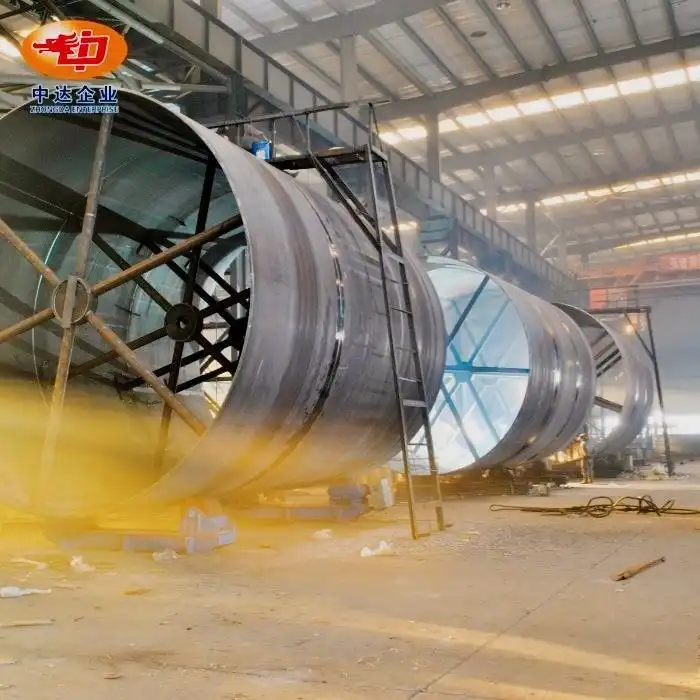






To get personalized steel truss bridges for jobs that are far away, you need to plan ahead, carefully choose your vendors, and coordinate all of your tasks. The process includes making clear technical specifications, working with certified manufacturers who offer modular designs, setting up clear communication channels for monitoring the project in real time, and putting in place strong quality control measures during the fabrication and delivery phases to make sure the structure meets the needs of the project.
Understanding Customized Steel Truss Bridges for Remote Applications
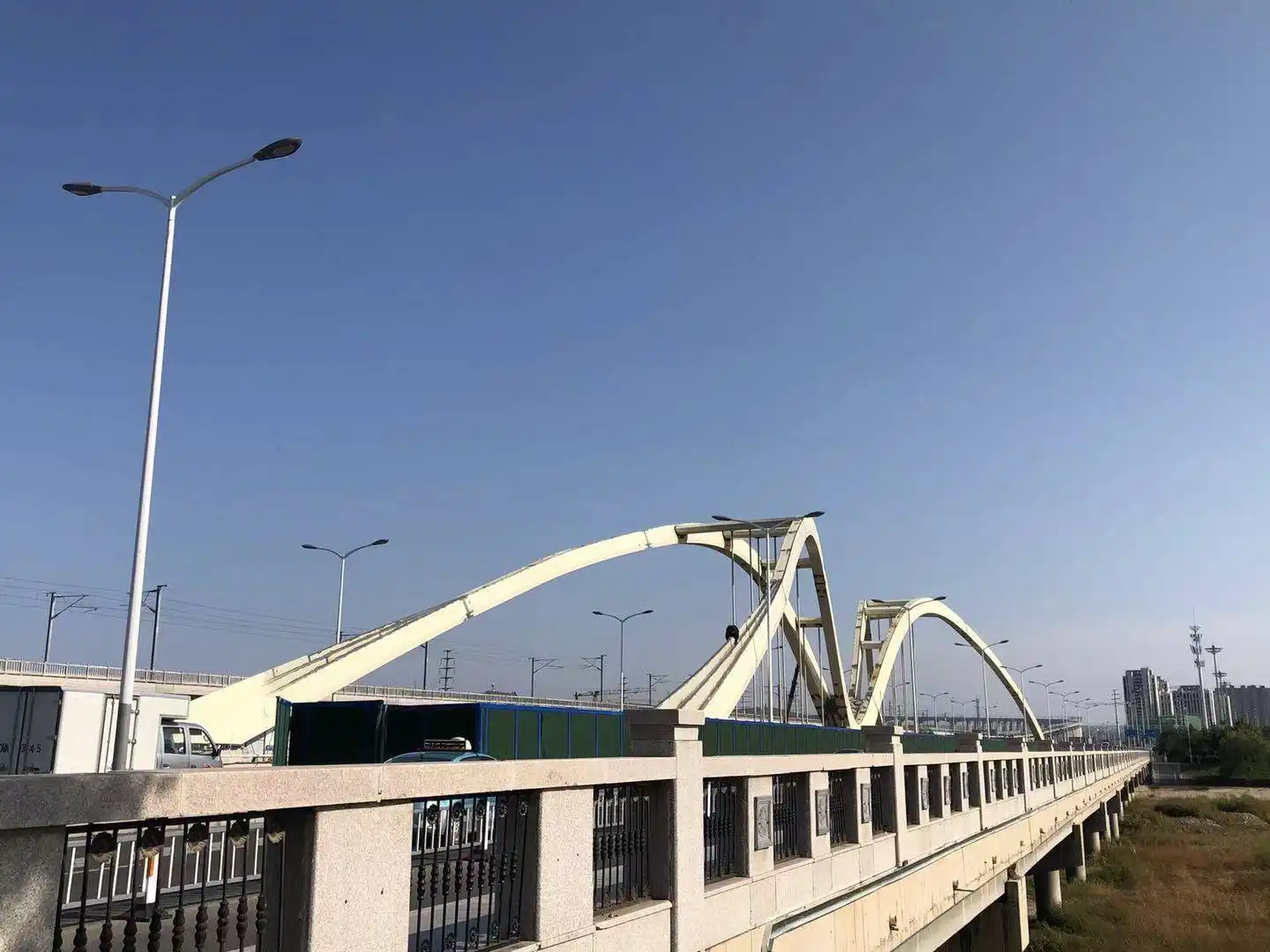
Steel truss bridges are engineering wonders that use triangle-shaped steel members that are linked to each other to spread loads evenly across spans. These structure systems work great for remote uses because they are lightweight, can be put together in modules, and have high strength-to-weight ratios that make them easy to move and set up in difficult places.
Design Principles and Load Distribution Mechanisms
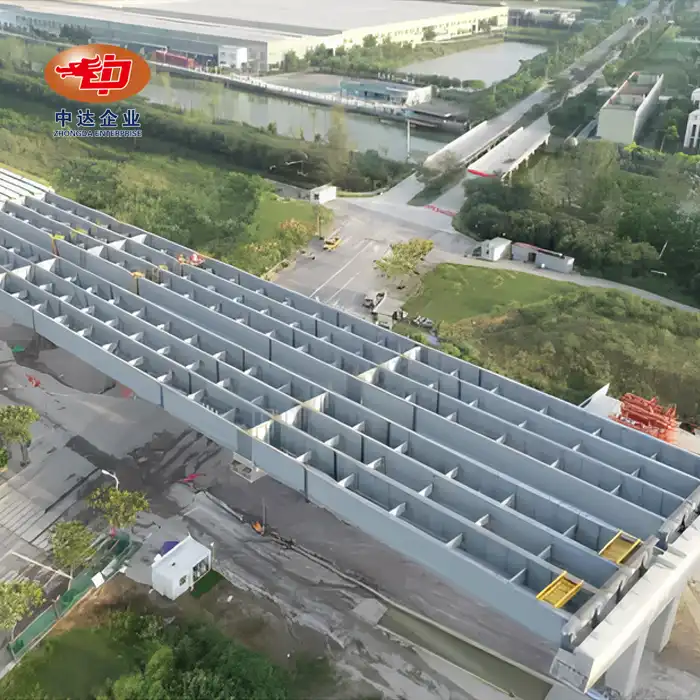
The basic idea behind truss systems is based on triangular geometry, which makes stable building blocks that don't bend when they're loaded. The Warren and Pratt configurations are the two main types of trusses, and each has its own benefits for different uses. Warren trusses have diagonal members that make equal-sided triangles without vertical posts. This makes them great for spreading loads over spans of 30 to 150 meters. Pratt trusses use both vertical compression members and lateral tension members to make the best use of materials and keep the structure's economy high.
Modern steel truss bridges are made of high-quality materials, like ASTM A709 Gr.50 steel with Z35 Z-direction qualities that stop lamellar tears and keep the structure strong even when it's under a lot of stress. This material standard allows highway-level loads of up to 100 tons. This means that these bridges can be used in heavy industry, for emergency situations, and for long-term infrastructure projects.
Modular Assembly Advantages for Remote Deployment
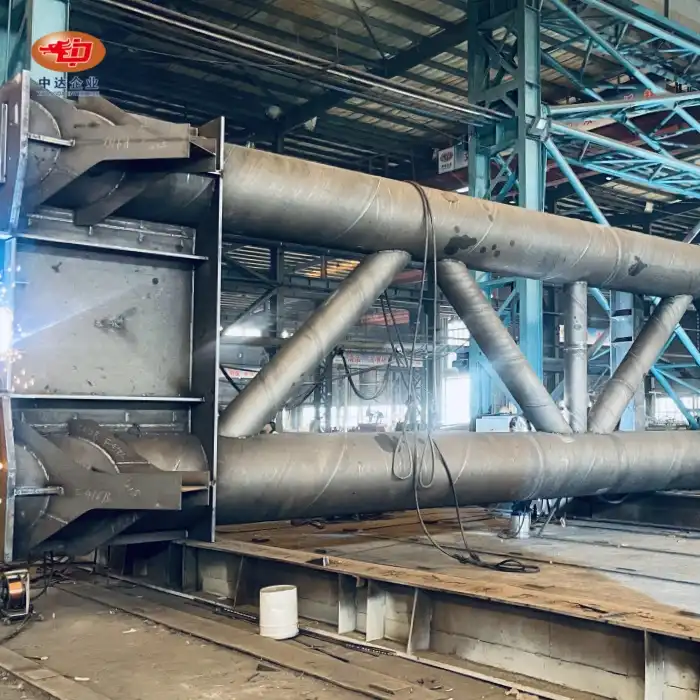
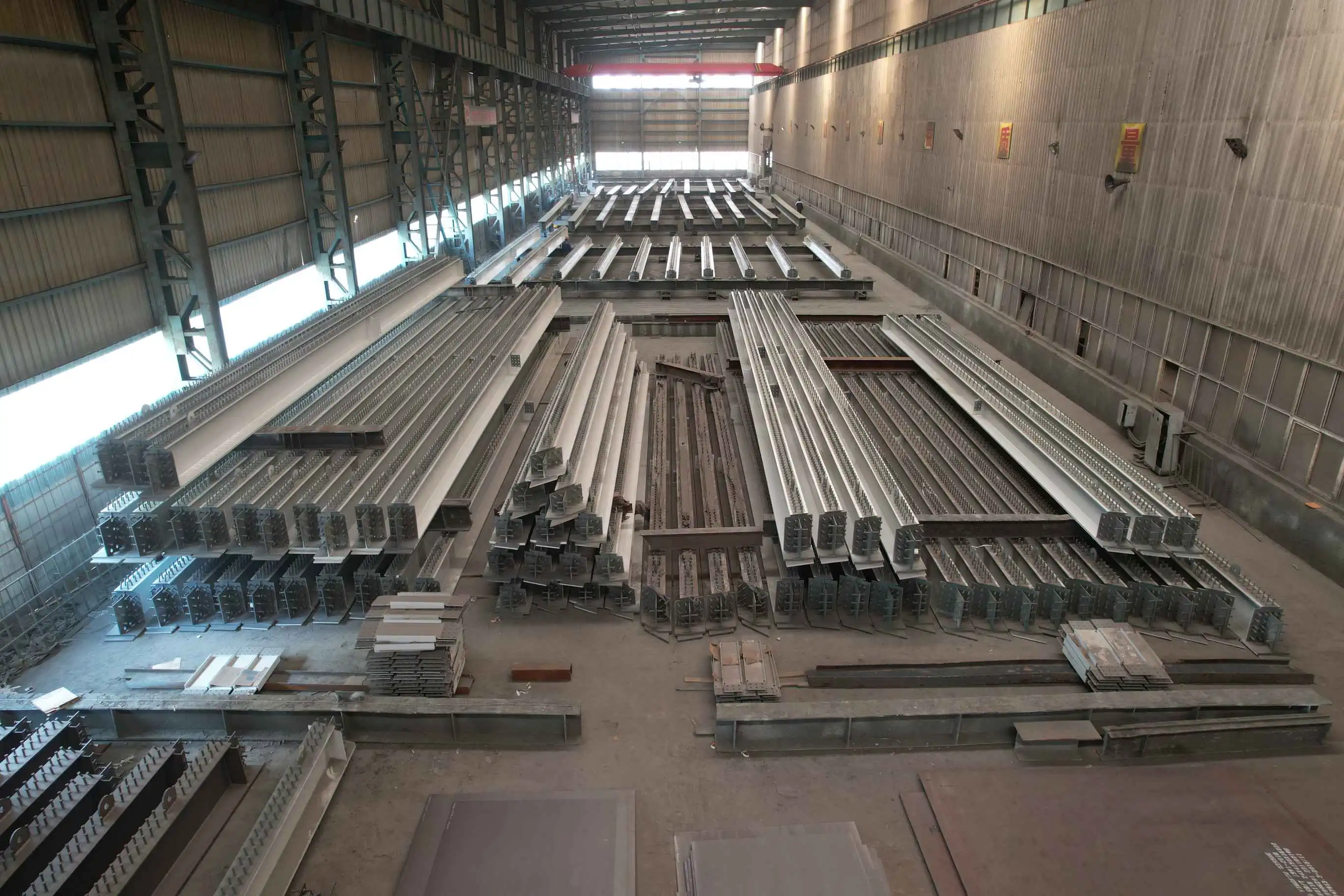
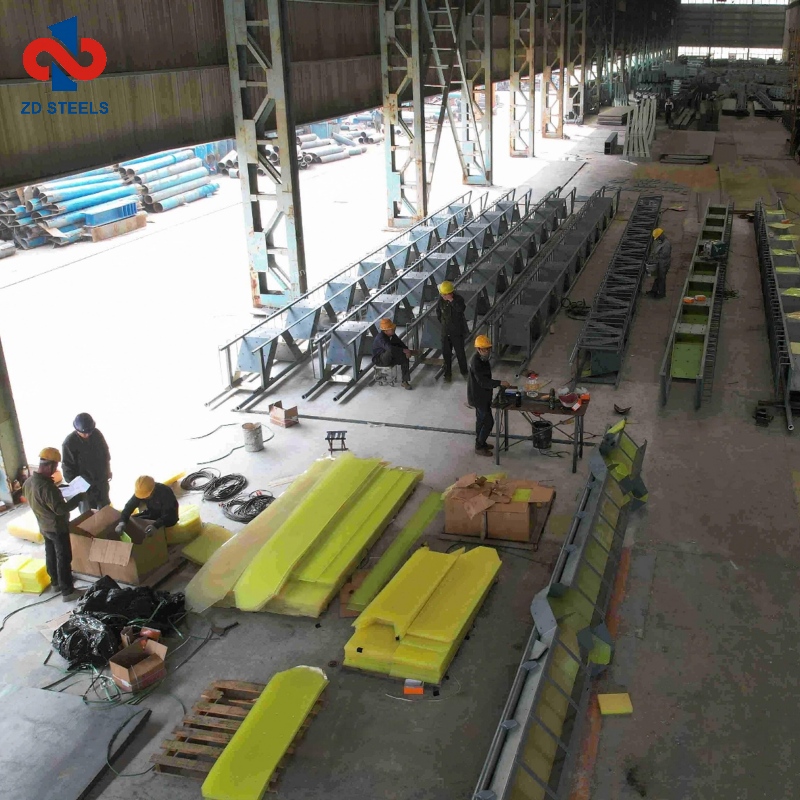
The modular design philosophy for steel truss bridge breaks down complicated bridge structures into doable parts that are easier to move and put together in faraway places. Before they are shipped, pre-fabricated parts go through strict quality control steps like Magnetic Particle Testing (MT) and Ultrasonic Testing (UT) to make sure they pass full-node testing. Advanced anti-corrosion treatments with 160μm zinc spray, epoxy mica intermediate coats, and polyurethane topcoats protect buildings from weather damage and make them last longer in difficult conditions.
Challenges of Procuring Steel Truss Bridges for Remote Projects
Buying things for a remote project comes with a lot of problems that need complex answers and careful planning between many people who have a stake in the project. Knowing about these problems helps project managers come up with complete plans to deal with them that make sure the project is finished on time and on budget.
Logistical Complexities and Transportation Hurdles
Transporting large steel parts to outlying areas requires special tools, route planning, and working with local officials. Because of weight limits, bad roads, and limited access, many times different transportation methods like ship transport, helicopter lifting, or specialized heavy-haul trucking are needed. Professional logistics teams have to look at a number of different transportation possibilities. They have to think about things like the size and weight spread of the parts, as well as seasonal limits on entry that could affect delivery times.
Packaging standards play crucial roles in protecting components during extended transport periods. Custom cradles, protection coats, and tracking systems that keep an eye on weather conditions during the shipping process are all part of modern packing options. These steps stop damage, rust, and warping of the structure that could lower the quality of the work and the structure's performance.
Quality Assurance and Standards Compliance
Ensuring that quality standards are met across foreign borders takes a lot of paperwork, proof by a third party, and following a lot of different rules. The ISO 9001, EN 1090, AWS, and JIS standards set guidelines for the quality of materials, how they should be made, and how they should be tested to make sure that structures are strong and safe.
Protocols for effective communication for steel truss bridge help makers, workers, and project owners talk to each other across national and physical boundaries. Digital teamwork platforms let people review designs, track progress, and solve problems in real time, which keeps projects moving forward even when people are in different time zones or far away. Setting clear standards for paperwork, regular contact plans, and resolution methods helps keep everyone on the same page during the buying process and reduces the chance of confusion.
Step-by-Step Process to Receive Customized Steel Truss Bridges Remotely
Systematic methods that cover technical needs, vendor selection, design approval, and logistics planning through organized stages that lower risks and improve results are needed for remote buying to work well.
Technical Requirements Definition and Specification Development
Defining the project objectives sets the basic rules that are used to make choices about design and the production process. The structure specs tell you which materials to use, how to connect them, and how to put them together. They are based on load estimates, weather conditions, span requirements, and mobility restrictions. A thorough engineering study looks at things like wind loads, earthquakes, changes in temperature, and the need for regular upkeep that can affect how well something works in the long run.
Working with structure engineers makes sure that plans follow local building rules, safety factors, and performance standards that are needed for the project to be approved and for the government to be satisfied. Advanced modeling software lets you find the best member sizes, link arrangements, and construction orders that keep structure performance standards while lowering material costs.
Manufacturer Selection and Qualification Processes
When a vendor is qualified, their manufacturing skills, quality systems, project experience, and financial security are all carefully looked at. Certified makers show that they follow international standards, have enough production capacity, and keep up quality control methods that make sure products are always delivered on time. Reference projects, customer reviews, and building visits can help you figure out how reliable and skilled a maker is.
With a production capacity of 60,000 tons per year, state-of-the-art 50T crane workshops, and skills that span the research, development, and building steps, Zhongda Steel Structure Engineering is a model of top-notch manufacturing. Working with top design schools and colleges helps us come up with new solutions that meet the changing needs of the industry while still being cost-effective and dependable.
Digital Collaboration and Design Validation
Building Information Modeling (BIM) technology, 3D imaging tools, and shared platforms for steel truss bridge that let people review and approve designs in real time are used in modern buying. These digital solutions make it easier to communicate the design purpose clearly, find possible problems before they are made, and make sure that all stakeholders are on the same page throughout the development process.
Software for structural analysis checks the assumptions made in the design, finds the best ways to arrange members, and makes detailed production models that are used to guide the manufacturing process. Regular reviews of the design that include customer feedback make sure that the finished goods meet specific needs while keeping the structure efficient and low-cost.
Company Introduction and Product & Service Information
The heavy-duty steel truss bridge production and designing services offered by Shenyang Zhongda Steel Structure designing Co., Ltd. are among the best in the world. We have been in business since 2004 and have our main office in the Shenyang Economic-Technological Development Zone. We offer world-class infrastructure solutions by combining advanced manufacturing skills with strict quality standards.
Our wide range of products includes span lengths that can be changed from 30 to 150 meters and can hold up to 100 tons of weight with Warren or Pratt truss setups. Advanced material standards, such as ASTM A709 Gr.50 steel with Z35 Z-direction qualities, make sure that the product works better in harsh situations. Advanced anti-corrosion systems with thermal spray zinc, epoxy mica finishes, and polyurethane topcoats make things last longer in harsh conditions.
Our production process is based on quality control excellence, which is achieved through thorough checking methods that use Magnetic Particle Testing and Ultrasonic Testing technologies. Full-node inspections are done on all bridges to make sure they meet ISO 9001/14001/OHSAS 45001 standards and other foreign building requirements. Our Class I Steel Structure Professional Contracting Qualification and compliance with EN 1090 show that we are dedicated to quality excellence and following the rules.
As part of our emergency response skills, we have removable bridge systems that can cross a 200-meter river in 50 hours. This shows how innovative our fast deployment solutions are. This emergency bridge technology is very useful for many important reasons, such as crisis aid, temporary infrastructure, and setting up quick entry in rural areas.
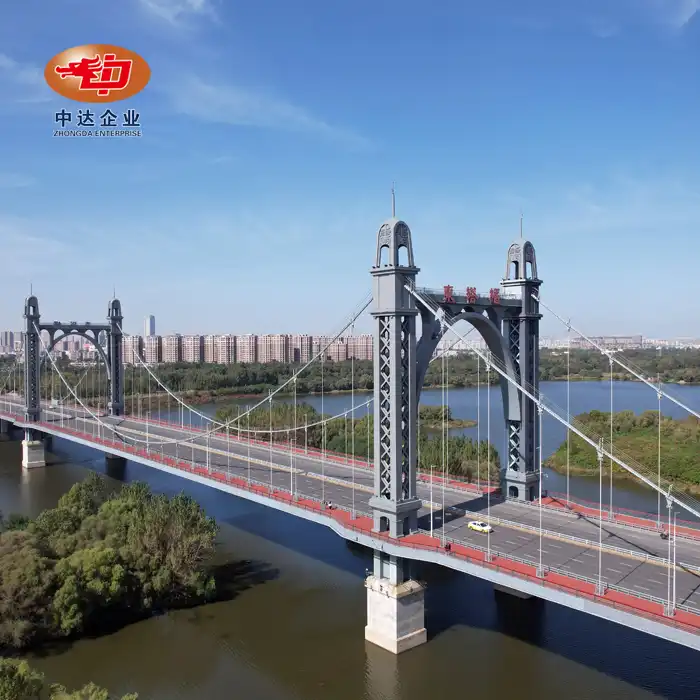
Our track record includes more than 60 important projects, such as the 18,000-ton Shenyang Dongta Cross-Hunhe River Bridge and several projects to expand expressways. Our partnerships with China Railway, CSCEC, CCCC, and other foreign companies show that we know how to build complicated infrastructure. We are committed to customer happiness and business success, as shown by the fact that 70% of our clients stay with us and our wait times have been cut by 20–30%.
Conclusion
Getting customizable steel truss bridges for rural projects requires a lot of planning, smart partnerships with vendors, and a methodical performance of buying processes. Understanding structure needs, dealing with logistical issues, and putting in place quality assurance measures are all things that can be done to make sure a project succeeds while reducing risks and improving results. Modern manufacturing techniques, advanced materials science, and digital teamwork tools make it possible to quickly send complicated bridge solutions to faraway places around the world. Professional makers like Zhongda Steel have the knowledge, resources, and dependability needed for building remote infrastructure that works. They combine technical excellence with operating efficiency to produce outstanding outcomes.
FAQs
How long do most handmade steel truss bridges take to build?
Manufacturing wait times are usually between 8 and 16 weeks, but they can be longer or shorter based on the size and complexity of the job. Our simple production methods and 60,000-ton yearly capacity allow us to keep quality standards high while still meeting tight deadlines. For pressing needs, emergency bridge options can be sent within two to four weeks.
How do you make sure that remote project supplies are of good quality?
We use a lot of different quality control methods, such as Magnetic Particle Testing and Ultrasonic Testing for full-node checking. Before it is shipped, every part goes through a lot of tests, and we provide a lot of quality paperwork, such as material certifications, test results, and proof that the product meets international standards.
What kind of upkeep do steel truss bridges in remote areas need?
Visual checks, checking for rust, and renewing protection coatings are all important parts of regular maintenance plans. The modern anti-corrosion solutions we offer with 160μm zinc spray and epoxy polyurethane coats make upkeep a lot easier and increase the life of the equipment. To help with long-term performance, we offer full repair guides and online advice services.
Partner with Zhongda for Your Steel Truss Bridge Requirements
Zhongda Steel offers top-notch steel truss bridge options that blend cutting-edge engineering with top-notch production. Our flexible designs, high-tech materials, and thorough quality control make sure that our products work well in rural settings all over the world. We offer full solutions, from planning and designing to delivering and helping with installation. Our team has a lot of experience with difficult building projects and is dedicated to making sure our clients are happy. Get in touch with us at Ava@zd-steels.com to talk about your project needs and find out how our steel truss bridge maker skills can help you reach your infrastructure goals in a safe and reliable way.
References
American Institute of Steel Construction. "Steel Bridge Design Handbook: Truss Bridges." Engineering Standards and Guidelines for Heavy-Duty Bridge Construction, 2019.
Federal Highway Administration. "Remote Area Bridge Construction: Best Practices and Procurement Guidelines." U.S. Department of Transportation Infrastructure Development Manual, 2020.
International Association for Bridge and Structural Engineering. "Modular Steel Bridge Systems for Remote Applications." Global Infrastructure Development Journal, Vol. 45, 2021.
American Society of Civil Engineers. "Quality Control Standards for Prefabricated Steel Bridge Components." Structural Engineering Practice Guidelines, 2022.
Canadian Standards Association. "Steel Bridge Fabrication and Installation in Remote Locations." CSA S6-19 Canadian Highway Bridge Design Code, 2019.
European Committee for Standardization. "Execution of Steel Structures and Aluminium Structures - Part 2: Technical Requirements for Steel Structures." EN 1090-2 International Compliance Standards, 2018.
_副本_1758525876027.jpg "grid structures")