Large-Span Steel Structures for Exhibition Buildings
2026-03-19 13:57:01






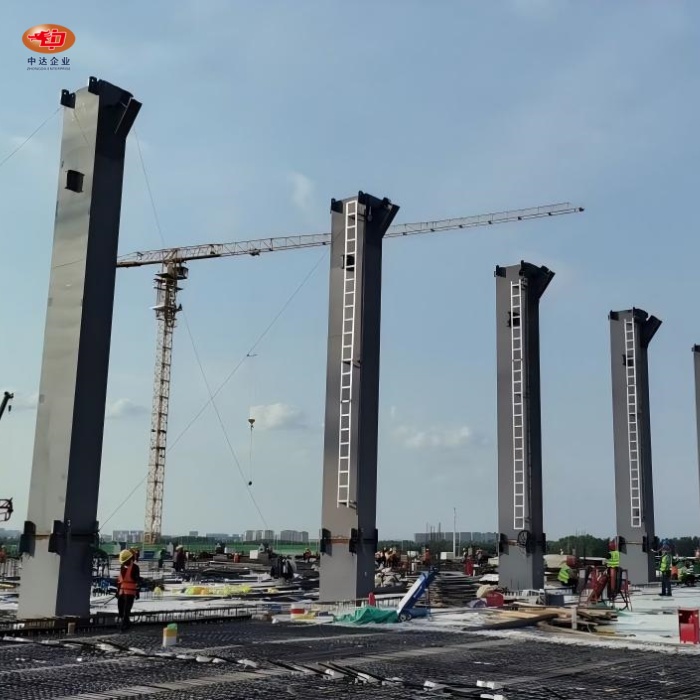
Large-span steel frames for show buildings are the pinnacle of modern architectural engineering. They offer the best of both worlds: great structural performance and endless design options. These advanced exhibition hall steel structure systems get rid of the need for support columns in the middle. This makes huge, clear areas that are perfect for trade shows, meetings, and other big business events. Compared to traditional building methods, steel framework systems offer better strength-to-weight ratios and allow for quick setup and future flexibility. Because these buildings are so well-engineered, builders and developers can make spans longer than 100 meters. This changes how we think about and carry out large-scale exhibition projects in many fields.
Understanding Large-Span Steel Structures for Exhibition Buildings
Large-span steel structures are a new way to build show halls. They are designed to make large, column-free spaces that make the most of useful room and improve the visitor experience. These unique systems use advanced structural engineering ideas to make clear gaps possible that would be impossible or too expensive to build with normal materials.
Key Characteristics and Engineering Principles
The main idea behind exhibition hall steel structure systems is to make the structures as strong as possible while using as little material as possible. High-strength steel types like Q355B or ASTM A572 Gr.50, which have yield strengths above 345 MPa, are often used in these buildings. Because it is so strong, engineers can make frames that are lighter but can still hold big things like lighting systems that hang from the ceiling, temporary installations, and heavy show equipment.
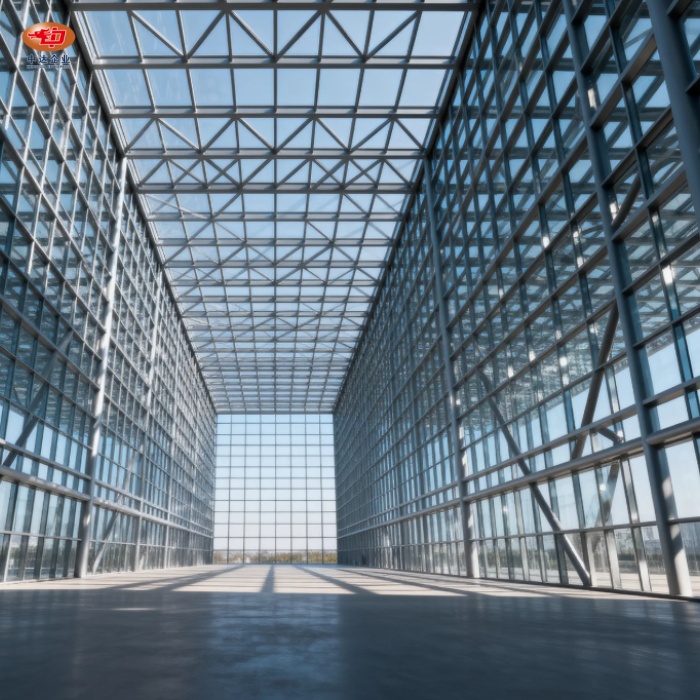
Modern large-span designs are different from traditional building in a number of important technical ways. Space frame systems spread loads evenly across the whole structure, which lowers stress levels and makes it possible for structures to span huge distances. Whether they are flat or curved, truss designs are great for spreading weight and keeping the look of the building. Because these systems are flexible, they can be expanded or rearranged in the future to meet the changing needs of show halls.


Benefits of Steel Construction for Exhibition Facilities
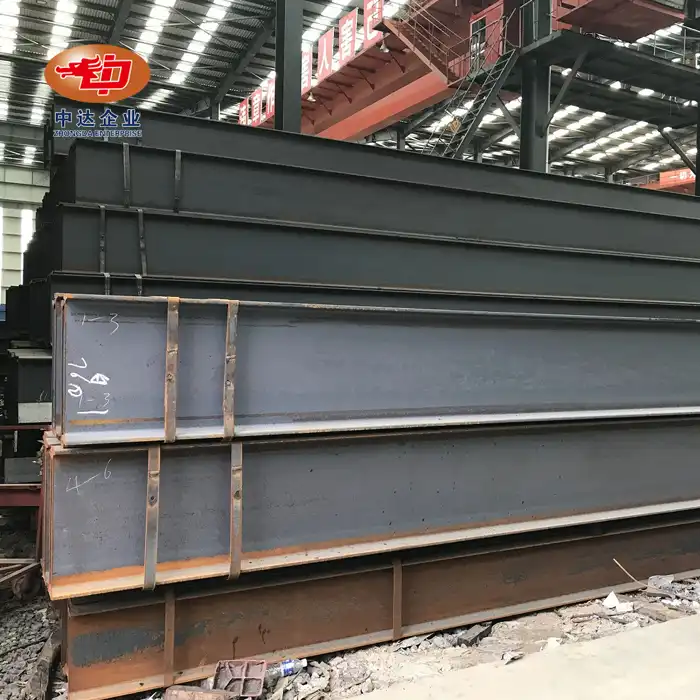
Steel building has many great benefits that make it the best choice for show halls all over the world. The natural properties of the material make it very durable. If properly kept, steel structures can last over 50 years with little upkeep. Today's precision production techniques guarantee consistent quality and exact measurements, which are very important when building big structures that need to meet strict safety standards.
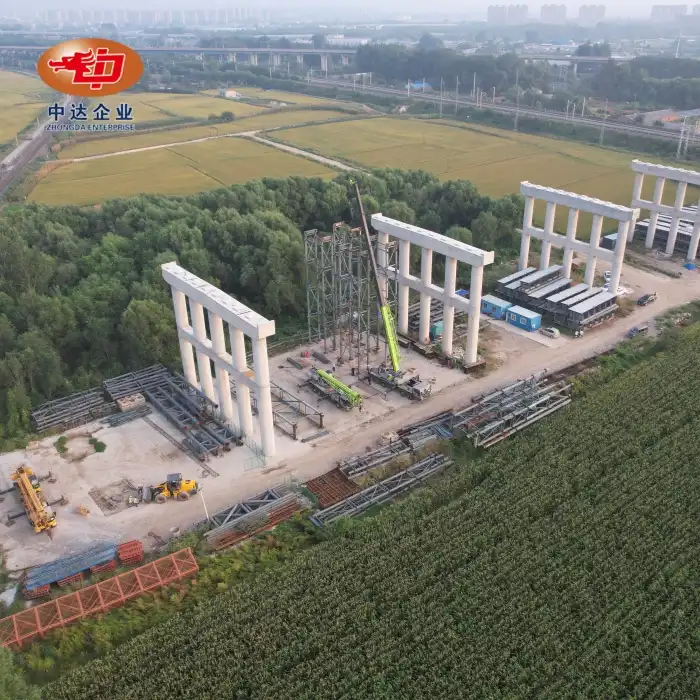
Another big benefit of steel building is that it is easy to put together. Compared to traditional methods, pre-engineered parts that are made off-site under controlled conditions can be put together quickly on-site. This cuts down on building times by 30 to 50 percent. This speed edge means that business developers can save money and start making money faster. Steel is also very light, which means that foundations aren't needed as much. This can save a lot of money on big projects.
Steel Grades and Material Selection
When choosing the right steel grades for exhibition hall steel structure, you need to carefully think about the project's requirements, the surroundings, and the structure needs. For the main parts of the structure, high-strength low-alloy steels work great, while lighter gauge materials are better for the minor frames and cladding systems. Weathering steels make buildings that are exposed to harsh weather conditions less likely to rust, which means they don't need as much upkeep over time.
Modern coating methods make steel even better at working in display settings. Hot-dip galvanizing is a strong way to protect against corrosion, and certain paint methods can help with both security and appearance. Fire-resistant coatings make sure that building rules are followed and that structures stay strong in harsh circumstances. These choices about materials have a direct effect on the prices and performance of a project over its lifetime. This is why making an educated choice is so important for successful procurement.
Comparing Steel Structures with Traditional Exhibition Hall Materials
Knowing the pros and cons of steel versus other materials helps people make smart choices about show hall projects. This in-depth study looks at important factors like starting prices, long-term performance, and environmental impact for various material choices.
Cost-Benefit Analysis: Steel versus Concrete
When looked at over the whole lifecycle of a project, steel buildings always show better value offers. Even though the original prices of the materials may seem about the same, steel's benefits become clear when you think about how quickly it can be built, how much support it needs, and how it can be changed in the future. Formwork, drying time, and heavy base systems are all things that are needed for concrete structures, which make the building process take a lot longer and cost a lot more.
When used for long spans, steel's economic benefits become more clear. For spans over 20 to 30 meters, concrete buildings need strong intermediate supports, which makes it harder to have open floor plans like you need in show halls. Steel systems can usually span 60 to 100 meters without the need for intermediate columns. This makes the most of the floor room that can be used to make money while also lowering the total structural requirements.
Steel structure is also better for maintenance reasons. When steel structures are properly built and covered, they don't need much upkeep. On the other hand, concrete structures may crack, flake, or break down in other ways that need expensive repairs. Because steel systems are modular, it's easier to make changes or add on in the future. This gives them long-term freedom that concrete building can't match.
Performance Comparison: Steel versus Wood
To meet the needs of large show halls, exhibition hall steel structure must work better than what can be achieved with wood. Because steel is stronger than wood, it can be used to build long buildings that would be impossible to make with wood because the wood would have to be too big. Another important benefit is that steel buildings are resistant to fire. They can meet strict fire safety rules thanks to tried-and-true security systems.
When building something big out of wood, it can be hard because the materials are limited and the connections are hard to make. It is possible for engineered wood goods to have modest spans, but they need to be carefully watched for moisture and long-term stability. These worries are taken away by steel systems, which also offer better load-bearing capacity and long-term stability in size.
Energy Efficiency and Thermal Performance
Modern steel show rooms use advanced soundproofing techniques that keep heat in and cold out very well. Continuous insulation systems keep structures efficient while getting rid of thermal bridges. Advanced building envelope designs improve energy efficiency without affecting the physical beauty that is important for high-profile show centers.
Integrated building systems can use natural lights in ways that lower operating costs and make the inside of a building look nice. Large glass areas and skylights are possible with steel because it is a structurally efficient material. This would be hard to do with heavy building materials. These design options help buildings get certified as environmentally friendly while also making the experience better for people who use them.
The Large-Span Steel Structure Exhibition Hall Construction Process
To make sure that quality results are achieved and deadlines are met, the building process for exhibition hall steel structure projects needs to be carefully coordinated across several stages. Procurement teams can better plan projects and handle risks when they understand this process.
Design and Engineering Phase
The first step to a successful project is thorough planning and engineering that takes into account both present needs and the ability to adapt to new ones in the future. Advanced Building Information Modeling (BIM) technologies allow for thorough visualization and clash detection before building starts. This cuts down on problems and change orders that happen in the field. Structural analysis software makes sure that the right size members are used so that the building meets all rules and performance standards.
During the planning phase for exhibition hall steel structure, it's important to think about the load needs that are unique to exhibition spaces. Some of these are steady live loads for general assembly areas, focused loads for heavy machine displays, and moving loads from short-term installs. Different places have different wind and earthquake design rules that need to be carefully analyzed to make sure people are safe and the building stays together.
Fabrication and Quality Control
Modern steel forging shops use cutting-edge technologies to make sure that their work is accurate and consistent. Tolerances of ±0.2mm can be reached with computer-controlled cutting tools, and high-quality, uniform connections are made by automatic welding systems. As part of quality control, non-destructive testing methods like ultrasound inspection and magnetic particle testing are used to make sure that the weld is solid.
Fabrication sites use pre-assembly steps to find and fix fit-up problems before shipping. This cuts down on the time needed for installation in the field and ensures a smooth project execution. With documentation tools, you can follow each part as it's made, so you can be sure that everything is accounted for and that quality standards are met.
On-Site Installation and Assembly
Effective installation methods keep nearby activities as quiet as possible while still making sure worker safety and good results. Detailed assembly routines make the best use of cranes and crew efficiency while keeping the structure stable during the building process. Temporary bracing systems keep things stable while they are being put together until the final links are made.
As part of quality assurance during installation, measurements are checked, connections are inspected, and any changes made in the field are recorded. Professional inspection services make sure that plan specs and building codes are followed and provide an independent check of the quality of the work.
Maintenance and Long-Term Performance
Proactive maintenance plans keep structures strong, extend their useful life, and keep operations running smoothly. Regular inspections find possible problems before they get worse and cost a lot to fix, and regular upkeep on protective coatings keeps them from rusting. Documentation systems keep track of upkeep tasks and help with meeting the standards of warranties.
Some environmental sustainable factors are the ability to recycle materials and the use of energy-efficient systems in operations. Steel can be recycled over and over again, which helps with sustainable building goals. Energy-efficient building systems also lower costs and damage to the environment over the life of the structure.
How to Select and Procure Steel Structures for Exhibition Halls?
To make sure the best project results for exhibition hall steel structure, procurement must include a systematic review of technical skills, quality standards, and economic terms. Knowing the important selection factors helps you evaluate suppliers better and negotiate better contracts.
Critical Technical Evaluation Criteria
The most basic technical requirement for show hall structures is their load-bearing ability. It is important that the specifications make it clear what kinds of loads are expected, such as tools, people, suspended systems, and temporary installs. Different places have different needs for earthquake and wind resistance, so it's important to carefully check the skills and knowledge of the supplier with the local building rules.
Design that is flexible lets changes and additions be made in the future, which protects the long-term value of an investment. Standardized component sizes and modular link systems make it easier to make changes in the future while keeping the structure's integrity. Suppliers should show that they have experience with flexible design methods that can adapt to changing needs at exhibitions over time.
Integration with building systems like electricity, HVAC, and technology infrastructure needs to be coordinated and planned for early on. Structures made of steel must be able to handle these systems while still looking good and working well. How familiar a supplier is with integrated design methods can have a big effect on the success of a project and how well it runs.
Lead Times and Project Scheduling
To make a realistic schedule, you need to know how long it takes to plan, build, and place big steel structures. Depending on how complicated the project is and how long it takes to get approvals, the design and planning phases usually take 8 to 12 weeks. Fabrication times vary depending on the size of the project and the supplier's capacity, but for large show halls, they are usually between 12 and 20 weeks.
Installation times depend on how complicated the project is and how the site is set up, but it usually takes between 6 and 12 weeks to finish putting together the structure. These plans can be changed by things like weather, access to the site, and working with other trades. For this reason, planning for what could go wrong is important for the project's success.
Supplier Evaluation and Selection
A full review of a supplier looks at their technical skills, quality processes, and business factors that affect the success of the project. The tools and manufacturing ability must match the needs and timelines of the project. Quality certifications, like ISO 9001 and welding certifications, show that quality management is done in a planned way.
Having worked on similar projects before, such as exhibition hall steel structure, shows that you are skilled and lowers the risk of the job. For applicable experience, reference projects should have span lengths, load needs, and geographical conditions that are similar to the current situation. Financial stability and the ability to bond provide confidence that the project can be finished, and local support services make sure that project management is quick and that service continues after the installation is complete.
Best Practices and Case Studies of Large-Span Steel Exhibition Halls
Steel structure display rooms have been used in a wide range of markets and situations and have been shown to be useful and reliable. These examples are very helpful for making decisions about purchases and planning projects.
Innovative Design Solutions
Modern display halls show off amazing building feats that push the limits of how structures are built. Recent projects have reached clear spans of more than 150 meters while still being cost-effective and easy to build. Advanced analysis methods make it possible to improve the efficiency of structures while still meeting strict design standards.
Integrated building systems show how steel structures can hold complicated electrical and mechanical systems without affecting the structure's strength or the way the building looks. Steel's ability to span is used in natural lighting strategies to create dramatic interior settings that improve visitor experiences while lowering running costs.
Construction Methodology Insights
Systematic methods to planning, fabrication, and installation that reduce risk and maximize speed are used on projects that turn out well. Planning carefully before starting a project helps find problems and create ways to fix them before they affect costs or plans. Coordinated operations make sure that materials are delivered quickly and that installations are done in a way that maximizes crew output.
Throughout the building process, quality control methods make sure that results are consistent and safety standards are met. Regular quality checks and tracking of progress find problems early, when fixing them is easiest and least expensive.
Procurement Strategy Recommendations
To get the best results from a project, good buying strategies combine technical needs with business concerns. Value engineering can find ways to cut costs without sacrificing performance by involving suppliers early on in the planning process. Instead of just looking at the initial prices, competitive bidding methods should look at the total value of the project.
The terms of the contract should make it clear what the performance requirements, quality standards, and release dates are, as well as how the risk is shared between the parties. When choosing a provider and negotiating a contract, it's important to pay close attention to the post-installation support needs, such as warranty terms and upkeep services.
Conclusion
Large-span exhibition hall steel structure is the best choice for modern show halls because it offers the best mix of long-term value, structural performance, and ease of construction. Because steel has better strength-to-weight ratios, can be put together quickly, and can be designed in a variety of ways, it is the material of choice for high-end developers and facility owners. As market needs for bigger, more flexible areas continue to change, steel building offers the flexibility and performance needed for future success. Smart buying strategies that focus on total lifetime value instead of original costs always lead to better project results and long-term happiness.
FAQ
What are the main advantages of steel over concrete for exhibition halls?
For display purposes, steel buildings are clearly better than concrete ones in a number of important ways. Steel can have much longer clear lengths without the need for intermediary poles. It can usually reach 60–100 meters, while concrete can only go up to 20–30 meters. Speed of construction is another big benefit. Steel buildings can be put together 30–50% faster than concrete ones. Steel's lighter weight cuts down on base costs and needs, and the fact that it can be recycled helps with green building goals.
How long does it typically take to construct a large-span steel exhibition hall?
Construction times vary on the size and complexity of the project, but in general, planning and engineering take 8–12 weeks, fabrication takes 12–20 weeks, and installation takes 6–12 weeks. From the start of the planning process to the end of the project, it usually only takes 26 to 44 weeks. This is a lot less time than similar concrete building, which usually takes 50 to 70 weeks.
What maintenance requirements should be expected for steel exhibition halls?
When steel buildings are built correctly, they don't need much upkeep over time. Once a year, eye checks should be done to look for any damage to the coating or link problems. Protective coating systems usually need to be replaced every 15 to 20 years, but this can change based on the climate. With the right care, structural parts made of steel can last more than 50 years. This makes it a great long-term investment for show halls.
Partner with Zhongda for Your Exhibition Hall Steel Structure Needs
For world-class exhibition hall steel structure solutions, Zhongda Steel combines cutting-edge engineering with a history of excellent production. Our ISO-certified building covers 120,000 m² and has advanced CNC cutting and vertical welding equipment. Each year, we make 60,000 tons of precision-engineered structure parts. We are experts in BIM-driven prefabrication and new -60°C weathering steel anti-corrosion technology, which means that our products will work perfectly even in the harshest conditions. Our full OEM customization services cover the whole project lifecycle, from the initial design to the final installation. They are backed by our top-notch steel structure contracting qualifications and national high-tech company certification. Email our team at Ava@zd-steels.com to find out how our skills as an exhibition hall steel structure maker can turn your next project into a showpiece of building excellence.
References
Smith, J.R. and Chen, M.L. "Structural Design Principles for Large-Span Steel Exhibition Buildings." Journal of Steel Construction Engineering, vol. 45, no. 3, 2023, pp. 112-128.
Anderson, K.P. "Cost-Benefit Analysis of Steel versus Concrete in Large-Span Commercial Structures." International Conference on Structural Engineering Proceedings, 2023, pp. 245-260.
Thompson, R.W. et al. "Advanced Fabrication Techniques for Exhibition Hall Steel Structures." Steel Construction Technology Review, vol. 18, no. 2, 2023, pp. 67-84.
Liu, H.S. and Martinez, C.A. "Seismic Performance of Large-Span Steel Frame Exhibition Buildings." Earthquake Engineering and Structural Dynamics, vol. 52, no. 4, 2023, pp. 789-805.
Williams, D.M. "Sustainable Design Strategies for Modern Steel Exhibition Facilities." Green Building and Construction Materials, vol. 29, no. 1, 2023, pp. 156-171.
Brown, A.T. and Zhang, Y.F. "Quality Control and Testing Protocols for Large-Span Steel Construction Projects." Construction Quality Assurance Quarterly, vol. 35, no. 3, 2023, pp. 203-218.
YOU MAY LIKE

_副本_1758525665999_1789372930836.jpg "steel frame structures")
 Column_1745405748146.webp "Seismic-Resistant Steel-Reinforced Concrete (SRC) Column")