Logistics Warehouse Steel Structure for Industrial Projects
2026-03-19 13:57:02






Logistics warehouse steel structure for industrial projects represents a revolutionary approach to modern storage and distribution facilities. These sophisticated engineered buildings utilize high-grade steel frameworks, typically featuring Q235 and Q345 steel grades, to create robust storage solutions that meet diverse industrial demands. A steel structure warehouse offers unparalleled advantages in terms of construction speed, load-bearing capacity, and operational flexibility, making it the preferred choice for commercial developers, EPC contractors, and logistics operators across the United States. With clear spans ranging from 12 to 36 meters and heights accommodating various storage requirements, these structures optimize space utilization while ensuring maximum operational efficiency for industrial logistics applications.
Understanding Steel Structure Warehouses in Industrial Logistics
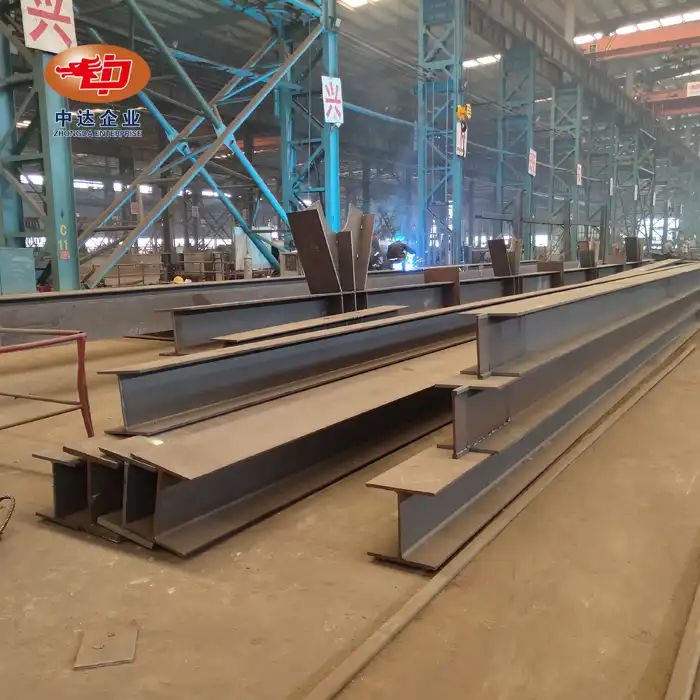
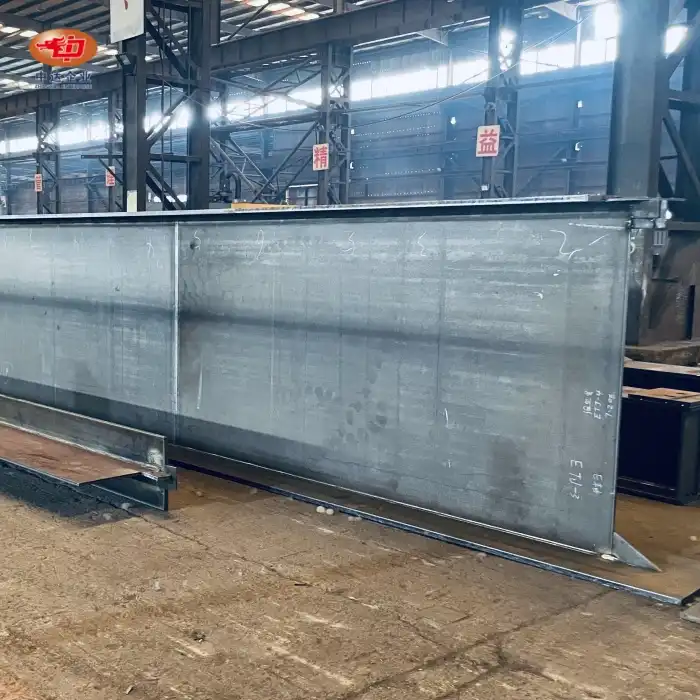
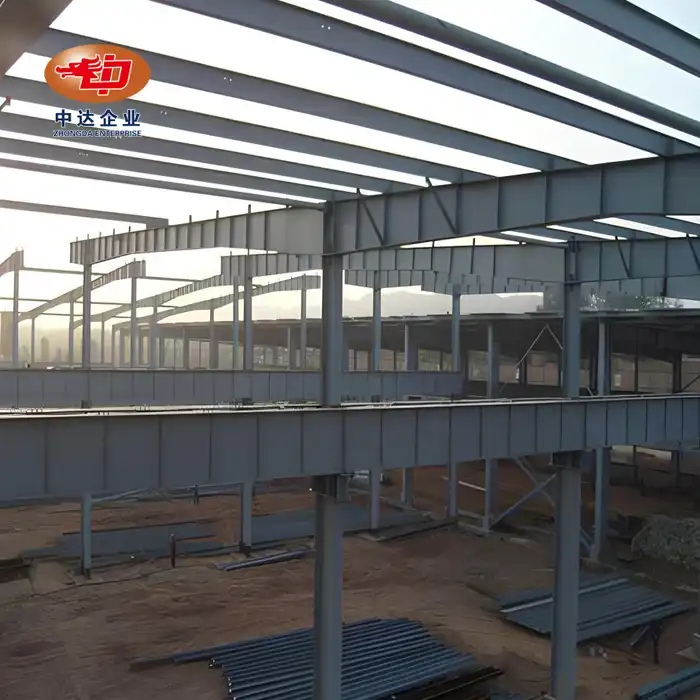
Steel structure warehouses are state-of-the-art pre-engineered building systems that have changed the way industry processes are done. Rigid steel frames made up of H-section columns and beams, C/Z-section purlins, and high-strength tension bracing are used to make these high-tech buildings' large, column-free storage areas. Instead of using standard reinforced concrete buildings, these stores use computerized planning and modular assembly methods that cut the time it takes to build by 30 to 50 percent.
Core Advantages Over Traditional Warehouse Types
When compared to traditional ways of building warehouses, steel structures work better in a number of ways. Even though concrete buildings last a long time, they need a lot of work done on the foundations and more time to cure, which makes the job take a lot longer than planned. There are issues with how much weight they can hold and how well they can fight fire that make wood-framed buildings unsuitable for heavy commercial uses. Alternatives to aluminum frames don't have the strength needed for large-span applications and heavy machine activities.
Steel structures are great because they have a great strength-to-weight ratio, which lets them have clear spans of more than 60 meters without any internal supports. This design benefit increases the amount of space available for storage and makes it easier for forklifts to move around the building. Because there is less dead weight, the base costs are about 30% less, and the modular prefabrication method makes sure that quality control is uniform and assembly on-site goes faster.


Industrial Applications and Use Cases
Modern steel structure warehouses are used for a variety of industry logistics tasks, such as large storage and delivery hubs and production support facilities. E-commerce delivery centers use these buildings' large clear spans to fit automatic sorting systems and storage layouts with a lot of items. When improved insulation systems are built into steel framework designs, they make buildings that handle cold chains more energy efficient.
Steel buildings are very good at withstanding wind speeds of up to 120–150 km/h and earthquakes with a Grade 8 intensity, which is very important for port and terminal activities. These performance traits make sure that operations keep going even in harsh seaside areas where salt spray and extreme weather call for long-lasting materials.
Design and Construction of Steel Structure Warehouses
When engineers and builders build steel structure warehouses, they follow strict rules that make sure the buildings work well, are safe, and last a long time. High-tensile carbon steel grades like Q355B or ASTM A572 Gr.50 are often used in design standards. These grades have minimum yield strengths of 355 MPa and are very flexible.
Structural Engineering and Material Specifications
Building Information Modeling (BIM) technology is used by professional design teams to find the best ways to set up structures and find problems that might come up during building before they start making the structures. The main framework uses carefully measured member sizes that strike a mix between the need for material efficiency and the need for structural performance. Usually, spans are between 12 and 36 meters, and height options can be anywhere from 6 to 12 meters to meet different operating needs.
When choosing steel, many things are taken into account, such as the size of the building, the amount of goods that will be coming in, and the weather. While Q235 grades of steel work well in a wide range of standard uses, Q345 grades are better for heavy-duty industry needs because they are stronger. All structural parts are treated with a variety of anti-corrosion methods, such as shot blasting to Sa 2.5 standards and then hot-dip galvanizing with zinc coats that are thicker than 600g/m².
Construction Process and Quality Control
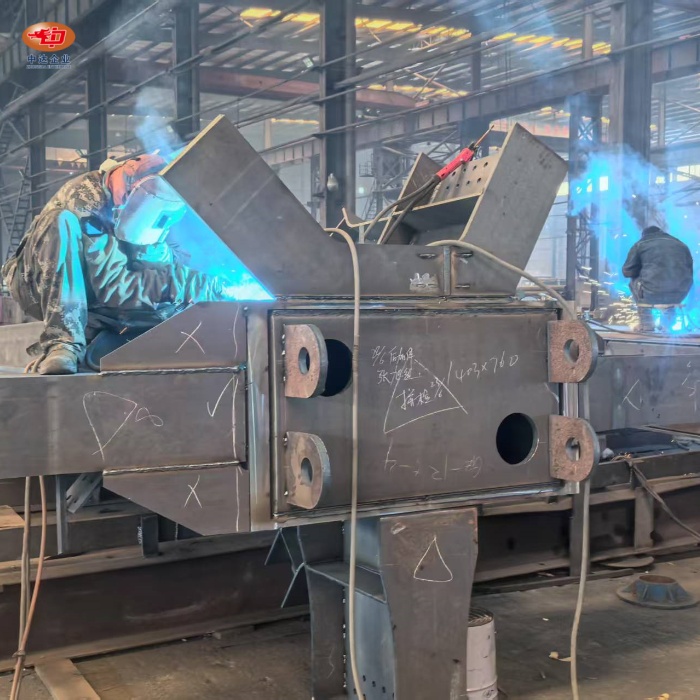
The building method focuses on the benefits of prefabrication, which reduces the need for on-site work while increasing the accuracy of assembly. In manufacturing sites, structure parts are made under controlled conditions that make sure the quality and accuracy of the measurements, which makes assembly in the field go quickly. Connection systems use high-strength pins instead of welding during installation, which lowers the risk of fire and delays caused by bad weather.
There are fewer dead loads in steel construction, which means that foundation plans are often easier than those for concrete construction. Steel frames are very light, which means they don't need as much dirt bearing pressure while still providing excellent structural performance. To make sure that foreign standards like AISC 360 and Eurocode 3 are met, quality control methods include full inspections at every stage of production, pre-assembly checks, and oversight of field installation.
Thermal Performance and Energy Efficiency
Modern steel building designs use advanced cladding systems that keep the structure strong while improving heat performance. Most roof systems are made up of color-coated steel plates that have sealing membranes built right in. These membranes do a great job of keeping out the weather. Wall systems use insulated sandwich panels with mineral wool or polyurethane cores that get very high scores for heat efficiency.
These methods for thermal management for steel structure warehouse cut the amount of energy needed for temperature-controlled storage uses by a large amount. Using natural lighting systems with see-through screens and smart window placement makes the warehouses even more energy efficient and comfortable for the people who work there.
Cost and Procurement Insights for Steel Structure Warehouses
Knowing the economic factors that affect steel building projects helps people make smart purchasing choices that maximize long-term worth. The cost factors include materials, production, shipping, and assembly. Each factor can be strategically optimized by carefully planning and choosing the right provider.
Materials and Fabrication Cost Factors
The most expensive part of a steel warehouse project is the materials. The price of steel changes based on global market conditions and area supply. People who work in procurement should know how regular price changes affect projects and how choosing the right steel grade can affect the total budget. Higher-grade steels cost more, but they may be able to be used in smaller pieces, which can balance out the higher original material costs.
The complexity of the project has a big impact on how much it costs to fabricate. Standardized designs are much cheaper than highly personalized setups. Pre-engineered building methods use repeat manufacturing methods that cut down on the time and money needed for assembly. With the help of advanced cutting and making tools, high-quality manufacturing shops can get closer tolerances while keeping prices low.
Procurement Strategy and Supplier Selection
Procurement strategies that work well combine the original costs of capital with long-term operational factors like the need for upkeep, energy efficiency, and the ability to grow. Manufacturers with a good reputation follow international quality standards, such as ISO 9001:2015 approval, and keep strict quality control methods during the whole production process.
When evaluating a supplier, you should look at their ability to make things, their dependability on deliveries, their expert help, and how close they are to the project sites. Some of the benefits of local sourcing are lower shipping costs, faster delivery times, and better contact during the project's completion. For big projects, international sourcing may offer low prices, but it may also add practical challenges that need to be carefully managed.
Prefab Kits Versus Custom Solutions
Choosing between standard premade kits and fully customized designs for steel structure warehouse has a big effect on how long a job takes and how much it costs. Because they can be delivered faster and have been shown to work well, prefab options are perfect for projects with standard size requirements and standard operating needs. These methods take advantage of savings of scale that come from making the same thing over and over again.
Custom design methods take into account things like the specifics of the site, the needs of the business, and possible future growth that could support more money being spent. Being able to change the way structures are set up to fit different needs can make operations run more smoothly and create long-term value. To find the best mix between standardization and customization, decision-makers should weigh practical needs against budget limits.
Strategic Benefits and Decision-Making for Industrial Procurement
Steel-structured warehouses offer strong strategic benefits that are in line with current goals in industrial buying. These benefits go beyond the original building phase and include operational efficiency, environmental compliance, and long-term asset performance traits that give you a competitive edge in a market that is always changing.
Operational Efficiency and Scalability
Steel building allows for large clear spans, which get rid of internal columns that can get in the way of storage and material handling equipment. This design benefit makes it possible for layouts to be changed to meet changing operating needs without having to change the structure. Steel frames and automated storage and retrieval systems work together perfectly, allowing for more advanced transportation operations that are more accurate and productive.
Considerations about scalability become more important as a business grows and its needs change. Steel buildings can grow both horizontally and vertically thanks to flexible design methods that make capacity increases cheap. The standard link methods make it easier to add on in the future and keep the building's structure strong as it grows.
Environmental Compliance and Sustainability
Environmental laws are having a bigger impact on buying choices these days, and steel structures are more environmentally friendly than older building methods. Steel's ability to be recycled makes sure that building materials keep their value at the end of their useful lives. This supports the circle economy and is in line with companies' sustainability goals.
Well-designed steel buildings are energy efficient, which means they leave smaller carbon footprints and cost less to run over the course of their lifetimes. Advanced insulation systems and the use of natural lighting help keep HVAC costs down, and the thermal mass of steel buildings creates stable interiors that are good for temperature-sensitive storage uses.
Case Studies and Performance Benchmarks
Implementations in the real world for steel structure warehouse show the useful benefits that can come from making smart investments in steel warehouses. E-commerce distribution centers built with steel have been able to process orders 25–30% faster than traditional facilities. This is mostly because they are more flexible in terms of structure and can integrate automated systems more easily. The thermal stability of insulated steel panel systems helps cold storage facilities keep the same temperature while cutting energy use by 15–20%.
Steel buildings are used in manufacturing support facilities so that big equipment and overhead crane systems can fit. This makes the operations run more smoothly. The ability of properly designed steel frames to resist vibrations makes sure that precision equipment works within acceptable error ranges. This supports quality manufacturing processes that need stable working environments.
Best Practices and Future Trends in Steel Structure Warehousing
Improvements in technology and shifting business needs are constantly pushing the design of steel warehouses forward. Companies can get the most out of their infrastructure investments and get ready for future operating needs by keeping an eye on new trends and putting tried-and-true best practices into action.
Advanced Design Techniques and Materials Selection
Modern design methods use complex analysis tools that make structures as efficient as possible while using as little material as possible. Advanced finite element analysis lets you do accurate calculations of load distribution that show you how to make members smaller or larger without affecting the structure's performance. These analytical tools help make plans that are both safe and cost-effective by keeping safety gaps and cutting down on material use.
As technology keeps improving, high-performance steel alloys and protective coatings offer better sturdiness that makes things last longer and requires less upkeep. It is possible for weathering steels to fight rust better in some situations, and certain coatings can make steel buildings work well in tough places, like seaside areas and industrial sites with corrosive air.
Automation Integration and Smart Technologies
When automation technologies are added to steel building designs, they can make operations more efficient and lower the need for workers. Steel frames are a good choice for supporting the structures of conveyor systems, robotic picking equipment, and self-driving directed vehicles. Because support settings can be changed, warehouse managers can update robotic systems as technologies change.
Smart building technologies can be connected to steel structures to show how well they are working, the weather, and how much energy they are using in real time. These systems make it possible to use predictive repair plans that keep operations running smoothly and improve building performance over longer service lifecycles.
Modular Construction Advancements
Better connection systems and standard component designs are making modular building methods better by making assembly faster while keeping the structure's integrity. Pre-assembled building units can cut down on the time needed to build something on-site by a large amount. They also make sure that quality control is maintained throughout the whole production process. These methods work especially well for jobs in remote areas or places where it's hard to find skilled building workers.
Future-proofing methods use adaptable design features that can be used to meet changing operational needs without having to make major changes to the structure. Standardized link places for utilities, control systems, and building envelope parts make it possible to make changes that don't cost a lot of money and make the facility more useful as business needs change.
Conclusion
Steel structure warehouses are the best way to handle modern industry transportation needs because they can be built quickly and are very flexible in how they are used. They also last a long time. Steel building has many strategic benefits, such as higher strength-to-weight ratios, large clear spans, and modular assembly methods that work perfectly with today's buying goals, which are all about efficiency, sustainability, and scalability. As environmental laws and robotic technologies change, steel buildings provide the flexible infrastructure needed to stay ahead of the competition in industrial markets that are always changing.
FAQ
What is the typical lifespan of a steel structure warehouse?
A steel structure warehouse that is well built and well taken care of will usually last more than 50 years. How long something lasts varies a lot on the quality of the anti-corrosion treatments, the environment, and the care schedule. For long-lasting security, hot-dip galvanizing with zinc coatings of 600g/m² or more is highly recommended. Regular checks and preventative maintenance will keep the facility running at its best for as long as it is used.
How do insulation options vary for different climates and applications?
Which insulation to use varies on the climate and the needs of the work. Polyurethane foam cores with thermal conductivity rates as low as 0.022 W/mK are good for use in cold climates, while mineral wool options are better at keeping fires out in industrial settings. Depending on the need for thermal efficiency and area energy rules, sandwich panel thicknesses are usually between 50 mm and 200 mm.
How do maintenance requirements compare with conventional warehouse types?
When it comes to upkeep, steel structure stores are much easier to keep up than concrete or wood ones. The long-lasting color-coated steel roof systems don't rust or break down in the sun, and the galvanized structure parts don't rust for decades. Compared to the more extensive base repairs and structural treatments that are usually needed for traditional building, annual upkeep usually only includes basic cleaning, seal exams, and checks on the drainage system.
Partner with Zhongda for Your Steel Structure Warehouse Solution
Zhongda is the leader in the steel structure warehouse business, and they can help you change your transportation infrastructure. Our 18+ years of technical excellence, ISO-certified quality systems, and track record in 20+ countries make sure that your project performs at its best and has long-term value. As a reliable steel structure warehouse maker, we offer custom solutions that meet your exact business needs at prices that are hard to beat and with fast delivery times. Get in touch with our team at Ava@zd-steels.com to talk about your project needs and find out how our advanced BIM-driven design skills can help you make your industrial storage building work better and last longer.
References
American Institute of Steel Construction. "Steel Construction Manual: Design Guidelines for Industrial Buildings." 15th Edition, AISC Publications, 2017.
Chen, W.F., and Lui, E.M. "Handbook of Structural Steel Connection Design and Details." 3rd Edition, McGraw-Hill Professional, 2019.
International Building Code Council. "IBC 2021: Industrial and Commercial Steel Structure Requirements." International Code Council Publications, 2021.
National Institute of Standards and Technology. "Guidelines for Pre-Engineered Metal Building Systems in Industrial Applications." NIST Technical Report 1925, 2020.
Steel Structure Association of North America. "Best Practices for Warehouse and Distribution Center Design." SSANA Technical Bulletin 2022-03, 2022.
Taranath, Bungale S. "Steel, Concrete, and Composite Design of Tall Buildings." 2nd Edition, CRC Press, 2016.
YOU MAY LIKE
_1756188318306.png "steel frame roof")