Steel Structure Solutions for the Logistics Industry
2026-03-19 13:57:04






Steel structure warehouses have become the cornerstone of modern supply chain infrastructure due to the unprecedented demand for flexible and effective storage solutions in the transportation industry. These prefabricated building systems use high-quality structural steel frames to make big, column-free spaces that can hold more things and take less time to build. Steel structure warehouses are more flexible in their design than standard concrete buildings, allowing for the quick introduction of distribution centers, cold-chain facilities, and automatic sorting hubs that can adjust to changing logistics needs.
Understanding Steel Structure Warehouses for Logistics
Steel structure warehouses are a huge step forward in logistics infrastructure. They have completely changed how businesses deal with storage and delivery problems. These highly complex designed systems use the natural qualities of structural steel to make the best conditions for modern transport operations.
Essential Components of Modern Steel Warehouses
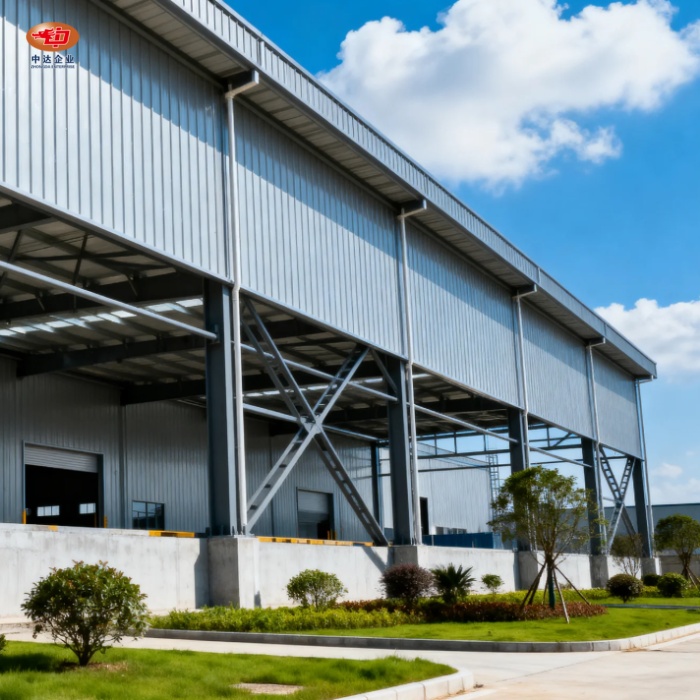
The accuracy of its engineering is what makes a steel building work. Our warehouse systems are made with high-quality steel types like Q235 and Q345, which are chosen based on the load needs and the weather. Clear spans of 12 to 36 meters and heights usually between 6 and 12 meters are made possible by the main framework, which is made up of H-section columns and beams. This layout gets rid of the interior columns that usually get in the way of moving materials and running equipment.


Color-coated steel plate roofing systems are great at keeping water out and keeping heat in, and sandwich panel walls insulate and protect the structure. These parts work together to make settings that keep goods safe while keeping operations running smoothly. Because these systems are flexible, they can be put together quickly and can be expanded in the future to meet the changing needs of transport operations that are growing.
Critical Benefits for Logistics Operations
Steel construction has many benefits that go beyond just building a house. Steel is resistant to weather factors, pests, and fire risks that usually damage other building materials. This makes them last longer. The material can be recycled, which is good for the environment and saves money in the long run on resource costs.
Design freedom turns out to be a huge benefit for transport planners. Customizable door positions, equipment mounting points, and temperature control integration make it possible to get the best layout. Ventilation systems can be set up carefully to keep sensitive goods at a stable temperature, and insulation packages can be changed to fit the needs of the local environment.
Return on investment timelines for steel structure warehouse are greatly affected by how quickly building projects are finished. When compared to traditional building methods, prefabricated components cut the time needed for construction on-site by 30 to 50 percent. This means that operations can start faster and more money can be made.
How to Build and Optimize a Steel Structure Warehouse for Logistics?
To build a steel warehouse that works well, you need to plan it out in a way that takes into account logistics-specific working needs and common implementation problems. This organized method makes sure that projects get the most value for money while avoiding costly delays and mistakes in the design.
Systematic Planning and Requirements Assessment
The planning phase starts with a full study of the place and the description of operating requirements. Logistics centers need to think about certain things, like how traffic flows, how the loading docks are set up, and how technology will be added in the future. Site restrictions, like the type of soil, how easy it is to get to utilities, and local building rules, have a direct effect on the design of the base and the structure itself.
Finding the right materials is a key part of success that needs to be addressed right away. Building relationships with certified steel sources guarantees uniform quality and on-time delivery. When choosing the right steel types, you need to think about things like earthquake zones, wind loads, and corrosive environments, as well as the structure's needs and the cost.
Prefabrication and Modular Design Advantages
Modern steel warehouse building uses advanced prefabrication methods that cut project times by a huge amount. When compared to options that are built on-site, parts that are made in controlled factory settings have better quality consistency. This method cuts down on delays caused by bad weather and the need for skilled workers on the building site.
Modular design principles allow for phased construction, which means that some parts of a building can be used while other parts are still being built. This feature is very useful for transportation companies that can't afford to have long periods of downtime during growth projects. Modular systems are standardized, which makes it easier to make changes and add on in the future.
Overcoming Common Construction Challenges
Foundation problems are often the biggest problems that come up when building a warehouse. Because steel has a good strength-to-weight ratio, it doesn't need as much of a foundation as concrete options. This cuts down on costs and makes building easier. But good foundation planning is still very important for keeping structures and tools working for a long time.
Quality control during the whole building process for steel structure warehouse keeps expensive repairs from having to be done again and makes sure that technical standards are followed. At important points in the project's timeline and budget, regular checks make sure that the right methods of building are being used and that the materials are of good quality.
Comparing Steel Structure Warehouses with Other Warehouse Types
To get the best long-term business performance and financial results, strategic facility planning needs to look at all the different building technologies that are out there. When you carefully compare steel sheds to other building methods, you can see that they have clear benefits.
Structural Performance Analysis
Steel building performs better than other materials in a number of scientific tests. The high strength-to-weight ratio of the material lets longer clear lengths with less structural depth, which increases the warehouse's useful height. Its seismic performance is better than that of unreinforced concrete or wood frame building, which makes places prone to earthquakes safer.
Steel is much less likely to catch fire after it has been treated with the right protective chemicals. Modern bulletproof insulation systems and intumescent coats can withstand fires for up to 4 hours, which is longer than many older building methods. This higher safety rating often means lower insurance costs and better compliance with the law.
Construction Speed and Cost Efficiency
When it comes to big transport projects, the time savings that come with using steel become clear. While concrete buildings need longer drying times and construction schedules that depend on the weather, steel assembly goes quickly no matter what time of year it is. This speed edge has a direct effect on how much a project costs to finance and how long it takes to make money.
Because it is easier to maintain, steel structure is better than many other options. Modern steel protective systems last a long time, so they don't need as much upkeep. Also, the material's dimensional stability means that structure movement or deterioration doesn't cause as many problems with operations.
Long-Term Value Considerations
The full lifecycle costs of warehouse buildings must be taken into account when figuring out the return on investment. Steel's ability to be recycled creates leftover value that covers the initial costs of building, and the material's durability makes facilities useful for longer than with traditional materials. Using more modern insulation systems to save energy lowers running costs and helps companies meet their sustainability goals.
Because steel structure warehouse is flexible, it can be used in situations where logistics needs change without requiring big structural changes. This adaptability is useful as automatic technologies improve and storage needs change over the life of a building.
Procurement and Cost Considerations for Steel Structure Warehouses
The way steel buildings are bought in 2026 will show how supply chain management is getting smarter and how much people want quick rollout capabilities. Understanding how markets work and how costs are structured helps people make smart decisions that lead to better project results.
Market Landscape and Supplier Selection
The market for steel warehouses includes a wide range of suppliers, from local fabricators who focus on making simple buildings to global companies that offer full planning and construction services. With 20 years of experience, cutting-edge production technologies, and international quality certifications, Zhongda Steel is a great example of the advanced skills that can be found in specialized manufacturers.
When evaluating a supplier, the original price isn't the only thing that matters. Engineering skills, manufacturing ability, and project management skills are also important. Following foreign standards and getting ISO certifications are sure signs of quality stability and professional skills. When it comes to value, being able to offer full services like planning, fabrication, and installation is often more valuable than using separate buying methods.
Cost Structure Analysis
Steel building prices depend on many factors, such as the type of material used, the complexity of the structure, and the range of services offered. Most of the time, prefabricated options are cheaper because they use standard designs and efficient production methods. While custom-engineered buildings are more expensive, they provide the best performance for specific operating needs.
When you don't plan well or choose the right provider, hidden costs often show up. Costs for transportation, site planning, and the difficulty of installation can all have a big effect on the total cost of a job. Manufacturers with a lot of experience make costs completely clear, which lets you plan your budget and control your risks more accurately.
Quality Assurance and Delivery Reliability
Manufacturing quality includes more than just structure stability. It also includes things like accurate measurements and a smooth finish. Modern makers use computerized systems for cutting and precise methods for putting things together to make sure the quality is always the same and that everything fits right during building.
Reliability of the delivery plan for steel structure warehouse has a direct effect on the success of the project, especially for sites that have specific requirements for starting up. Well-known companies keep track of their goods and have enough production capacity to stick to delivery dates. This lowers the risk of the project and makes it easier to plan the building together.
Maintaining and Enhancing Steel Structure Warehouses for Long-Term Performance
For warehouse operations to last, they need proactive repair plans and ongoing growth projects that keep assets' value while adapting to changing operating needs. If you follow the right upkeep steps, modern steel buildings can last a very long time.
Preventive Maintenance Strategies
Keeping steel buildings from rusting is the most important part of upkeep, especially in coastal or industrial settings. By checking things on a regular basis, you can spot early signs of coating wear or weather damage, which lets you take action quickly and avoid expensive fixes. When put correctly and watched over, modern defensive coating systems don't need much upkeep.
As part of structural checks, the soundness of connections, the alignment of members, and the tracking of base settlement should all be checked. These proactive steps find problems before they get in the way of activities or need to be fixed right away. Keeping records of what was found during inspections helps with guarantee claims and gives useful information for planning future facilities.
Performance Enhancement Opportunities
Improving energy efficiency can cut running costs by a lot and help meet environmental goals at the same time. Modern insulation systems, LED lighting changes, and better ventilation all lower energy costs and make working conditions better. Most of the time, energy returns or tax breaks cover the costs of installing these improvements.
Safety changes, like making buildings more resistant to earthquakes or updating fire protection systems, keep people and property safe while also following the rules. These improvements show that the company is responsible and could lower insurance costs and governmental risk.
Sustainability and Environmental Responsibility
Because steel can be recycled, it supports the ideas of a circular economy, which is in line with companies' environmental goals. End-of-life planning that increases material recycling lowers the damage to the environment and leaves an asset with value. Green building standards, like LEED, recognize environmentally friendly design and ways to run a business more efficiently.
Integrating green energy systems like solar panels and charging stations for electric vehicles prepares logistics facilities for future operating needs while lowering their impact on the environment. The structural qualities of steel make it easy to add these things without making big changes.
Conclusion
In today's fast-paced supply chain world, steel structure warehouse has proven to be the best choice for modern transport infrastructure because they are flexible, efficient, and long-lasting. Steel is the best material for forward-thinking shipping operations because it provides quick building times, better space usage, and long-term value. As the warehouse industry moves toward automation and sustainability, steel warehouse systems offer the flexible base needed to support new technologies and changing business needs.
FAQ
What are the key advantages of steel structure warehouses for logistics operations?
Steel structure warehouses have many important benefits, such as clear spans of up to 36 meters without internal beams, building times 30–50% shorter than traditional methods, and the ability to hold a lot of weight for heavy goods storage. Because they are premade, they can be put together quickly while still having high quality control and structural stability.
How do steel warehouses compare to concrete alternatives in terms of cost and performance?
Steel buildings usually have lower base costs by about 30% because their structures are lighter. They are also better at withstanding earthquakes and can be designed in a variety of ways. The shorter time it takes to build something lowers the cost of financing it and lets you start making money faster, which often more than makes up for the higher initial material costs through practical benefits.
What maintenance requirements should I expect for a steel structure warehouse?
Modern steel buildings don't need much upkeep as long as they are built correctly and have the right protection coats on them. Regular checks look at the quality of the coating, how tight the connections are, and the areas that are exposed to the surroundings. With regular upkeep, the anticorrosion processes and high-quality materials usually make the service lives last longer than 50 years.
Partner with Zhongda for Your Steel Structure Warehouse Solutions
Through creative engineering and proven production quality, Zhongda Steel provides world-class steel structure warehouse solutions that change the way logistics operations work. Our 60,000-ton annual production capacity, advanced BIM-driven design tools, and -60°C weathering steel technology make sure that your building can handle tough operational conditions while also being the most efficient place to store things. As a reliable steel structure warehouse builder with ISO certifications and projects in more than 20 countries, we offer full support from the initial planning phase to the final installation. Get in touch with our team at Ava@zd-steels.com to find out how our unique solutions can help you improve your shipping infrastructure and run your business more efficiently.
References
American Institute of Steel Construction. "Design Guide for Steel Warehouse Structures: Load Considerations and Span Optimization." AISC Publications, 2023.
International Association of Logistics and Supply Chain Management. "Steel Structure Applications in Modern Logistics Infrastructure: Performance Analysis and Best Practices." IALSCM Research Journal, 2024.
Building Construction Technology Institute. "Comparative Analysis of Industrial Building Systems: Steel vs. Concrete Performance Metrics." BCTI Technical Report, 2023.
Steel Fabricators Association. "Prefabricated Steel Buildings for Commercial and Industrial Applications: Engineering Standards and Quality Guidelines." SFA Industry Standards, 2024.
Logistics Infrastructure Development Council. "Warehouse Design and Construction Trends in North American Markets: Steel Structure Adoption Analysis." LIDC Market Research, 2023.
International Building Code Council. "Structural Steel Design Requirements for Warehouse and Distribution Facilities: Code Compliance and Safety Standards." IBCC Technical Manual, 2024.
YOU MAY LIKE


_1746242570299.webp "Large-Diameter Tunnel Boring Machine")