Why Steel Structures Suit Modern Logistics Warehouses?
2026-03-24 15:59:08






Steel structure buildings are the best kind of modern logistics infrastructure because they are both highly designed and very efficient to run. High-quality steel, mostly Q235 and Q345 types, is used in these complex buildings to make long-lasting, adaptable storage solutions that meet the strict needs of today's supply chain operations. With their high strength-to-weight ratio and advanced prefabrication methods, steel structure warehouse systems are perfect for logistics facilities that need large clear spans, quick building timelines, and flexible designs that can change as business needs do.
Understanding Steel Structure Warehouses in Modern Logistics
Steel structure warehouses are highly designed buildings made of high-quality steel parts that can handle the tough needs of modern shipping operations. These buildings use high-tech frame systems made from high-quality materials, like cold-formed and hot-rolled steel pieces, that are made to be very strong and flexible for different uses.
Key Structural Components and Design Principles
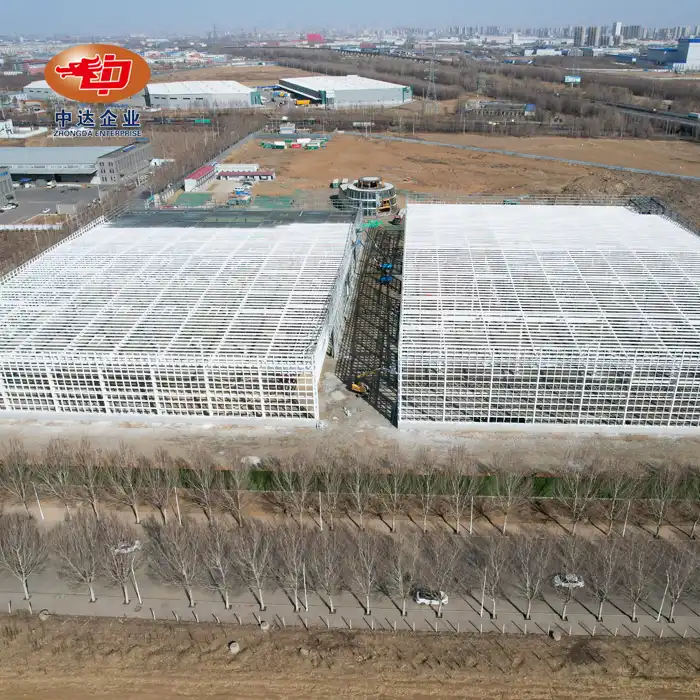
Any steel building that works well needs to have strong walls and a design base that can be changed easily. Modern steel warehouses usually have clear spans between 12 and 36 meters and heights between 6 and 12 meters. This gives them the best storage space for all kinds of goods and tools for moving them. H-section supports and beams, C/Z-section purlins, and high-strength tension bracing systems are the main structural elements. They all work together to make sure that loads are spread out evenly across the whole building.
Important design factors include base needs that are specific to the dirt in the area, types of insulation that affect energy efficiency, and ventilation systems that keep storage areas at the best temperatures. Color-coated steel plate covering systems on these buildings do a great job of keeping water out and keeping heat in. Sandwich panel walls do a great job of keeping out the weather and insulate well.


Prefabrication Advantages and Construction Process
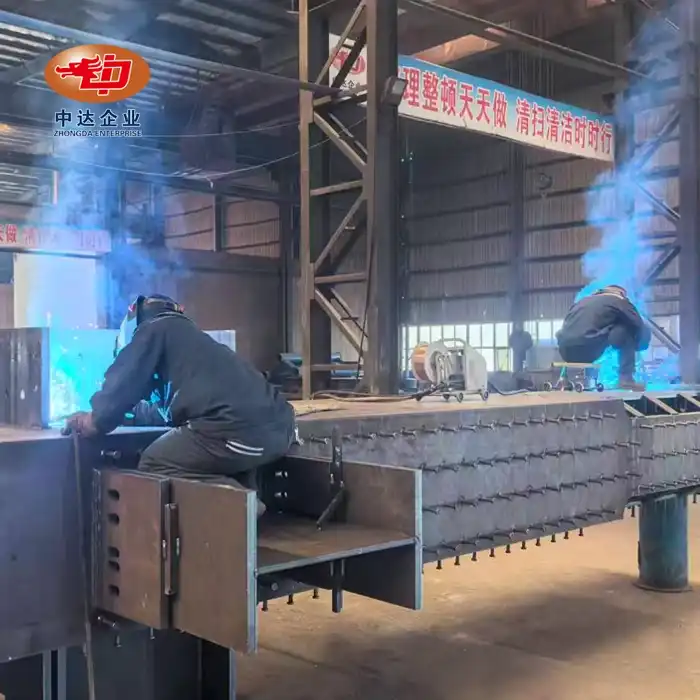
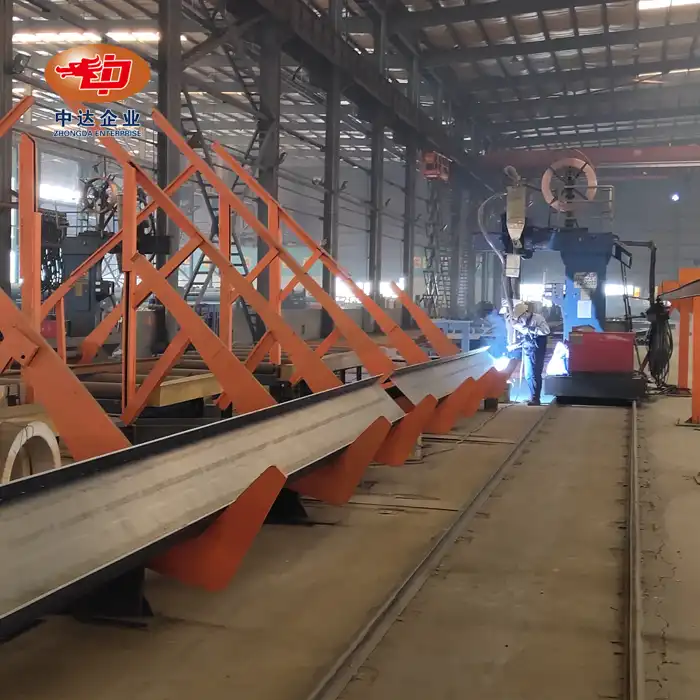
Steel buildings are built using prefabrication and flexible assembly methods that cut down on project timelines by a large amount. The usual step-by-step process starts with preparing the base and then carefully putting together the steel parts using carefully designed connection systems. With this method, buying teams can plan projects more quickly and reliably, since prefab steel pieces can be made off-site while base work is still going on.
Building Information Modeling (BIM) technology guides the design and production steps, making sure that parts are made correctly and can be put together without any problems on-site. Compared to traditional building methods, this method cuts down on construction times by 30 to 50 percent. This means that the project has a faster return on investment and less risk.
Core Benefits of Steel Structure Warehouses for Logistics Operations
Steel warehouses, particularly a steel structure warehouse, offer great benefits that go far beyond the initial benefits of construction. They provide long-term operating benefits that have a big effect on logistics efficiency and revenue.
Durability and Structural Performance
Because of how it is made, high-grade structure steel is much more durable than standard concrete or wooden buildings. Specialized intumescent coating methods make it possible for steel buildings to have ratings of up to two to four hours of fire protection. The substance's ability to withstand natural problems like water, bugs, and earthquakes guarantees consistent performance in a wide range of climates and places.
Modern anti-corrosion methods, like hot-dip galvanizing with zinc coats that are thicker than 600g/m² and specialized epoxy filler systems, make structures last longer than 50 years with little upkeep. Because they last longer, transport providers save money over the course of their investments and get better returns.
Cost-Efficiency and Energy Performance
A thorough cost study shows big benefits during both the building and running stages. Because steel buildings have less dead weight, they don't need as much support from the ground. This means that they are about 30% cheaper to build than similar concrete structures. Improvements in insulation and better air systems that lower heating and cooling costs lead to greater energy economy.
Steel is naturally recyclable, which supports environmentally friendly business practices and keeps materials valuable at the end of their useful lives, supporting the cycle economy and environmental compliance goals. When you put these things together, you get strong total cost of ownership benefits that procurement workers who are careful with money will like.
Maintenance Optimization Strategies
Steel warehouse maintenance plans that work focus on preventative care and regular check schedules that keep the warehouse running at its best. Because steel parts are sturdy and come with safe coating systems, they don't need as much regular upkeep as other building materials. Regular inspections of connection points, coating stability, and drainage systems help the building keep working at its best for as long as it is in use.
Comparative Analysis: Steel Structure Warehouses vs. Other Warehouse Types
Knowing the pros and cons of steel construction for steel structure warehouse compared to other building methods is important for making smart buying choices.
Steel vs. Concrete Construction
When compared to options made of reinforced concrete, steel warehouses perform better in a number of operating areas. Steel structures with a clear span don't need internal columns, which increases store density and makes it easier for forklifts to move around. When it comes to big projects, the speed benefits are especially clear because steel's modular building method can cut project times by 40 to 60 percent.
Because steel is much lighter than concrete, it can hold about 60% more weight than similar concrete buildings. This means that foundation standards are simpler and site preparation costs are lower, which is especially helpful in areas with difficult dirt or a lot of earthquakes.
Advantages Over Wooden and Fabric Alternatives
The fire resistance, pest resistance, and weather resistance of steel warehouses are better than those made of wood. This means that insurance rates and upkeep costs are much lower. Steel's strong structure lets it span farther and hold more weight than wooden options, meeting a range of store needs and opening up new areas in the future.
Fabric warehouses are cheaper to build, but they don't last as long, aren't as resistant to weather, and can't hold as much weight as major shipping companies need. Fabric buildings can't compare to steel warehouses when it comes to security, temperature control, and a professional look.
Prefabricated Steel Warehouse Benefits
Prefabrication benefits of steel buildings go beyond speed of construction and include quality control, predictable costs, and the ability to make changes to fit specific needs. Factory-controlled production settings make sure that quality standards are always met and that measurements are always exact, which isn't possible with alternatives that are built on-site. Customization lets you make solutions that fit your unique logistics processes, equipment needs, and plans for future growth.
Credibility of the supplier is especially important for premade systems because combining design, production, and installation takes a lot of technical know-how and proven project management skills.
Procurement Guide: How to Choose and Source Steel Structure Warehouses?
To successfully buy steel warehouse solutions, you need to carefully consider the skills of the provider, the needs of the project, and your long-term operating goals.
Supplier Evaluation Criteria
Some of the most important things that are used to judge a maker for steel structure warehouse are their qualifications, professional certifications, and project experience building logistics facilities. Having an ISO 9001, 14001, or 45001 license shows that you care about safety, quality control, and the environment. Following EN 1090 guidelines makes sure that the building of structures out of steel meets European safety and performance standards.
Warranty coverage and the ability to get help after the sale are very important for protecting big investments. Reputable makers usually back their guarantees up with established service networks and technical support teams that cover structure performance, coating systems, and installation skills.
Project Planning Considerations
Budget limits and project deadlines mean that performance standards and operating needs for the future need to be carefully balanced. Different financial plans can work with flexible payment structures, and modular building methods allow for phased application that fits the way a business grows.
Lead time management is very important for arranging the preparation of the site, the manufacturing schedule, and the details of the installation. Suppliers with a lot of experience make thorough project schedules that include all the steps, from approving the plan to commissioning the facility.
Customization and Installation Services
Modern logistics operations need certain features that may not be included in standard building plans. Customization options should include changes to the structure, ways to integrate equipment, and special weather controls needed for certain types of goods or operations.
Full installation services make sure that everything is put together and running correctly, and they also protect maker warranties and performance promises. Turnkey project delivery cuts down on the need for teamwork and centralizes responsibility for finishing a project successfully.
Future-Proofing Logistics Warehouses with Steel Structures
As logistics infrastructure changes, it focuses more on being sustainable, integrating technology, and being able to operate in a variety of ways. Steel building methods naturally support these goals.
Sustainability and Environmental Compliance
New environmental standards are being met by steel containers because the materials can be recycled, the buildings can use less energy, and less construction trash is made. The circular economy ideas that are built into making steel and recycling it help companies reach their sustainability goals while keeping the worth of materials throughout their entire lifetime.
Steel buildings can meet stricter environmental rules and lower operating costs by using advanced insulation systems and the ability to integrate green energy. Potential for LEED approval and lowering a company's carbon footprint are both environmental duty goals.
Automation and Smart Technology Integration
Steel buildings are built in a way that makes it easy to connect automatic systems for storage and recovery, conveyor networks, and robots that do manual work. Structures that get in the way of clear span designs can make installation and running of robotics more difficult.
Integration of smart logistics systems allows for real-time product management, tracking of the environment, and predictive repair systems that improve the efficiency of operations. The current warehouse automation systems' needs for electricity and data infrastructure work perfectly with steel building methods.
Conclusion
Modern transportation infrastructure works best with steel structure warehouses because they are the most cost-effective, structurally sound, and operationally flexible. Traditional building methods just can't compare. Logistics companies that want to gain a competitive edge through infrastructure optimization will find that the clear span capabilities, quick building timelines, and better durability make these products very appealing. These buildings can meet changing environmental standards because they can be recycled and use less energy. They can also help businesses make money and grow in the long run.
FAQ
What is the typical lifespan of a steel structure warehouse?
When properly kept and covered with the right anti-corrosion methods, steel warehouses can usually be used for more than 50 years. Modern warehouses are made with high-grade structural steel and advanced protection coatings like hot-dip galvanizing or specialized epoxy systems. These coatings make sure that the structure stays strong for a long time and that the building doesn't need much upkeep over its lifetime.
How do steel warehouses compare in terms of fire resistance?
Thanks to special coating methods and structural design features, steel buildings are very good at keeping fires out. When applied properly, intumescent coatings can provide fire protection for two to four hours, which is more than or equal to most building code standards. Steel building doesn't catch fire, so there aren't any fuel sources that can help the fire spread. Also, the structure's strength in controlled fire situations gives it higher safety margins than wooden options.
Can steel warehouses accommodate future expansions or modifications?
Due to their flexible building methods and bolt-connected assembly systems, steel warehouse designs are very adaptable to future changes and additions. Clear span features get rid of load-bearing inner walls that make renovation projects harder, and standard connection systems make it easy to add more bays or make structural changes. This makes sure that shipping facilities can change to meet the needs of businesses as they grow without having to be rebuilt from scratch.
Partner with Zhongda for Superior Steel Structure Warehouse Solutions
Zhongda Steel offers world-class steel structure warehouse options backed by 20 years of excellent engineering and project experience around the world. Our ISO-certified factory makes custom warehouse systems using cutting-edge BIM technology and precise construction methods that guarantee top performance and quick deployment. As a reliable steel structure warehouse maker, we offer full services from design optimization to installation and commissioning. Our track record with industry players like China Railway, CSCEC, and BMW shows that we can do this. Get in touch with our technical team at Ava@zd-steels.com to find out how our cutting-edge warehouse solutions can help your business's management and put you ahead of the competition.
References
The American Institute of Steel Construction (AISC). The AISC published a book in 2023 called "Design Guide for Steel Warehouse Structures: Modern Logistics Applications."
European Group for Standardization. "Eurocode 3: Design of Steel Structures - Part 1-1: General Rules and Rules for Buildings." This is a report from the CEN in 2022.
The ISO is the International Organization for Standardization. In 2022, ISO published "ISO 14040:2022 - Environmental Management Systems: Lifecycle Assessment Principles for Industrial Buildings."
Steel Building Institute. The SCI Technical Guidance from 2023 says, "Best Practices for Prefabricated Steel Building Systems in Commercial and Industrial Applications."
Putting together a research center. "Fire Resistance of Steel Frame Buildings: Performance Standards and Testing Methodologies." Report 485, 2022, BRE.
There is an American Society of Civil Engineers. This is the ASCE/SEI 7-22 Standard from 2022, which says "Minimum Design Loads and Associated Criteria for Buildings and Other Structures: Steel Structure Applications."
YOU MAY LIKE
_副本_1756187900835.jpg "steel column")