Logistics Steel Structure Buildings for Distribution Centers
2026-03-24 15:59:10






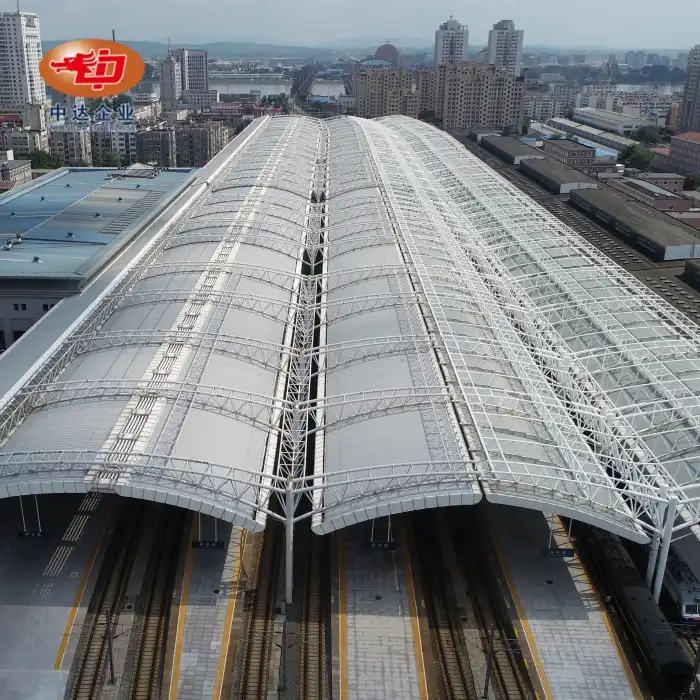
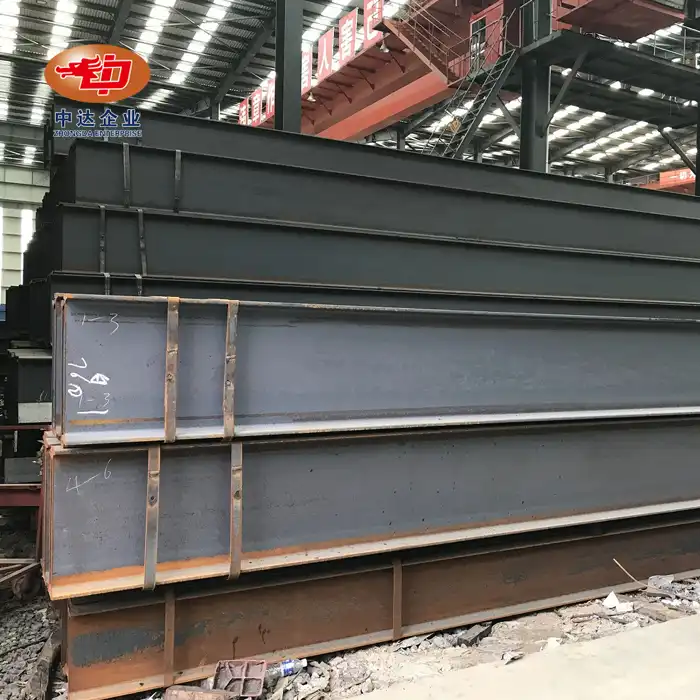
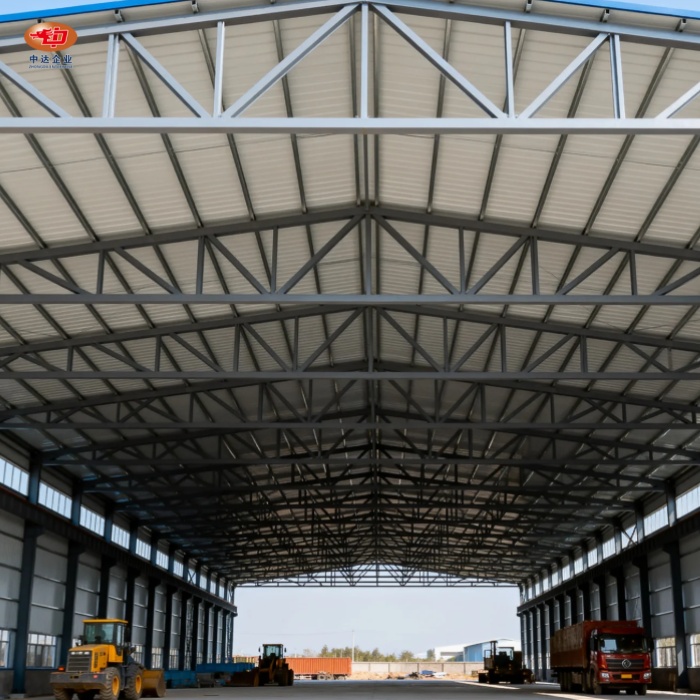
It is important to note that logistics steel structure buildings are specialized warehouses made with engineered steel frames as the main load-bearing system. These buildings were made to meet the unique needs of modern distribution operations. High-strength steel parts like H-beams, box columns, and lattice girders are used in these high-tech structures to make strong, movable places that can hold heavy loads and have long clear spans that are necessary for moving materials quickly. The steel structure building method solves important transportation problems by allowing for quick construction times, high durability, and unmatched flexibility to meet changing supply chain needs in a wide range of operating settings.
Understanding Logistics Steel Structure Buildings
Advanced steel framework systems are the building blocks of modern distribution centers. These systems provide both structural stability and operating efficiency. When compared to standard concrete construction methods, these logistics-focused buildings are a big step forward. They have better performance qualities that are perfect for warehousing and transportation needs.
Core Structural Components and Design Philosophy
Modern steel structures for logistics use precisely designed parts that are made to exact specs. The main structure is made up of hot-rolled steel parts that fit together perfectly. These include wide-flange beams, hollow structural sections, and cold-formed purlins. This all-around method makes sure that the load is spread out evenly while still allowing for the freedom needed for different operating layouts.
The design theory focuses on clear span features that get rid of internal columns, making the most of useful floor space and letting materials move freely. Modern link systems that use high-strength bolts and welded joints offer better resistance to earthquakes and can handle the heat expansion and contraction that is typical in big warehouses.


Specialized Applications in Distribution Centers
Modern distribution centers need structure solutions that are flexible enough to meet a wide range of operating needs. Steel has a great strength-to-weight ratio, which makes it possible for high-bay storage systems to use multiple levels of racks to store as much as possible. Cross-docking operations need large clear spans to make it easy to move products quickly, and temperature-controlled areas need strong shielding integration capabilities.
Automated material handling systems have special needs for structure frames. They need to be able to withstand vibrations and have tight limits for size. Because steel is naturally stiff and can support concentrated loads at specific places without affecting the general structural integrity, it can naturally meet these needs.
Key Benefits of Steel Structure Buildings for Distribution Centers
The steel building method for steel structure building has huge benefits that have a direct effect on how well the facility works and how efficiently it runs over time. These benefits go beyond basic building needs and include economic, environmental, and practical factors that are very important for modern transportation.
Superior Durability and Structural Performance
Constructions made of steel last a very long time because of the material's natural qualities and improved safety systems. Modern steel buildings have multi-layer covering systems that protect them from the weather for decades. These systems include zinc-rich primers, middle coats, and polyurethane topcoats. This all-around defense method greatly increases the longevity of structures while reducing the amount of upkeep that needs to be done.
Steel has a high strength-to-weight ratio, which makes it possible to build strong structures that can withstand harsh weather like high winds, earthquakes, and heavy snowfall. Steel's ability to bend when it's under stress makes it a better energy absorber, which protects both the structure and valuable goods during unexpected loading conditions.
Economic Advantages and Construction Efficiency
Steel building is good for the economy at every stage of a project. For example, faster construction plans lower financing costs and allow facilities to be put into use earlier. Prefabrication lets you prepare the spot and make parts at the same time, which cuts down on total project timelines by 30 to 50 percent compared to traditional building methods.
Because steel is strong for its weight, it doesn't need as much of a base. This saves money on concrete and drilling while making site preparation easier. The lighter structure weight also makes it possible to build on areas with difficult soil that would need expensive base changes for heavier systems.
Operational Flexibility and the Ability to Grow
Facilities for modern distribution processes need to be able to change to new technologies and changing business needs. Steel construction gives you the most freedom to change things about a building. You can move walls, add equipment, and update systems without worrying about damaging the structure. This ability to change with the times saves long-term investments in facilities by meeting changing operating needs.
Expansion is another big benefit of steel buildings; they can be easily stretched out both horizontally and vertically. The modular structure of steel construction makes it possible to add on to a building without any problems, keeping the building's architecture consistent while causing as little trouble as possible to ongoing activities.
Designing and Constructing Steel Structure Buildings for Logistics
To plan and build logistics steel buildings that work well, such as steel structure building, you need to know a lot about working needs, environmental conditions, and legal compliance standards. This multifaceted method makes sure that the facility works at its best while also meeting strict requirements for safety and efficiency.
Operational Workflow Optimization
The main goal of strategic planning is to make the flow of materials through the building as efficient as possible. Different types of trucks must be able to fit on loading docks that are set up in a way that keeps traffic moving smoothly. Different storage systems and material handling tools have different clear height requirements. This means that structure design and operational planning need to work together very carefully.
When you combine automated systems, you need to make sure that the foundations, power distribution, and control systems are all built with exact measurements and structure plans in mind. Advanced Building Information Modeling (BIM) technologies allow all structural, mechanical, and electrical systems to work together seamlessly, resulting in the best performance and integration.
Environmental Control and Insulation Systems
Distribution centers that have to keep things at a certain temperature need complex insulation and air barrier systems built right into the structure. Different types of insulation, like stiff board systems, spray-applied foams, and reflective barrier systems, can be easily used with steel building. The right way to deal with thermal bridges saves energy and stops condensation problems that could hurt the quality of the product.
Integrating a ventilation system means making sure that the structure has enough room for placing equipment, moving pipes, and exhaust systems. Steel is naturally resistant to fire, which adds to its safety benefits and makes it possible to install full fire control systems.
Sustainable Construction Practices
Environmental responsibility is becoming more and more important in building decisions. This makes steel's ability to be recycled and last a long time especially useful. Renewable energy systems, like solar panel setups and wind energy systems, can be built into steel buildings without affecting their strength. Using daylighting systems and high-performance building envelopes, among other energy-efficient design methods, can lower running costs and help meet green goals.
Compared to older ways of building, precision prefabrication cuts down on waste by preventing material overcutting and reducing trash on the job site. This effective method fits with companies' green goals and lowers the cost of removal and the damage it does to the environment.
Procurement Insights: How to Select Steel Structure Solutions for Distribution Centers?
To buy a steel structure building successfully, you need to carefully consider the supplier's skills, the needs of the project, and the expected long-term performance. This strategy method makes sure that the most value is delivered while reducing project risks and making sure that the facility works reliably.
Supplier Evaluation and Selection Criteria
Checking the seller's essential certifications, such as ISO 9001 quality management systems, welding certifications, and safety compliance records, is the first step in a full supplier evaluation. When evaluating a company's manufacturing skills, you should look at its production capacity, quality control systems, and delivery success history. Advanced providers have a lot of experience with design processes that are driven by BIM, precise manufacturing methods, and managing whole projects.
Because of how geography affects shipping prices and arrival times, the abilities of regional suppliers are a key part of the review process. Suppliers with well-established transportation networks and strategic relationships can offer lower prices and guarantee dependable delivery throughout the project timeline.
Cost Factors and Value Engineering
Understanding what causes costs helps you make smart choices about purchases and handle your budget well. Material costs change based on the state of the steel market, which means that price plans need to be flexible and buying activities need to be carefully planned out. Fabrication complexity has a big effect on costs, so design efficiency and standardization are good ways to keep costs down.
Transportation and assembly costs depend on where the job is located, how accessible the spot is, and the size of the parts being moved. One way to use value engineering is to find the best member sizes, connection details, and assembly processes so that the total project costs are as low as possible while still meeting performance standards. Experienced sources are very helpful during the plan development stages because they can find ways to cut costs without affecting how well the facility works.
Quality Assurance and Performance Standards
Setting broad quality standards guarantees consistent project completion and long-term building performance. Specifications for materials should include relevant ASTM or foreign standards, as well as information about the climate and performance needs. Standards for the quality of fabrication must include rules for welding, measuring, and cleaning the surface.
Third-party testing services make sure that quality standards are being met throughout the whole process of making and installation. As part of these services, materials are often tested, welds are inspected, and measurements are checked to make sure they meet project requirements and industry standards.
Maintenance, Safety, and Environmental Considerations
Throughout the lifecycle of a building, comprehensive property management for steel structure building includes preventative repair plans, safety compliance, and environmental care. These factors affect operational efficiency, legal compliance, and long-term facility success in a direct way.
Preventive Maintenance and Inspection Programs
Maintenance programs that work well focus on keeping structures and systems in good shape by inspecting them regularly and taking preventative steps. The coating's state, the stability of the connections, and the drainage system's performance should all be checked once a year. Finding maintenance needs early on lets you take cost-effective steps to fix them before they get worse.
The most important long-term upkeep task for steel buildings is coating maintenance. When sprayed and kept correctly, modern coating methods last between 15 and 25 years. Touch-ups and fixes in specific areas increase the life of the coating and keep the steel parts underneath from rusting.
Safety Compliance and Risk Management
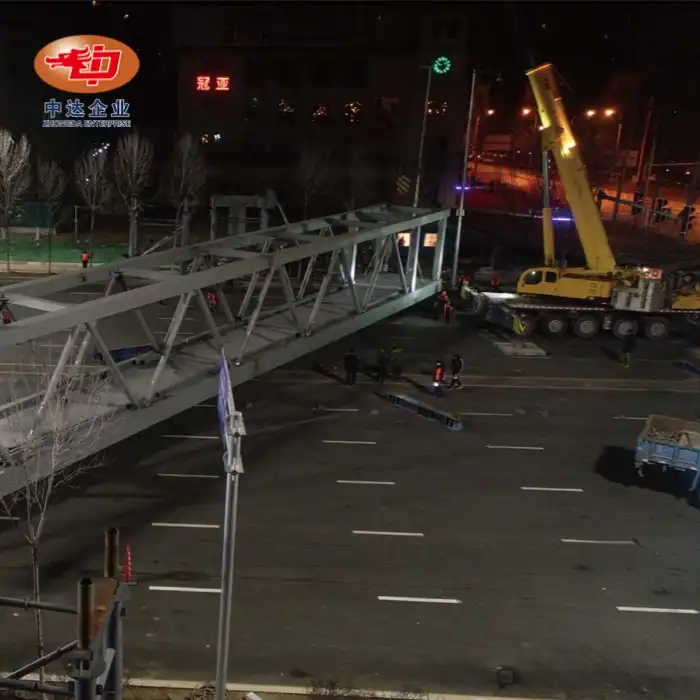
Complete safety plans cover both the building and running stages of a building's lifecycle. When building something, steel is safer to work with than other materials because it is naturally strong and stable in its dimensions. Using the right fall protection devices and following crane safety rules keeps workers safe during the whole building process.
Operational safety factors include how well the building resists fire, how well it handles earthquakes, and how easy it is for people to get out in case of an emergency. Steel is naturally resistant to fire because it doesn't catch on fire. It can also support full water system installs. The flexible properties of steel are used in seismic design to make buildings more resistant to earthquakes and protect people and valuable items inside.
Environmental Stewardship and Sustainability
When thinking about the environment, you need to think about both the effects during building and the long-term performance of the project. Because steel can be recycled, there are no worries about where to throw away old steel, and the material's value is recovered at the end of its life. High-performance insulation systems and daylighting strategies are examples of energy-efficient design approaches that lower electricity costs and lessen the damage that operations do to the environment.
Some ways to lower your carbon impact are to cut down on transportation routes, use recycled steel, and build things in ways that use less energy. These methods are in line with companies' goals for sustainability and show clients and government agencies that they care about the environment.
Conclusion
Logistics steel structure buildings are the best way to meet the needs of modern distribution centers because they provide the best performance in terms of operations, cost, and the environment. When it comes to long-lasting structures, quick and easy building, and adaptable operations, steel construction is the best choice for shipping companies that are looking to the future. Strategic methods to buying things that focus on suppliers' skills, quality standards, and long-term value improvement guarantee successful project outcomes that meet changing business needs and keep facilities performing at their best for longer periods of time.
FAQ
What is the typical lifespan of steel structure buildings in logistics applications?
When built according to current industry standards, steel structure buildings usually last between 50 and 75 years of solid service in logistics uses. Protective protection systems will work at their best for a long time if they are well taken care of and the structure is inspected regularly. When working in harsh environments, modern coating systems and rust protection methods can make things last even longer.
How do steel structures compare to concrete buildings in terms of total cost of ownership?
The total cost of ownership for steel buildings is usually cheaper because they take less time to build, cost less for foundations, and can grow more easily. Initial material costs may change depending on the market, but the mix of faster building, lower financing costs, and more operating freedom usually leads to 15–25% lower lifecycle costs than concrete alternatives.
Can steel structure buildings accommodate automated material handling systems?
Modern steel buildings are great at holding automated systems because they can be precisely measured and can hold more weight. The clear span properties keep automatic equipment from getting in the way and provide mounting places for control infrastructure, conveyor systems, and robotic equipment. Advanced design planning makes sure that structural and automatic systems work together without any problems.
What expansion options are available for existing steel structure distribution centers?
Steel design gives you a lot of options for adding on, both horizontally and vertically. Modular design methods allow for smooth facility additions that keep the building's architecture consistent while allowing for operational growth. When a building needs to grow, structural links can be made to work with future additions. This keeps things running smoothly and saves money when the time comes.
Partner with Zhongda for Your Next Distribution Center Project
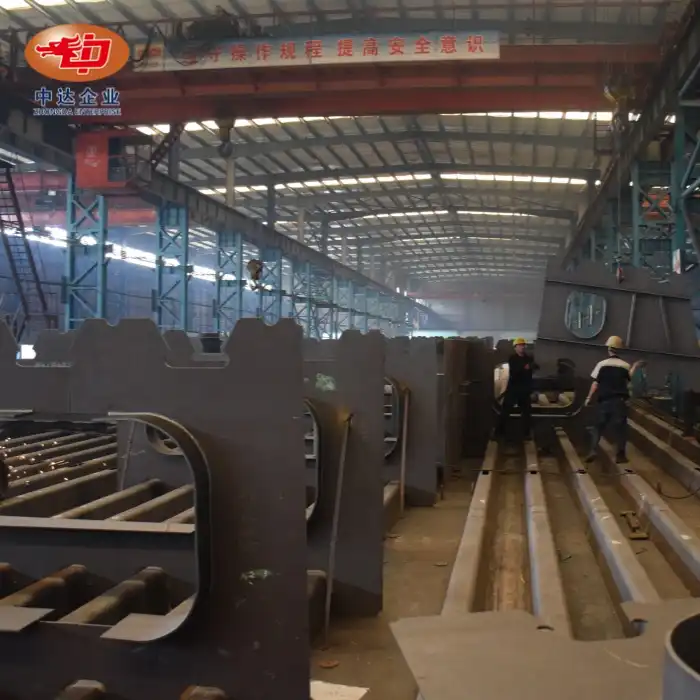
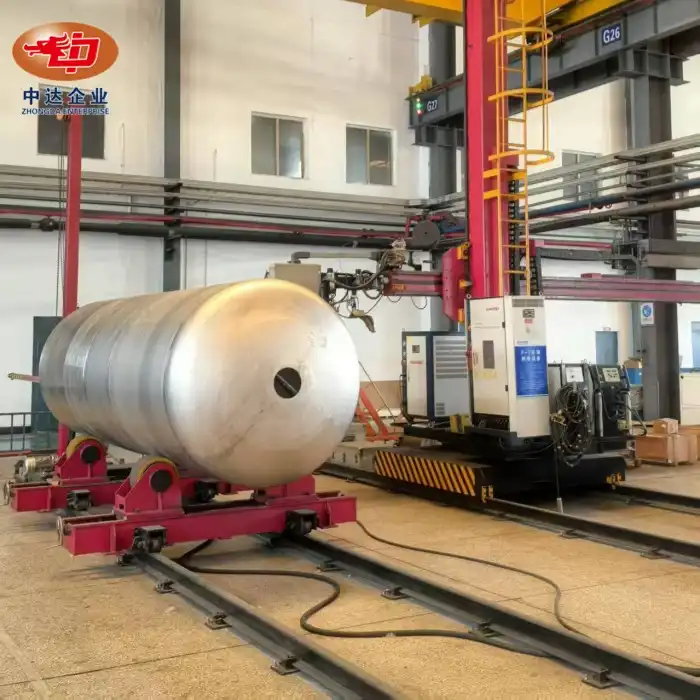
Zhongda has a wide range of skills and a history of completing successful logistics facility projects, which makes them a reliable choice for distribution center owners who want proven experience in steel structure building solutions. Precision prefabrication methods and BIM-driven design processes are used in our advanced manufacturing center to make sure that projects turn out well. With quality management systems that are ISO-certified and a lot of experience working in temperature-controlled settings, Zhongda provides reliable steel structure building solutions that go above and beyond what is expected.
Contact our experienced engineering team at Ava@zd-steels.com to explore customized steel structure building manufacturer partnerships that align with your specific operational requirements. Our all-around approach to project management includes design optimization, top-notch production, and installation support services that are meant to speed up project delivery and ensure that the facility works perfectly.
References
American Institute of Steel Construction. "Design Guide 25: Frame References for Stability Bracing Design." AISC Publications, 2018.
Building Owners and Managers Association International. "Industrial and Logistics Real Estate: Structural Systems Performance Analysis." BOMA Research Foundation, 2019.
Metal Building Manufacturers Association. "Energy Performance Guidelines for Pre-Engineered Metal Buildings in Commercial Applications." MBMA Technical Bulletin, 2020.
National Institute of Standards and Technology. "Structural Steel Construction Practices in Modern Industrial Facilities." NIST Special Publication 1500-3, 2021.
Structural Steel Educational Council. "Modern Steel Construction Methods for Large-Scale Distribution Centers." SSEC Technical Manual, 2020.
World Steel Association. "Sustainability and Lifecycle Assessment of Steel Structure Buildings in Industrial Applications." WSA Research Report, 2019.
YOU MAY LIKE
_副本_1758525876027.jpg "grid structures")