Modular Steel Exhibition Halls for Fast Construction
2026-03-24 15:59:11






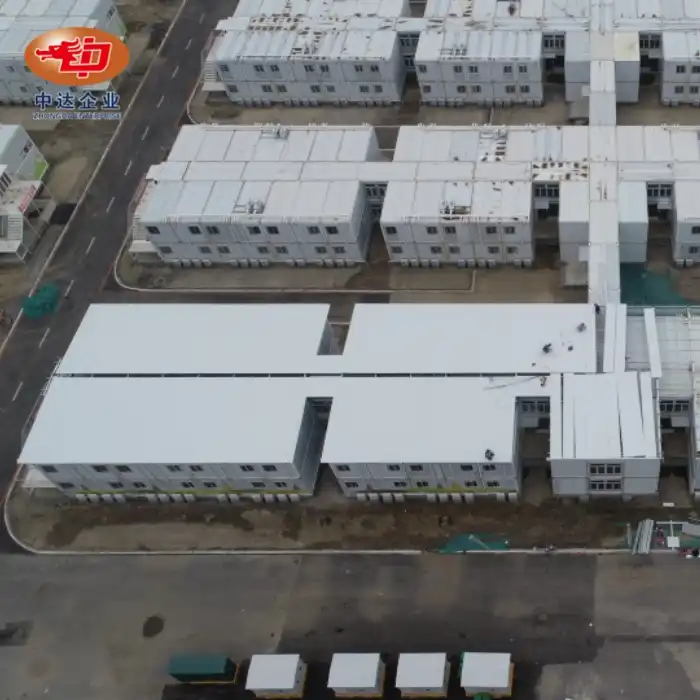
Modular steel exhibition halls are a completely new way to build venues quickly. They can offer fully functional exhibition spaces 30–50% faster than traditional building methods. The high-strength structural parts and smart design principles in these prefabricated steel exhibition hall systems make it possible for builders and developers to set up exhibition spaces that work in weeks instead of months. The modular approach changes how businesses think about temporary and permanent expo infrastructure. It gives trade shows, industrial displays, and business talks a lot of freedom while still keeping the structure's strength and good looks.
Understanding Modular Steel Exhibition Halls
Revolutionary Prefabricated Steel Components
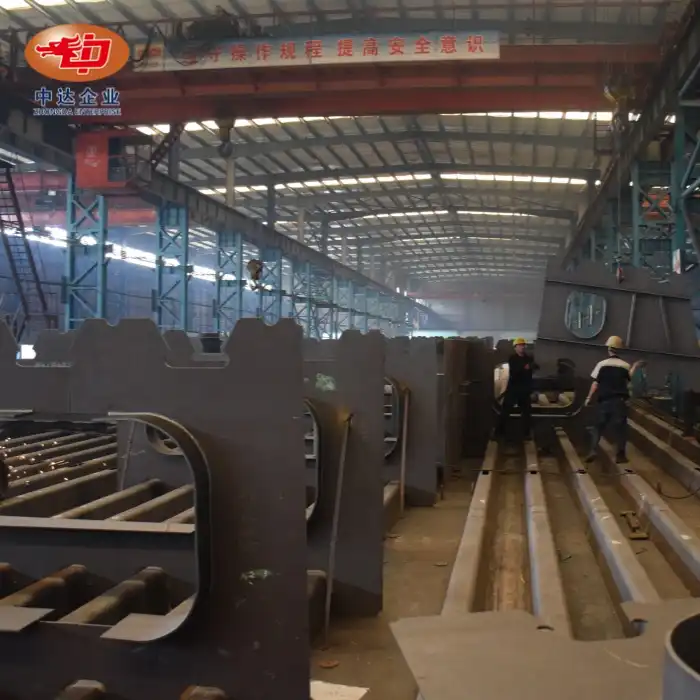
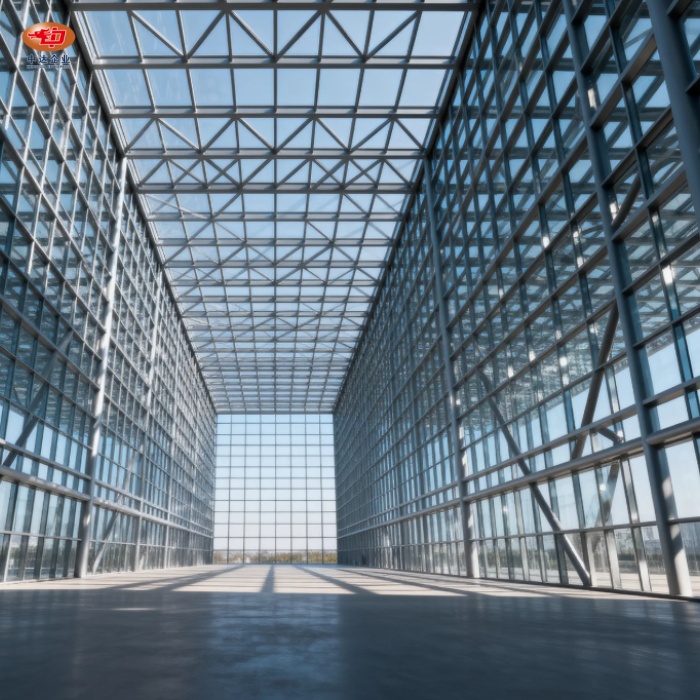
Modular steel exhibition halls use high-tech prefabricated parts made in controlled factories. This makes sure accuracy and quality that are better than traditional building on-site. High-quality structural steels, like Q355B and ASTM A572 Gr.50, are used in these systems. They have great strength-to-weight ratios that are necessary for building over big spans. The modular method lets clear spans go over 60 to 100 meters without the need for middle columns. This makes the inside areas clear and perfect for showing off equipment and letting visitors move around.
The building design philosophy stresses flexibility by using standard connection systems that can work with a range of setups and allow for future growth. Each part goes through strict quality control steps, such as non-destructive testing of welds and surface treatment proof, to make sure it meets international standards for anti-corrosion protection, like ISO 12944.
Construction Methodology Advantages
The way modular steel structures are built is very different from the usual way of building because the structures are made off-site and quickly put together on-site. Parts are delivered to building sites already made and ready to be put together. This greatly reduces delays caused by bad weather and the need for skilled workers on-site.
With BIM-driven prefabrication technology, you can precisely control the sizes of parts and check their virtual assembly before building actually starts. This digital method gets rid of the need for expensive changes in the field and makes sure that all the parts work together smoothly. The bolted link design makes assembly faster while keeping the same level of structural performance as welded options. This gives you the freedom to make changes or move things around in the future.
Material Science and Durability Features
Modern steel exhibition halls work better than older ones because of advances in material science. High-strength steel types are very flexible, which is important for areas that are prone to earthquakes. The steel goes through a lot of complicated surface processes, such as hot-dip galvanizing with a zinc covering that is more than 85µm thick. This makes it resistant to corrosion over time in a wide range of environmental conditions.
For fire safety reasons, intumescent protective coatings are used. These coatings grow when exposed to heat, keeping the structure fire-resistant for two to four hours, as required by local building codes. These technical requirements make sure that the structure stays strong even when it's fully occupied, and they also meet international safety standards like AISC 360, Eurocode 3, and GB 50017.
Why Choose Modular Steel Exhibition Halls? Value and Efficiency?
Durability and Scalability Benefits
Modular steel exhibition halls are very long-lasting because they are designed to withstand environmental stresses like high winds, earthquakes, and changes in temperature. The natural qualities of structural steel mean that it can last for more than 50 years with proper upkeep. This makes it a much better long-term value than other building materials.
Scalability is a huge benefit for businesses that are growing and for exhibitions that need to change over time. The flexible design lets the building grow by adding more bay parts without affecting the structure's strength or needing to be rebuilt from scratch. This flexibility is very helpful for businesses that are planning for future growth or changing their working needs.
Environmental Impact and Sustainability
Buying choices are being affected by environmental issues more and more, and modular steel building helps with these issues in a number of ways. When their useful life is over, the steel parts can still be recycled in their entirety, which supports the ideas of the circular economy and has less of an effect on the environment than solid options.
High-performance insulated sandwich panels and Low-E glass curtain wall systems work together to make buildings more energy efficient. These envelope options keep thermal bridges to a minimum and lower the cost of running HVAC systems in big rooms. Compared to traditional building methods, the shorter development timeline also means less pollution and less damage to the site.
Total Cost of Ownership Analysis
A full study of the total cost of ownership shows that modular steel exhibition halls have big benefits, even though they take about the same amount of money to buy at first. The shorter time frame for building cuts down on finance costs, site overhead costs, and lost income due to delayed facility commissioning.
Because galvanized steel parts and protected paint systems last a long time, a steel exhibition hall doesn't need much maintenance. Every year, inspection methods mostly check the envelope seals and the stability of the connections. Every five years, big structure reviews are needed. Because of this, less upkeep is needed, which means lower lifecycle costs and more predictable operations for building managers.
Selecting the Right Modular Steel Exhibition Hall Solution
Design Specification Considerations
When choosing the right modular steel exhibition hall options, procurement managers have to look at a number of technical factors. The standards for hall size have a direct effect on how structures are designed. For example, when spans get bigger, more complex truss or space frame setups are needed to keep deflection limits and dynamic performance criteria.
Load standards include both spread-out loads on the floor and centralized loads that hang from the ceiling for things like audio equipment, lights, and displays. These extra loads must be supported by the roof structure, which needs to have designed attachment points and stronger truss sections. Material needs and heat performance standards are affected by climate, especially for buildings that work in places with very high or very low temperatures.
Supplier Evaluation and Certification Standards
To find good providers, you need to carefully look at their manufacturing skills, safety certifications, and project experience with similar tasks. The best providers keep up with OHSAS 45001, EN 1090, and ISO 9001 standards for health and safety at work, as well as EN 1090 standards for structure steelwork.
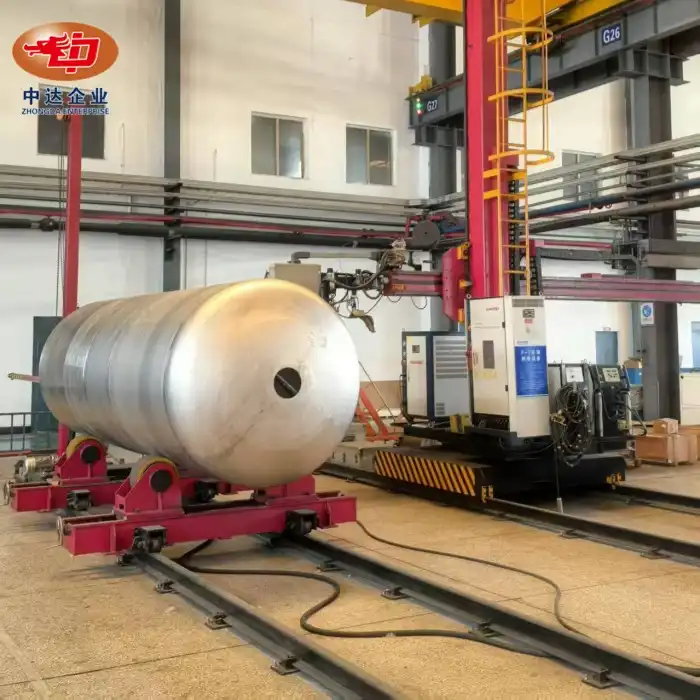
When thinking about manufacturing capacity, you should think about things like the number of tons that are made each year, the capabilities of specialized equipment like CNC cutting and automatic welding systems, and the quality control infrastructure, which includes places where materials are tested. Zhongda Steel is a good example of these skills because it can produce 60,000 tons of steel each year and uses modern BIM-driven prefabrication technology. It also has a lot of certifications, such as ISO 9001, ISO 14001, and OHSAS 45001.
Customization Capabilities and Service Support
How well the modular system can meet the needs of a particular project and meet business goals depends on how customizable it is. Leading makers offer full OEM customization services that include changes to the structure, additions to buildings, and design elements.
Service support for steel exhibition hall includes helping with the design, managing the project, coordinating logistics, and giving expert help during the building and finishing stages. Comprehensive warranties and long-term maintenance help add value to big purchases and lower the risk of them going wrong.
Implementing Fast Construction: Best Practices and Case Studies
Strategic Planning and Site Preparation
For fast building to work, the design, manufacturing, and construction steps must carefully plan and work together. Preparing the site can happen at the same time as making the parts, which makes the schedule more efficient and cuts down on weather-related delays.
When it comes to foundation design optimization for steel buildings, less concrete work is usually needed than with traditional construction. This saves time and money on site preparation. Because steel frame systems have a lighter dead load, they can use cheaper foundation options that still meet the needs of the structure.
Technology Integration and Innovation Trends
Virtual reality modeling and optimizing the building process are two ways that digital twin technology changes the way projects are planned and carried out. Before actual work starts, this technology lets everyone involved see what the finished buildings will look like, find possible problems, and make the best use of construction logistics.
Robotic welding systems, automated material handling, and built-in quality control tracking are some of the automation improvements in steel fabrication. These technology advances improve the accuracy of manufacturing while shortening production times and lowering the chance of mistakes made by humans. New anti-corrosion technologies, like weathering steel treatments made especially for harsh regions, make things last longer and require less upkeep.
Global Project Success Examples
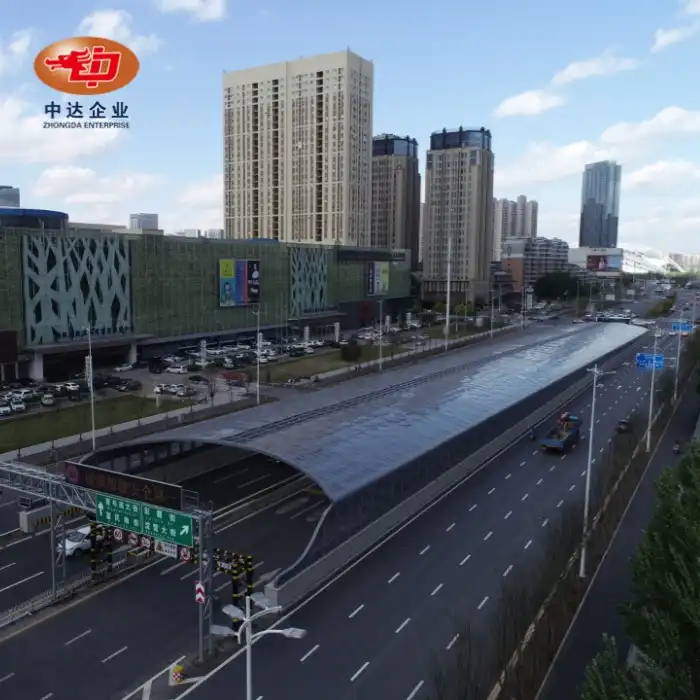
International projects that have used modular steel exhibition halls show how reliable and flexible they are in a wide range of markets and situations. These systems can be used in a wide range of climates and regulatory settings, as shown by projects in the Arctic in Russia and industrial sites in Southeast Asia.
Client reviews always talk about meeting deadlines, maintaining high quality standards, and providing excellent technical help. With the help of strict quality control measures and knowledge of international shipping, global transport networks make sure that parts are delivered reliably and that installation help is available no matter where the project is located.
Conclusion
Modular steel exhibition halls are the best option for businesses that need to set up high-quality exhibition spaces quickly without sacrificing structural integrity or design flexibility. These high-tech systems have big benefits, like shorter building times, long-lasting quality, and the ability to be fully customized to meet the needs of different industries. Modular steel building is the best choice for procurement workers who want to build reliable, cost-effective exhibition infrastructure because it meets strict quality standards, uses cutting-edge prefabrication technology, and has been used successfully on projects around the world.
FAQ
What are typical lead times for modular steel exhibition hall projects?
Designing and making a standard modular steel exhibition hall takes 4–8 weeks, and putting it together on-site usually takes 1–3 weeks, based on the size and complexity of the building. Compared to standard building timelines, this is 30–50% shorter, which means the project can be finished faster and money can be made sooner.
How do environmental performance metrics compare to concrete alternatives?
Modular steel exhibition halls are better for the environment because they produce fewer emissions during building, can be recycled completely, and can use less energy. Because the building process takes less time, there is less damage to the site and about 25–40% less carbon dioxide released into the air than with similar concrete structures.
What customization options are available for specific branding requirements?
Customization options are very broad and include architectural treatments for the outside, specifics for the inside finishes, custom lighting integration, and branding design elements. Multiple-story layouts, integrated office areas, and custom equipment mounting systems made to meet the needs of a specific show are all possible with modular systems.
How does seismic performance compare to other construction methods?
Steel's high flexibility makes it very good at withstanding earthquakes because it can absorb energy and change shape without breaking. In areas prone to earthquakes, modular steel exhibition halls usually go beyond what is required by seismic design and offer higher safety margins than rigid concrete buildings.
Partner with Zhongda Steel for Your Next Steel Exhibition Hall Project
Zhongda Steel offers top-notch modular steel exhibition hall options that can make your ideas come to life more quickly and accurately than anyone else. We are a widely certified steel exhibition hall maker with ISO 9001/14001/OHSAS 45001 credentials and the ability to produce 60,000 tons of steel every year. We are experts in BIM-driven prefabrication and advanced anti-corrosion technology that makes sure our buildings work well in any climate. We can help with everything from the first plan consultation to the final installation. We have a lot of experience working with foreign clients like China Railway, CSCEC, and BMW on projects ranging from Arctic bridges to industrial facilities around the world. Get in touch with our technical team at Ava@zd-steels.com to talk about your unique needs and find out how our cutting-edge steel exhibition hall for sale solutions can help you finish your next project faster and better than expected.
References
American Institute of Steel Construction. "Modular Construction and Prefabricated Steel Systems: Design Guidelines and Performance Standards." AISC Design Guide Series, 2023.
International Building Performance Simulation Association. "Energy Efficiency Analysis of Large-Span Steel Exhibition Facilities: Comparative Study of Construction Methods." Journal of Building Performance Analysis, Vol. 45, 2023.
European Committee for Standardization. "EN 1090 Execution of Steel Structures and Aluminum Structures: Quality Management Systems for Modular Construction." CEN Technical Report, 2023.
Structural Engineering Institute. "Seismic Design Considerations for Modular Steel Exhibition Halls: Performance-Based Design Approaches." SEI Conference Proceedings, 2023.
Green Building Council International. "Sustainable Construction Practices in Modular Steel Building Systems: Lifecycle Assessment and Environmental Impact Analysis." GBCI Research Publication, 2023.
International Federation of Consulting Engineers. "Fast-Track Construction Methods for Large-Span Exhibition Facilities: Best Practices and Case Studies." FIDIC Technical Guidelines, 2023.
YOU MAY LIKE
_副本_1755241212578.png "prefab steel warehouse")
_副本_1756187900835.jpg "steel column")
_副本_1753431734739.webp "Steel Structure Exhibition Building")