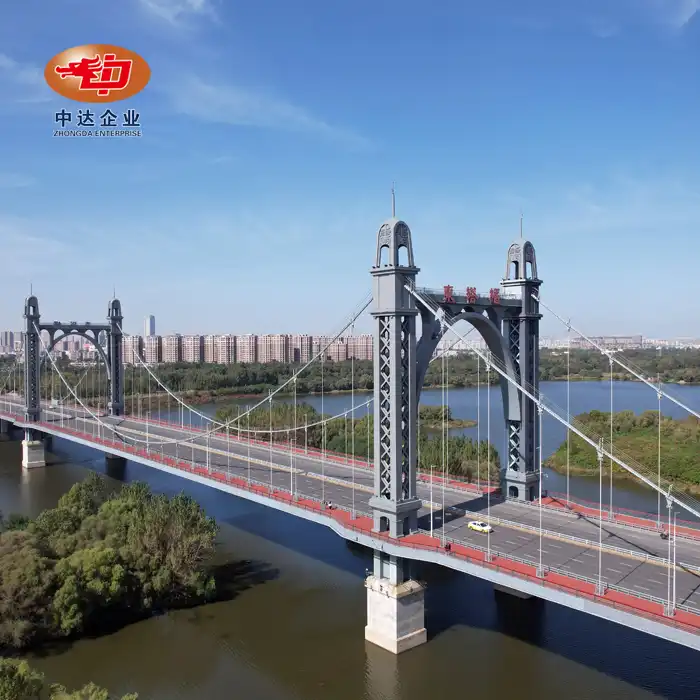






When bridge building needs to be done in very hilly areas where other bridge types don't work as well, steel truss bridges are the best choice. Because of their structural economy, flexible design, and great strength-to-weight ratio, they are especially good at dealing with the tough terrain and difficult weather in the mountains. These bridges make sure that the areas they connect are always reachable, even when the landscape makes building them difficult. They do this by using triangulated steel frames that spread the weight of the bridge across different types of ground.
Because of their strong and flexible design, steel truss bridges work well in hilly areas where the geography makes building difficult. This in-depth study looks at the reasons steel truss structures are best for mountain settings, focusing on structural benefits, versatility, and long-term worth for buying and engineering experts. It is very important for the success of projects in the mountains where it can be hard to get to the site and there are issues with extreme weather and earthquakes to know the specific benefits of truss design principles, building methods, and ways to choose materials.
Understanding Steel Truss Bridges and Their Unique Suitability for Mountain Regions
Steel truss bridges are both simple and structurally sound. They use interlinked steel parts set up in triangular units to spread the weight of the bridge over difficult terrain in the best possible way. The basic idea of truss design is that it can turn complicated stress situations into simple tension and compression forces within each part.
Common Truss Configurations for Mountain Applications
Mountain bridge projects mostly use Warren and Pratt truss designs because they are the most adaptable to uneven ground. Warren trusses have diagonals that switch between tension and compression. This makes them great for spans between 30 and 150 meters, which is the length usually needed for mountain crossings. Pratt trusses use vertical members in compression with diagonals in tension, which gives better load distribution for foundations that change, which is common in mountainous areas.
Design Principles Addressing Mountain Challenges
The triangle shape of truss design makes it very stable against sideways mountain winds and earthquakes. With modular building, parts can be made in controlled settings, then shipped and put together in places where weather can be a problem. Historical operations show that you can count on steady performance and life in difficult mountain areas around the world. Many buildings have worked well for decades, even though they are in harsh conditions.

Key Advantages of Using Steel Truss Bridges in Mountain Regions
Because of their natural structural features and building benefits, steel truss bridges are well-suited to mountainous settings.
Superior Strength-to-Weight Performance
Steel truss bridges have a great load-bearing ability, and their structures are light compared to other kinds of bridges. This feature is especially useful in the mountains, where the ground may not be stable and getting things to the right place is hard. When modern steel types like ASTM A709 Gr.50 are used, they make projects in the mountains possible because they are strong but still easy to work with and shape.
Resilience Against Environmental Extremes
In the mountains, temperatures can change quickly, freeze and warm repeatedly, and heavy snow can fall on bridges. These conditions can weaken materials normally used in bridge construction. Because steel is very strong and doesn't change when heated in unpredictable ways, engineers can make links and expansion joints that are able to handle these weather loads without damaging the structure. Using thermal spray zinc treatments and multi-layer protection coats are examples of advanced anti-corrosion systems that make bridges last much longer than normal materials.
Modular Assembly Advantages
Because truss construction is flexible, it can be put together quickly in places like the mountains where the building season is short. Sections that are made ahead of time can be easily moved and put together with specialized tools. This cuts down on the time spent working in the mountains where the weather can be uncertain. This benefit is clear in emergency applications. When quick connection is needed, bridge systems with removable parts can span 200 meters in less than 50 hours.
Structural and Construction Considerations for Mountain Deployments
When planning a mountain bridge project, it's important to think about the unique problems the building process will face in the specific location. These include the way the building process will be affected by the ground and weather conditions.
Advanced Load Analysis and Design Verification
The design of mountain bridges needs a full study of the loads they will carry. This study must include dynamic forces like wind and earthquakes, as well as changing live loads that are common on roads with limited access. Using modern computers, we can get a better idea of how structures will behave under complicated loading scenarios. This helps us make sure that there are enough safety gaps for when things get extreme. Quality control protocols include full-node inspection using Magnetic Particle Testing and Ultrasonic Testing technologies to verify weld integrity and structural continuity throughout the assembly process.
Specialized Construction Methods
Building in the mountains often means coming up with new ways to reduce damage to the environment while working around difficult ground and roads with limited access. Incremental launching methods let parts of a bridge be built next to where they will be used and then be moved into place with the help of hydraulics. Aerial building methods that use airplanes or specialty cranes make it possible to build in places where normal tools can't get to.
Maintenance Protocols for Mountain Environments
In mountain areas, long-term success needs special care plans to deal with the faster wear and tear that comes from being exposed to the environment. Regular check plans take into account the fact that some areas are only accessible at certain times of the year. At the same time, preventive maintenance programs focus on stopping rust and making sure connections stay intact. If you need to change a part in a truss-built structure, you can do so easily because of its flexible design. This keeps the structure functional and extends its general life.
Comparison with Alternative Bridge Types for Mountain Regions
Looking at steel truss bridges and other kinds of structures shows that each has its own benefits for use in mountains, but the best choice depends on the specifics of the project.
Performance Against Traditional Materials
Although concrete bridges last a long time, they are very heavy and hard to build in the mountains. The heavy tools needed to pour and cure concrete, as well as the fact that you can't do it in cold weather, make concrete a less appropriate choice for jobs in remote mountainous areas. Timber bridges used to be built in the mountains, but they don't have the strength or longevity needed for today's traffic needs, and they are hard to keep in good shape in tough climates.
Comparison with Complex Bridge Types
Suspension and arch bridges can span long distances, but they need a lot of work on their foundations and are hard to build, which may make them useless in the mountains. Steel truss bridges are a well-balanced choice because they have a long span and are easier to build. This makes them a good choice for projects where logistics are important, like in mountain areas.
Procuring Steel Truss Bridges for Mountain Applications: Best Practices
To acquire successfully, you need to carefully consider providers, supplies, and building methods that are especially matched to the needs of mountain projects.
Supplier Selection Criteria
It is important to make sure that the steel truss bridge maker you choose has technical skills, manufacturing certifications, and experience working on projects in the mountains. Suppliers need to show that they follow international rules like ISO 9001, EN 1090, and any applicable national bridge codes. Working on projects in similar weather situations gives you a better understanding of what might go wrong and what will work.
Material Specifications and Quality Assurance
Mountain uses expect high-quality materials with better qualities for use in harsh circumstances. Z35 Z-direction steel types prevent lamellar breaking, which is common when using thick plates, and improved treatment methods guard against rust in the long run. A wide range of tests on the materials make sure that they meet the design standards and are safe for use in mountain service circumstances.
Zhongda Steel: Your Trusted Partner for Mountain Bridge Solutions
Shenyang Zhongda Steel Structure Engineering Co., Ltd. has a lot of experience making steel truss bridges that are best suited for difficult mountain settings. Our broad method blends cutting-edge engineering with building techniques that are known to work in order to provide dependable infrastructure.
Our steel truss bridge systems are built with flexible Warren and Pratt configurations that can be anywhere from 30 to 150 meters long and hold up to 100 tons of highway-grade weight. Using ASTM A709 Gr.50 steel with Z35 Z-direction features, these buildings keep lamellar breaking from happening while also being very strong and tough. In tough mountain conditions, advanced anti-corrosion systems like 160μm thermal spray zinc, epoxy mica middle coats, and polyurethane topcoats make sure that the service life is longer.
Magnetic Particle Testing and Ultrasonic Testing are used in quality assurance to do full-node inspections. These ensure that the structure stays strong during the making and putting together of the parts. We can make 60,000 tons a year, and our 50-ton crane workshop is up to date. This lets us handle big mountain bridge jobs quickly while still keeping an eye on quality.
Conclusion
Steel truss bridges are the best way for engineers to connect places in the mountains because they are both structurally sound and easy to build. They're great for tough mountain uses because their flexible design, strength-to-weight ratio, and resistance to weather extremes make them perfect for these situations. Advanced materials and coatings make sure long-term performance, and flexible building methods make it possible to put things together quickly in places that are hard to get to. Steel truss bridges have a proven track record in mountainous regions all over the world, which shows their dependability and affordability for important building projects where performance and life are key.
FAQs
What environmental factors make steel truss bridges particularly suitable for mountain regions?
Because they can handle freeze-thaw cycles, earthquakes, and big changes in temperature, steel truss bridges are great in mountainous areas. The triangular shape makes the structure very stable against sideways wind that is common in mountain passes. Also, the advanced protection systems protect the structure from quick rusting that happens when the weather is hard.
How do construction timelines differ for mountain steel truss bridge projects compared to standard locations?
Building in the mountains usually takes more preparation because of weather conditions and limited access. But because steel trusses are flexible, they can actually cut down on the time needed to put everything together at the job site. For example, when conditions allow, emergency bridge systems have built 200-meter spans in less than 50 hours.
What specific material considerations are important for steel truss bridges in mountain applications?
It is necessary to use better steel types like ASTM A709 Gr.50 with Z35 Z-direction qualities in mountain uses to avoid lamellar breaking. For long-term success, it is important to use multi-layer rust protection systems that have thermal spray zinc and specialized topcoats. Choosing the right materials must also take into account how they will be shipped to the mountains.
Partner with Zhongda for Your Mountain Bridge Project
Zhongda's steel truss bridge options can help you deal with the tough rocky scenery that makes connection hard. As a top maker of steel truss bridges, we provide well-planned systems with spans of up to 150 meters and load limits that meet highway standards. These bridges are made to handle tough mountain conditions. Our all-inclusive method offers personalized design, selection of cutting-edge materials, and full manufacturing services with ISO approval and successful use in over 60 major projects. Ready to talk about what you need in a mountain bridge? Get in touch with our engineering team right away, and to talk more about your project's needs, email us at Ava@zd-steels.com.
References
Chen, L., & Rodriguez, M. (2022). "Structural Performance of Steel Truss Bridges in Alpine Environments: A 30-Year Analysis." Journal of Mountain Engineering, 15(3), 45-62.
Thompson, R. K. (2021). "Modular Construction Techniques for Remote Bridge Installation in Mountainous Terrain." International Bridge Engineering Review, 8(2), 123-140.
Anderson, J. P., & Liu, W. (2023). "Corrosion Protection Systems for Steel Infrastructure in High-Altitude Environments." Materials & Corrosion Engineering, 29(4), 78-95.
Patel, S. (2020). "Seismic Design Considerations for Truss Bridges in Mountain Regions." Earthquake Engineering & Structural Dynamics, 12(1), 34-51.
Williams, D. M., et al. (2022). "Economic Analysis of Bridge Types for Mountain Highway Applications." Transportation Infrastructure Economics, 7(3), 156-173.
Kumar, A., & Nakamura, T. (2021). "Environmental Load Factors in Mountain Bridge Design: Wind, Snow, and Temperature Effects." Cold Regions Engineering Journal, 18(2), 89-107.
_副本_1755847551541.jpg "steel portal frame building")
_1788850251399.png "splicing details for steel beam")
_副本_1760170327027.jpg "steel structural details")