Where to Find Structural Steel Suppliers for Major Infrastructure Projects?
2026-06-17 17:04:13






To find qualified structural steel sources for big building projects, you need to first understand how your buying network works. The most trusted source for you is a certified maker with a history of making things, like those with ISO 9001 and EN 1090 certifications. You can find sellers who can meet your large-scale steel structure needs at industry trade shows, specialized B2B platforms, and direct maker partnerships. Checking a supplier's qualifications, production capabilities, and project profiles makes sure that their technical knowledge matches your infrastructure needs. This will save you time and money while keeping quality standards high throughout the entire project timeline.
Understanding Structural Steel in Major Infrastructure Projects
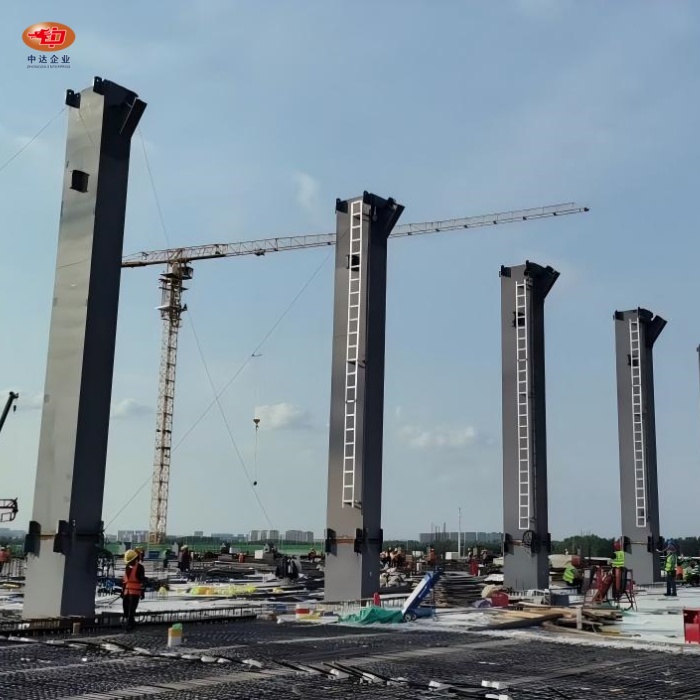
Modern infrastructure growth in the business, industry, and public areas is based on structural steel. This engineering material is made up of shaped cross-sections, like H-beams, I-beams, columns, and trusses, that are made to exact specs and can hold huge loads without losing their shape. When we look at big projects like multi-span bridges, high-rise business towers, or huge logistics centers, steel structure systems always do better in terms of strength-to-weight ratio and how quickly they can be built.
What Makes Structural Steel Essential for Infrastructure?
The basic features of structural steel make it useful for important problems that come up in big building projects. These materials can support complex load patterns and allow design freedom. Their yield strengths range from 235 MPa to 460 MPa, based on the grade chosen (Q235B through Q355B). When the modulus of elasticity is around 210 GPa, it gives engineers reliable displacement traits that they use in their design calculations. Steel is not only strong, but it is also flexible, which means it can bend before it breaks. Materials that are not flexible, like unreinforced concrete, don't have this safety feature.
Primary Applications Across Infrastructure Sectors
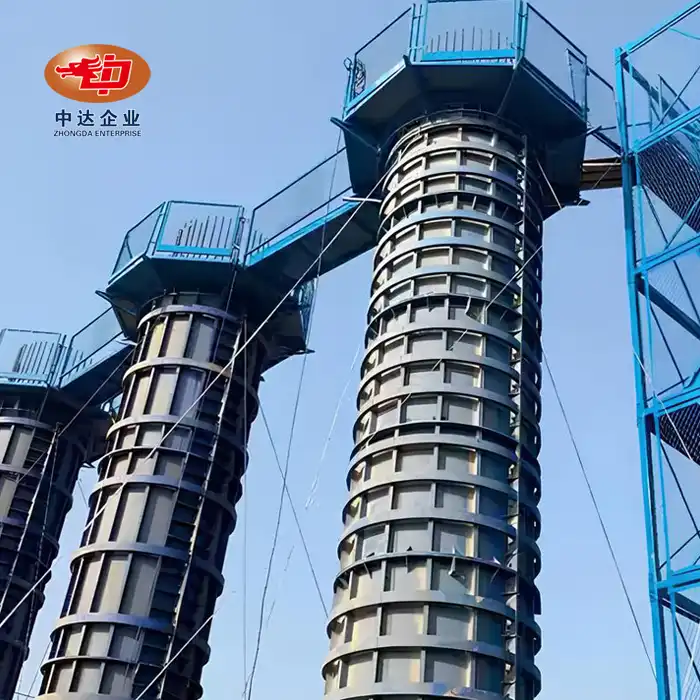
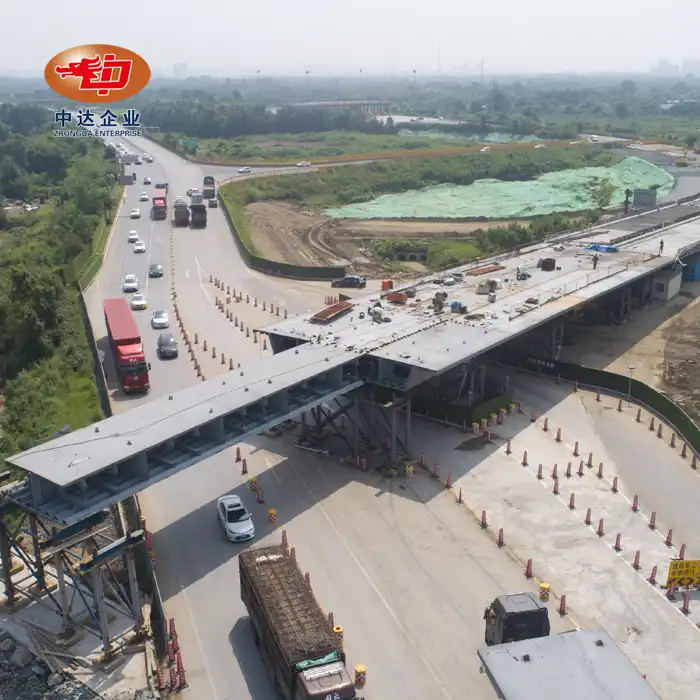
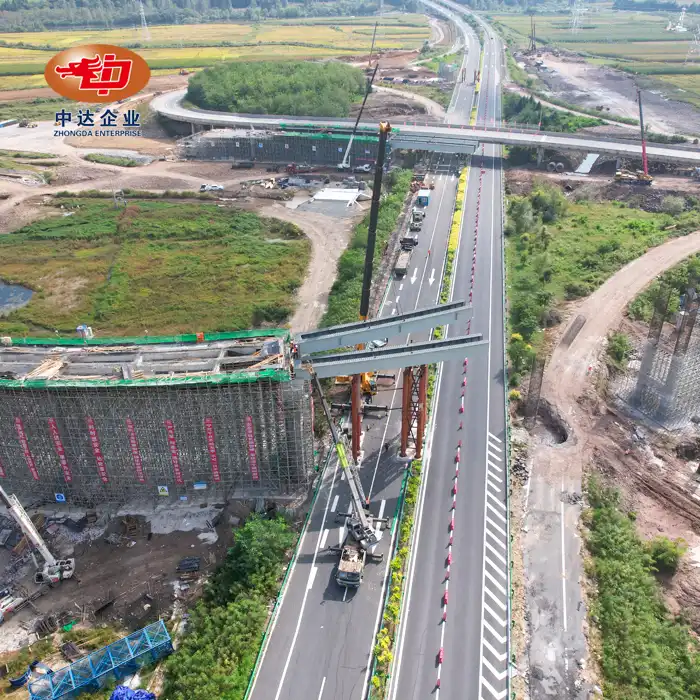
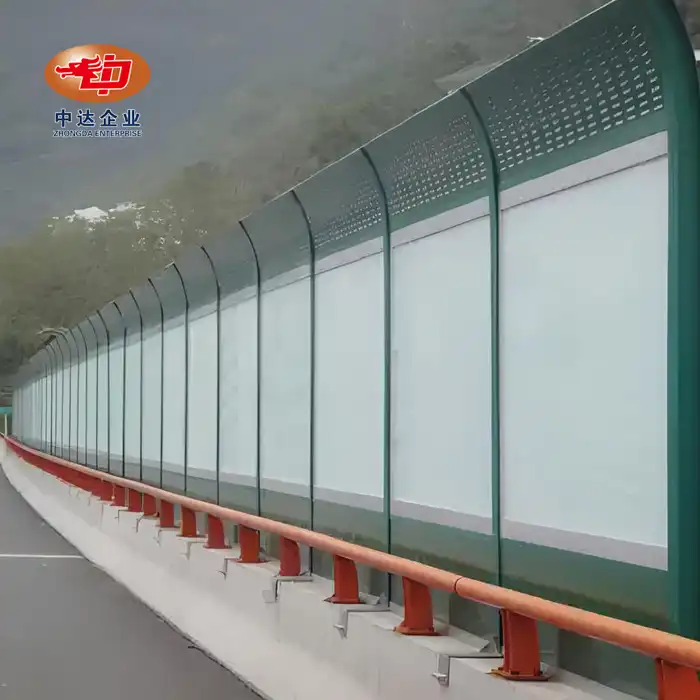
Different types of buildings need different types of steel structures. Plate girders and box sections are used in highway and bridge projects to span more than 100 meters between supports. Commercial builders choose hybrid steel-concrete systems because they have smaller column sizes than pure concrete options, which means that more rentable floor space is available. For renewable energy systems to work, they need special types of weathering steel that can handle salty coastal areas without losing their protected coating. Pre-engineered building systems with clear widths of more than 50 meters are useful for industrial sites because they get rid of interior beams that would get in the way of production lines and tools for moving materials.
Construction Timeline and Sustainability Advantages
Parallel processing speeds up steel structure building methods by letting supports be built at the same time as off-site manufacturing. According to industry standards, this cuts total timelines by 30–50%. This speed directly means lower borrowing costs and more money coming in sooner. From an environmental point of view, steel used in steel structure projects can still be recycled over and over again without losing any of its properties. This supports the circular economy ideas that are becoming more and more important in government-funded steel structure building projects. BIM and TEKLA models are used in modern steel structure manufacturing processes to keep waste to a minimum and ensure millimeter-level accuracy during plant production.


Criteria for Selecting Structural Steel Suppliers
Setting buying guidelines is the first step in building good ties with suppliers in infrastructure development. As you make your choice, you need to weigh the professional skills against the financial aspects while also making sure that the materials you use are in line with the rules that govern building materials. Unlike smaller business projects, big infrastructure projects need suppliers who can keep quality high over multiple years of supply plans and have enough money to last through project payment cycles.
Technical Specifications and Volume Capacity
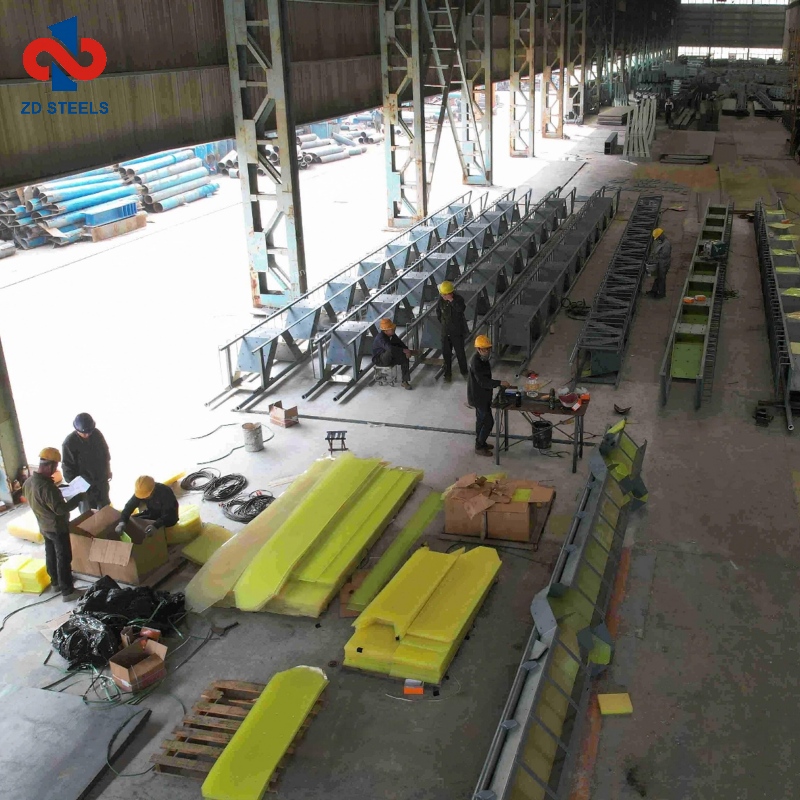
For major building projects to go smoothly, suppliers must be able to handle large orders quickly. Check out possible partners by seeing how much they can produce each year. Facilities that can process 60,000 tons or more each year show that they are big enough for big projects. Fabrication technology is very important. Suppliers who use CNC cutting systems can get tolerances of ±0.2mm on very thick plates, which makes sure that they fit correctly when they are put together on-site. Check to see if the candidates have their own blasting and finishing lines. Hiring outside companies to do these jobs can leave gaps in quality control and cause schedule problems.
Certification Standards and Compliance Documentation
International licenses are a reliable way to show that a seller is skilled and that the process is fully developed. ISO 9001 certification proves that a company has a quality management system, and ISO 14001 certification shows that a company cares about the environment, which is becoming more and more important in public procurement. The EN 1090 license covers the specific needs for making things out of structural steel in the European and North American markets. Certification by ASTM makes sure that the chemistry make-up and mechanical qualities of a material meet technical requirements. Suppliers who work with infrastructure should be able to easily provide mill test results, standards for the welding process, and third-party inspection paperwork that meets the needs of both engineers and regulatory authorities.
Fabrication Capabilities and Quality Traceability
Protecting the project's interests means telling the difference between real producers and trade middlemen. Direct makers are in charge of all the factors that affect quality during production, from getting the raw materials to applying the final finish. This vertical integration makes it possible to fully track everything that happened, which is necessary when dealing with non-conformances or design changes made in the middle of a project. Check to see if the providers have specific engineering teams that can look over shop plans and offer technical help during installation. Advanced providers use Design for Manufacture and Assembly concepts that make the manufacturing process more efficient and make the field assembly process easier.
Top Channels to Locate Reliable Structural Steel Suppliers
There are several ways to find qualified steel sources, and each has its own benefits that depend on the stage of the project and how quickly the goods need to be delivered. Buyers who are good at what they do use a variety of methods to build a network of different suppliers that lowers risk and keeps prices low.
Industry Trade Shows and Professional Associations
Trade shows like NASCC (North American Steel Construction Conference) and FABTECH bring together approved steel structure sellers in one place so you can see their products and services for yourself. At these events, you can look at steel structure examples that have been made, talk about technical needs in person, and judge a company's skill by looking at how their booth looks and how knowledgeable their staff is. Regional steel maker groups keep member listings with steel structure companies that have already been checked out and found to meet basic industry standards. But being a member of a group doesn't mean someone is qualified to do complicated steel structure infrastructure work; they still need to be checked by someone else.
Specialized B2B Platforms and Direct Manufacturer Engagement
Online markets make it easier to find suppliers at first, but you need to be very careful to make sure they are trustworthy. Platforms that show ISO certificates, workplace movies, and showcases of finished projects are more reliable sources of information than simple product listings. When building infrastructure, it's often better to work directly with well-known makers. Companies like Zhongda Steel, which has specialized buildings that cover more than 120,000 m² and has completed projects in foreign markets, can give big projects the security and technical depth they need. Working with companies like China Railway, CSCEC, and BMW shows that they can do strong work in tough situations.
Regional Supplier Networks and Logistics Considerations
Location affects the total cost of the job in addition to the prices of the materials. Using domestic or regional providers cuts down on the cost of shipping, makes it easier to communicate across time zones, and speeds up the time it takes to respond to urgent needs or design changes. For projects in difficult conditions like the Arctic or high-salinity coastal areas, steel buildings need special finishing methods and types of materials. Suppliers who have worked in similar situations before, like those who have sent parts for an Arctic bridge to Russia or mine equipment to Australia, bring useful application knowledge that keeps costly design mistakes from happening.
Comparing Steel Structure Supply Solutions for Infrastructure Projects
Choosing the right supply technique has a big effect on the project's costs, plan, and quality. Knowing how premade and site-built methods work differently can help you match your buying plan to the needs of your project.
Prefabricated Systems Versus Traditional Construction
When prefabricated steel structure systems get to the job site, they are already put together and only need to be connected. Factory-controlled production settings keep the quality of the welding, the accuracy of the measurements, and the preparation of the surface at a level that can't be matched on the job site. Installation goes quickly because delays caused by bad weather only affect installation and not manufacturing. Traditional stick-built methods allow for changes to the plan to be made during building, but they bring quality issues and cause schedules to slip. Infrastructure projects with repeating parts, like warehouses, factories, or bridge spans that are all the same, can save a lot of money by prefabricating them. Complex custom shapes may call for mixed methods that use both premade parts and links that are made on-site.
Material Performance Comparisons and Budget Considerations
To compare steel to options like concrete and metal, you need to look at more than just the original prices of the materials. Steel structure systems usually cost more up front than reinforced concrete, but they finish projects faster and need less base work because they carry fewer dead loads. While the compressive strength of concrete is good for some uses, the tensile strength and flexibility of steel are better for earthquake zones and dynamic stress conditions. Aluminum doesn't rust, but steel is stronger and costs less, so it's not as good for building big infrastructure. When making a budget, it's important to keep an eye out for hidden costs. For example, steel needs to be coated to protect it from fire and managed for rust in harsh environments, and concrete needs a lot of formwork and drying time, which adds to the cost of labor and delays the project.
Some ways to negotiate a budget are to time the buy of materials so that they don't go up or down in price and to set up payment terms that are based on manufacturing stages instead of delivery dates. By finding clashes before fabrication starts, suppliers that can integrate BIM cut down on coordination costs. Volume commitments across multi-phase projects lead to better pricing than single-phase procurement, but they need careful planning for predicting demand and storing goods.
Best Practices to Ensure Successful Steel Supplier Relationships
The involvement of suppliers in building projects doesn't end with procurement. Managing relationships during the fabrication, delivery, and installation stages is what makes or breaks projects in terms of quality and schedule.
Communication Protocols and Coordination Mechanisms
Setting up clear lines of communication stops misunderstandings that lead to delays and extra work. Set up a single point of contact on each side who can answer technical questions and give permission for small changes. During the production phases, weekly progress talks keep everyone on the same page about the state of the plan and any new problems that come up. Suppliers should regularly send photos that show how the work is progressing compared to approved shop plans. When there are differences in language or time zones, paying for professional translation services and setting up meetings that work for everyone shows that you are committed to clear communication.
Risk Management and Contractual Safeguards
Well-structured contracts spell out who is responsible for what, how they should perform, and what will happen if they don't. Include specific terms about limits for measurements, standards for surface preparation, shipping times with paid fees for delays, and the right to check at the supplier's facilities. Third-party quality checks done during production find problems before they are shipped, instead of having to pay a lot to move the production site. Payment arrangements should encourage performance. For example, keeping the money until the work is complete protects the owner's interests, and milestone payments keep the supplier's cash flow going. When writing force majeure terms, it's important to be clear about the difference between delays that are acceptable and provider performance fails.
Post-Delivery Support and Maintenance Services
Suppliers who offer assembly help in addition to delivering materials are helpful for infrastructure jobs. During the construction phase, technical reps answer questions about the fit-up and make sure that the right connection steps are followed. Suppliers who know a lot about specialized treatment systems, like -60°C weathering steel technology, can help you figure out what kind of touch-ups you need to do in the field to protect the long-term performance. Some makers offer maintenance testing services that find problems with rust or wear before they damage the structure. This protects capital investments and extends the life of assets. These services add value and set capable partners apart from transactional providers. They also explain higher prices by lowering the total cost of ownership.
Conclusion
To find qualified structural steel suppliers for big building projects, you need to carefully look at their professional skills, certifications, and operating size. A good buying process finds a balance between the performance needs of the materials and the available budget, while also building ties with suppliers that will help the project succeed in the long run. Procurement teams can get the specialized manufacturing skills that complicated infrastructure needs by using trade shows, business-to-business (B2B) platforms, and direct partnerships with manufacturers. When requirements match standard production, prefabricated solutions can save time and money while reducing common purchase risks through careful contract steel structure and ongoing communication. If you choose companies with a track record of building infrastructure, you can be sure that your projects will be carried out reliably and with the benefit of their years of experience.
FAQ
How do I verify a structural steel supplier's credibility before committing to large orders?
As proof of quality standards, ask for ISO 9001, EN 1090, and ASTM approvals. Look over finished project profiles that focus on infrastructure work that is about the same size and level of difficulty as what you need. Do site checks that look at methods for tracking materials, production tools, and quality control. Talk to past clients directly—references that have been passed through sales teams don't give you as much information as comments from actual customers. Checks on a supplier's financial health through credit agencies protect against mid-project supplier fails that wreck project plans.
What documentation should I require before placing structural steel orders?
Some important papers to have are confirmed mill test results that confirm the grades of the materials, shop plans that have been signed by your engineer of record, welding process specifications that meet all the relevant codes, surface preparation and finishing specifications, and detailed delivery schedules. Quality control plans that list check hold spots and testing methods make sure that the finished product meets the requirements. Insurance papers that cover professional compensation and product responsibility guard against claims of faulty materials.
How can we optimize lead times for large-scale infrastructure steel requirements?
Release orders early in the project plans let the base and manufacturing work go on at the same time. Give full, signed engineering plans with as few revisions as possible. If you can, use normal pieces instead of custom-rolled ones because custom-rolled ones take 8 to 12 weeks longer to deliver. Build ties with sellers who keep materials in stock and can start making things right away. Include terms in contracts that reward early delivery. This will match the supplier's drive with the goals of the project plan.
Partner with Zhongda—Your Trusted Steel Structure Manufacturer for Infrastructure Excellence
Zhongda Steel brings 20 years of experience to big building projects around the world. Our 120,000 m² plant can handle 60,000 tons of steel every year and is certified to ISO 9001, 14001, and 1090. It also has the latest manufacturing technology, such as BIM-driven prefabrication and ultra-thick plate cutting with ±0.2mm accuracy. We've sent important parts to Russia for Arctic bridges, to Australia for mining activities, and to Southeast Asia for industrial centers. Our special -60°C weathering steel anti-corrosion technology makes sure that even in the toughest conditions, it will work for decades without any repairs. Our experienced engineering team can help you with everything from designing the best solution to installing it, whether you need quick delivery of premade systems or custom solutions for complicated shapes. Get in touch with experienced steel structure suppliers who are ready to help you with your next big project. Email Ava@zd-steels.com for expert advice and reasonable quotes that are made to fit your building needs.
References
American Institute of Steel Construction (AISC), "Steel Construction Manual, 15th Edition," 2017.
Beedle, L.S., "Structural Steel Design: LRFD Approach," Journal of Structural Engineering, Vol. 145, No. 3, 2019.
European Committee for Standardization, "Eurocode 3: Design of Steel Structures—Part 1-1: General Rules and Rules for Buildings," 2005.
Mazzolani, F.M., "Structural Steel in Seismic Regions: Design, Analysis and Application," CRC Press, 2018.
Owens, G.W. and Cheal, B.D., "Structural Steelwork: Connections," Butterworth-Heinemann, 2015.
Salmon, C.G., Johnson, J.E., and Malhas, F.A., "Steel Structures: Design and Behavior—Emphasizing Load and Resistance Factor Design, 5th Edition," Pearson Education, 2009.
YOU MAY LIKE
_副本_1758525665999_1789372930836.jpg "steel frame structures")