Why Choose Zhongda Steel Pontoon for Floating Dock Projects?
2026-08-11 14:55:02






Picking the right steel pontoon for your floating dock project will have a direct effect on how safe it is to use, how long it lasts, and how much it costs all together. We at Zhongda design and build high-performance floating buildings that meet the tough needs of business construction, infrastructure development, and industrial marine uses. Our Q235B galvanized steel pontoons float more than 500 kg/m³, can handle level 8 wind and wave conditions, and need 70% less upkeep than concrete options. With DNV GL approval and ISO 17357 compliance, Zhongda is a reliable company that has been making things for 20 years.
Understanding Steel Pontoons and Their Role in Floating Dock Projects
Learn about steel pontoons and how they are used in floating dock projects. In a variety of aquatic settings, steel pontoons are the main parts of safe, load-bearing floating dock systems. These hollow, cylinder-shaped or rectangular structures give working platforms, temporary bridges, offshore wind sites, and port facilities the buoyancy they need to stay in place. Unlike traditional buildings that stay in one place, moving systems can change with the tides while still being stable.
Superior Strength and Load-Bearing Capacity
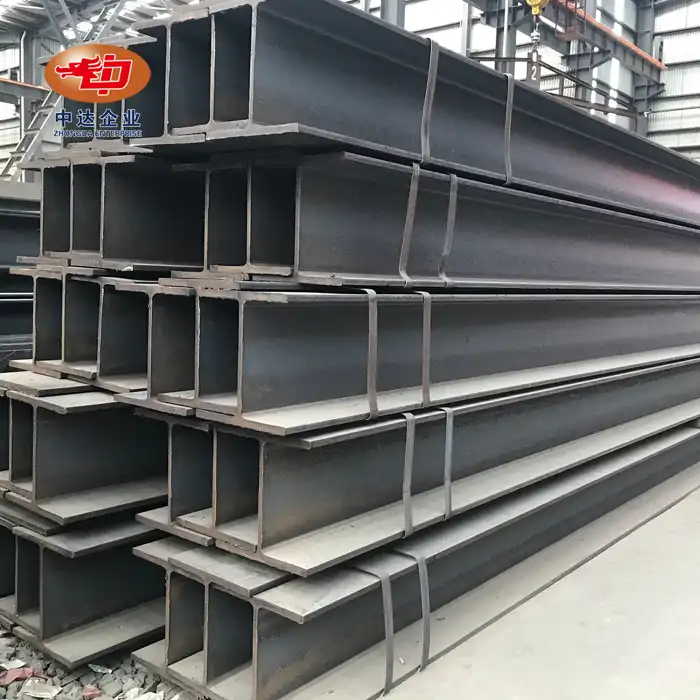
Steel is the best material for tough naval uses because of the way it naturally behaves. High-grade steel pontoons can hold big tools, building equipment, and storage materials without causing damage to the structure. When projects need to support tractors, cranes, or industrial processing equipment on water, steel is the only material that can do it with the strength and durability needed. Our Q235B galvanized steel construction doesn't bend when it's under stress, and it keeps its shape even when the temperature changes and the load changes.
Durability in Harsh Marine Environments
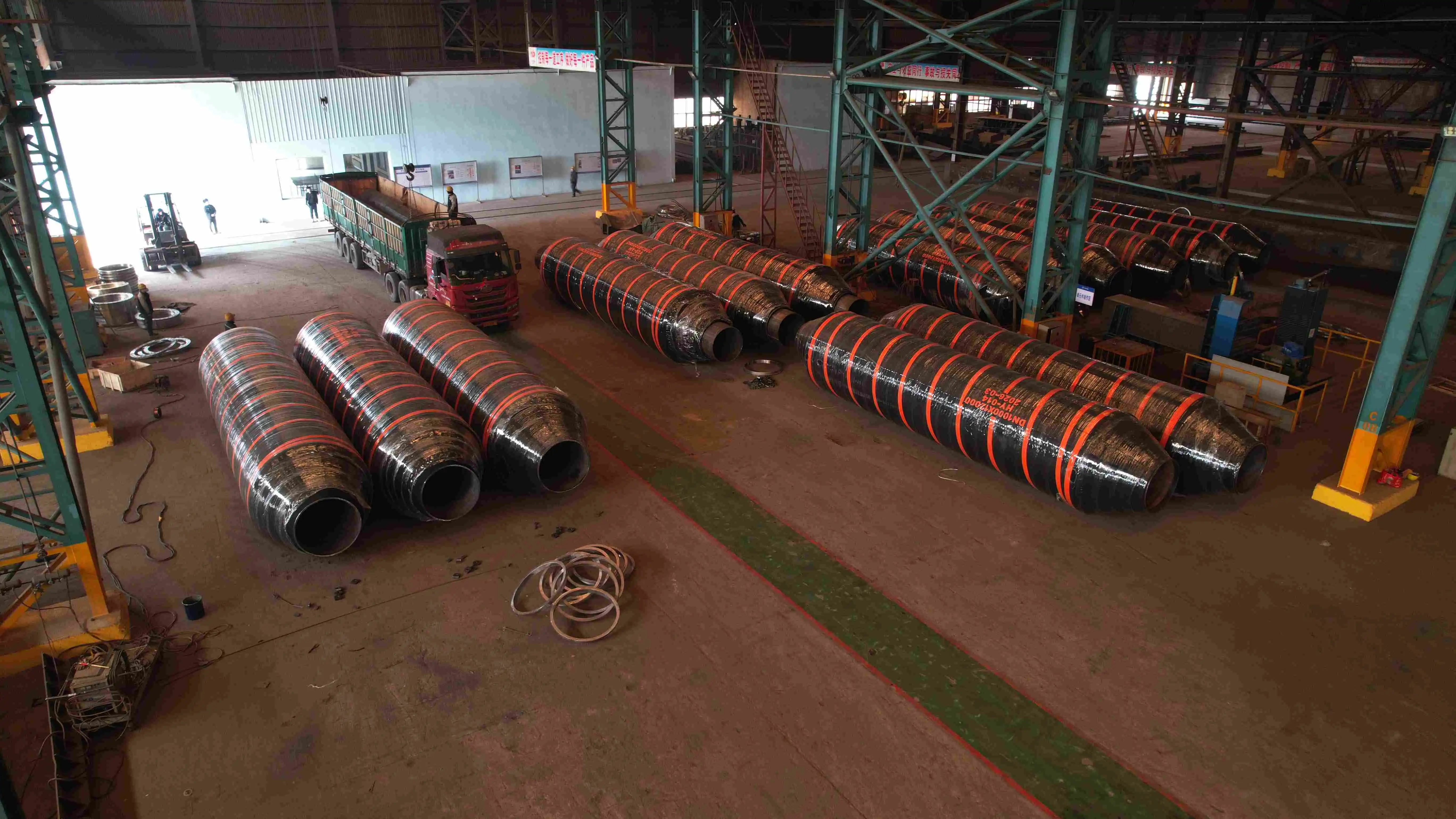
Marine settings have their own problems, such as corrosion from saltwater, UV light, biological growth, and mechanical damage from moving trash. These problems can be solved by carefully choosing the materials and applying protection coatings to steel pontoons that are properly designed. The galvanized steel we use in our building forms a chemical bond that keeps the base metal from rusting. This safety goes far beyond surface treatments; it works reliably for decades in coastal waters, river systems, and offshore places where the environment speeds up the breakdown of materials.
Design Flexibility for Custom Applications
For modern mobile dock projects to work, they need to be customized to meet specific operating needs. When you work with steel, you can precisely control the dimensions, add connection points, and connect modules in a way that adapts to changing project needs. Whether your project needs small 300mm diameter units for light uses or strong 5 meter diameter pontoons for big industrial platforms, steel manufacturing can handle these differences without affecting the performance of the structure. We use a modular design method that lets us quickly put things together, change how they are set up, and add on in the future, which isn't possible with fixed infrastructure.
Why Zhongda Steel Pontoon Stands Out in the Market
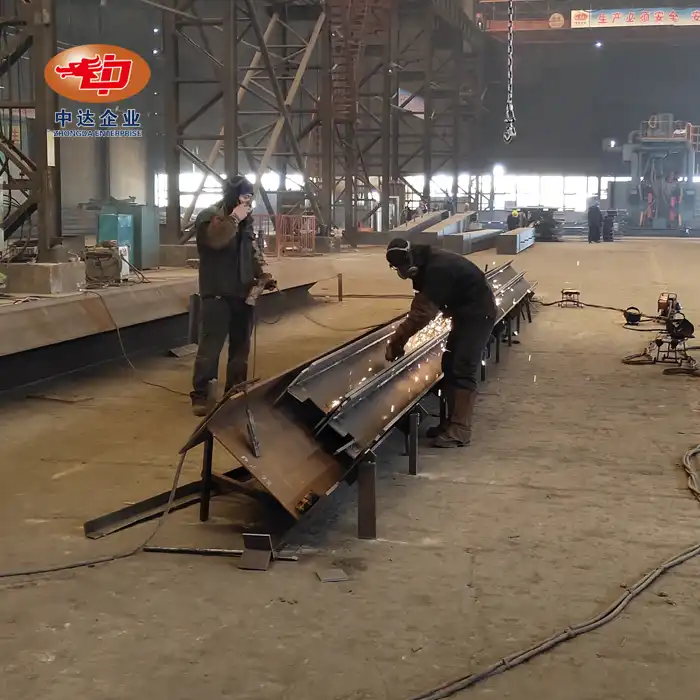
Zhongda has been a leader in manufacturing since its beginning in 2004. It has done this by continuously investing in technology, quality systems, and engineering skills. Our production center is 120,000 m² and is in the Shenyang Economic-Technological Development Zone. It has modern CNC cutting, automatic welding systems, and precision fabrication tools that make sure the quality of every project is the same.
Advanced Manufacturing and Quality Assurance
Quality starts with choosing the right materials and continues through all stages of production. We get high-quality Q235B steel that is specially chosen for marine uses. This way, we can be sure that the chemical makeup and mechanical features meet strict standards. Our automatic welding systems get rid of the differences that people make while still making full-penetration welds that are uniform and meet or exceed AWS standards. After being made, each steel pontoon goes through a series of tests, such as checking its dimensions, figuring out its buoyancy, and checking its structural soundness, before it is given a protected cover.
Our dedication to world standards is shown by the certifications we keep up to date. Our DNV GL Offshore Float Certification proves that we meet the standards of the offshore business, and our ISO 17357 Anti-Aging Test confirmation guarantees that the float will work reliably for a long time. These validations by a third party give buying teams the peace of mind they need when they are choosing important marine infrastructure parts.
End-to-End Project Solutions
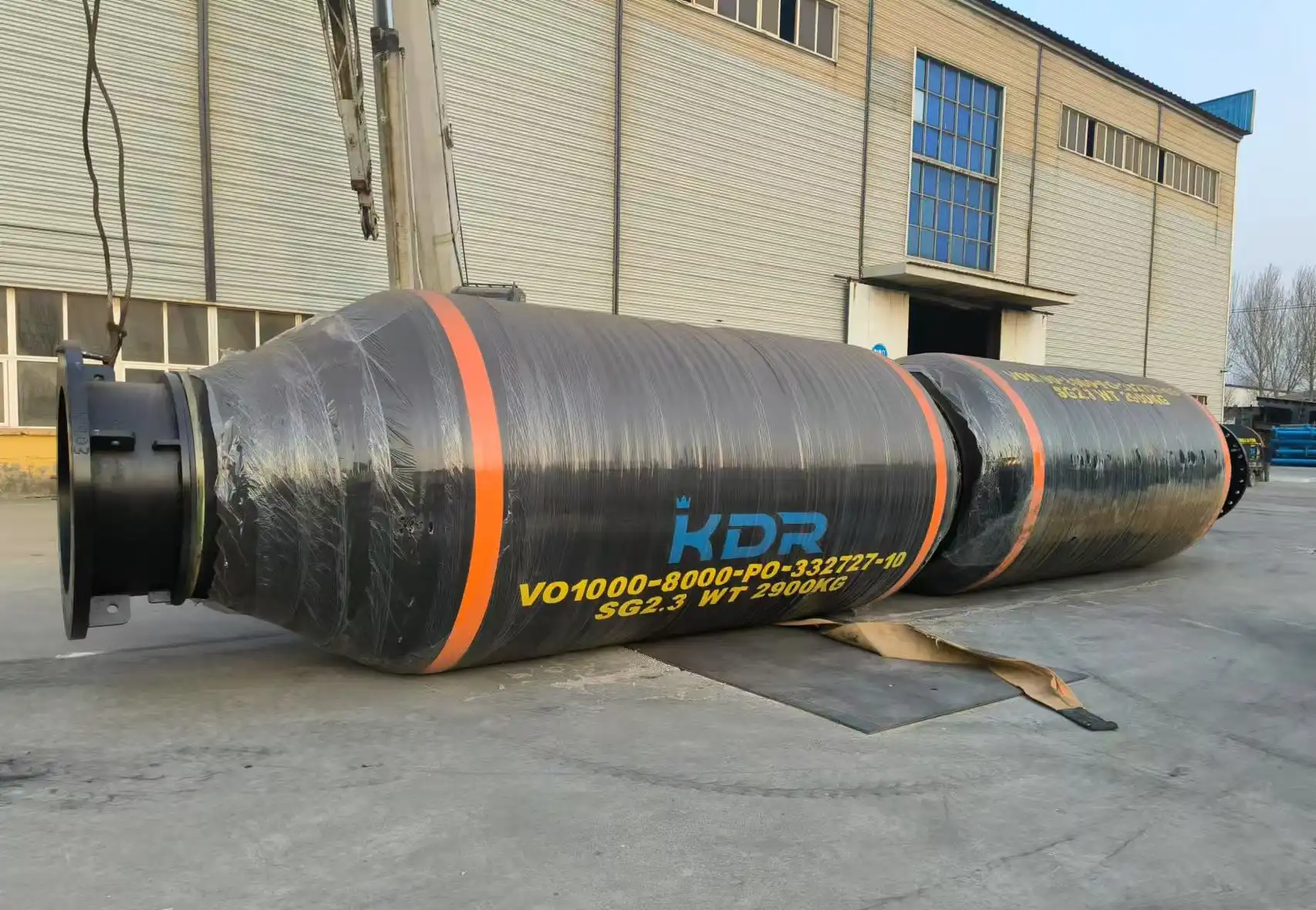
In addition to production, we offer full help that makes completing projects easier. During the planning phase, our engineering team works with customers and uses BIM-driven models to find the best configurations for the loads, climate, and needs of the operation. This upfront investment in planning keeps expensive changes from having to be made in the field and speeds up the installation plans.
Our value goes beyond delivering products; we also offer installation assistance. We give you full instructions on how to put it together, how to connect it, and how to moor it based on the conditions at your spot. During commissioning, our expert assistants are available to answer questions and make sure the system is properly integrated. This hands-on method lowers the risk of installation and speeds up the time it takes to get the system ready for use.
Proven Track Record Across Industries
Our clients come from six countries and are mostly large companies who need to be completely reliable. A floating bridge project in Southeast Asia that we helped build was finished 30% faster than usual thanks to 500 pontoons that we provided. In Northern Europe, our custom-built units help with the building of offshore wind farms, where harsh weather tests the performance of materials every day. Real-world uses like these show that our planning process and manufacturing quality work well in real-world settings, not just in theory.
The fact that 70% of our clients stay with us after the first delivery shows that they are happy with our work. China Railway, CSCEC, and other foreign engineering companies have bought from us more than once, which shows that our products work well over time. When EPC companies and infrastructure makers come back for more work, it means that our pontoons meet their needs for value, durability, and performance.
Comparing Zhongda Steel Pontoons with Other Materials and Providers
The choice of material has a big impact on how well something works over its whole time and how much it costs to own. Knowing how steel stacks up against other materials helps buying teams make smart choices that meet the needs of the project and stay within the budget.
Steel Versus Alternative Materials
Aluminum pontoons are lighter, but they can't hold as much weight or protect against impacts as well. The lower structural strength makes it harder to use big tools or loads that are close together. Concrete pontoons add weight, but they are hard to place because they are so heavy and need a lot of support to keep them from cracking. Plastic pontoons are good for fun, but they aren't strong enough to be used for business or industry. Steel pontoons are the best material for projects that need solid performance in tough situations because it is strong, durable, and has been shown to last a long time.
Material choices are being affected by environmental factors more and more. Steel can be recycled over and over again, which helps with green goals and keeps its performance throughout its entire lifetime. When they are no longer needed, steel pontoons still have a lot of value as scrap and can be used to make new things without losing any of their quality. This circular economy possibility is better for the earth than composite materials, which are hard to get rid of.
Competitive Advantages Over Other Manufacturers
The ability to manufacture has a direct effect on the quality of the product and the dependability of delivery. With a yearly production capacity of 60,000 tons, we can handle big orders without lowering quality or adding to lead times. Our vertically integrated plant manages all stages of production, from handling raw materials to applying the final coating. This way, we don't have to rely on outside freelancers, whose work can be inconsistent and cause schedule problems.
Our method is different from normal product offerings because we offer flexible customization. Many manufacturers only offer choices in sizes and shapes that they have already thought of, but we design solutions that are perfect for each job. This includes custom diameters from 1 to 5 meters, mooring ring positions that are built in, specialized fender systems, and better coating formulas for harsh environments. We offer OEM and ODM services to help clients who need unique designs or branded goods for their end buyers.
Our -60°C Weathering Steel Anti-corrosion Technology is an example of how we keep coming up with new ideas to make things last longer in tough environments. This special coating system can stand up to changes in temperature, chemical exposure, and mechanical wear and tear that weaken other protective coatings. This advanced safety greatly lowers the need for upkeep and prevents operations from being interrupted for projects in the Arctic, tropical climates, or industrial areas with harsh weather.
Lifecycle Cost Analysis
The cost of buying something is only one part of the total cost of ownership. The real cost of a project is based on its maintenance costs, downtime, and the length of its useful life. When compared to concrete options, our steel pontoons have 70% lower upkeep costs and last longer than 20 years. This longer operating window spreads out the initial investment over more useful years, reducing the number of times it needs to be replaced.
The flexible design we use makes it easier to change only certain parts instead of the whole system. If only one pontoon gets damaged, the team can change that one unit without having to move the whole floating structure. This makes it easier to fix problems and lessens the number of interruptions in operations that can affect project plans and income.
Simplifying the Procurement and Project Integration Process with Zhongda
For complicated projects, it's important to have streamlined buying methods that keep administrative work to a minimum while making sure that technical requirements are clearly stated. Our interaction method is set up to help people make good decisions and carry out projects in a clear way.
Client-Focused Procurement Experience
The process of making an inquiry starts with a thorough technical consultation, during which our engineering team looks over the project needs, the site conditions, and the working factors. During this step, we make sure we have a good understanding of the load requirements, the environmental exposure, the need to follow the rules, and the time limits. Rather than suggesting general products, we create application-specific solutions that are best for the particular needs of your project.
Custom order methods make the whole production process clear. Real-time tracking tools let procurement teams keep an eye on quality checkpoints, planned finishing goals, and the progress of fabrication. This clear view helps with project planning and coordinating with other building tasks that depend on float transport.
Competitive and Transparent Pricing
Pricing methods make sure that high standards and economy are both met. Instead of using complicated methods that make budgeting harder, we base our prices on specs, quantities, and the level of customization you need. Bulk volume savings are available for projects that need fewer items but still want to make a larger investment.
The value proposition includes more than just unit price. It also includes reliable delivery, expert help, and warranty covering. Standard steel pontoons can be shipped in 20 days, while models with an improved anti-corrosion coating need 25 days. These wait times are flexible enough to accommodate tight building plans. Secure packaging keeps goods safe while they're being shipped across foreign borders, so they arrive ready to be used right away without needing to be fixed or fixed up in the field.
Comprehensive After-Sales Support
Help with commissioning makes sure that the system is installed correctly and works properly at first. Our expert assistants help with connection details, ballasting processes, and mooring configurations during assembly, either on-site or remotely. This hands-on help stops installation mistakes that hurt performance or raise safety concerns.
Long-term maintenance plans offer proactive service that keeps systems running reliably and extends their life. Inspections that are planned ahead of time find possible problems before they get worse and cost a lot to fix. Repair services fix damage caused by a ship hitting something, a storm, or normal wear and tear quickly so that there is as little downtime as possible. Our fast customer service makes sure that technical questions are answered quickly and correctly by staff who know about your project.
Future-Proofing Your Floating Dock Projects with Zhongda Steel Pontoons
When investing in infrastructure, it's important to think ahead and plan for how needs will change and how new technologies will be used. Our dedication to new ideas and environmental responsibility sets our clients up for long-term success as the business world changes.
Innovation and Environmental Stewardship
Sustainable production methods keep the quality of the product while reducing the damage to the environment. We use production methods that use less energy, waste reduction programs, and responsible material sources that are all in line with our company's environmental goals. We use steel that is good for the environment because green building certifications and environmental compliance requirements are becoming more popular in government and public projects.
Research and development (R&D) projects look into new materials, covering technologies, and design methods that make products work better. Material scientists, sea experts, and members of our engineering team work together to come up with new ideas that make things last longer, need less upkeep, and work more efficiently. Our goods will stay at the cutting edge of marine construction technology thanks to these attempts to make them better all the time.
Scalable Solutions and Partnership Approach
As working needs change and facilities grow, so do the project requirements. The modular design we use lets us add small things over time without having to replace current systems. By adding more steel pontoons that join easily to the original installations, clients can increase the capacity of floating docks, change the structure of platforms, or adapt to new uses.
Dedicated account management makes it easy to coordinate projects with multiple stages and keep up with suppliers. When planning expansions, comparing different setups, or fixing working problems, technical consultation services can help with engineering advice. This partnership method puts long-term relationships ahead of one-time transactions. It creates places where people can work together and where client success is the most important thing.
Conclusion
Steel pontoons from Zhongda have been used successfully in demanding floating dock uses in business building, infrastructure development, and industrial marine settings. Our Q235B galvanized steel building offers high load capacity, resistance to corrosion, and structural stability. It is certified by DNV GL and meets ISO standards. With 70% lower upkeep costs, a service life of 20 years or more, and full expert support, we make it easier to complete projects and guarantee their long-term dependability. With our 120,000 m² facility, cutting-edge production systems, and fully integrated services, we can handle projects of any size with consistent quality and short lead times that allow for tight construction plans.
FAQ
What makes steel pontoons better than other floating dock materials?
Why do you think steel pontoons are better than other materials for mobile docks? When compared to metal, concrete, or plastic options, steel pontoons are better at supporting weight, resisting impact, and lasting a long time. The material can stand up to tough sea conditions like corrosion from saltwater, mechanical damage, and extreme weather without losing its strength. Because steel is strong for its weight, it can hold big loads and tools that would damage other materials. Complete recyclability also helps reach goals for environmental sustainability.
How long do Zhongda steel pontoons typically last?
When properly kept, our steel pontoons can be used for more than 20 years. The improved corrosion protection systems and Q235B stainless steel construction keep the structure from rusting over decades of use. The actual service life relies on the environment, how well it is maintained, and how it is used, but our design process aims for long-lasting performance that improves the value of your investment.
Can pontoons be customized for specific project requirements?
We are experts at personalized engineering that is made to fit the needs of each job. Our OEM and ODM services can meet specific diameter needs from 1 to 5 meters, as well as needs for combined mooring systems, custom fender designs, and better coating formulations. The design team works with customers to make sure that the pontoon specs are the best they can be for the load conditions, environmental factors, and operating needs of each application.
What certifications validate Zhongda pontoon quality?
Our goods have been certified by DNV GL Offshore Float and meet the requirements of the ISO 17357 Anti-Aging Test. This shows that they meet international standards for quality and safety at sea. The building has ISO 9001 certification for quality management, ISO 14001 certification for environmental management, and ISO 45001 certification for health and safety at work. We also have a Class I Steel Structure Professional Contracting Qualification and are in line with EN 1090 for making structural steel.
Partner with a Trusted Steel Pontoon Manufacturer for Your Next Project
Zhongda offers marine mobile solutions that go above and beyond what the industry requires by combining high-quality manufacturing with technical know-how. Our team is ready to talk about the specifics of your project and come up with unique steel pontoon arrangements that will work best for you. We have the technical know-how and production capacity to help you complete your projects, whether they are port facilities, portable bridges, offshore platforms, or industrial structures along the water. You can email our engineering team at Ava@zd-steels.com to talk about specs, get detailed information, or set up a meeting. Find out why top builders around the world choose Zhongda as their favorite steel pontoon supplier for important naval building projects.
References
Maritime Engineering Standards Committee. "Design Guidelines for Steel Floating Structures in Coastal Applications." Journal of Marine Construction Technology, vol. 18, no. 3, 2022, pp. 145-167.
Chen, Wei and Thompson, Robert. "Comparative Lifecycle Analysis of Floating Dock Materials: Steel, Concrete, and Composite Systems." International Journal of Offshore Engineering, vol. 29, no. 2, 2021, pp. 89-112.
DNV GL Maritime Standards. "Certification Requirements for Offshore Floating Equipment: Technical Specification and Testing Protocols." DNV GL Professional Publications, 2023.
Anderson, Karen. "Corrosion Protection Systems for Marine Steel Structures: Performance Evaluation and Cost Analysis." Coastal Infrastructure Research Quarterly, vol. 15, no. 4, 2022, pp. 201-223.
International Steel Construction Alliance. "Modular Floating Platform Design: Engineering Principles and Best Practices for Commercial Applications." ISCA Technical Manual Series, 2023.
Zhou, Minghua and Rodriguez, Carlos. "Environmental Performance of Recyclable Marine Construction Materials: A Sustainability Assessment Framework." Marine Environmental Technology Review, vol. 12, no. 1, 2023, pp. 34-58.
YOU MAY LIKE
_1754027396028.png "Steel Stair Treads")