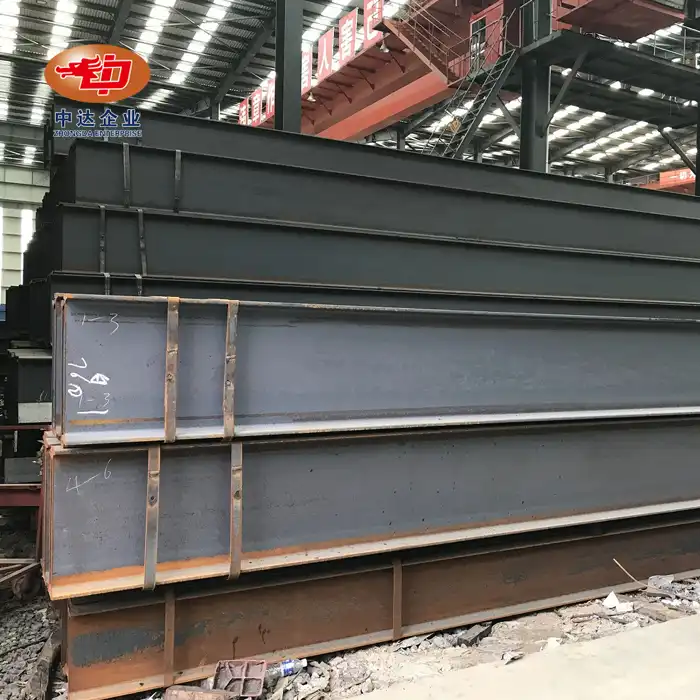
Zhongda Steel Pontoon: Durability in Harsh Marine Environments
2026-07-15 14:16:01






Choosing moving systems becomes mission-critical when marine infrastructure projects need to be reliable all the time. Zhongda steel pontoon options are a big step forward for building companies, port developers, and energy workers who work in some of the harshest coastal and offshore areas of the world. These floating platforms are made from high-quality Q235B galvanized steel and polyurethane foam. They have a density of more than 500 kg/m³ and don't rust, break down in waves, or harm the environment. Since our company began in 2004, we've made floating structures that are used for emergency flood control systems on multiple countries, temporary bridges in Southeast Asia, and offshore wind sites in Northern Europe. With our dedication to precise manufacturing, DNV GL certification, and ISO 17357 anti-aging compliance, we make sure that every steel pontoon meets the high standards of B2B procurement experts who need reliable naval infrastructure.
Understanding Steel Pontoons and Their Design Features
Steel floating platforms have grown into complex technical solutions that balance the need for structural stability with the ability to be used in a variety of ways. These closed or divided pieces make safe surfaces for docks, work platforms, and temporary bridges in places where permanent structures would not work or would be too expensive.
Core Engineering Principles Behind Modern Floating Platforms
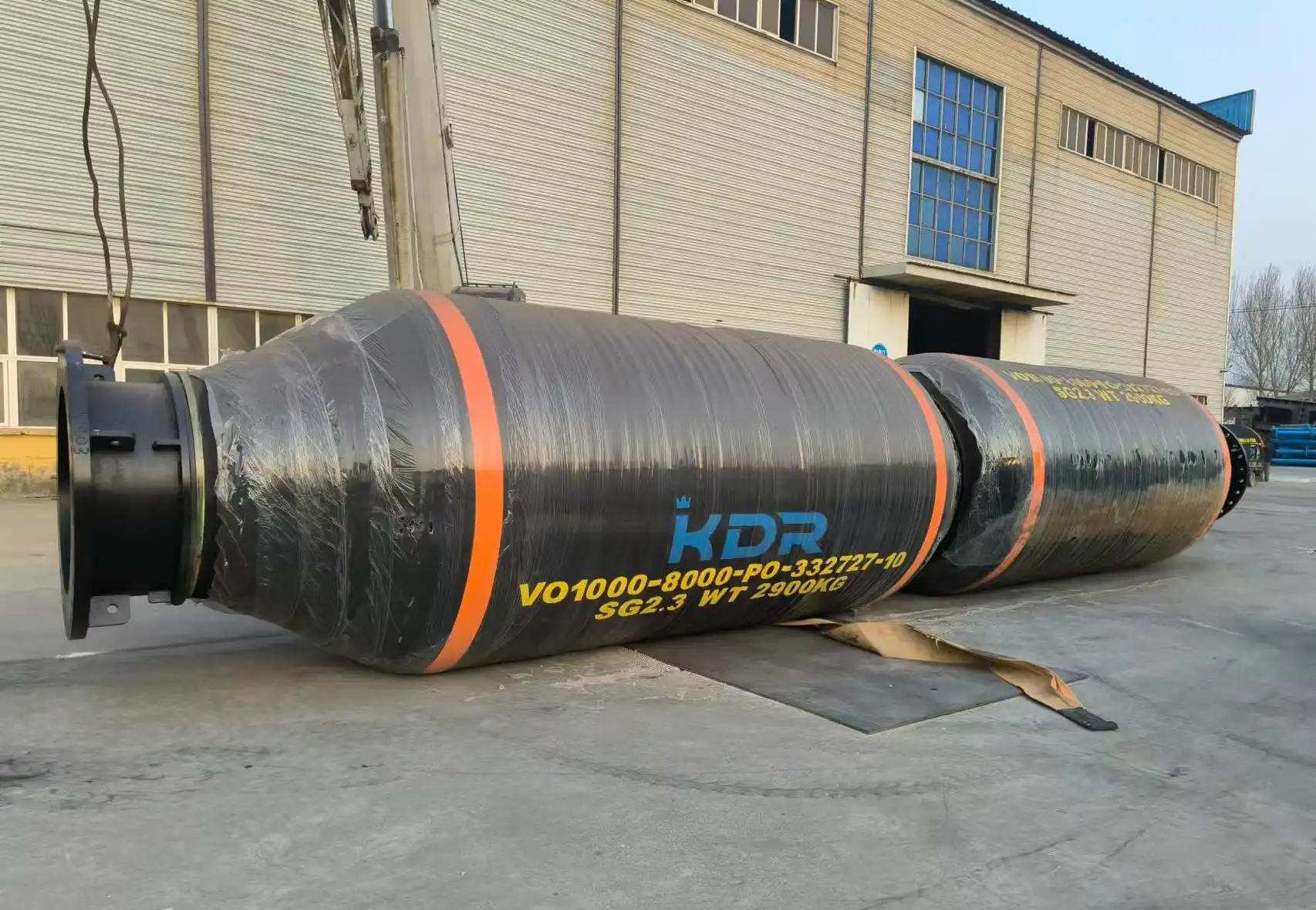
Modern floating systems depend on carefully calculated buoyancy-to-weight ratios, separated rooms that keep the whole system from collapsing if they are broken, and choosing materials that are strong and don't rust. Zhongda uses the Q235B steel grade because it has the right amount of tensile strength for sea loads and can be galvanized to make it last longer. In normal setups, our steel pontoons have diameters ranging from 300 mm to 800 mm. For specific project needs, we can also make custom choices that range in length from 1 to 5 meters. The polyurethane foam core does two things: it keeps the floatation even if the outer shell gets some slight damage; and it adds structural strength that keeps the floatation when it's loaded.
Material Comparison: Why Steel Outperforms Alternatives
When buying something, people often compare steel to aluminum, fiberglass, and composite materials. Although aluminum is lighter than some other materials, it can rust in sea and is hard to weld when fixes are being done in the field. Fiberglass naturally doesn't rust, but it doesn't have the impact protection needed for industrial settings where heavy machinery rides on decks. Wood has been used for a long time, but it needs to be maintained all the time and breaks down quickly when sea organisms attack it. Steel floating systems are better at holding weight, which is important when they are used to hold up building equipment, storage containers, or shelters for workers. They also keep their structure strong even when the temperature changes. Our tests show that steel keeps performing well in a wide range of temperatures, from hot heat to Arctic cold. This makes it the best material for workers who work in a variety of geographic markets.
Buoyancy and Stability in Real-World Conditions
The science behind the safety of a floating platform goes beyond simple calculations of displacement. Wave action adds moving loads that make stress build up at joints and link places in structures. Our engineering team makes steel pontoons with stronger weld lines and internal baffles that are put in a way that stops them from oscillating. We got a level 8 grade for wind and wave resistance, which means that our units work in situations that would stop other systems from working. According to ISO 17357 standards, independent testing shows that our steel pontoons stay in place and are structurally sound even when exposed to sustained wind speeds and wave heights that are typical of major shipping lanes and shoreline building zones.
Why Zhongda Steel Pontoons Excel in Harsh Marine Environments
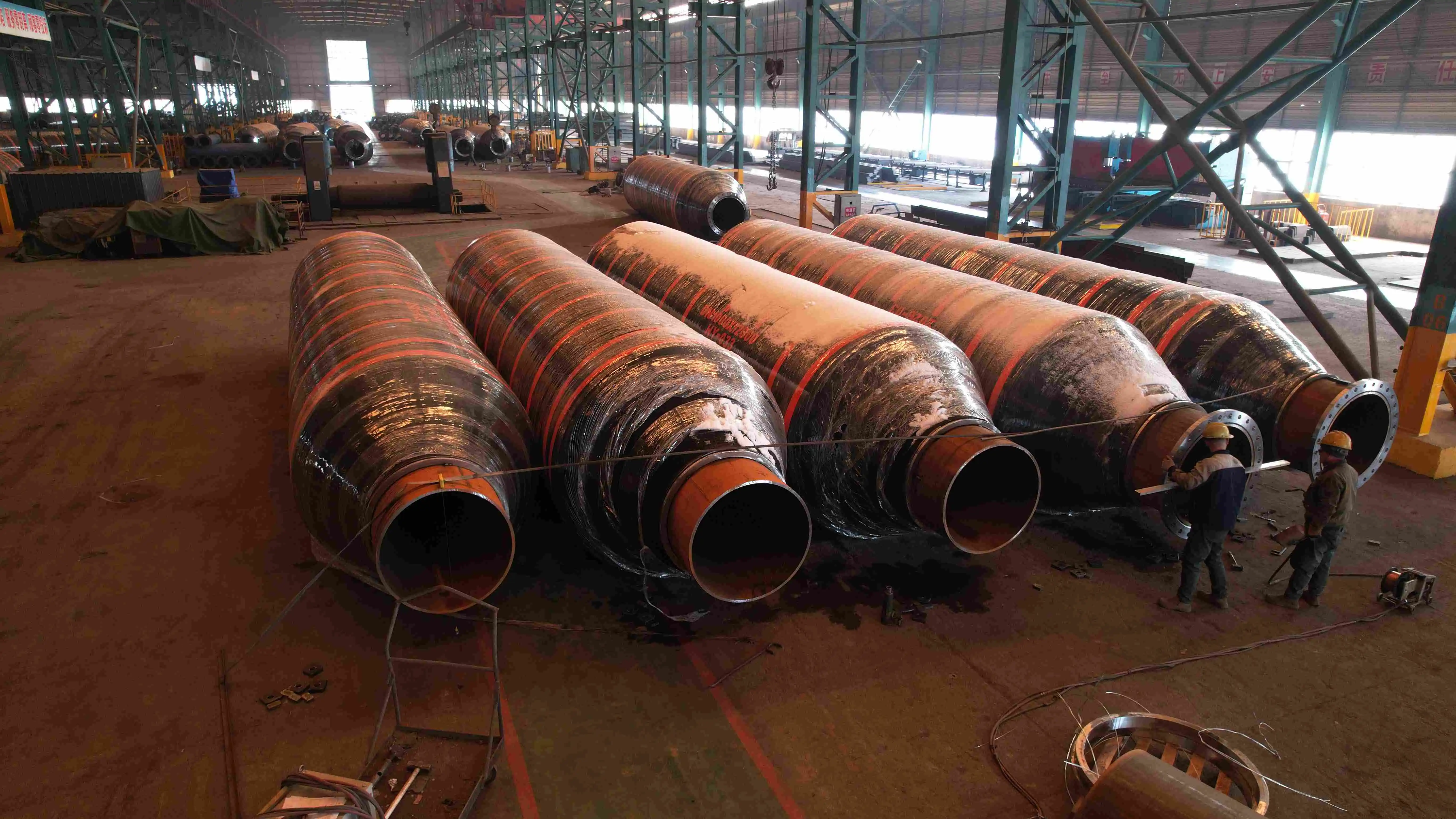
We've invested in production skills that directly lead to reliable products. For example, our 120,000-square-meter factory in Shenyang can make 60,000 tons of goods every year. Our vertical integration includes everything from buying the raw materials to checking the end quality. This gets rid of the problems that providers have when they rely on outsourced parts.
Advanced Fabrication Process and Quality Standards
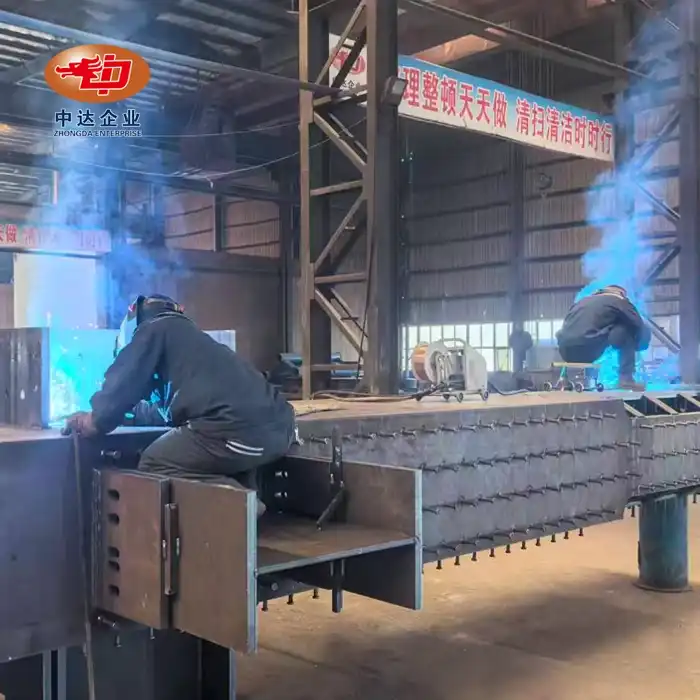
The first step in our production process is CNC cutting, which keeps tolerances within ±0.2mm. This makes sure that panels fit perfectly when they are put together and gets rid of any holes where rust could start. Automated welding systems use regular bead shapes and penetration levels to make joins that are as strong as or stronger than the base material. Ultrasonic and magnetic particle screening are used to test each weld without damaging it. Along with our EN 1090 structure steel qualification and Class I Steel Structure Professional Contracting skills, we are also certified by ISO 9001, 14001, and 45001 standards. This portfolio of certifications isn't just about following the rules; it shows that we have a method for quality management that finds problems with goods before they leave our facility. To keep our DNV GL Offshore Float Certification, we have to go through yearly audits and batch tests that check for corrosion resistance, structural soundness, and the ability to float.
Corrosion Resistance Technology for Extended Service Life
When it comes to acidic environments, saltwater is the worst for steel buildings. Our -60°C Weathering Steel Anti-corrosion Technology uses both hot-dip galvanization and finishing methods made specifically for marine use. During the normal galvanization process, a zinc layer is formed that gives up its life before the steel underneath starts to rust. We make this security even better by adding topcoats made of epoxy that don't wear down easily when floating garbage hits them and stay stable in UV light. If a client works in really difficult conditions, like oil and gas workers who do work abroad, they can choose our enhanced coating choice, which adds 25 days to the delivery time but gives much better corrosion resistance. Field data from sites that are now in their second decade of service shows that our steel pontoons keep their structural integrity with little care, which backs up our predictions that they will last 20 years or more.
Proven Performance Across Diverse Marine Applications
Validation in the real world is more important than standards made in a lab. We sent 500 floating units to Southeast Asia for a temporary bridge building project. The contractor installed them 30% faster than they thought they would using traditional ways. Because the plan was modular, pieces could be brought to the site on barges and put together by workers who didn't need any special tools. After looking at options from three other companies, an offshore wind farm developer in Northern Europe chose our custom-engineered steel pontoons for a job to place foundations. During a building season that included several storms, their project manager said that the platform's safety caused no weather-related delays. Coastal emergency management agencies have come to rely on our modular systems for quick flood reaction, saying how easy they are to put together and how they can be moved as water levels change. These success stories represent the typical performance our clients in the building, energy, and infrastructure sectors get from us.
Maintenance Best Practices for Prolonged Floating Platform Life
To last as long as they were meant to, even the strongest marine buildings need regular care. After 20 years of working in different climates and kinds of applications, we've come up with upkeep guidelines.
Inspection Schedules and Early Detection Methods
Three times a year, visual checks find surface rust, coating damage, and structural deformation before they get in the way of performance. Inspection teams should use standard rate scales to write down the state of the coating, take pictures of any spots where rust is blooming, and measure how much the deck bends under known loads. Ultrasonic thickness testing at key areas should be part of yearly thorough inspections to figure out how much metal is being lost and internal chamber pressure testing should be done to make sure the structure is waterproof. We make inspection plans for our clients that are special to their steel pontoon setup and the setting in which they work. When problems are found early, they can be easily fixed. For example, a quick paint touch-up stops rust from spreading across panel surfaces.
Cleaning Protocols and Protective Measures
Marine growth and salt deposits build up and trap moisture against steel surfaces, speeding up rusting. Pressure washing equipment is used every three months to get rid of barnacles, algae, and salt crystals. Do not use rough methods that hurt protecting coverings. After cleaning, check the coating's structure and add touch-up coats to any places that look like they've been worn down. During routine upkeep, antifouling coating systems may be helpful for facilities in tropical areas where marine growth speeds up. We choose coatings that work with our galvanization and base coating systems to make sure that the bonding and rust protection stay strong.
Zhongda's Comprehensive After-Sales Support Framework
We stand out by offering help after the sale that goes beyond what's required by guarantee. Scheduled checks are part of our maintenance contracts. They are done by factory-trained technicians who know how to fix our goods in the best way possible. Spare parts are kept in stock at regional distribution centers so that replacement parts can be sent out quickly when fixes need new screws, bolts, or structural elements. Our engineering team's technical support helps clients figure out what's wrong with performance, plan repairs, and find the best float configurations as working needs change. This ongoing relationship method has kept 70% of clients, and many of them are adding more steel pontoons to their fleets as their projects get bigger. The relationship doesn't end when the product is delivered; we're still interested in how well it works in the long term because our image rests on installations working well year after year.
How to Choose the Right Floating Platform for Your Business Needs
When making procurement choices, you have to weigh technical requirements against project deadlines and price limits. We've helped a huge number of clients with this review process.
Critical Selection Factors and Performance Criteria
Static loads, like tools and materials kept on deck, must be taken into account when figuring out load capacity. So do dynamic loads, like people moving around, waves, and operational activities. Underestimating the load needs causes the deck to bend too much, wear out faster, and break before it should. The environment affects design elements such as the freeboard height, the arrangement of ballast, and the strength of the link system. For example, projects in ports with a lot of protection need different rules than sites in the open ocean. Size issues aren't just about deck space; steel pontoon sizes are often limited by how they can be transported, and assembly methods may favor smaller modular units over big integrated platforms. As part of the quote process, our engineering team checks the site and the load to make sure the suggested design meets the needs of the project.
Customization Capabilities and Application-Specific Design
Our BIM-driven prefabrication method lets you make a lot of changes without slowing down delivery. Clients choose how the deck is set up, including the paths, equipment mounting spots, and openings for entry. With integrated mooring systems, you don't need different parts, which cuts down on installation time and the number of places where water could leak. Both the platform and the docking craft are protected by fenders that are made for specific types of boats. Our OEM and ODM services are useful for projects that need unique features, like oil containment booms for the oil business or strengthened deck areas for crane operations. We've designed steel pontoons with heating systems for use in the Arctic, electrical systems that can handle explosive atmospheres for petrochemical plants, and flexible connectors that can be quickly rearranged as project needs change. Because of this design freedom, clients get solutions that are custom made for their needs instead of generic goods.
Cost Considerations and Procurement Strategy Options
A lifecycle cost study shows that the original purchase price is only a small part of the total costs of ownership. Our steel pontoons have lower upkeep costs than concrete floating systems by about 70% because they are more resistant to rust and are easier to fix. Because it has a service life of 20 years or more, the amortized cost per operating year is still lower than options with shorter useful lives. Rental choices are good for short-term projects where spending money on capital doesn't make sense from an economic point of view. When old sites have to get rid of equipment that still has a lot of useful life left, used steel pontoons are a cheap alternative. New purchases give you the most options for customization and the longest working life. We help our clients find ways to buy things that work with their budgets and meet their business needs. This could mean setting up phased delivery plans, leasing agreements, or turnkey supply-and-install contracts.
Procuring Zhongda Floating Platforms—Process and Logistics
Our streamlined procurement process keeps the freedom that complicated projects need while reducing the amount of paperwork that busy project managers have to do.
Ordering Process and Custom Specification Development
The advice process starts when you send us your first questions through our website, zd-steels.com, or by email to our expert team. We get information about the job, like how much weight is needed, the weather, where the delivery will happen, and any time limits. Our engineering group comes up with basic designs that include structural calculations that show how well the designs will work. Our BIM system creates 3D models that clients look over. This lets them see what the end product will look like and figure out what changes need to be made. Quotes include specifics like terms, shipping dates, certification paperwork, and specs. Once sales are confirmed, the production schedule starts with planning how to get materials and make things. Standard setups ship within 20 days, so projects that need to be up and running quickly can do so. Better coating choices make shipping take 25 days longer, but they provide significantly better corrosion protection for installs in harsh locations.
International Shipping and Logistics Coordination
We've formed logistics agreements that make sure our goods get to their targets safely all over the world. Steel pontoon units come in protected packaging that keeps them from getting damaged while they're being moved or handled. Ocean freight plans can handle units that are too big by using special haulers and container layouts. We work with freight forwarders who know how to move marine equipment, handle customs paperwork, and make sure that import rules are followed. Regional wholesalers and OEM partners help with local issues in important markets, which speeds up delivery times and makes it easier for people in different time zones to talk to each other. Our clients like the single-point-of-contact method because we handle the details so that project teams can focus on setting up and starting up instead of coordinating transportation.
Certification Documentation and Quality Assurance Records
Each package comes with a lot of paperwork to help with installation, inspection, and following the rules. Material certificates list the types of steel and how they were treated. Weld inspection records show that quality control was done during the building process. Load testing papers prove that the structure is strong and floats. Third-party confirmation that products meet foreign standards is given by DNV GL certification paperwork and ISO 17357 test results. Regulatory officials, insurance underwriters, and project engineers who need proof of meeting certain standards will be happy with this paperwork package. The paper trail we provide keeps our clients safe during checks and shows that we did our research when choosing materials and suppliers.
Conclusion
When choosing floating infrastructure for harsh sea settings, you need to look at its technical skills, the manufacturer's knowledge, and its promise of long-term support. Zhongda steel pontoons are made with advanced materials engineering, precise manufacturing, and strict quality control to make platforms that can handle the tough conditions that builders face in projects like port development, coastal building, and offshore energy. Our track record of reliability saves your project's schedule and budget by showing that we can handle a wide range of tasks, from temporary bridges to offshore wind installations. When you combine better corrosion protection, modular freedom, and lower upkeep costs, you get a great deal for procurement workers looking for reliable marine options. We are still dedicated to providing excellent engineering services and working closely with our clients to make sure that your investment in floating infrastructure provides years of dependable service.
FAQ
What advantages do steel floating platforms offer compared to alternative materials?
Steel is better than metal, fiberglass, or wood at holding weight, resisting pressure, and lasting a long time. The material can stand up to tough sea conditions like saltwater exposure, waves, and changes in temperature while still keeping its shape. Welded steel construction lets fixes be done in the field using normal tools and methods, which cuts down on downtime when damage happens. Our Q235B galvanized steel with polyurethane foam filling floats more than 500 kg/m³ and our steel pontoons don't rust thanks to multiple layers of protection.
How often should floating platforms undergo maintenance in challenging marine environments?
Visual checks every three months find damage to the coating and rust before they make the system less effective. Structures are checked for stability once a year with thorough tests that include ultrasonic thickness testing and pressure checks. Cleaning schedules rely on where you live. For example, tropical seas with lots of marine life may need to be cleaned every three months, while cleaning schedules in temperate areas are usually every six months. Our maintenance plans include regular service by factory-trained techs who know how to fix problems that are unique to each product.
Can Zhongda customize pontoon designs for specialized project requirements?
Through our OEM and ODM services, we can make solutions that are completely unique and fit the needs of each application. Based on the needs of the project, we change the size, shape, mooring systems, and protection coats. BIM-driven design methods make 3D models that the client can look over before the manufacturing process starts. We've designed and built custom features like specialized fender systems, built-in equipment mounting points, and strengthened deck areas that can hold big machinery. Our engineering team does load studies and environmental assessments to make sure that the designs being considered for our steel pontoons meet performance standards.
Partner with a Trusted Steel Pontoon Manufacturer for Your Next Marine Project
Because Zhongda has been a world leader in engineering for 20 years, we are the best company to get steel pontoons for tough naval uses. Vertically integrated production, DNV GL approval, and a track record of success in the building, energy, and infrastructure sectors show that we are dedicated to providing reliable floating solutions that work in harsh conditions. Whether your project needs standard setups or fully customized designs, our technical team is here to help from the first meeting all the way through installation support and planning for long-term maintenance. Email us at Ava@zd-steels.com to talk about your project needs, get full specs, or set up a tour of our Shenyang manufacturing complex. We want procurement professionals, project engineers, and building managers to learn more about how our floating platform technology can speed up projects, lower costs over their entire life, and give your marine infrastructure the sturdiness it needs.
References
Maritime Engineering Standards Committee, "Design Guidelines for Steel Floating Structures in Offshore Applications," International Marine Contractors Association, 2021.
Chen, W., and Liu, J., "Corrosion Protection Systems for Marine Steel Structures: Comparative Performance Analysis," Journal of Protective Coatings and Linings, vol. 38, no. 4, 2022, pp. 45-62.
American Bureau of Shipping, "Guide for Building and Classing Floating Production Installations," ABS Technical Publications, 2023.
Thompson, R.K., "Lifecycle Cost Analysis of Marine Infrastructure Materials," Coastal Engineering Quarterly, vol. 29, no. 2, 2021, pp. 112-128.
DNV GL Group, "Recommended Practice for Offshore Floating Structures: Design, Fabrication, and Inspection," DNV GL Standards, 2022.
International Organization for Standardization, "ISO 17357: High-Modulus Synthetic Fibre Ropes - Specifications for Offshore Mooring Applications and Floating Platform Design," ISO Technical Committee, 2021.
YOU MAY LIKE
_1754030104098.png "Light Poles")