Box Girders: Big Muscle, Light Frame
2026-04-21 15:46:21






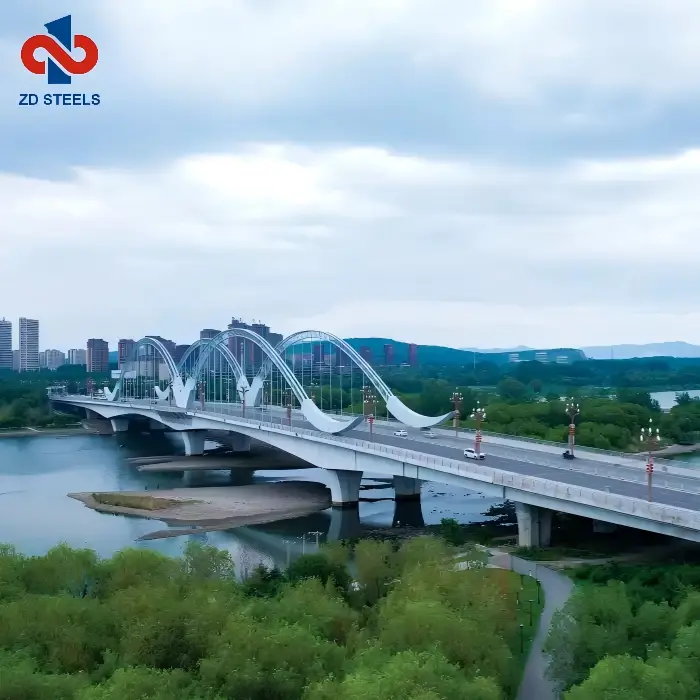
Engineers frequently use steel box girders when discussing structures that must support heavy loads while remaining reasonable. These hollow structural beams are very strong but have a surprisingly light profile, which is why they're called "big muscle, light frame." The closed box shape distributes stress more efficiently across long spans, which makes these girders essential for bridges, industrial platforms, and transit systems where structural integrity cannot be compromised.
Understanding Steel Box Girders - Design Principles and Key Features
The Fundamental Architecture of Hollow Beam Technology
A steel box girder has top and bottom flanges that are joined together by vertical web plates. This creates a closed rectangular or trapezoidal hollow section. This form is very different from open parts like I-beams. "Torsional rigidity" is the ability to fight bending forces that would break weaker structures. This is what the enclosed shape does. Single-cell designs are good for medium-length spans, while multi-cell designs with internal diaphragms are better for longer and heavy loads.
The main benefit comes from the way these systems spread stress. When people cross a bridge or work on equipment that is on a raised platform, the forces don't just focus in a few places but spread out over the whole box section. This load distribution means that there are fewer stress points and the structure will last longer before it breaks. These are important factors when buildings need to work regularly for decades.


Material Selection Drives Performance Outcomes
How well a frame works in the real world depends on the material it is made of. With a minimum yield strength of 345 MPa, Q345D steel is the main material used for most tasks. Even when temperatures drop to -40°C, this grade is very easy to weld and very tough when hit. With its higher 420 MPa yield strength, Q420D steel steps in at key link places and high-stress areas to provide extra safety where loads tend to gather.
These requirements for materials are not made up on the spot. Arctic transportation routes, offshore industrial facilities, and seaside bridges that are exposed to salt spray are all examples of projects that need steel that stays strong even when temperatures drop and corrosion is a threat. The chemical makeup of these steels is carefully handled during production to make sure that all of the pieces have the same mechanical properties.
Strength-to-Weight Ratio Creates Competitive Advantages
Strength-to-weight relationship is the most important measure for project managers. In this case, steel box girders work really well because they can hold as much weight as much heavier concrete options. It is possible for a normal section to weigh 30–40% less than a similar concrete beam while still holding the same amount of weight. This weight loss affects the whole project, leading to smaller foundations, lighter pier buildings, lower shipping costs, and less shaking in earthquake zones.
This benefit is even better with variable cross-section design. Engineers make the best use of materials by changing the height of the beam from 1.25 meters at the supports to 8 meters in the middle of the span. Parts that are under the most stress have deeper features than parts that aren't under as much stress. This customized method gets rid of extra weight without affecting performance, resulting in weight savings of around 20% compared to designs with uniform depth.
Steel Box Girders vs Other Girder Types - A Comprehensive Comparison for Informed Decision Making
When you compare different types of girders, you can see that they work differently. In steel building, I-beams are the workhorses. They work best over shorter spans and under vertical loads, but they have trouble with torsion on curved lines. steel box girders made of concrete are good for long lengths, but they add a lot of weight to the structure, which means it needs a stronger base. Truss girders can support large lengths thanks to their triangulated shape, but they are harder to build and keep up.
Structural Performance Across Girder Configurations
Steel box girders are just right. Their closed shape gives them the same rotational stiffness as concrete while keeping steel's good strength-to-weight properties. This rotational resistance stops the twisted deformations that happen with I-beam structures on curved highway ramps, which are common in urban interchanges. The result is expected deflection behavior and better traffic flow in shapes that aren't simple.
Construction Speed and Project Timelines
The value of time on building projects is money. When compared to cast-in-place concrete options, steel box girders that are made through prefabrication cut building time on-site by about half. Sections ranging from 12 to 30 meters come fully assembled, with instructions on how to connect them, fixings built in, and rust protection already applied. Crews bolt or weld pieces together in a set order, often around traffic or operational facilities that are already in place.
This speed edge grows as the project goes on. Delays in the weather have a much smaller effect on steel building than they do on concrete drying. This is especially true in cold places where temperature limits make it hard to place concrete. Prefabricated steel systems are very useful for projects that need to be finished quickly, like highway expansions that cause little to no traffic problems, rail upgrades that happen between planned trains, and emergency infrastructure fixes.
Economic Factors in Procurement Decisions
Costs of materials are only one part of project pricing. Steel prices change with the rest of the world's commodity markets, but the total cost of installation relies on how complicated the structure is to make, how it will be transported, how it will be put together, and how much upkeep it will need over time. Steel box girders usually cost more to buy than I-beams at first, but they save money in the long run because they require less base work, are built faster, and need less upkeep.
When purchasing managers look at large orders, they find savings of scale. The setup costs for manufacturing runs that make many similar pieces are spread out over a larger amount, which lowers the cost per ton. Standardizing the details of connections, using the same steps for manufacturing over and over, and having well-established quality control processes all help large-scale projects stay within their budgets. Customization options like different thicknesses, corrugated webs, and special steel types are still available, but smart design combines uniqueness with production efficiency.
Optimizing Steel Box Girder Applications - Construction, Inspection, and Maintenance Best Practices
The first step in making a steel box girder precisely is using a CNC to cut very thick plates with errors of just ±0.2mm. This level of accuracy makes sure that parts fit together without having to be forced into place during assembly. This is very important when pieces have to fit properly even though they were made weeks apart in different production runs. Following the rules in the AWS D1.5 bridge welding code, automated welding lines use full-penetration welds to make joins that are as strong as or stronger than the base metal.
Fabrication Methods and Quality Assurance Protocols
During manufacturing, there are quality control steps. Ultrasonic testing can find problems inside a weld that can't be seen with the naked eye. Magnetic particle analysis shows surface cracks in areas damaged by heat that are close to the welds. Camber profiles are confirmed by measuring them. A camber profile is an upward curve that is meant to make up for bending under dead load. These steps, which are normal at factories with ISO 9001 and EN 1090 certifications, make sure that every part that leaves the plant meets the requirements.
On-Site Assembly and Erection Strategies
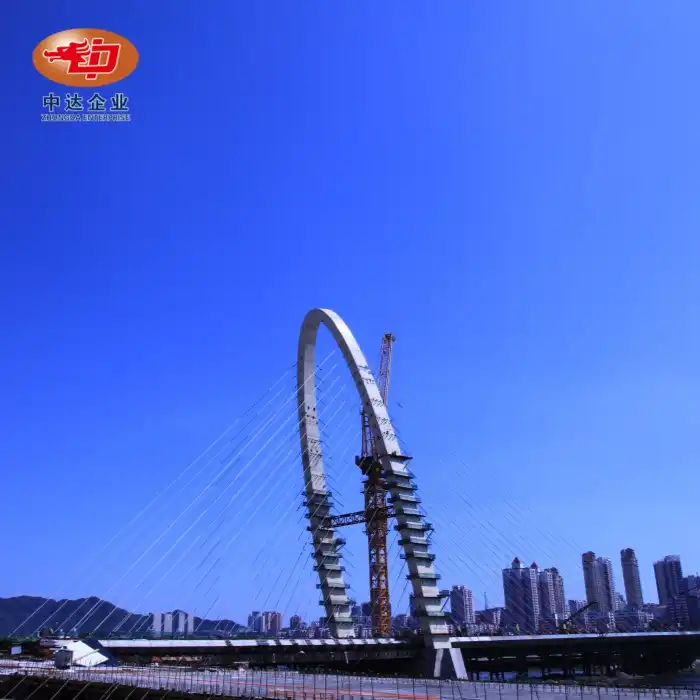
Field building rules change depending on the needs of the project. In incremental launching, full beam sections slide lengthwise across temporary supports until they reach their final position. This is often used for highway bridges. Cable-stayed bridges use the finished tower and wires to move parts of the bridge into place. Cranes could be used to put individual parts of industrial platforms on bearing points that have already been set up.
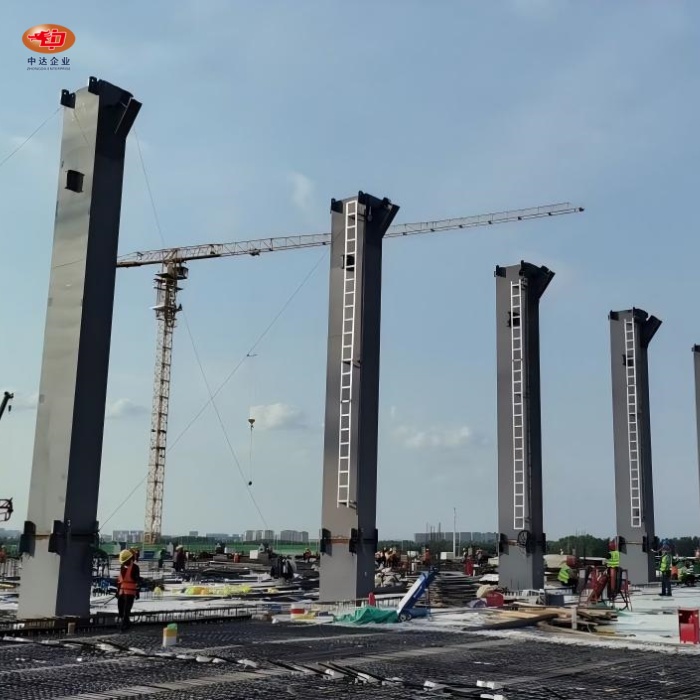
Each method needs to be carefully thought out. With BIM-based design integration, teams can practice putting up structures, find possible problems, and find the best places for cranes to be placed before the real thing comes. Temporary bracing keeps buildings that are only partly put together stable against wind loads. As spans get longer from one pier to the next, survey control keeps them in line. Monitoring the weather stops people from welding or fitting when the conditions could weaken the link.
Inspection Techniques and Maintenance Strategies
Proactive upkeep is key to longevity. During setup, the first checks are made to make sure that the bearings are properly seated, that the connections are tight, and that the coating continues. In-service checks happen on schedules that are based on the amount of traffic, the surroundings, and the state that is seen. You can get a good look at the outside, load-bearing areas, and important link zones by using access platforms, inspection vehicles, or rope access methods.
For internal checks, the hollow section's natural benefit is used to its fullest: inspectors can enter through access hatches and look at inner areas that are out of the weather. Dehumidification systems that keep the relative humidity below 45% stop corrosion caused by condensation in these tight areas. When problems happen, like localized covering breakdown, fatigue cracks at weld toes, or bearing wear and tear, targeted repairs are made to fix them before the structure's ability to hold weight decreases. This proactive method, along with double-layer corrosion protection (galvanizing or multi-coat paint systems) designed for 30+ year service life, makes sure that buildings work effectively for many years.
Procuring Steel Box Girders - Key Considerations for B2B Buyers
The success of a project depends on picking the right production partner. Fabricators with a good reputation show a few important traits. They have the right certifications, like ISO quality management systems, EN 1090 execution class scores, and AWS welding certificates, which have been checked by a third party. They have heavy-duty plate rolls, automatic welding systems, blast rooms big enough for long steel box girder sections, and assembly areas big enough for full-length trial fits in their buildings.
Supplier Selection and Qualification Criteria
When plans get tight, production ability becomes important. A building that can handle 60,000 tons per year can put resources toward big projects without affecting shipping dates. Past success can give you clues—finished projects with similar scope, difficulty, and requirements show that you can do the job. A client retention rate of more than 70% means that the client is consistently happy and the work is stable across multiple contracts.
Customization Options and Technical Collaboration
Standard parts can be used for many things, but unique solutions work best for complicated projects. Different cross-section shapes make the best use of material spread for different load patterns. Corrugated web designs keep bending strength while lowering weight, which is especially helpful for long-span uses that go up to 420 meters. Specialized coats protect against problems that only happen in certain places, like salt exposure abroad, chemical atmospheres in factories, and sudden changes in temperature.
For customization to work well, procurement teams and tech groups need to work together. When BIM is integrated, designers can share 3D models, and fabrication plans and material lists are made instantly. Technical support throughout the whole project lifetime, from initial design advice to building phase help, makes sure that solutions meet both the needs of the specifications and the limitations of what can be built. This partnership method settles disagreements quickly, which keeps expensive changes to the field from being needed.
Logistics and Delivery Management
Transporting large steel box girder pieces can be hard. Trucks can only be 3–4 meters wide and tall because of rules about the roads. Longer pieces can be shipped more easily than wider ones, so 12–30 meter parts are best for horizontal shipping. When projects need bigger parts, they use different methods, like sending panels to be put together on-site, getting special transport permits for oversized loads, or building factories next to waterways so that they can be delivered by boat.
Delivery planning lines up the arrival of materials with the readiness of the building site. For just-in-time shipping to work, there needs to be less storage on-site, but production plans need to be stable. Having a buffer stockpile gives you options in case of unexpected delays, but it also makes it more expensive to move and store. Painted surfaces need to be protected during shipping and storage. Custom cradles, protective wraps, and securing systems keep damage from happening, which could delay construction while repairs are made.
Conclusion
In conclusion, steel box girders are examples of tried-and-true technology that is always getting better thanks to new engineering ideas. Their high strength, low weight, and ability to be designed in a variety of ways make them the best choice for challenging building projects in areas like public works, transportation networks, and industrial facilities. For success, you need to know how structures work, be able to compare options in an objective way, follow the right building and upkeep methods, and work with makers who can do the job. As material science improves and worries about sustainability grow, these flexible structural systems will continue to change to meet new challenges while keeping the steady performance that has made them the backbone of modern infrastructure.
FAQ
What makes box girders more expensive than I-beams?
The closed part needs more material—four plates instead of three—and more complicated welding steps. Using specialized tools to put together big sections costs more. But when you look at the total cost of the job, box girders often end up being cheaper because they require less foundation work because they are lighter, they can be put up faster, which saves time and money on workers and tools, and they need less maintenance over their lifetime.
Can steel box girders be used in coastal environments?
Yes, as long as the right corrosion safety methods are mentioned. Multilayer painting methods that use zinc-rich primers and fluoropolymer topcoats keep surfaces safe from salt spray and chloride. Interior dehumidification keeps covered areas from condensing. Any covering that breaks down can be fixed by regular checking and maintenance, which stops base metal corrosion before it gets worse. A lot of good installations along the coast and out to sea have been working reliably for decades in marine environments.
How are quality and dimensional accuracy verified during production?
Reputable makers have thorough quality programs that include being able to track down materials, making sure procedures are qualified, certifying welders, and inspecting the work at multiple stages. Weld flaws can be found with non-destructive tests like ultrasound, radiography, and magnetic particle methods. Dimensional studies check the shape against the allowed ranges. Before shipping, a trial setup makes sure that the mating sides are lined up correctly. Documentation packages contain all the records needed to show that requirements and standards have been met.
Partner with Zhongda for Your Steel Box Girder Requirements
Work with Zhongda for all of your steel box girder needs. Zhongda gives you exactly what you need for your building project when it comes to strong yet efficient construction solutions. Our BIM-driven prefabrication skills and -60°C weathering steel technology have helped with important projects on five continents, from Arctic bridges that have to handle harsh weather to mining buildings that have to deal with harsh working conditions. With an annual capacity of 60,000 tons and production precision holding ±0.2 mm tolerances, we are the steel box girder provider of choice for China Railway, CSCEC, and the world's top EPC companies.
Our engineering team works with you throughout the whole project, making sure that the designs are the best they can be for your load needs, the surroundings, and the limitations of the building site. Customizable cross-sections, corrugated web choices, and custom rust protection make sure that the solutions you get exactly meet your needs. Get in touch with Ava@zd-steels.com to talk about how our 20 years of experience with structural steel can help speed up your next job and lower the total cost of installation.
References
Chen, B. & Wang, T. (2019). Design and Construction of Steel Box Girder Bridges: Modern Practices and Case Studies. China Communications Press.
American Institute of Steel Construction (2020). Steel Construction Manual, 15th Edition. AISC Publications.
Nethercot, D.A. (2018). Composite Construction: Steel and Concrete. CRC Press, Taylor & Francis Group.
Japan Road Association (2017). Specifications for Highway Bridges, Part II: Steel Bridges. Maruzen Publishing.
Sustainable Steel Council (2021). Life Cycle Assessment of Steel Bridge Structures: Methodology and Applications. World Steel Association Technical Report.
Tsakopoulos, P.A. & Fisher, J.W. (2016). Fatigue Performance of Welded Steel Box Girder Bridges: Research Findings and Design Recommendations. Transportation Research Record, National Academy of Sciences.
YOU MAY LIKE