A New Type of Box Girder Structure and Its Optimal Design
2026-04-21 15:46:19






For modern infrastructure to work, buildings need to be both very strong and well-designed. This problem has been solved by the new generation of steel box girder, which are fully joined, made with better materials, and have better shape than older models. These hollow, enclosed beam systems have top and bottom flange plates that are linked by vertical webs. This makes a closed cellular shape that is designed to be better at resisting twisting and distributing load. New developments in variable cross-section technology, high-performance steel types like Q345D and Q420D, and prefabrication methods have changed the way we build long-span bridges and other difficult infrastructure projects.
Understanding the New Steel Box Girder Structure
Revolutionary Fully Welded Design
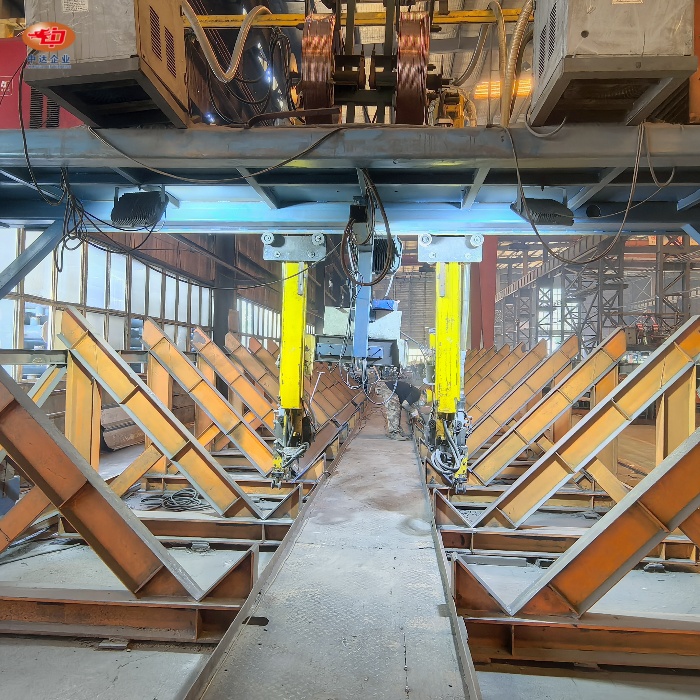
The fully welded structure of an advanced steel box girder is what makes it unique. This removes the structural weaknesses that come with bolted connections. This method makes a single piece where stress runs easily through a continuous material. This way, there are no stress concentrations or fatigue issues like there are with mechanical fasteners. With automated welding, you can be sure of constant penetration and high quality, and the joints you make will be as strong as or stronger than the base metal. The result is great performance in situations with changing loads that are common in bridge uses.


High-Performance Material Specifications
The choice of materials is the basis for how long and how reliably a structure will last. In modern steel box girder construction, Q345D structural steel is used as the main material because it has a minimum yield strength of 345 MPa and is easy to weld and tough even at -20°C. Critical link zones use Q420D grade steel, which gives parts that are under a lot of stress more strength reserves. This smart use of materials maximizes the efficiency of the structure while keeping the cost-effectiveness of the whole assembly high.
Variable Cross-Section Innovation
With variable depth technology, the height of the steel box girder changes along the span to match the spread of the bent moment. This makes engineering more efficient than ever. Beam depths of 1.25 meters to 8 meters can be used for a variety of span lengths and loads. When compared to plans with a fixed depth, this customized method uses about 20% less material and allows single spans of up to 420 meters. The lighter construction means lower costs for the base, easier transportation, and less stress on the structures that support it during earthquakes.
Enhanced Torsional Performance
Steel box girder sections are very strong against rotating forces that can happen with open sections like I-beams because they have closed cells. This torsional stiffness is very important for curved bridge lines, where traffic loads spinning around cause big moments of tipping. This property is especially useful for highway interchanges and ramps because it keeps the structure stable without the need for complex cross-bracing systems that are harder to build and need more upkeep.
Optimal Design Principles for the New Steel Box Girder
The best ways to design the new steel box girder involve a combination of strategic planning and advanced digital integration.
Prefabrication and Modular Construction Strategy
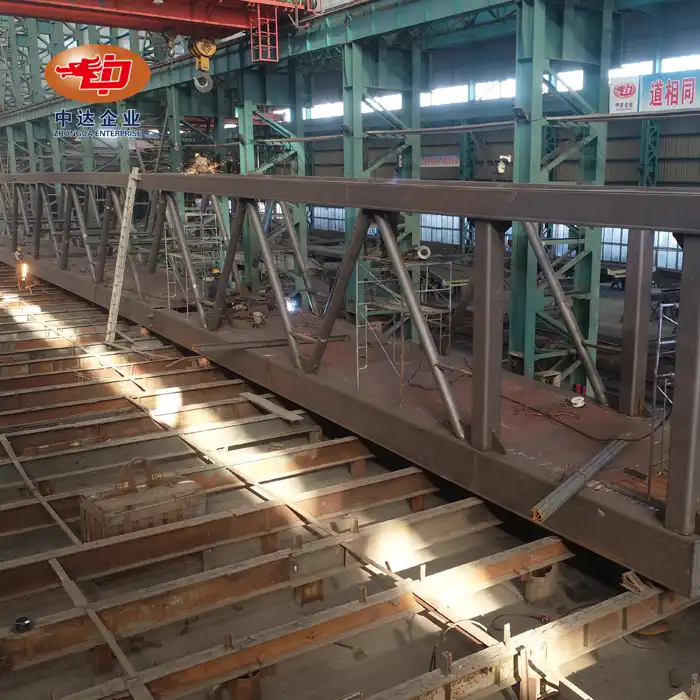
The modern way of making steel box girder focuses on making whole pieces that are 12 to 30 meters long in a plant. Controlled production settings make it possible to carefully put things together, check the quality of everything, and apply protective coatings in the best circumstances. When these finished pieces are shipped to job sites, they are quickly put together with the help of a crane. This method of prefabrication cuts down on-site building time by about 50%. This keeps traffic jams and weather-related delays to a minimum while improving quality stability overall.
Advanced Anti-Corrosion Protection Systems
Strong corrosion prevention methods are needed for things to last in tough environments. Modern requirements include two-layer systems that mix high-performance topcoats with hot-dip galvanizing or metallized spray finishes. This double layer of protection makes sure that the service life is more than 30 years, even in coastal areas, industrial routes, or places that use deicing salts. Investing in better surface protection cuts down on lifecycle costs by stretching the time between repair visits and stopping structures from breaking down too quickly.
BIM-Driven Design Integration
Building Information Modeling technology changes the way engineers design, study, and record steel box girder buildings. Three-dimensional parametric models make it easy to quickly compare different design options, find areas where they clash with other parts of the project, and work together across fields without any problems. This digital method speeds up the approval process, lowers the chance of mistakes during manufacturing, and creates detailed records for future upkeep tasks. The time it takes from planning to delivery is cut by 20 to 30 percent on projects that use BIM methods.
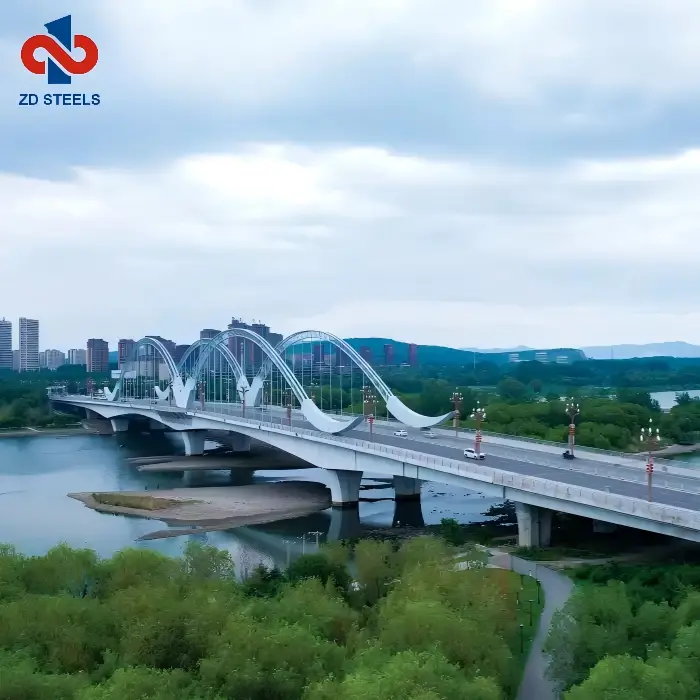
The Shenyang Dongta Cross-Hunhe River Bridge, which is made of 18,000 tons of improved steel box girder, shows how these ideas work in practice. This important building shows how varying section design, high-strength materials, and organized prefabrication can be used to make infrastructure that matches cost-effectiveness with technical performance. Similar methods have worked well for the Jingha Expressway extension and many train viaducts, showing that the approach works for a wide range of project types and loading situations.
Structural Analysis and Load Optimization
Engineers can use advanced finite element analysis tools to map out how stress is distributed across complicated shapes and find ways to reduce material requirements without lowering safety gaps. This computer method shows how strategically placing stiffeners, changing web thickness, and changing flange width can improve the efficiency of a structure. The study takes into account loads during the building phase, long-term traffic patterns, temperature differences, and earthquake demands, which guarantees strong performance for the entire design life.
Procurement Considerations and Market Availability
Buying Things to Think About and the Accessibility of the Market requires a thorough understanding of supplier capabilities and international standards.
Understanding Customization Capabilities
Standard sizes are rarely used for infrastructure projects, so the ability to customize is an important quality for suppliers of steel box girder. Leading makers offer changeable cross-section design services that let you change the height of the steel box girder beams from 1.25 meters to 8 meters to fit your span and load needs. Corrugated web technology helps save even more weight when it's needed, lowering the mass by 20% by making shaped webs less likely to buckle. With a maximum span of 420 meters, it can handle even the toughest jobs without the need for extra supports.
Evaluating Manufacturing Capacity and Quality Systems
The amount of production has a direct effect on delivery times and the viability of the project. Facilities that can hold close to 60,000 tons per year show that they are big enough to support big building projects without lowering quality or adding time to the process. CNC ultra-thick plate cutting with an accuracy of ±0.2mm, automatic multi-wire submerged arc welding systems, and dedicated corrosion protection application facilities should all be part of the manufacturing process. These investments in technology make sure that quality stays the same even during large-scale production runs.
Certification and Checking for Compliance
For international projects to work together, they need to have a lot of approval paperwork. Some important qualifications are ISO 9001 certification for quality management, ISO 14001 certification for environmental compliance, and ISO 45001 certification for health and safety at work. For European markets, structural manufacturing must meet EN 1090 standards. For American projects, it must meet AWS D1.5 bridge welding code standards. Make sure that sellers keep their Class I Steel Structure Professional Contracting Qualification up to date and take part in third-party inspection programs that prove they are still following the rules.
Lead Time and Logistics Planning
For complex manufacturing, you need to be reasonable about when things will be done. Design development and technical approval usually take between 6 and 8 weeks, but this depends on how complicated the job is and how much cooperation is needed. Major bridge girder packages can be made in 12 to 20 weeks, depending on the number of tons, the amount of customization, and how full the factory is. When planning transportation, you need to think about things like permits for oversize loads, route maps, and special tools for moving things. Reliable suppliers give thorough delivery plans that include information about how to get to the spot and how the building should be done.
Shenyang Zhongda Steel Structure Engineering Co., Ltd. has a full range of integrated services, from engineering advice to final installation. We are supported by partnerships with important companies like China Railway and CSCEC. Our industrial center is in the Shenyang Economic-Technological Development Zone. It has 120,000 square meters of production space with cutting-edge CNC systems and automatic welding lines. This infrastructure helps with projects in Russia, Australia, and Southeast Asia as well as needs in Russia itself.
Maintenance, Inspection, and Longevity of the New Steel Box Girder
How to Take Care of, Check, and Make the New steel box girder Last As Long As Possible depends on a commitment to proactive stewardship.
Establishing Routine Inspection Protocols
Systematic testing plans for steel box girder are the basis of structures that last a long time. Initial checks should happen within two years of the project's end to create a record of the conditions as they were when the project was finished. After that, every two years, checkups check the performance of the coating, look for new problems, and make sure that the draining systems work properly. A careful eye inspection focuses on areas that are likely to get wet, areas that are used for bearings, and link zones. Documentation photography is useful for finding trends because it shows small changes that might not be noticed otherwise.
Advanced Non-Destructive Evaluation Techniques
Modern inspection tools let you get a good idea of the state of something without putting the structure at risk. Ultrasonic thickness gauging measures how much material is being lost due to rust. This helps track the rate of degradation and decide when to do upkeep. Magnetic particle analysis finds breaks on the surface and close to the surface in welds and base material. Dye penetrant testing finds small cracks in coatings before they start to rust when water gets into them. When these tools find problems early on, they are easy to fix and don't cost a lot of money.
Corrosion Protection Maintenance Strategies
Protective protection systems need to be checked on a regular basis to make sure they keep working well for as long as they were designed to. Minor damage to the coating from falling objects or installation work should be fixed right away using suitable materials and the right surface preparation. Systematic coating replacement is usually needed every 15 to 20 years, but this depends on the harshness of the climate and the original specifications of the system. Planning these programs to happen during normal inspection rounds makes scheduling easier and keeps service interruptions to a minimum.
Interior Space Maintenance Advantages
The steel box girder section form makes the inside volume easy to reach and can hold people, inspection tools, and maintenance supplies. This inside access is very helpful for looking at dangerous areas from different angles and fixing things without having to worry about the weather. Proper airflow and dehumidification systems in tight boxes keep moisture from building up, which speeds up the deterioration process. Strategically placing entry ports strikes a mix between making inspections easy and keeping the structure's strength and aerodynamic performance.
Extending Service Life Through Proactive Management
When infrastructure owners use full asset management systems, the service lives of their assets are longer than what was expected at the start of the planning process. Cleaning on a regular basis gets rid of the dirt and grime that traps water and harsh chemicals. Keeping drainage systems in good shape stops water from pooling, which speeds up rusting in certain areas. Monitoring the performance of bearings makes sure that loads are transferred correctly and that stress concentrations don't form. The return on the initial building cost is multiplied by these relatively small investments in continued stewardship.
Conclusion
The latest steel box girder technology brings together material science, new ways of making things, and high-level engineering skills that are needed for today's infrastructure. Fully welded construction using Q345D and Q420D high-strength steel makes structure systems that are very good at twisting performance and can lose a lot of weight by optimizing the cross-section in different ways. Traditional field building methods can't compare to prefabrication methods when it comes to quality and construction timeline. Comprehensive rust protection systems make sure that equipment will work reliably for decades, even in harsh environments. These qualities work together to solve the main problems that come up when buying bridges today: providing better structure performance, lowering lifetime costs, and sticking to tight project schedules. When engineering teams and project managers understand these design principles and sourcing issues, they can come up with solutions that are both technically perfect and workable.
FAQ
What distinguishes the new box girder design from traditional options?
Modern systems use varying cross-section shape to distribute materials most efficiently based on real-life stress patterns. This makes them about 20% lighter than their constant-depth predecessors. High-performance steel types Q345D and Q420D make joints stronger and tougher, and automatic welding makes the joints look better. Dual-layer rust protection makes the service life longer than 30 years, which lowers the total cost of ownership by a huge amount by allowing for longer periods of upkeep.
How does prefabrication improve project outcomes?
Making full pieces of 12 to 30 meters in a factory lets precise assembly happen under controlled conditions and thorough quality checks before shipping. Crane-assisted placement speeds up on-site installation, cutting the time it takes to build by about half compared to field fabrication methods. This method cuts down on delays caused by bad weather, traffic, and changes in quality. It also makes work safer for workers by reducing the amount of high-elevation field work that needs to be done.
What factors influence lead times for custom girder orders?
Production plans are affected by the complexity of the project, the amount of customization needed, and the load on the manufacturing site. Usually, engineering planning and approval take 6 to 8 weeks. For large packages, fabrication takes 12 to 20 weeks. Transportation planning has to take into account permits for large loads and special handling needs. Including providers early on in the planning stages of a project helps keep schedules on track and finds problems before they affect important lines.
Partner with Zhongda for Your Next Bridge Structure Project
For twenty years, Zhongda Steel has been a specialist in making designed bridge girders, which can help you with your building needs. We are a trusted steel box girder manufacturer that serves business developers, government contractors, and EPC firms around the world thanks to our BIM-integrated design services, -60°C weathering steel technology, and 60,000-ton annual production capacity. We offer custom solutions that include designs with varying depths up to 8 meters, optimization of corrugated webs, and full anti-corrosion systems that are made to fit your surroundings. Get in touch with our engineering team at Ava@zd-steels.com to talk about the details of your project, look over our ISO 9001/EN 1090/AWS-certified quality systems, and find out how our track record on major projects can help you reach your procurement goals.
References
American Association of State Highway and Transportation Officials (AASHTO). LRFD Bridge Design Specifications, 9th Edition, Washington, D.C., 2020.
Chen, W.F. and Duan, L. Bridge Engineering Handbook: Construction and Maintenance, Second Edition, CRC Press, Boca Raton, Florida, 2014.
European Committee for Standardization. Eurocode 3: Design of Steel Structures - Part 2: Steel Bridges, EN 1993-2, Brussels, Belgium, 2006.
Barker, R.M. and Puckett, J.A. Design of Highway Bridges: An LRFD Approach, Third Edition, John Wiley & Sons, Hoboken, New Jersey, 2013.
Troitsky, M.S. Planning and Design of Bridges, John Wiley & Sons, New York, 1994.
Xanthakos, P.P. Theory and Design of Bridges, John Wiley & Sons, New York, 1994.
YOU MAY LIKE
_副本_1755241212578.png "prefab steel warehouse")