New Developments in Long Span Arch Bridges
2026-04-20 08:39:16






Recently, there have been huge changes in the field of long-span steel arch bridge building. These changes have been caused by new discoveries in materials science, construction methods, and digital tracking systems. Modern arch bridges often go over 500 meters long and use advanced weathering steel alloys, modular prefabrication methods, and real-time tracking of the structure's health. These improvements solve important problems in bridge longevity, building efficiency, and managing costs over the course of a bridge's life. This makes arch designs more competitive with cable-stayed and suspension options for big infrastructure projects around the world.
Understanding Long-Span Steel Arch Bridges: Fundamentals and Advantages
Structural Principles of Arch Bridge Engineering
The basic idea behind long-span steel arch bridge design is that vertical loads are transferred to the abutments by compressing the bent rib structure. Arch bridges are different from suspension bridges because they use the natural compression strength of steel to stand up to gravity. This device makes a highly efficient system that uses the least amount of material and can hold the most weight. The bent shape naturally spreads out forces, which lowers bending moments and makes it possible for thin cross-sections that are good for both looks and cost.
There are three main types of modern arch bridges: through-arch designs, where the deck goes through the arch structure; deck-arch designs, where the roadway is above the arch; and half-through designs, which combine parts of both types. Depending on the site's needs, such as the amount of space needed, the state of the base, and concerns about how the structure will look, each configuration has its own benefits.
Material Advantages in Contemporary Steel Arch Construction
The choice of high-performance steel types has changed what arch bridges can do. For example, the Q420qD weathering steel that we use at Zhongda is a big step forward from regular structure steel. This material is better at resisting atmospheric rust by creating a protective oxide layer. This means that the bridge will need less upkeep over its lifetime. The higher yield strength of 420 MPa makes it possible for structural parts to be lighter without lowering their load capacity. This directly leads to lower material costs and easier assembly processes.


The hardness of weathering steel is also very good at low temperatures, so it stays flexible in difficult winter conditions where regular steel might break easily. This quality is especially useful for bridges that connect areas with very different climates because it makes the structure more reliable during rounds of temperature stress that can wear down other materials.
Key Performance Benefits Over Alternative Bridge Types
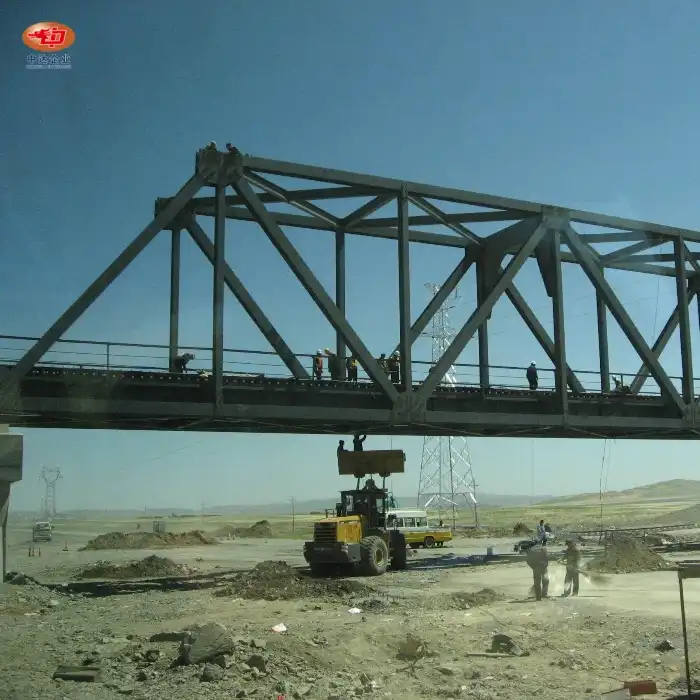
When compared to suspension or cable-stayed bridges, arch bridges have a number of strong benefits. The rigid shape gives the arch forms better vertical stiffness, which makes them perfect for heavy rail uses where deflection control is needed to keep important track alignment tolerances. When compared to flexible wire systems, wind-induced waves are less of a problem, so there is less need for complicated damping devices.
When building on rough ground, cantilever construction methods are helpful because they don't need a lot of falsework. Cable cranes can move premade sections from solid rock abutments to their final positions without disturbing the environment in the river valleys or canyons below. This method works especially well when access issues or rules about the surroundings make it hard to use normal building tools.
The aspect of beauty cannot be ignored. Arch bridges are famous features that make nature and urban waterfronts look better. The smooth curve is a classic design language that meets both functional needs and community desires for infrastructure that stands out physically.
Innovations Driving the Future of Long-Span Steel Arch Bridge Design
Advanced Material Technologies Reshaping Bridge Construction
The creation of ultra-high-strength steel alloys has made it possible to build long-span steel arch bridge spans that are longer and lighter. Today's standards include grades with yield strengths close to 690 MPa, which makes it possible for arch ribs to have the best cross-sectional qualities. These materials go through strict quality control steps, such as CTOD testing, which checks how tough they are to break under high force conditions. Getting 100% on such difficult tests makes sure that the welds are strong throughout the structure and stops cracks from spreading, which could shorten the service life.
Traditional paint uses for corrosion protection methods have changed over time. When 150 micrometers of thermal spray aluminum coatings are used, they make metallurgically linked barrier layers that work better in marine and industrial settings than organic coatings. When paired with fluorocarbon topcoats that meet GB/T 30790 C5M standards, these protection systems work for decades without any upkeep, even in the harshest environments. Investing in modern coating technology saves a lot of money over the course of its useful life by stretching the time between inspections and getting rid of the need for expensive recoating operations.
Revolutionary Construction Methodologies
Stentless rotation building is a big change in the way arch bridges are built. With this method, arch pieces are put together on temporary supports close to where they will be placed permanently. Hydraulic jacks are then used to rotate the finished structure into place. At Zhongda, our own systems can handle spinning weights of up to 8,000 tons, which lets us build huge spans without stopping traffic or navigation channels below. The method shortens building plans by doing site planning and fabrication at the same time. This cuts down on the project's length and the costs of financing it.
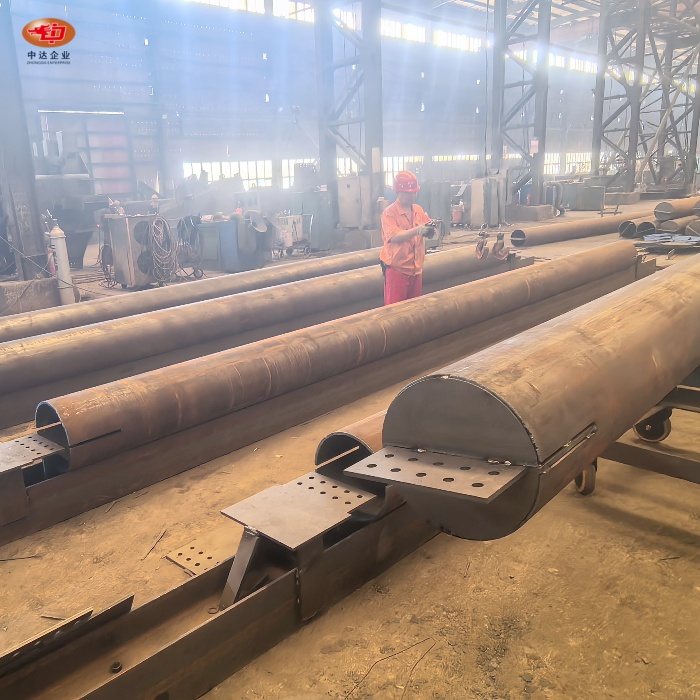
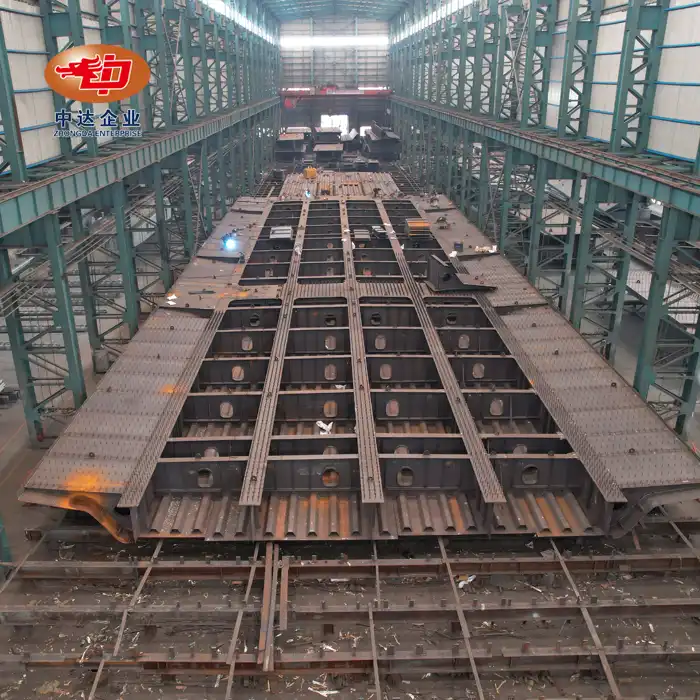
Quality control and building productivity have changed a lot because of modular prefabrication. Precision welding and assembly can be done in factory-controlled areas, but they can't be done on open bridge sites. Pentagonal box sections that are 3.2 meters wide and 4.5 meters tall come at the project site as full 20-meter sections that only need to be joined together in the field to make continuous arch ribs. This standardized method achieves geometric limits of within ±0.2mm, which guarantees a good fit during installation and gets rid of the need for time-consuming field repairs.
Digital Design and Structural Health Monitoring Systems
Building Information Modeling has changed the way bridge engineers do their work. Three-dimensional parametric models bring together geometric definitions, material specs, fabrication details, and building processes into a single digital space. This combination lets you find clashes before the fabrication process starts, make the best use of material cutting patterns to cut down on waste, and create machine control files straight from design models that CNC equipment can use. This makes it easier for the design, fabrication, and building teams to talk to each other and cuts down on the mistakes that happen in standard document-based processes.
Full structural health tracking systems now give constant performance data for the whole time the bridge is in use. More than 200 sensors on full-bridge equipment keep track of temperature, vibration, strain, and movement in real time. This stream of data is processed by advanced analytics algorithms that look for strange patterns of behavior that could mean problems are starting to form. This lets predictive maintenance steps be taken before small problems become big ones that need major fixes. This proactive method increases the availability of assets while lowering the cost of upkeep.
Construction and Maintenance Techniques: Enhancing Efficiency and Durability
Precision Fabrication Processes
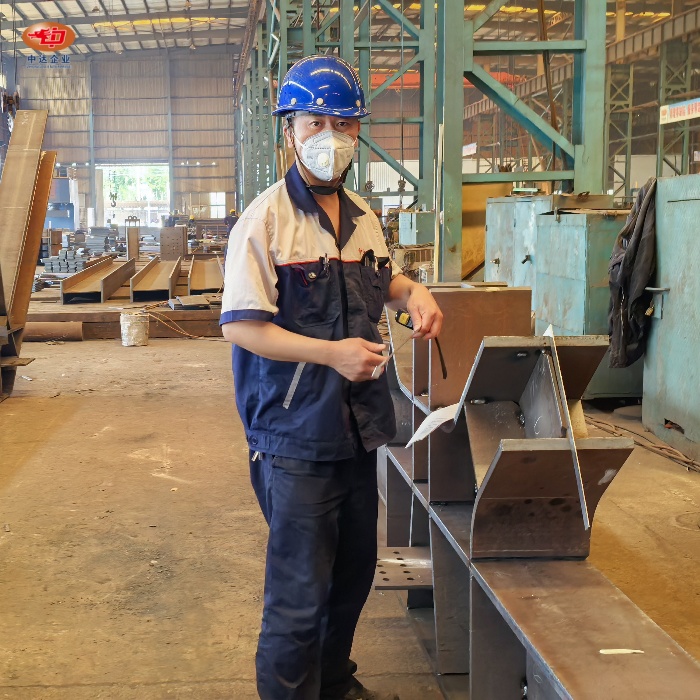
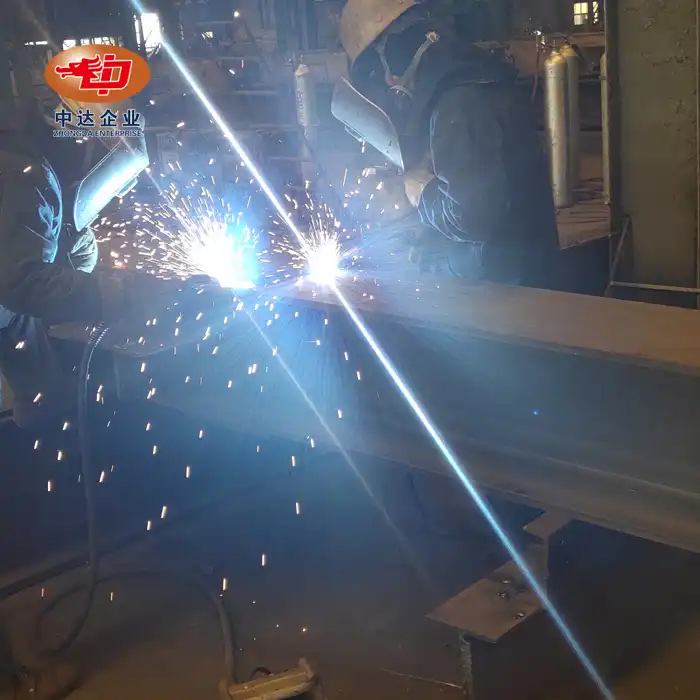
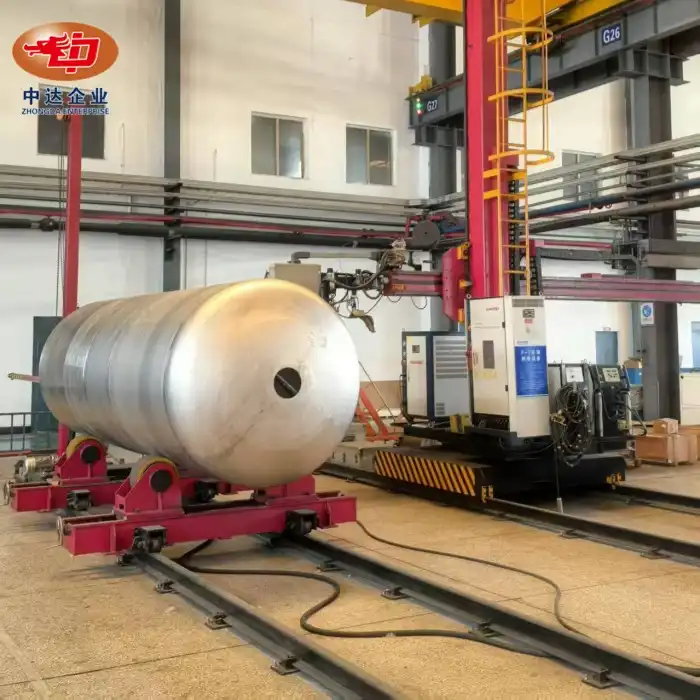
Modern factories that make things use high-tech CNC machines that can precisely cut through very thick steel plates for the long-span steel arch bridge. Plasma and laser cutting systems keep the measurements within the acceptable ranges that make sure everything fits perfectly when putting it together. Field reaming is not needed because automated drilling equipment precisely places bolt holes, and robotic welding cells provide consistent penetration and regular bead shapes that improve wear resistance.
Before parts of a long-span steel arch bridge leave the plant, trial assembly processes make sure that the dimensions are correct. Before the fix is made, operations are done to look for possible interference problems. Corrections are then made easily and cheaply. This quality control step is especially important for arch bridges because the final closing needs to be carefully controlled geometrically so that there are no locked-in loads that could hurt the structure's performance.
Erection Control and Closure Procedures
Keeping the temperature stable while the arch is closed is a very difficult engineering problem. Because of steel's thermal expansion rate, a 30-degree change in temperature can cause section lengths to change by several centimeters over a 200-meter span. Monitoring the environment and making the final connection only when temperatures are in line with what was planned is necessary for a successful closing. This is to avoid thermal stresses that could damage the connection details over many seasonal changes.
For high-strength bolted links to work, the fitting process must be carefully thought out. For friction-critical joints to work, they need precise tightening forces to build up shear resistance through friction at the contact instead of bolt bearing. Calibrated torque wrenches or direct tension signs make sure that each fastener meets the preload requirements. The structure's compliance is checked by paperwork requirements.
Proactive Maintenance Strategies
Instead of random time gaps, modern maintenance ideas stress condition-based actions based on inspection data. Ultrasonic testing and magnetic particle inspection are two non-destructive evaluation methods that find flaws below the surface before they get too big. Detailed inspection methods focus on parts that are more likely to break over time, like web-to-flange links and hanger attachment points, where high stress levels make cracks start to form faster.
Over the bridge's useful life, maintaining the protective covering will cost a lot of money. Modern coating methods make it possible to paint every 25 years or more instead of every 15 years, which lowers both the direct cost of coating and the indirect cost of causing traffic problems during upkeep. When you look at the bridge's whole lifespan, the extra cost of the better coating methods pays for itself over time.
Industry Standards and Compliance for Long-Span Steel Arch Bridges
Governing Design Codes and Specifications
In order to keep the people safe, long-span steel arch bridge engineering has to follow strict rules and regulations. For most building projects in the U.S., the AASHTO LRFD Bridge Design Specifications set the load factors, resistance factors, and design methods based on reliability theory. These rules cover a lot of different things, like fatigue from repeated loads, safety against wind and earthquake forces, and the physics of crack propagation.
For steel structures, international projects may use Eurocode 3 or different national standards that take into account the climate and building methods in each area. Manufacturers that sell to customers all over the world need to be able to create and build to a number of different code systems. Our tech team stays up-to-date on the most important foreign standards, so compliance is easy no matter where the project is located.
For steel arch bridge long-span bridges, where aerodynamic forces can cause damaging oscillations, wind load standards need extra attention. For important projects, wind tunnel tests may be required to confirm analytical predictions made by scale model data. Static wind pressure and dynamic aeroelastic events like vortex shedding, flutter, and rushing that have led to bridge failures in the past must be taken into account in the design.
Quality Assurance and Testing Protocols
The quality of the weld has a direct effect on the strength of the structure, which is why checking methods are so important to quality programs. Visual review by qualified welding testers is the first step in the screening process. Non-destructive testing methods show internal discontinuities that can't be seen from the outside. When ultrasonic testing tools go through fusion zones, they look for areas of poor entry, porosity, or slag inclusions that make cross-sections smaller and stress concentrations happen. Radiographic testing makes lasting film records of the quality of the weld, which can be used to support regulatory submissions and, if needed, future investigative investigations.
CTOD testing checks how tough something is to break under situations that are like real-life service stresses. Test examples with intentionally placed cracks are loaded while the crack tip opening movement is measured. This shows how resistant the material is to brittle fracture. When soldered joints get 100% pass rates on such tough tests, it's safe to say that they will work well even under the worst loading conditions, like high strain rates and extreme temperatures.
Load testing can be asked for to make sure that finished buildings meet performance standards. Proof loading uses controlled forces and watches for deflections to make sure that the real behavior fits what the design predicted. Instrumentation tracks patterns of strain and displacement, which checks the accuracy of mathematical models and sets a standard for future condition evaluations.
Certification Requirements for International Projects
Cross-border infrastructure projects add more levels of compliance on top of what is needed at home. Getting EN 1090 certification shows that you can build steel buildings that meet European standards, which is needed for many foreign bids. For this certification, quality management systems, employee qualifications, and production methods must be audited by a third party. This provides objective proof of manufacturing ability.
Depending on the owner's buying rules and local laws, project-specific licenses may be needed. Projects to build highway bridges might need clearance from the AISC, while buildings in the ocean might need approval from the classification society. Understanding these requirements when writing the plan keeps expensive shocks from happening during execution and shows the level of skill that is required of world-class fabricators.
Conclusion
The progress made in long-span steel arch bridge technology is a sign of larger trends toward building infrastructure that is more sustainable and efficient. New developments in high-performance materials, precise manufacturing, and digital engineering tools have made arch designs more technically and economically competitive in a wider range of settings. Modern arch bridges are both aesthetically pleasing and structurally sound. They are long-lasting investments that serve communities for generations while lowering costs over their lifetime by requiring less upkeep.
A successful procurement relies on carefully evaluating suppliers based on their technical skills, quality systems, and long-term value, not just their original cost. Steel arch bridges are an appealing option for difficult building needs around the world because they combine advanced corrosion protection, thorough structural tracking, and tried-and-true construction methods.
FAQ
What factors most influence the service life of steel arch bridges?
Service life is mostly determined by three things that are all connected: the choice of material, how well it protects against rust, and how well the repair program works. Protective oxides form on high-performance weathering steel, which stops air rust and greatly extends the time before section loss becomes noticeable. Modern covering systems make walls that can't be broken through, keeping water and other contaminants from getting to steel surfaces. Regular checking programs find coating failures in specific areas before they spread, allowing tailored fixes that keep the general integrity of the protection system.
How do steel arch bridges compare economically to suspension alternatives?
Because they carry weight in different ways, steel arches usually need more materials than suspension bridges of the same width. Arches mostly create compression forces that need large cross-sections, while suspension bridges use high-strength wires that work well in tension. When comparing costs, it's important to look at the total lifetime costs, which include things like foundation needs, upkeep frequency, and how the building is used. Arches save time on building by allowing parts to be made ahead of time. They are also less likely to be affected by wind-driven vibrations and don't require replacing cables. Arch designs are often more cost-effective for projects that need to load a lot of weight and have good foundations.
What qualifications show that a steel bridge builder is trustworthy?
There are several ways that reputable makers show that they are skilled. The ISO 9001 certification proves that quality management is done in a planned way. The ISO 14001 and ISO 45001 certifications, on the other hand, cover worker safety and protecting the environment. Getting an EN 1090 license shows that you can build steel buildings that meet European standards. Project files that show that similar bridges were completed successfully show that someone has real-world experience. Comprehensive suppliers are different from basic manufacturers because they have technical skills like BIM knowledge, advanced manufacturing equipment, and in-house engineering support.
Partner with Zhongda for Your Next Infrastructure Project
Zhongda offers complete engineering solutions for tough long-span steel arch bridge tasks by blending twenty years of experience in manufacturing with cutting-edge technology and strict quality control systems. Our pentagonal box arch rib designs can withstand wind pressures of up to 1.5kN/㎡, and our unique stentless rotation construction can handle buildings weighing up to 8,000 tons, cutting down on project times and costs. Our dedication to quality shows in all of our projects, as shown by the fact that we pass 100% CTOD tests and use modern rust protection systems that are built to last for decades. Our engineering team is ready to come up with the best designs for your needs, whether you need basic setups or solutions that are made just for you. Get in touch with Ava@zd-steels.com to talk about how our skills as a top maker of long-span steel arch bridges can help your next building project.
References
Chen, B., & Wang, X. (2021). "Advanced Steel Materials and Their Application in Long-Span Arch Bridges." Journal of Constructional Steel Research, Vol. 178, pp. 106-118.
Grimsmo, E., Clausen, A.H., & Langseth, M. (2020). "Structural Health Monitoring of Steel Arch Bridges: State of the Art and Future Directions." Engineering Structures, Vol. 204, Article 109850.
Liu, A., Huang, Y., & Fu, J. (2022). "Innovative Construction Technologies for Long-Span Steel Arch Bridges: A Comprehensive Review." Automation in Construction, Vol. 135, pp. 104-121.
Pipinato, A., Pellegrino, C., & Modena, C. (2019). "Fatigue Assessment of Highway Steel Arch Bridges." Structure and Infrastructure Engineering, Vol. 15, No. 8, pp. 1037-1049.
Sharifi, Y., & Pakar, I. (2023). "Corrosion Protection Systems for Weathering Steel Bridges: Performance Evaluation and Lifecycle Cost Analysis." Construction and Building Materials, Vol. 362, Article 129735.
Zhang, W., Cai, C.S., & Pan, F. (2020). "Wind Resistance Design of Long-Span Steel Arch Bridges: Code Comparison and Engineering Applications." Journal of Bridge Engineering, Vol. 25, No. 4, Article 04020012.