






Stadium building requires perfect time, top quality, and consistent dependability. Knowing how long it takes to build a steel stadium structure is important when planning your next event job. New stadiums need complex engineering that finds a balance between speed, sturdiness, and cost-effectiveness.
Based on how big, complicated, and customized the steel stadium structure needs to be, it usually takes between 8 and 18 months to build. During this period, the designs are finalized, materials are procured, manufacturing is done with great care, quality control is performed, and planning for on-site assembly is completed. Concrete takes a long time to cure, but steel casting lets you work on many parts of a project at the same time. This speeds up the plan for the project while keeping the standards for structural stability that are important for public places.
Procurement managers who understand how long it takes to make things can better allocate resources, work with partners, and meet important project goals. Whether you are building community sports facilities or world-class places for the Olympics, proper timeline planning makes sure that your project stays on track and within budget while also meeting high standards for quality.
Understanding the Fabrication Process of Steel Stadium Structures
There are many different stages that are all linked and must be carefully planned out and done by experts when making a steel stadium building. The first step in the process is to make sure that thorough engineering analysis and plan testing meet both local and global building rules. Advanced Building Information Modeling (BIM) technology lets people plan exactly how to avoid problems before construction starts.
Design and Engineering Phase
The first part of planning usually takes 4 to 8 weeks for normal setups and as many as 16 weeks for more difficult special designs. Engineering teams look at area temperature factors, wind resistance, earthquake concerns, and load requirements. With the help of this in-depth analysis, you can make sure that your steel stadium structure satisfies all safety standards while also making the most of your building materials.
Material Procurement and Quality Control
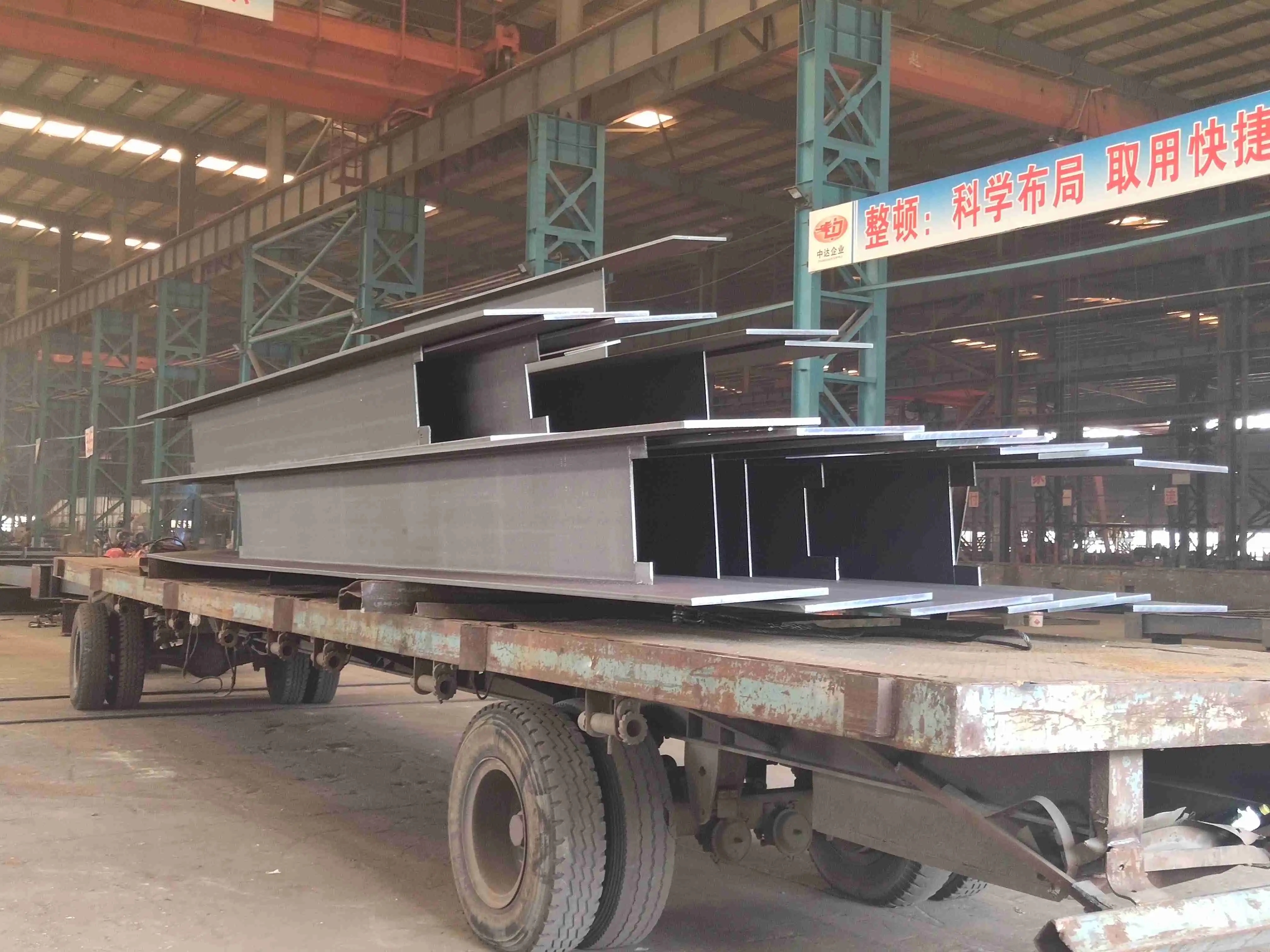
When engineers give their okay, raw materials are ordered. The time it takes to get the materials depends on the type of steel needed and how much the provider can handle. Structural steel that meets the ASTM A992 standards is high quality, but it needs to be carefully sourced from approved sources. As soon as the materials are received, quality control starts. Strict tests make sure that the materials meet the requirements of the job.
Precision Manufacturing Operations
Today's factories use CNC cutting systems, robotic welding stations, and computer-controlled production lines. These technologies make sure that the dimensions are correct within limits of ±0.2 mm and keep the quality the same across thousands of parts. Advanced making makes shapes and unique building features possible that are too complicated for old-fashioned construction methods.
Typical Timeline Breakdown for Steel Stadium Structure Fabrication
Procurement pros can plan and work with multiple parties more effectively when they understand how timelines work. Each step of manufacturing needs to be carefully planned so that it can be done quickly and with the high quality that is needed for steel stadium structure projects.
Phase 1: Pre-Fabrication Planning (2-4 weeks)
Final drawing reviews, material ordering, and production planning are all activities that take place before manufacturing. Project managers who know what they're doing work with tech teams to figure out how to make things in a way that makes the most efficient use of the shop floor. This step helps avoid delays and makes sure that the planning phase runs smoothly from one stage of production to the next.
Phase 2: Primary Structure Fabrication (8-12 weeks)
Columns, beams, and roof trusses are some of the primary structure elements that are hard to make because of their size and shape. Large roofs need specialized construction tools and very careful roof building. Our bridge cranes, which each weigh 100 tons, make it easy to move very big parts of a structure around while still keeping safety in mind.
Phase 3: Secondary Systems and Finishing (4-6 weeks)
The manufacturing process is finished off by the link gear, secondary structure elements, and final parts. Quality checks that look at every detail make sure that standards for surface preparation and accuracy in size are met. Protective coats are applied according to strict environmental rules to make sure they last a long time.
Modular manufacturing methods shorten the time it takes to complete a project because they allow different parts of the building to be made at the same time. This method lets on-site assembly start while the last parts are still being made. This helps the overall project finish 20-30% faster than traditional step-by-step methods.
Comparison: Fabrication Time of Steel Stadium Structures vs Alternatives
Choosing the right material greatly affects the timeline and long-term success of a job. Steel has special benefits that make it the best choice for steel stadium structure projects that need to be done quickly and require great performance and longevity.
Steel vs Concrete Construction Timelines
It usually takes 24 to 36 months to build a concrete stadium because the making, filling, and drying steps have to be done in that order. Complex formwork systems need a lot of work to be done on-site, and their plans depend on the weather. Using pre-fabrication and flexible building methods helps steel stadiums get built in 12 to 18 months, which avoids delays due to weather.
Advantages of Steel Prefabrication
While site preparation work is still going on, steel prefabrication makes it possible for climate-controlled buildings to make sure that quality is maintained. This method of parallel processing cuts the time a project takes in half compared to standard ways of building. Ongoing quality checks and careful manufacturing guarantee that the building's structure works well for its entire lifespan.
Steel's flexible design makes it easy to add on or change things in the future without having to change the building's overall structure. This ability to change makes the building useful in the long term for events that may need more space or a different setup. When procurement managers plan places with changing needs, this level of flexibility helps them get the job done.
Key Principles to Optimize Fabrication Time Without Compromising Quality
Strategic planning, the use of cutting-edge technology, and strong relationships with suppliers are all ways to get the best manufacturing timelines. These ideas make it possible to deliver more quickly while keeping the high standards that are important for public works projects.
Advanced Technology Integration
Automated cutting, robotic welding, and built-in quality control systems help modern manufacturing sites work more efficiently. Computer-controlled processes maintain uniform quality and lower the amount of work that needs to be done by hand. These tech benefits lead to quicker production times and better end goods.
Strategic Supplier Partnerships
Long-term partnerships with approved steel sources make it possible to schedule deliveries ahead of time and be sure that the materials are of good quality. Dependable providers offer regular shipping times and help with technology during the making process. Strong relationships make the buying process safer and make sure that projects stay on schedule.
If you work together with manufacturers on the first planning stages of a project, you can make the design better so that it can be made more quickly. Involving the maker early on helps to spot possible issues and come up with ways to solve them before production starts. This method allows the designers and fabricators to work together, which stops expensive changes to the design and delays in the plan during manufacturing.
Practical Case Studies: Successful Steel Stadium Fabrication Projects
In the real world, people see how great planning and performance can help meet difficult deadlines. These cases show buying workers the best ways to work on their own projects.
Case Study: Accelerated Olympic Venue Construction
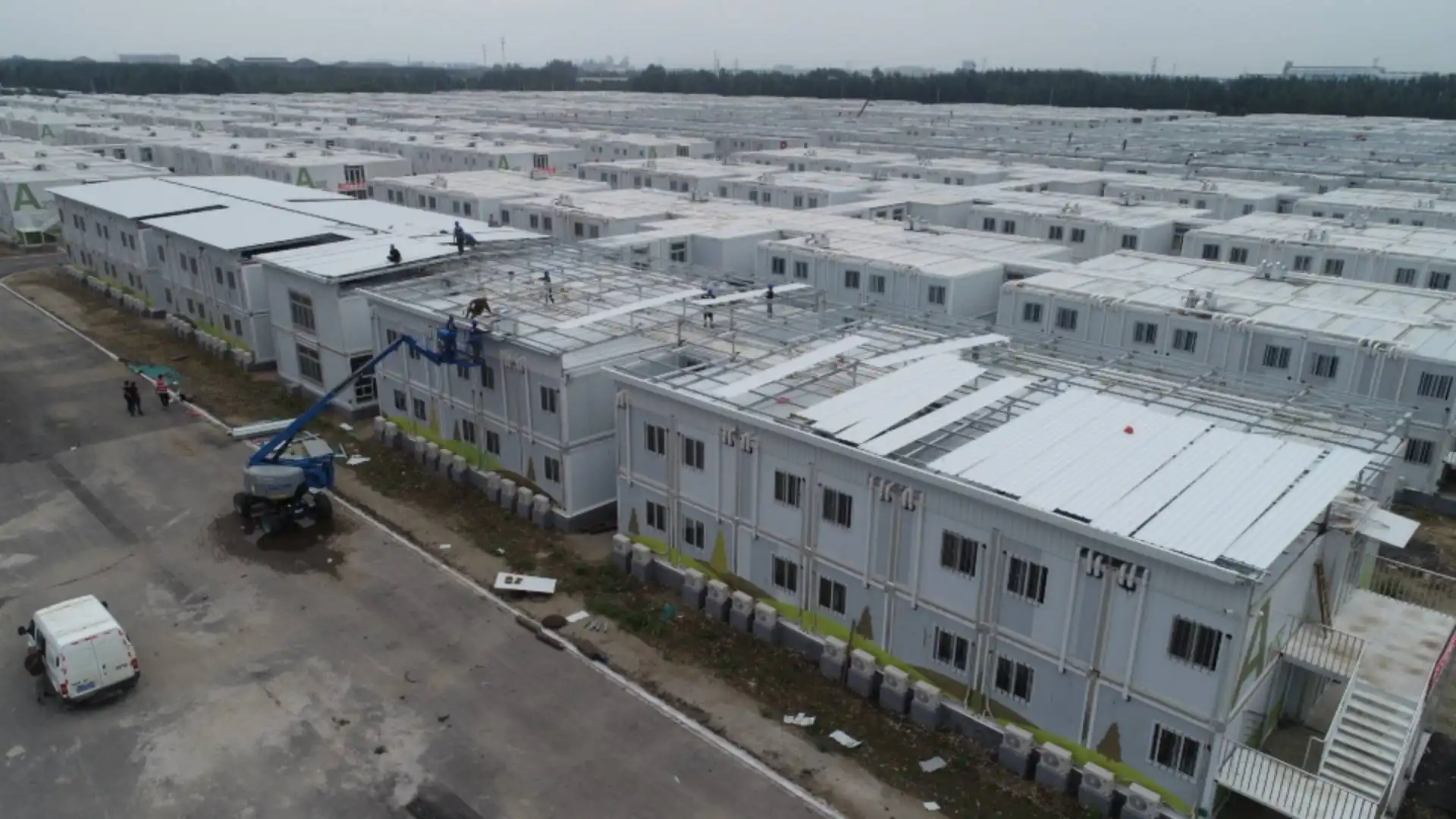
A new 75,000-seat steel stadium structure project showed great project management and production speed. The venue used solar-ready roof systems for eco-friendly energy production and 8,500 tons of galvanizing steel. Even though it was difficult because of the rainy season, the project was finished six months early because of flexible manufacturing and improved transportation planning.
Innovative Seismic-Resistant Design Implementation
A different flagship project included mixed steel-composite buildings that were made for areas with a lot of earthquakes. Because of its modular design, the building could be turned into a community sports center after the event, which was a great way to use public money. The project showed that smart planning can help the big picture while also meeting the short-term needs of the place.
The success of these projects makes early planning, choosing good suppliers, and using new technology in order to get better results very clear. People who work in procurement can use these tried-and-true methods to make their own stadium construction schedules more efficient while also making sure of great quality and performance.
Zhongda Steel: Your Trusted Steel Stadium Structure Manufacturer
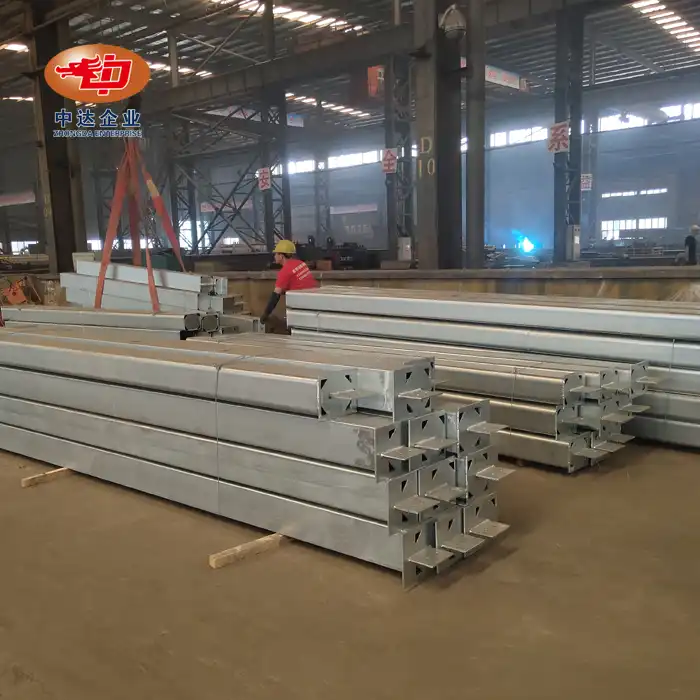
Zhongda Steel has been working on stadium building projects around the world for over twenty years. Our ISO 9001/14001/OHSAS 45001 approved facilities cover 120,000 square meters and have high-tech industrial systems, such as 100-ton bridge cranes and precision cutting systems that keep ±0.2mm standards.
Our all-around steel stadium structure options work with everything from community spaces with 5,000 seats to mega-stadiums that hold over 100,000 people. We use BIM-driven prefabrication methods that cut down on the time it takes to build things while keeping the quality very high. Our weathering steel technology can handle tough temperatures down to -60°C, making sure it lasts for a long time in difficult settings.
We complete jobs on every region except Antarctica. Organizations like China Railway, CSCEC, and BMW trust us to get the work done. We've worked on everything from bridges in the Arctic in Russia and setting up mining tools in Australia to building factories all over Southeast Asia. This experience around the world makes sure that we know the different rules and culture factors that are important for projects that happen in other countries.
The ability to do custom production makes it possible to add unique building details, build roof systems that can be pulled out, and combine eco-friendly energy sources. Our flexible method makes it easy to change things after an event and add to the facility in the future, which helps the space keep its value over the long term. All-around project support helps make sure that the project goes off without a hitch. It includes advice on how to best carry out the project, help with planning the details, and support during the installation process.
Conclusion
It can take anywhere from 8 to 18 months to build a steel stadium, based on how big, complicated, and special the project is. Understanding these timelines helps procurement managers plan ahead, organize resources, and produce great places on time and within budget. Steel outshines other materials by being quicker and easier to make, more durable, and more versatile in form so that it can be used in a variety of settings. Careful planning, strong relationships with suppliers, and improved manufacturing skills that ensure quality while making processes more efficient are all things that help projects succeed. If you use the right materials and building methods, you can get a job done 40% faster than with standard methods, and it will work better in the long run.
FAQs
What are the most important things that affect how long it takes to build a steel stadium?
The time it takes to make something is most affected by how complicated the design is, how much structure span is needed, how much it can be customized, and how the materials are specified. It takes more time for engineering and manufacturing to work on complex roof systems and other unique parts of buildings. Getting the provider involved early on and optimizing the plan can reduce these effects while keeping the quality of the project high.
Can the creation of plans be done more quickly without hurting the strength of the structure?
Advanced flexible manufacturing methods and parallel processes make it possible to keep up with quality standards and deliver faster. Computer-controlled assembly and robotic welding make sure that the standard is always the same, no matter how fast the production is. Strategic planning and communication with suppliers are important for getting the best possible schedule without giving up quality.
How do steel stadium manufacturing and assembly plans change because of the weather?
Fabrication takes place in climate-controlled buildings, which keeps the weather from affecting the production plan. But bad weather can make it harder to move the items and put them together at the spot. Proper planning and construction methods that can stand up to any weather make sure that the project can keep going even when conditions are bad.
Partner with Zhongda for Your Next Stadium Project
Do you want to speed up the time it takes to build your stadium with steel stadium structure options that have been tested and proven? Zhongda Steel's advanced production and experience with projects around the world make sure your place meets the standards of the world while staying on budget and on time. Our team of skilled engineers and project managers is here to help with everything from the first plan to the final installation.
As a top provider of steel stadium structures, we use cutting-edge technology and decades of experience to get great results. No matter how big or hard the job is, we can make sure it gets delivered on time because our 60,000-ton-a-year production capacity and advanced transportation skills. For a more in-depth look at your project and to get tailored manufacturing solutions, email us today at Ava@zd-steels.com.
References
American Institute of Steel Construction. "Steel Construction Manual, 15th Edition." AISC, 2017.
European Convention for Constructional Steelwork. "Eurocode 3: Design of Steel Structures." CEN European Committee for Standardization, 2019.
International Association for Sports and Leisure Facilities. "Guidelines for Sports Facility Construction and Management." IAKS Technical Commission, 2020.
World Steel Association. "Steel in Construction: Building for the Future." WSA Construction Committee, 2021.
FIFA. "Stadium Safety and Security Regulations." FIFA Technical Division, 2022.
International Olympic Committee. "Olympic Games Venue Construction Standards and Guidelines." IOC Technical Manual, 2023.
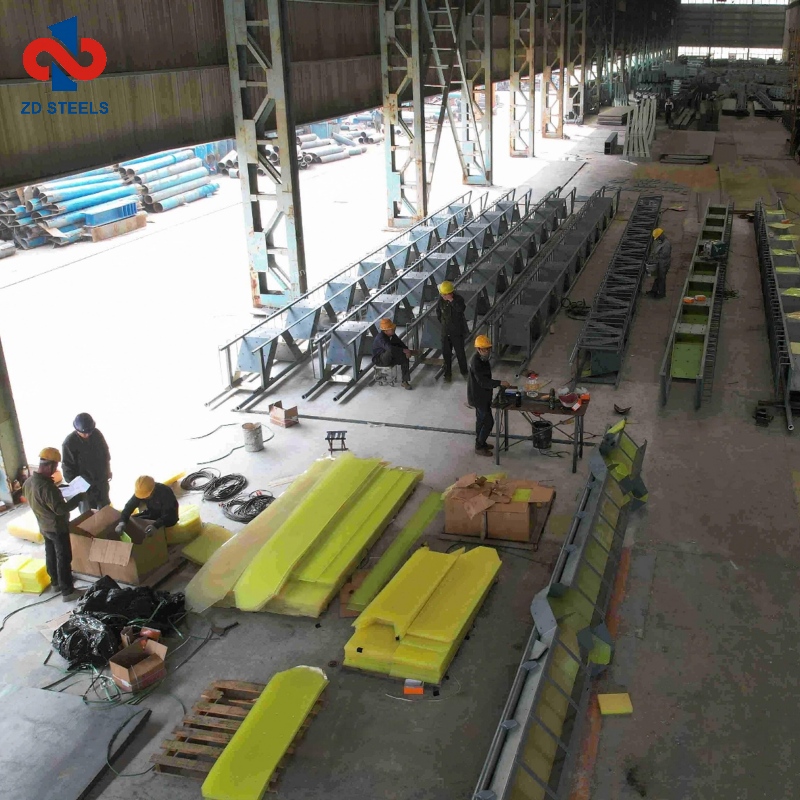
_副本_1753167843741.webp "Steel Deck Arch Bridge")
_1746262121950.webp "Floating Platform Pontoon Module")