How to choose between welded and bolted lattice columns?
2026-06-13 16:52:19






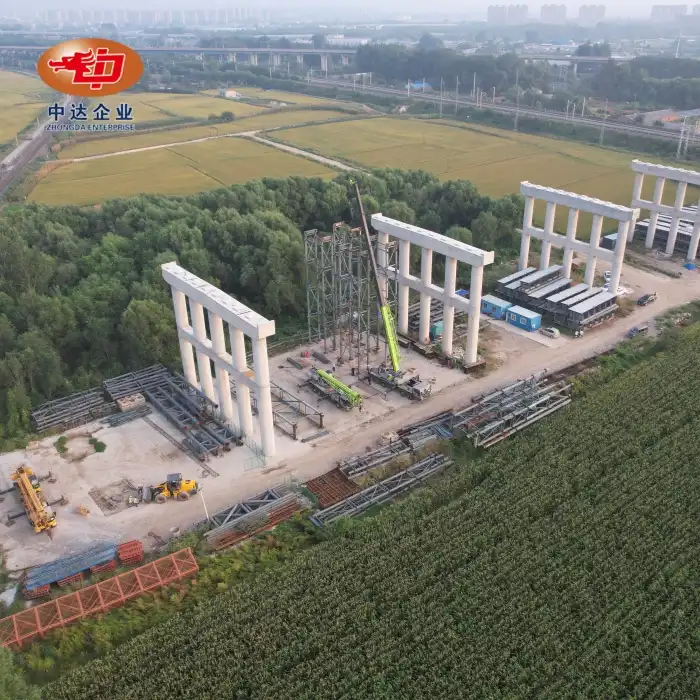
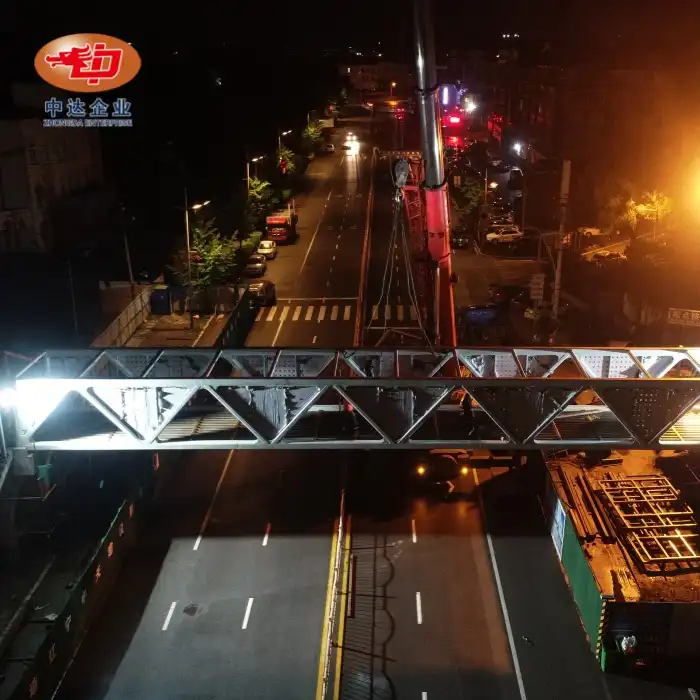
Choosing between welded and bolted connections for lattice columns has a direct effect on the structural performance, building time, and prices over the project's lifetime. Welded designs are perfect for fixed installations in high-load areas like bridge piers and power substations because they move load smoothly and are more rigid. Bolted systems give you the most installation and change options. This is especially useful for flexible buildings or projects that need to be able to grow in the future. Your choice will depend on how easy it is to get to the spot, the technical load requirements, the resources available for manufacturing, and the long-term upkeep plans that will work best for your needs.
Understanding Lattice Columns and Their Types
Several lengthwise bands are linked by lateral or horizontal lacing systems to form built-up tension members known as lattice columns. These designed structures make the gyration radius as big as possible compared to the cross-sectional area. This gives tall vertical supports very good bending resistance. When compared to solid-walled options, the open lattice design lowers wind load coefficients by about 35% while keeping the same load-bearing capacities. This design approach works especially well for telecommunications towers, crane booms, and industrial plant stanchions that need to balance height and weight.
Welded Lattice Column Construction
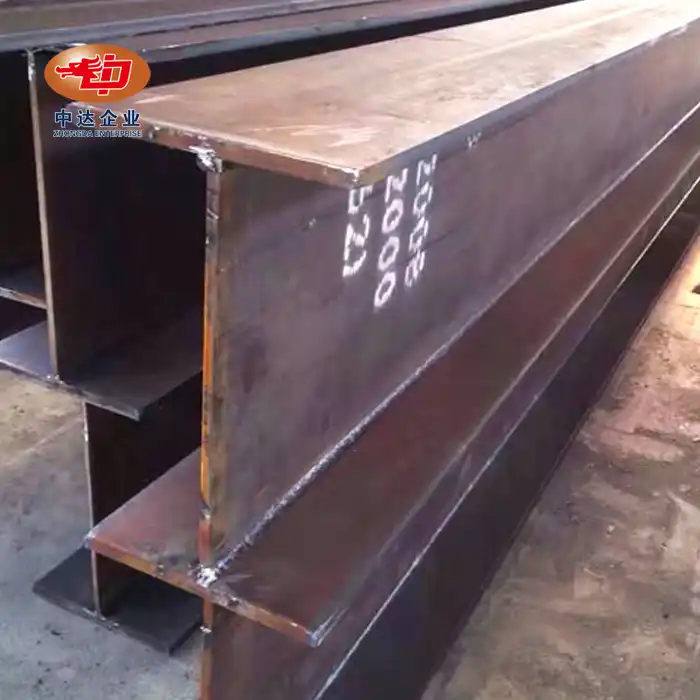
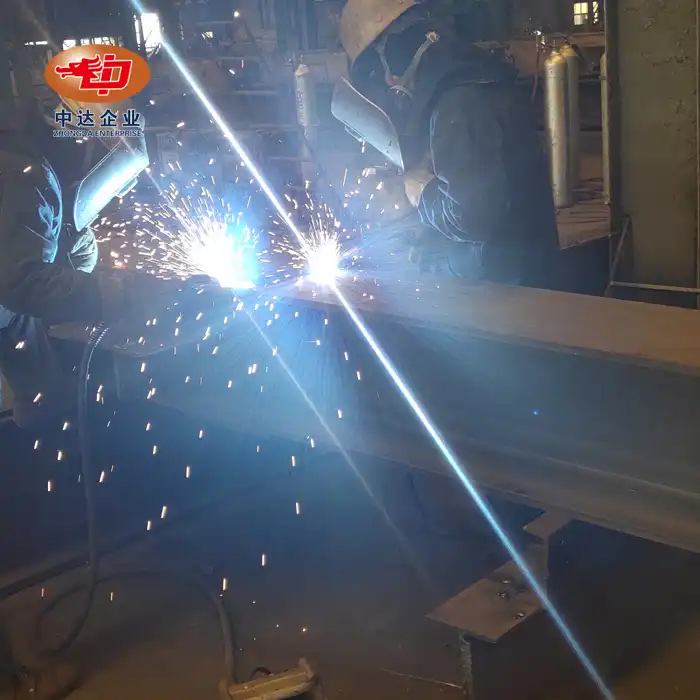
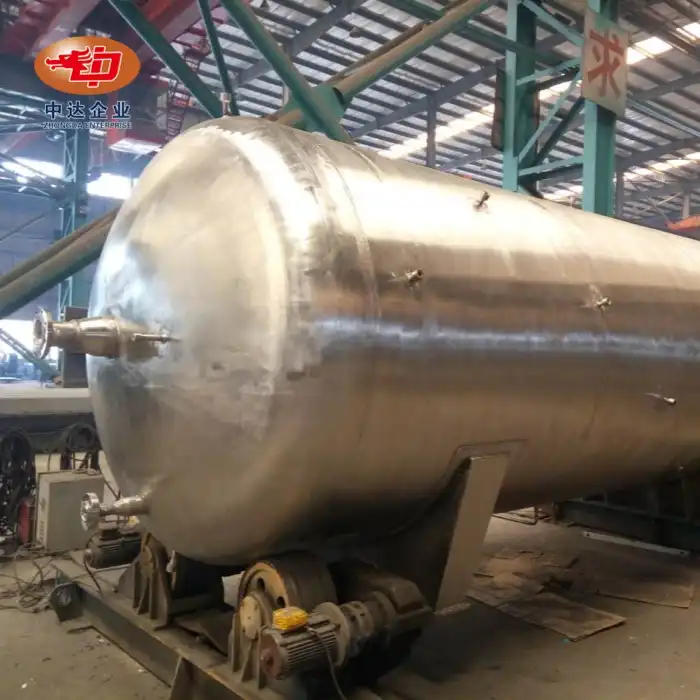
In welded structures, chord pieces and lacing elements are firmly joined together with continuous fusion joints. Robotic MIG and subsurface arc welding are used in our factory to make sure that entry levels are always the same and that heat-affected zone distortions are kept to a minimum. Advanced CNC cutting tools prepare the joining areas to within ±0.2mm, making sure they fit perfectly before the welding process starts. This way of making things makes one-piece structures that can transfer the full power of the material across joins without the need for artificial fasteners.
Welding lets you make complicated geometric shapes and smooth changes in cross-section that work with different loads distributed along column heights. Structures made this way are put through a lot of strict non-destructive testing, such as laser inspection and magnetic particle examination, to make sure that the joints are strong. Our quality assurance procedures are in line with AWS D1.1 and EN 1090-2 standards. This gives regulatory approval processes written proof that the structure is reliable.


Bolted Lattice Column Assembly
High-strength mechanical bolts are used in bolted designs to make links between prepared parts that can be taken apart. When modular chord parts get to building sites, they come with standard bolt patterns and connection plates that have already been drilled. This makes it easy to put them together quickly without the need for special welding tools or trained welders. Grade 8.8 or 10.9 nuts with the right preload specs are used in connection joints to make sure there is enough friction and bearing capacity under service loads.
This method of building makes it easier to work on construction projects in stages and move individual parts to places that are hard to get to. Structural engineers like fixed connections because they behave in a reliable way, which makes load path analysis and connection design calculations easier. Instead of joint inspection methods, quality control focuses on checking the strength of the bolts and preparing the bearing surface. This makes the acceptance testing process easier.
Core Decision Criteria for Choosing Welded vs Bolted Lattice Columns
Structural Performance Requirements
Load-bearing ability is directly related to how strong the link is and how well the joint works. When done right, welded links transfer full chord strength without any reduction factors and have about 100% joint efficiency. Our lattice column designs can hold axial loads of more than 500 tons while keeping their cross-sectional sizes small. Welded joints have a seamless material shift that gets rid of stress concentration points that can cause fatigue cracks when the load changes over time.
For bolted systems, you need to think carefully about how to prevent link slippage and how much weight they can hold. Bolted links that are properly built are strong enough, but they add to the movement because the joints are flexible. When engineers figure out general column slenderness ratios and bending abilities, they have to take this flexibility into account. In situations with dynamic pressure, friction-type connections using high-strength nuts work better than bearing-type connections.
Installation Speed and Site Logistics
Construction timelines have a big effect on the cost and timing of a job. For manufacturing work to go smoothly, weld systems need licensed welders, welding power sources, and weather protection. In cold weather below 0°C, steps for preheating and controlling hydrogen are needed, which makes installation take longer. Our -60°C Weathering Steel Anti-corrosion Technology makes it possible for welding to work reliably in harsh environments, but site welding is still weather-dependent.
Bolted systems cut down on the time it takes to put up structures by 40 to 50 percent by making the mechanical links easier. Standard wrenches and torque measuring tools are used by construction teams to finish putting things together. Before they are shipped, prefabricated parts are fully inspected at the plant, which cuts down on the need for quality control on-site. This method is especially useful in rural areas where skilled welders are hard to find or where the cost of movement makes it impossible.
Total Cost Evaluation
Lifecycle cost analysis looks at more than just the initial costs of making something. Welded columns usually need more money up front because they need specialized labor, strict checking procedures, and, if needed, a heat treatment after the join. When compared to shops that make things by hand, our computerized production lines make manufacturing more efficient, which lowers these prices. The fixed nature of welded joints means that bolt checking and retorquing will not need to be done in the future.
Costs are spread out differently across project steps by bolted parts. Less complicated construction lowers the original cost of production, but buying high-strength fasteners and connection plate material raises the cost of parts. Long-term repair plans need to include checking the tightness of bolts on a regular basis, especially in places where vibrations are common. Bolted parts can be used more than once, which can help temporary buildings or projects that will be changed later regain some of their value.
Site-Specific Conditions
Environmental factors and government rules affect the viability of a link method. Our hot-dip galvanizing processes, which are put on after welding, are good for coastal sites and industrial settings with salty air. The constant zinc finish on welded parts gets rid of the risks of crevice rust that are present at the points where bolts meet. The marine-grade alloys we offer protect remote sites and port buildings better.
When designing for seismic activity, it's best to use flexible connections that let the energy from an earthquake escape through controlled giving. When properly described, welded moment joints can form a reliable plastic hinge. To get the same earthquake performance as other connections, bolted ones need extra energy disposal devices or clever placement of fuse elements. Regional building codes, like AISC 341 and Eurocode 8, have specific rules about how things should be put together that affect the choice of link type.
Comparative Analysis: Welded Lattice Columns vs Bolted Lattice Columns
Manufacturing Precision and Quality Control
Our prefabrication method, which is driven by BIM, combines 3D models with CNC cutting to get very accurate measurements for both types of connections. Lattice columns are better than bolted ones because they don't have problems with precision stack-up, which happens when multiple pieces are put together. The heat input and journey speeds of robotic welding cells stay the same, which makes join shapes that are regular and have little warping. Straightening tools fix any warping caused by heat to make sure that 12-meter lengths are straight within ±3mm of their original length.
When making bolted components, hole-drilling accuracy and flat bearing surfaces are very important. Our CNC drilling centers keep bolt holes within ±0.5mm of their original position, which makes sure they are lined up correctly when they are put together in the field. Milling processes are used on connection plates to make the surface flat within 0.2 mm per meter. This keeps the load from being unevenly distributed across bolt groups. This precise production cuts down on the problems that come up during assembly and gets rid of the need for changes to be made in the field, which slows down project plans.
Environmental Durability and Corrosion Resistance
Strategies for protecting materials are very different depending on the linking method. After being fully fabricated, welded structures are coated all over, making sure that all surfaces are protected, even the areas where the parts are connected. According to ISO 1461, our hot-dip galvanizing method uses at least 85-micron zinc coats that last 50 years or more in industrial atmospheres. Continuous layer covering gets rid of the ways that moisture can get in and the problems that come up when different metals touch each other in bolted connections.
When you have bolted surfaces, cracks form where water can collect and speed up localized rusting. Even though the surface is properly prepared and the fasteners are plated, these connections still need to be inspected and maintained on a regular basis to keep the structure strong. For important jobs, our engineering team recommends stainless steel screws and isolation nuts, even though these steps raise the cost of the parts. Applying sealing solutions at link points is another option, but it makes upkeep more difficult than with welded designs.
Design Adaptability and Future Modifications
During the span of a building, structural changes are often needed because projects change and operations change. Bolted systems are great for adapting because they make it easy to swap parts or change the layout without having to do any complicated cutting and bonding. This makes it possible for industrial facilities that are upgrading their process equipment to change the layout of their support structures without having to stop production for long periods of time. Because bolted links can be taken apart, structures can be moved easily when the needs of the site change.
Welded structures can't be changed because the joints are fixed and the heat during changes could damage the coating systems next to them. Adding on to a structure needs careful engineering to account for changes in load paths and keep the structure stable generally. Although our technical support team offers upgrade advice services, the complexity of welded modifications is usually higher than the complexity of adapting a bolted system. If a company plans to make a lot of changes to its structure, it should weigh the benefits of this freedom against the better performance of welded building.
Market Overview and Procurement Insights for Lattice Columns
For lattice column projects, procurement methods need to look at more than just price when deciding which vendors to work with. Verification of manufacturing capacity makes sure that sources have the right tools, quality processes, and technical know-how to meet project requirements. Our ISO 9001, 14001, and OHSAS 45001 certifications, along with our EN 1090 execution class EXC3 qualification, show that we are dedicated to delivering quality products every time. When you visit a factory, you can learn about the production capacity, the technology of the equipment, and the skill levels of the workers, all of which affect how reliable the delivery is.
Premium providers are different from basic manufacturers because they offer technical help. During the design development stages, our engineering team works together to offer structure improvement suggestions that use less material while still meeting performance standards. Value engineering studies find ways to standardize and modularize things so that they can be made for less money without sacrificing functionality. This expert method goes beyond just buying something; it also includes helping with installation and planning for long-term upkeep.
Managing a global supply chain means keeping track of production plans, shipping processes, and customs paperwork. Our 60,000-ton yearly production capacity lets us handle big jobs while still being able to respond quickly to urgent requests. Strategies for optimizing containers make international shipping more efficient, which lowers costs and reduces the environment's impact. Cross-border transactions are easier when you already have relationships with freight forwarders and customs dealers. This keeps processing times from getting in the way of building plans.
Making the Final Decision: Matching Lattice Column Types to Your Project Needs
Project Scale and Timeline Considerations
The savings of scale that come from centralized metal manufacturing are good for big building projects. Our 120,000 m² building can handle full bridge structure packages and industrial plant column sets, and the quality of all of its thousands of parts is always the same. When production numbers go up, manufacturing efficiency goes up because fixed setup costs are spread out over more amounts. When complete factory quality control is more important than field assembly benefits, welded production is the more cost-effective option for jobs involving more than 500 tons of structural steel.
Even though they cost more per ton, bolted structures are often better for smaller jobs with limited time to build. The shortened building plan speeds up the project's finish and brings in extra money to cover the higher cost of materials. Commercial building developers like that the ability to assemble without worrying about the weather keeps the plan stable. Standardized connection details in our libraries of modular parts speed up the planning and approval processes for building types that are used over and over again.
Industry-Specific Performance Priorities
Power plants need structures that can hold up under a lot of different working situations, like temperature changes, vibrations, and earthquakes. For coal-fired and nuclear power plants, our welded column solutions include extra quality checks like 100% radiography examination and testing processes with witnesses. Long-term longevity is more important than beginning cost in these projects, which is why permanent welded construction costs more. Weld-free part repair is preferred when it is possible because it is easier for maintenance workers to get to in running plants.
Logistics and warehousing businesses like short building times and the ability to grow in the future. Developers of distribution centers use connected column systems to meet tight building deadlines and seasonal operating needs. Long-term financial value is protected by the flexibility to change the structure of buildings or make them bigger without making major structural changes. Together with builders, our design team plans out bolted links that keep things looking clean while still meeting structural needs.
Hybrid Solutions for Complex Applications
More and more, complex projects use a mix of methods that make the best use of each link method for different parts of the structure. The primary vertical supports are welded together for maximum strength and stiffness, and the secondary supporting pieces are connected with bolts so they can be easily maintained. With this mixed approach, performance needs are balanced with real building issues. As engineers, we know how to use combined design methods that keep the load line continuous across a variety of link types.
For example, crane runway support structures use a mixed application logic. Welded box-section columns provide rotational stiffness under eccentric loads, and bolted beam-to-column connections make it easy to change the runway's orientation during installation. Permanent welded tower structures with demountable equipment connection pieces are also good for mining conveyor supports. These custom solutions need careful engineering planning, but they give the best performance-to-cost results.
Conclusion
To choose between welded and bolted designs for lattice columns, you need to carefully look at the structural needs, the site conditions, and the goals for the columns' lifetime. For fixed installs where efficiency is more important than installation difficulty, welded parts offer better stiffness and long-term reliability. Bolted systems offer the most adaptability and speed of building for projects that need to be flexible and finish quickly. Our expert team helps clients make these choices by providing thorough engineering analysis and manufacturing options that work with both methods. The best option fits the link method to the needs of the project while keeping the building's structural stability and cost-effectiveness throughout its lifetime.
FAQ
Can welded lattice columns be modified after installation?
Changing the structure of welded beams needs a special kind of engineering analysis and approved welding methods. Cutting current members is part of making changes, which can change load routes and weaken the structure if not done correctly. Heat from modification welding ruins protection coats in nearby areas, so the whole surface has to be refinished. It is certainly possible to make these kinds of changes, but they usually cost three to four times as much as making the same changes to bolted systems because they need special work and repairs.
Do bolted connections perform adequately in high-vibration environments?
When engineers build bolted connections correctly, they can withstand dynamic loads as long as they use high-strength bolts with the right amount of preload. This is especially true when fatigue is taken into account. By properly prepping the surface and applying enough tightening force, connection details must stop fretting corrosion. Connection integrity is maintained throughout service life by inspecting and retorquing it on a regular basis. As part of our engineering requirements, we include bolt systems that don't vibrate for uses like supporting machinery and places that are prone to earthquakes, where dynamic performance is very important.
Which connection type offers better corrosion resistance for coastal projects?
Welded parts that are treated after they are made offer constant security without crevice corrosion pathways, making them last longer in marine environments. Our hot-dip galvanizing with extra organic topcoats gives our products a service life of 50 years or more in coastal industrial settings. To get close to the same level of performance, bolted joints need extra protection, like stainless steel fasteners and interface sealants. In corrosive settings, the lower cost over the life of the structure when it is welded usually explains the higher original investment in production.
Partner with Zhongda for Your Lattice Column Requirements
Zhongda Steel offers precisely designed structural solutions backed by 20 years of production quality and project experience around the world. Our lattice column systems are made with cutting-edge manufacturing technology and full technical support to meet the needs of your particular infrastructure. Whether you need welded longevity or bolted freedom, our team can make custom suggestions that will get the best performance out of your structure while staying within your budget. Get in touch with our engineering team at Ava@zd-steels.com to talk about your project needs with a reputable lattice column maker. We provide thorough technical advice, load analysis services, and competitive quotes that show how dedicated we are to building success and customer happiness.
References
American Institute of Steel Construction. (2016). Specification for Structural Steel Buildings (ANSI/AISC 360-16). Chicago: AISC.
British Standards Institution. (2005). Eurocode 3: Design of Steel Structures - Part 1-1: General Rules and Rules for Buildings (BS EN 1993-1-1:2005). London: BSI.
Chen, W.F., & Lui, E.M. (2005). Handbook of Structural Engineering (2nd ed.). Boca Raton: CRC Press.
Dowling, P.J., Owens, G.W., & Knowles, P.R. (1988). Structural Steel Design. London: Butterworths.
Salmon, C.G., Johnson, J.E., & Malhas, F.A. (2009). Steel Structures: Design and Behavior (5th ed.). Upper Saddle River: Pearson Prentice Hall.
Trahair, N.S., Bradford, M.A., Nethercot, D.A., & Gardner, L. (2008). The Behaviour and Design of Steel Structures to EC3 (4th ed.). London: Taylor & Francis.
YOU MAY LIKE