Industrial Steel Structures for High-Load Warehousing
2026-03-18 15:11:46






Industrial steel structures for high-load warehouses are engineering building systems that are made to handle a lot of storage and big loads on equipment. High-quality steel members like H-beams, columns, and joists are used in these premade steel framework solutions to make large, column-free areas that can hold a lot of weight. Modern steel structure warehouses solve important problems in the industry by having short construction times, higher load-bearing capacities, and the ability to adapt to automated storage systems. This makes them the best choice for distribution hubs, manufacturing facilities, and logistics centers that need strong structures.
Understanding Industrial Steel Structures for Warehousing
Defining Modern Steel Framework Systems
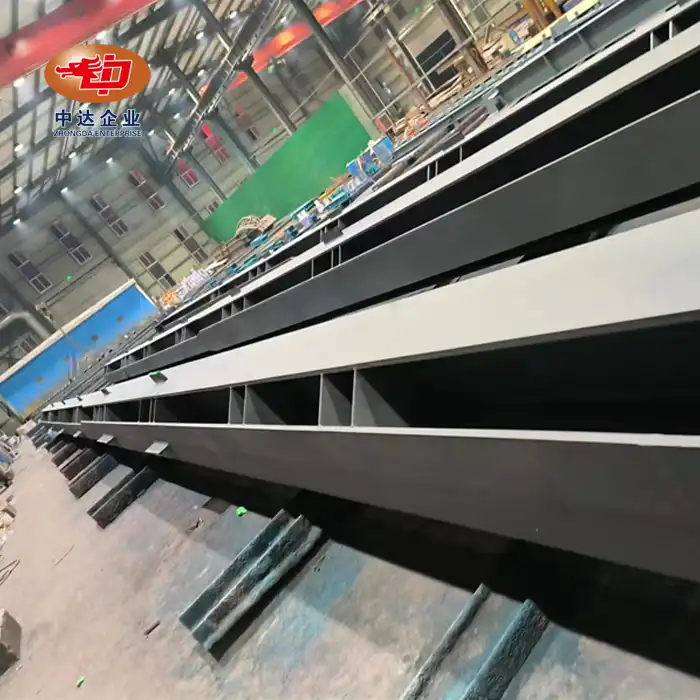
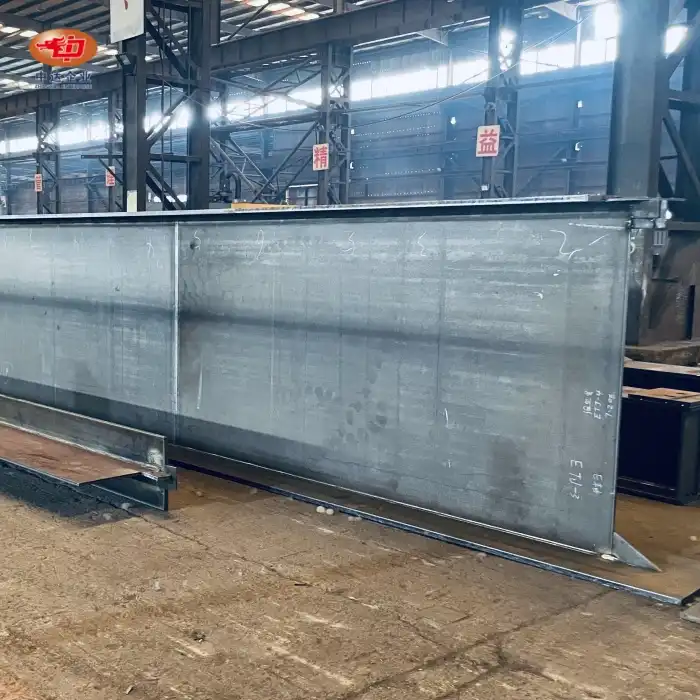
The main part of industrial warehouse steel buildings that hold weight is made up of hot-rolled steel members, which are usually made from Q355B or Q235B grade steel. Because they are made of H-section frames, wide-flange beams, and cold-formed purlins, these walls are strong and last a long time. Heavy store loads and high cranes can be put against these walls. The fact that the cloth is strong for how light it is is a big plus. In other words, spans longer than 40 meters can be made without any support pieces in the middle.
On the sides, the building is held up by big bracing networks and main parts like moment-resistant portal frames. On the top are secondary parts like C and Z purlins. Today, we use high-strength pins and careful soldering to put things together and make uniform structure systems that spread loads evenly across the framework.


Common Steel Structure Types for Warehouse Applications
These are the main types of steel frames used in buildings that have to hold a lot of weight:
- There are rigid frame buildings with one story and clear widths of up to 60 meters that are called portal frame systems. They work great for automatic systems that need big, clear floor spaces for storage and recovery.
- Space Truss Systems are three-dimensional truss systems that are made to spread loads out efficiently. They work well in buildings that use big ceiling cranes or need large, column-free areas that can hold a lot of weight.
- Multi-Bay Frame Structures: These are flexible steel frame systems made up of several bays that let building happen in stages and allow for future growth. They work especially well for distribution and shipping centers that expect their businesses to grow and their storage needs to change over time.
These plans for steel structure can help warehouse planners make the most of the space inside the building while still meeting practical needs like chillers, temperature control systems, and high-bay storage.
Key Benefits for Heavy Storage Applications
That's why putting steel structures in high-load places is useful for more than just building. When made right, steel frames can hold more than 15 kN/m² of weight, which is great. Also, they can keep their shape while trucks and other vehicles that are driven by computers move and load.
Compared to traditional concrete building, off-site prefabrication cuts the time it takes to finish a project by 30–50%. This makes it clear how this will help the building plan. The plant can make things quickly and correctly because it standardizes connection details and also makes steel and does building work like base work at the same time.
Steel houses are different from other types because they can get bigger over time. Without putting the building's safety at risk, warehouse owners can add more bays to make more space for storage, raise clear heights for high-bay systems, or add specialized equipment like overhead cranes.
Steel Structures vs. Alternative Materials: Making Informed Choices
Comprehensive Material Performance Analysis
When you choose building materials, you should give careful thought to how they work, how much they will cost over time, and how they will be used. Metal, reinforced concrete, and wood frame buildings are not as good as steel buildings in a number of important ways. In terms of load ability, building speed, and design freedom, there are clear benefits. The building works better because of all of these things.
However, concrete buildings are very strong and don't catch fire easily. However, they take a long time to dry, which makes projects take longer to finish. Because the stuff is heavy, it needs strong supports. It costs more to build and can't grow as much because of this. It can pull 10 times its own weight and is 10 times stronger than concrete. This lets the structure's parts be very thin, which saves space on the floor.
Metal frames made of recycled wood are better for the earth, but large shops need frames that can hold more weight. Most of the time, spread boundaries mean that 20 meters is the longest clear length. This means that there are poles inside that make it hard to store things and move things.
Steel Frame Advantages in Warehouse Construction
Steel structure frame systems are quick and easy to put together, which is great for the market because things need to be set up quickly. When projects are made off-site, the ground can be prepared and the building can be built at the same time. This makes the plans go much faster. The job will always be done on time, no matter what time of year it is, if you use weatherproof ways to put things together.
Because it is freely designed, it can be changed to fit the needs of different tasks. Over time, things like lowering the safe height, adding a crane runway, or automating the process can be done. Steel is strong and bendable enough to hold the moving loads of tools used for moving things around. It also keeps the building safe during earthquakes.
They can be taken out when big, clear holes are used to make the best use of room. This makes more net useful floor room available, which helps warehouse ideas work better. For automatic storage systems that need to keep the aisles clear and make sure the equipment is put away properly, this function is very useful.
Procurement and Supply Chain Insights for Steel Structures
Identifying Qualified Steel Structure Suppliers
To find the best service, you need to check out many things. One of these is their experience with delivering projects and their skills in making. When you're looking for a provider, make sure they follow international welding standards like AWS D1.1 and have factories that have the right tools for cutting and shaping.
It's clear that a business is meeting high standards when it gets approvals like AISC certification for steel makers and EN 1090 compliance for European markets. You can look at a supplier's past work by looking at projects that were about the same size, amount of difficulty, and performance needs. You can then be sure that their skills are right for certain building tasks.
You should know about the building rules in other countries, how to move big pieces of furniture, and how to get help with fitting if you want to sell your goods there. When someone has been selling for a while, they often stay in touch with people in their area. This makes it easier to plan projects and ship items.
Pricing Determinants and Cost Benchmarks
What you use will have a big effect on how much the job costs. For example, things can be made out of steels that are stronger, but they cost more. It is harder and costs more to make things that are customized, especially when it comes to links that aren't standard, finishes that aren't standard, or equipment supports that are built in.
Things that make fabrication more difficult are forms that are hard to shape correctly, the need for tight standards, and the need for special preparations like cutting or treating the surface. These things directly impact how much work needs to be done and what steps need to be taken to ensure quality while the item is being made.
A study of the market for steel structure shows that heavy-load building prices vary depending on where they are made, how much the supplies cost, how much the workers are paid, and the details of the job. If you know these standards, you can know how to spend your money wisely and check out sources before you buy.
Construction and Maintenance Strategies for Durable Steel Warehouses
Systematic Construction Process Management
Care must be taken to prepare the spot before a steel warehouse can be built there. This includes dealing with the utilities, doing geological tests, and making sure the base is built the way it should be. Anchor bolts that have already been put in the supports must perfectly fit steel links that have already been made. To do this right, you need to measure and check the quality very carefully.
A steel frame is put together in a planned way. First the columns are put in, then the main beams, and finally the smaller parts are put together. Before you use a crane to move things, you should make a plan to make sure everything goes well and on time. When links are being made, the quality control process checks that the nuts are strong, the welds are good, and the sizes are correct.
Part of quality assurance is making sure that the materials are approved, that the sizes don't vary too much, and that safety is checked at every stage of the building process. People who work there are safe, the job stays on schedule, and the building is safe.
Proactive Maintenance for Extended Service Life
In places where things are linked and water can gather, checks are done every so often to look for early signs of rust. Coatings that protect things from rust need to be checked and changed every so often. It is very important to do this in places with lots of poisons or water.
As part of fire resistance upkeep, the fire safety materials that were used are checked, exit paths are made clear, and the built-in fire control systems are tested. You can be sure that these steps will always be taken to stay safe and follow safety rules.
It's best to clean the steel structure often to get rid of acidic dirt and grime, fix any coats that are broken right away, and keep an eye on how it moves when it's working. You can find trends and the best times to get help if you keep track of repair jobs.
Technical Guidance and Compliance for Industrial Steel Structures
Engineering Standards and Design Methodologies
By following set rules for building steel structure, you can be sure that structures are safe and that the job is done right. It's very clear in the AISC 360 rules how to plan and build a steel building. Among the rules that shops can use are those about load combinations, how users should be built, and how to connect things.
To figure out loads, you need to think about both natural loads and dead loads. Natural loads are things like wind, earthquakes, and snow. Dead loads are things like building systems and structure parts. Things that are stored and tools are sources of live loads. You can be very sure of how buildings will react to complex loads when you use advanced structural analysis tools like ETABS or SAP2000.
Welding quality standards are set by the AWS D1.1 rules, which say how to plan, do, and check a weld. You can be sure that the link will still work even if the loads change, which happens a lot in a plant.
Seismic and Fire Resistance Considerations
You need to know how the ground moves in that area and set up the right tools to fight horizontal forces if you want to be ready for an earthquake. Steel can help break up energy during ground motion events because it is naturally bendable. This is useful in places where earthquakes happen often.
There are both passive and active ways to fight fires, such as sprinklers that are built into the building. Passive defense is made up of things that stop fires from spreading. There are fire safety ratings for buildings that depend on their height and how they are used. These ratings are required by building code.
There are many types of records that need to be kept, such as inspection reports, design formulas, and material licenses. These papers help everyone on the project work together better. They will also be very useful if we need to make changes or fix things in the future.
Conclusion
When it comes to high-load warehouses, industrial steel structure buildings are the best option because they offer the best mix of structural performance, construction efficiency, and operating freedom. Because the material is so strong for how light it is, it can support big clear spans that are necessary for modern shipping operations. It can also be built quickly using prefabrication methods. By carefully comparing different types of materials, buying them in a planned way, and following engineering standards, you can be sure that the project will be completed successfully, meet all operational needs, and provide long-term value by lasting longer and being able to be expanded in the future.
FAQ
How long do you think industrial steel building structures will last?
Well-built and well-kept steel warehouse buildings can last more than 50 years if they have the right finish that doesn't rust, like hot-dip galvanization. The system will work well for as long as it was meant to for as long as it is maintained. For example, the layer should be moved and the structure should be checked regularly.
How well do steel buildings hold up under big loads compared to concrete ones?
Steel buildings can hold more weight because they are strong for how heavy they are, and the qualities of the steel don't change over time. It is possible for buildings to be smaller and loads to be spread out more evenly when steel is used instead of concrete. This makes better use of warehouse space.
How long does it usually take to get a handmade steel building structure?
When they are made to order, steel building projects usually take 12 to 20 weeks to finish. Some things that can change this are how hard the job is, what needs to be made, and how busy the source is. When the base is built off-site, the main building can be built at the same time. When compared to the old way of doing things, this often speeds up the time it takes to finish a job.
Partner with Zhongda for Superior Steel Structure Solutions
It is the specialty of Zhongda Steel to provide top-notch industrial steel structure solutions designed for heavy-duty warehouse use. Our ISO 9001/14001/OHSAS 45001-certified building is 120,000 m² and can handle 60,000 tons of cargo every year. We use modern BIM-driven prefabrication and our own -60°C weathered steel technology. As a reliable steel structure maker with customers around the world, such as China Railway, CSCEC, and BMW, we offer full solutions, from the initial planning phase to post-installation support. Get in touch with Ava@zd-steels.com to look through our stock of steel structures for sale and learn how our top-notch planning can help you get the most out of your warehouse infrastructure investment.
References
American Institute of Steel Construction. "Specification for Structural Steel Buildings." AISC 360-16, Chicago, Illinois.
Chen, W.F. and Kim, S.E. "LRFD Steel Design Using Advanced Analysis." CRC Press, Industrial Engineering and Management Series.
Galambos, T.V. and Surovek, A.E. "Structural Stability of Steel: Concepts and Applications for Structural Engineers." John Wiley & Sons, Engineering Applications.
International Association of Bridge and Structural Engineering. "Steel Structures for Industrial Buildings: Design Guidelines and Best Practices." IABSE Technical Reports.
Salmon, C.G., Johnson, J.E., and Malhas, F.A. "Steel Structures: Design and Behavior." Pearson Education, Structural Engineering Series.
Tide, R.H. "Integrity of Structural Steel after Exposure to Fire." American Iron and Steel Institute, Research Report Series.
YOU MAY LIKE
_1756188318306.png "steel frame roof")
_副本_1753167843741.webp "Steel Deck Arch Bridge")