Innovations in Airport Steel Structure for Future Terminals
2026-07-17 16:46:57






A lot of changes are happening to airport facilities all the time, and the changes can be seen most clearly in the building of terminals. Airport steel structure solutions are a big change in how we build flight facilities. They go beyond the old, concrete-heavy methods and toward smart, sustainable, and efficient engineering frameworks. These new ideas solve important problems like longer building times, higher costs, and environmental issues, while also making the experience better for passengers and giving businesses more options. Using digital design tools, advanced materials, and prefabricated parts has changed what's possible in airport building, making structures that meet today's needs while also planning for tomorrow's.
The Evolution of Airport Steel Structures: From Traditional to Next-Gen Solutions
Understanding Historical Construction Limitations
The old way of building terminals relied on a lot of concrete and big steel frames that made the project very hard to complete. With these traditional methods, building often took longer than three years, which caused major problems with operations. Because these materials are heavy, they needed a lot of base work, which made the job much more complicated and used up a lot more resources. Environmental issues weren't always taken into account first, which led to buildings that weren't very flexible and left big carbon footprints that didn't meet today's standards for sustainability.
The Shift Toward Modular Prefabrication
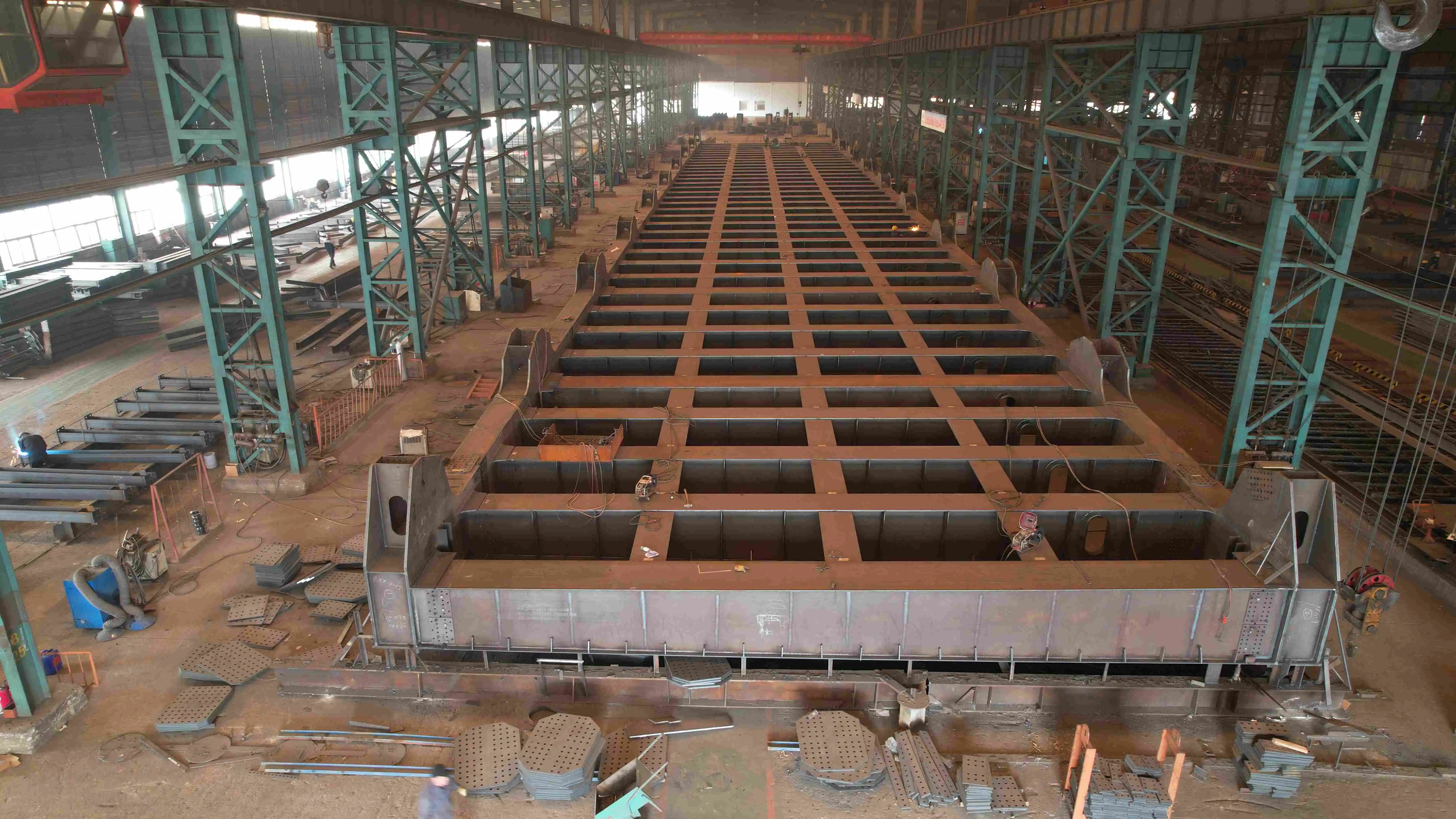
Recent airport projects have made flexible prefabrication an important part of their plans. This new way of building changes the way things are built by making structure parts in controlled factories and then moving them to job sites. When compared to traditional on-site fabrication, plant production cuts down on material waste by about 30 to 40 percent because of its accuracy. Our engineering team at Zhongda has seen building times cut in half using this way. This lets airports keep running while adding more space. The modular method also gives a lot of freedom for future additions, as it can adapt to changing patterns of passenger flow without having to completely remake the structure.
BIM Integration and Digital Design Excellence
Building Information Modeling (BIM) has changed the way engineers build airport steel structures. This technology makes it possible to see every part of a structure before it is built, which helps find potential problems and ways to make things better. When BIM is used for prefabrication, each steel part is made to exact specs, with tolerances kept within ±0.2mm. This level of accuracy makes assembly much faster on-site. Adding Computer-Aided Engineering (CAE) tools improves load analysis even more, making sure that buildings can handle a wide range of natural stresses, such as earthquakes, high wind speeds, and thermal expansion and contraction cycles, for the duration of their useful lives.
Climate Resilience and Load Capacity Optimization
Future airports will have to be able to handle more and more unpredictable weather while also being able to handle more and more passengers. Modern structural engineering uses full load selection methods that take into account dead loads (like structure weight and fixed equipment), live loads (like people moving around and working tasks), and natural loads (like wind, snow, and earthquakes). Choosing the right steel is very important. Grades like Q235 and Q355 have different mechanical qualities that make them better for different construction uses. Our weathering steel technology, which works in temperatures as low as -60°C, shows how material innovation can directly solve climate problems, keeping structures strong in a wide range of places, from the Arctic to the tropics.
Key Innovations Transforming Airport Steel Structure Design and Construction
Advanced Structural System Parameters
Modern terminal design requires a deep knowledge of how to tailor the features of a structural system to meet specific functional needs. Optimized column grid lengths and beam height-to-span ratios help frame structures make the most of open areas while keeping their load-bearing capacity. Truss structures, which are often used in large-span roof systems, need precise member arrangement and node design in order to spread forces evenly. Grid structures are becoming more and more common because they look good and work well as structures. To make sure they are stable, the grid measurements and rise height must be carefully chosen. These parameters aren't made up on the spot; they come from a thorough mechanical study that looks at all the different ways that loads could be applied to the building over its entire life.
Prefabricated Steel Systems and Construction Speed
The use of premade steel systems has completely changed how long it takes to finish a job. Parts that are made in controlled settings go through strict quality checks before they are delivered to the job site. This almost completely eliminates the need for rework that is common in traditional building. Once it took months to put together, it only takes weeks now, and special techniques for putting it together make sure that airport activities don't get messed up too much. Leading international airports have successfully increased the number of people who can use the terminals overnight by using these methods. This shows that prepared ways can work in real life. Because these systems can be expanded, projects can build in stages based on available funds and practical needs. This gives projects more financial freedom than traditional methods can offer.
Lightweight Alternatives and Lifecycle Cost Analysis
Lightweight options for airport steel structure projects offer big performance gains while lowering the need for foundations and the overall cost of the job. When you look at the total cost of ownership over a period of time, you can see that optimized steel buildings usually give you the best return on your investment. This is because they need less upkeep, last longer, and cost less to run. Optimizing the structural structure cuts down on the use of steel without lowering safety standards. This leads to cost savings that meet both performance and budget requirements. Designing for constructability further reduces the difficulty of installation, which saves money on building costs by cutting down on project times and worker needs.
Enhancing Safety and Durability: Innovations in Structural Engineering and Maintenance
Integrated Safety Features for Passenger Protection
Safety is the most important thing in terminal design, so many safety features have to work together. Structures can receive and release earthquake energy through seismic resistance mechanisms, which protects both people inside and important equipment. Fire protection treatments and planned compartmentalization stop the spread of fire, giving people more time to get out of the building. With impact avoidance techniques, you can be safe from accidents and bad weather. These safety features aren't added on top of the structure; they're built in through careful mechanical analysis and precise calculations that take into account all possible load combinations. This makes sure that the structure is reliable enough to withstand natural disasters and other unexpected events for as long as it's used.
Smart Monitoring and Proactive Maintenance
The use of smart tracking systems has caused a big change in the way structures are maintained. Sensors built into important parts of the structure constantly check for stress levels, deformation patterns, and weather conditions and send real-time information to management systems in a central location. This technology makes it possible to use predicted repair plans to find problems before they become major ones. Maintenance crews can plan their work for times when there aren't many people using the structure, which keeps passengers as comfortable as possible and increases its life. The information gathered over years of use is very helpful for improving future designs. This creates a cycle of ongoing growth that helps future terminal projects.
Innovative Erection Techniques
New ways of erecting airport steel structure components have made it easier to finish projects and kept airport operations running smoothly. Because of how the work is scheduled, airport growth can happen next to busy passenger areas without affecting safety or service quality. Working with building companies that specialize in airport infrastructure makes sure that projects get the most out of their experience and tried-and-true methods. These relationships provide turnkey solutions that deal with the special problems that come up in airports, where operations happen 24 hours a day, seven days a week, and security and customer comfort are important factors that don't come up in regular building projects.
Environmental and Economic Advantages of Next-Generation Airport Steel Structures
Sustainability Through Material Selection and Certification
By carefully choosing materials and making designs that work better, next-generation airport steel structures have a much smaller effect on the environment. Steel is naturally recyclable, and recycling rates around the world are above 90%. This makes it an important material for environmentally friendly building. More and more terminal projects are trying to get green building certifications like LEED, BREEAM, and Green Star. These show that they care about the environment and meet strict international standards. These approvals aren't just nice to have; they're the result of thorough planning processes that cut down on energy use, carbon emissions, and make spaces healthier for both passengers and staff. From what we've seen, sustainable design principles easily fit with economic goals, since energy-efficient buildings have lower running costs over their entire useful lives.
Economic Performance and Return on Investment
A thorough study of the economy shows that modern steel port buildings have strong benefits. Less maintenance needs, longer service life, and better operating efficiency all lead to lower lifetime costs. Several things must be taken into account when figuring out the return on investment: the speed of construction lowers the cost of financing and speeds up the production of revenue; the ability to adapt lets changes be made at a low cost as passenger needs change; and the durability of the structure lowers the cost of replacement and repair over many years of use. Case studies from international airports show that careful steel selection and turnkey solutions can always meet the strict operational needs of airports without going over budget or lowering quality. This provides the financial predictability that stakeholders value more and more in complex infrastructure projects.
Strategic Procurement and Partnership Value
For terminal projects to be successful, they need to work together with makers and suppliers who have a lot of knowledge. When global B2B clients work with well-known providers who know what the aviation system needs, they can get competitive buying efficiency. Offering a wide range of services, from initial design consultation to building support and long-term upkeep, makes projects run more smoothly and avoids missed deadlines and costly misunderstandings. Customized prices that are made to fit the exact needs of the project help the buying process by letting people accurately predict costs and allocate resources. Established sources keep large stocks of materials and the ability to produce a lot of them. This makes sure that schedules are kept, even for large-scale terminal improvements with tight due dates.
Selecting the Right Partner for Your Airport Steel Structure Projects
Evaluating Manufacturer Credentials and Experience
There are many things besides price that need to be carefully considered when choosing the right partner for airport steel structure building. A brand's image shows how reliable and skilled it is by showing how much experience and client happiness it has gained over time. Certifications like ISO 9001 for quality management, ISO 14001 for environmental management, and OHSAS 45001 for health and safety at work show a consistent dedication to excellence in all areas of operations. Geographic reach affects how projects are organized, how reliably materials are delivered, and how easy it is to get help after the sale. A manufacturer's collection of finished aviation projects shows how capable they are by showing that they have dealt with the rules, safety concerns, and operating limitations that are unique to airport settings.
Comprehensive Service Offerings and Technical Support
Top-tier providers give a wide range of services that go beyond just supplying materials. As part of the professional team support, there are experienced engineers who know both domestic and foreign design codes and standards and can provide specialized services for projects that need to follow a wide range of rules. Customized service options make sure that solutions are made to fit the needs of each project, whether they have unique design goals, specific functional needs, or tight budgets. Full-process service, from the initial planning stages to detailed design and technical help during the building phase, keeps the design purpose alive throughout the project execution and stops knowledge loss. At every stage of a project, responsive communication makes sure that questions are answered quickly and that requests for changes are carefully considered and quickly put into action.
Long-Term Partnership Benefits
Building long-term relationships with reputable companies in your field adds value to more than just one job. By working together on a regular basis, providers can really understand what the client wants, how they run their business, and their long-term goals. This lets them come up with better solutions for each new job. Suppliers keep technical paperwork and material specs up to date, which speeds up future engagements for clients who buy from the same suppliers. As relationships get stronger, it gets easier to use more advanced turnkey services, such as design-build methods that share responsibility and speed up delivery. In global airport markets that are very competitive and technically demanding, where execution certainty and plan stability often matter more than small cost differences in determining project success, these relationships bring the most value to the table.
Conclusion
New airport steel structure solutions that balance safety, ecology, and economic performance are key to the future of airport infrastructure. Modern airport building has moved past the limits of the past thanks to prefabrication, digital design integration, and new materials that can handle today's problems and anticipate tomorrow's needs. These improvements have measurable benefits, such as shorter building times, less damage to the environment, better safety for passengers, and strong lifecycle economics. To be successful in this very specific field, you need to work with makers who have a lot of knowledge, technical know-how, a wide range of service options, and a history of building aviation infrastructure. As air travel around the world continues to grow, platforms made with next-generation steel structures will give airports the adaptable, long-lasting, and effective buildings they need.
FAQ
What makes steel preferable to concrete for modern airport terminals?
Steel is stronger than most other materials its weight, so it can have longer gaps without columns, which makes the inside more flexible and able to adapt to changing operating needs. Prefabricated steel parts cut down on building time on-site by 40–50%, which keeps airport operations running as smoothly as possible. Steel can be recycled and has a smaller carbon footprint during production, which are both things that are becoming more important in flight building projects.
How do modern terminals achieve safety in seismic zones?
Modern building design uses flexible steel links and energy-dissipation systems to keep structures from moving too much during earthquakes. Computer modeling lets engineers figure out the best member sizes and link details by guessing how structures will behave in different earthquake situations. Regular checks on the structure's health find any stress buildup, making sure the terminal stays safe for as long as it's in use.
What timeline should we expect for terminal expansion projects?
When compared to traditional methods, prefabricated airport steel structure techniques usually cut the time it takes to build something by 30 to 50 percent. With optimized prefabrication, a terminal addition that might take 24 months with traditional building can often be finished in 12 to 15 months. The exact dates rely on the size of the project, the condition of the site, the approval processes of the government, and how well they work with the airport's current activities.
Partner with Zhongda for Your Next Airport Steel Structure Project
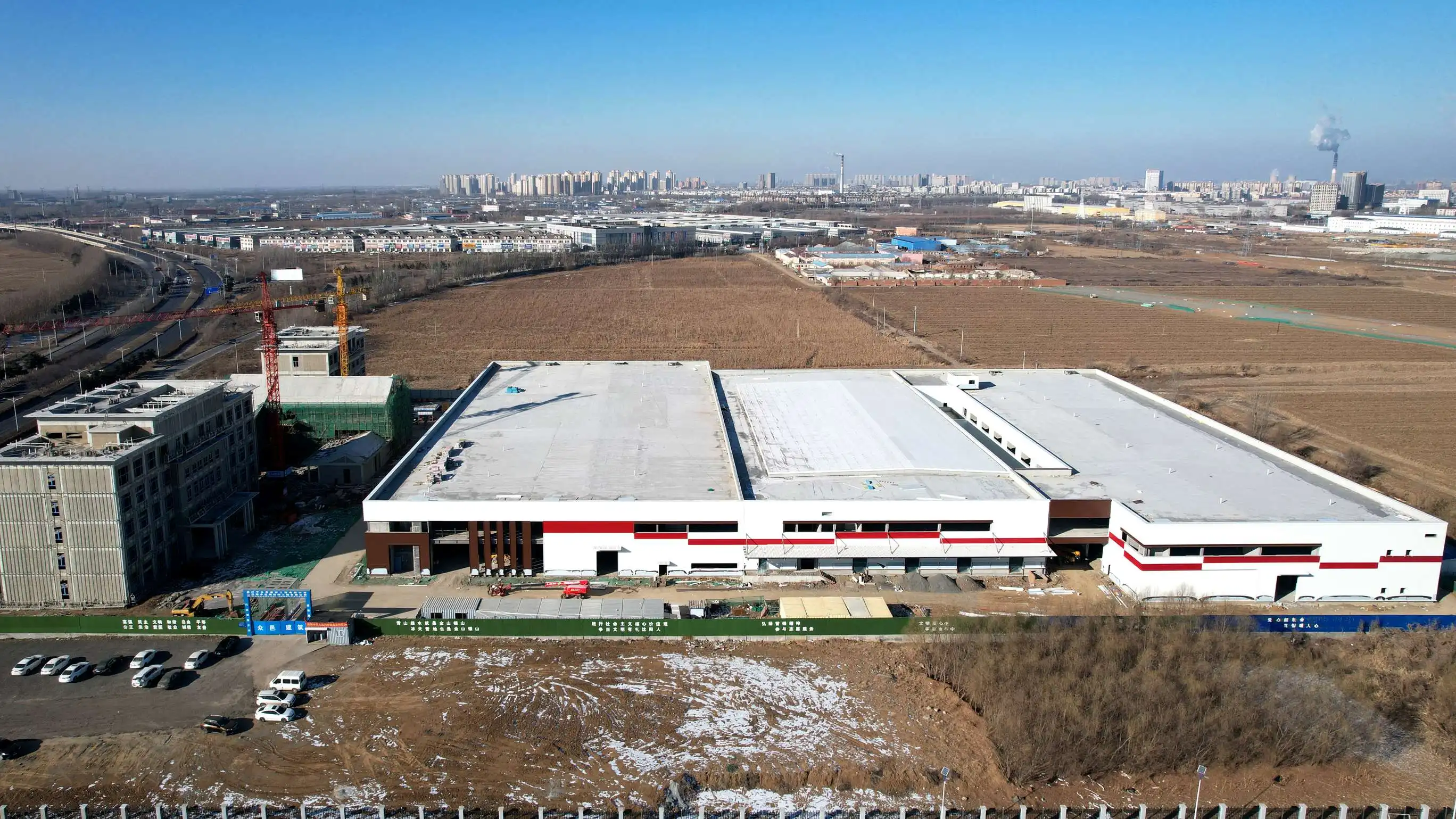
The infrastructure of your station should be designed by engineers with a lot of experience and a wide range of skills. Zhongda Steel was formed in 2004 with a First-Class Steel Structure Engineering Qualification. They have worked on flight projects all over the world for more than twenty years. Our new building is 120,000 m² and meets ISO 9001/14001/OHSAS 45001 and EN 1090 standards. It makes 60,000 tons of steel every year using BIM-driven prefabrication and -60°C weathered steel technology. We are a reliable seller of airport steel structures to China Railway, CSCEC, and customers in Russia, Australia, and Vietnam. We offer turnkey solutions that are tailored to your needs. Get in touch with our team at Ava@zd-steels.com to talk about how our custom design services and full-process support can help you make your terminal idea a reality.
References
Chen, Y., & Liu, H. (2022). "Sustainable Steel Structures in Modern Airport Terminal Design: A Comprehensive Review." Journal of Construction Engineering and Management, 148(7), 04022065.
International Air Transport Association. (2023). "Airport Development Reference Manual: Terminal Planning and Design Standards." IATA Publications, Montreal, Canada.
Smith, R. E., & Timberlake, J. (2021). "Prefabrication Architecture: A Guide to Modular Design and Construction in Aviation Infrastructure." John Wiley & Sons, Hoboken, New Jersey.
Zhang, W., Wang, F., & Chen, S. (2023). "BIM-Based Optimization of Steel Structure Design for Large-Span Airport Terminals." Automation in Construction, 147, 104725.
European Convention for Constructional Steelwork. (2022). "Design of Steel Structures in Aviation Facilities: Code of Practice." ECCS Technical Committee, Brussels, Belgium.
Kumar, A., & Patel, V. (2023). "Life Cycle Assessment and Economic Analysis of Steel versus Concrete in Airport Terminal Construction." Building and Environment, 229, 109943.
YOU MAY LIKE
_副本_1756187900835.jpg "steel column")
_1746242570299.webp "Large-Diameter Tunnel Boring Machine")