The Importance of Hygiene in Breeding Shed Steel Structures
2026-07-17 16:46:55






Good hygiene is essential for breeding businesses to be successful because it directly affects the health of the animals, their output, and the businesses' ability to make money in the long run. In modern farms and animal shelters, the breeding shed has changed from a simple cover to a complex piece of infrastructure designed to keep things clean while still being able to handle daily needs. Steel buildings have become the best choice for modern breeding facilities because they last a long time, are easy to clean, and don't break down biologically or environmentally.
At Shenyang Zhongda Steel Structure Engineering Co., Ltd., we've seen how good structure design and strict cleanliness rules can change the breeding results in farms around the world that raise chickens, pigs, milk, and fish. This complete guide talks about the major hygiene issues that B2B procurement pros have to deal with, as well as the best ways to maintain steel buildings, material differences, things to think about when buying, and real-life examples of procurement that worked. Our goal is to give people who make decisions useful information that will improve the performance of facilities and the well-being of animals while also giving a clear picture of the money that was spent.
Understanding Hygiene Challenges in Breeding Shed Steel Structures
Bacterial and Pathogen Accumulation on Metal Surfaces
Steel breeding centers have special cleaning problems because bacteria like to grow on metal surfaces. Germs that cause sickness, like Salmonella, E. coli and Campylobacter easily stick to tiny surface flaws that are made when welding and fabricating. The American Society of Agricultural and Biological Engineers released research that shows that steel surfaces that have not been treated can have bacterial populations greater than 10^6 CFU/cm² within 48 hours of normal breeding circumstances. This bacteria load directly affects the health of animals, the effectiveness of vaccines, and the success rates of breeding across species.
Corrosion, Rust, and Structural Integrity Concerns
Organic acids, ammonia from animal waste, and moisture all work together to make acidic conditions that break down steel faster. Rust not only weakens structures but also makes surfaces porous, which makes them almost impossible to clean properly. Welding joints, bolt connections, and surface flaws can collect contamination and keep germs alive even after standard cleaning procedures are done. According to the National Animal Health Monitoring System, 23% of disease cases in steel-framed animal facilities are caused by hygiene problems linked to corrosion. This shows how important it is to choose the right materials and apply protective coatings when buying things.
Environmental Factors Affecting Hygiene Management
When air systems don't work right, humidity levels rise above 70%. This causes condensation to form on steel surfaces and speeds up the growth of pathogens and the breakdown of materials. Changes in temperature make these problems worse by causing thermal bridging, which causes moisture to build up permanently at the points where structures are connected. When drainage isn't done right, dirty water can pool around support beams and foundation links, which is always a health risk. These environmental factors work together to make small cleanliness mistakes into facility-wide contamination events that can ruin breeding programs and cause big financial losses.
Best Practices for Maintaining Hygiene in Steel Breeding Sheds
Targeted Cleaning and Disinfection Protocols
Steel livestock buildings need cleaning methods that are specially made for metal surfaces in order to keep them clean, and this is particularly important for a breeding shed, where animal waste and moisture can accelerate corrosion if not managed properly. We suggest that high-touch areas be spot cleaned every day, and then the whole area should be sanitized once a week using quaternary ammonium compounds or hydrogen peroxide-based disinfectants, which kill bacteria effectively without speeding up rust. The cleaning should go from the top to the floor so that dirty water doesn't run into clean areas. During breaks in production, the whole building should be cleared out and cleaned thoroughly. This should include pressure washing at 1500 to 2000 PSI with the right chemicals, drying completely, and then using EPA-registered disinfectants.
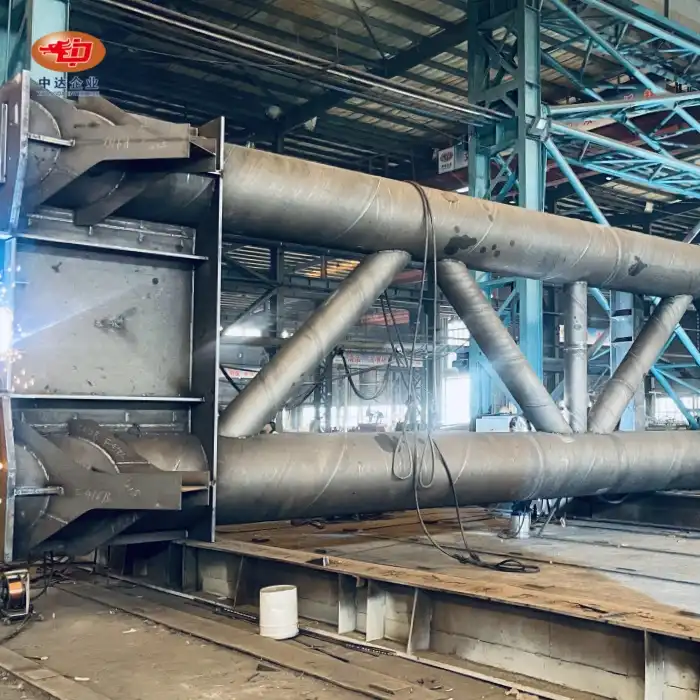
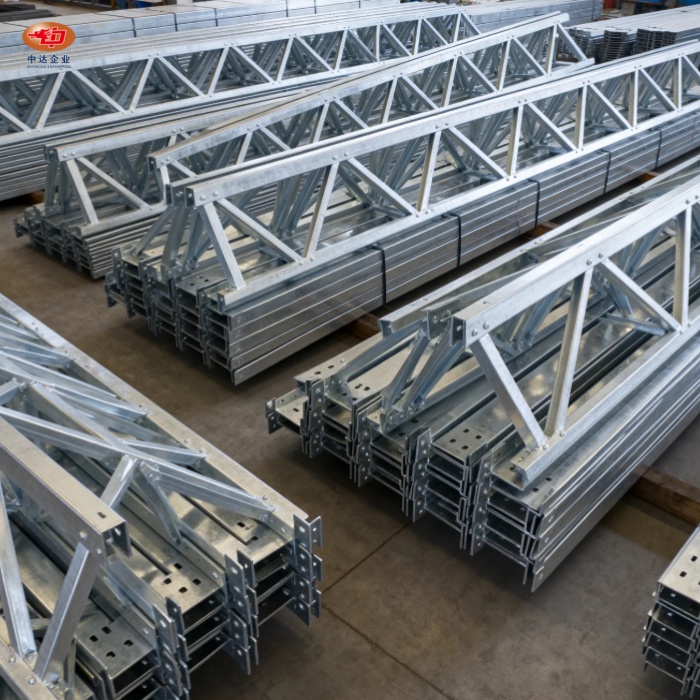
Zhongda makes shed roof steel trusses out of Q235 and Q345 steel. They have zinc finishes that don't break down when exposed to disinfectants, so the structure stays strong even after many rounds of cleaning. Our carefully designed connection methods reduce the number of cracks where organic matter can gather. This makes cleaning much easier and faster while also making cleanliness more effective.
Optimizing Ventilation and Environmental Controls
In breeding facilities, managing airflow correctly does two things: it gets rid of germs that are in the air and keeps wetness levels in check, which helps microbes grow. Depending on the number of plants, ventilation systems should change 8 to 12 tons of air every hour, keeping the relative humidity between 50 and 70% and the temperature right for each species. Negative pressure ventilation keeps dirty air out of clean areas, and carefully placed intake and exit fans make airflow patterns that keep pathogens from concentrating in dead zones.
Temperature control systems must keep conditions stable so that steel surfaces don't get wet. Insulated steel structures work much better than designs that aren't insulated because they reduce thermal bridges and condensation formation. Our steel trusses can be changed to fit different insulation systems and still keep the open, column-free interiors that are needed for good building management and movement.
Advanced Antimicrobial Technologies
Using antimicrobial surfaces and UV-C lighting systems along with regular cleaning adds more layers of germ control. Antimicrobial powder coats with silver or copper ions stop germs from growing on steel surfaces while they are being cleaned. Studies at major veterinary research institutions have shown that installing UV-C lighting systems in ventilation pipes and over high-risk areas disinfects the air and surfaces all the time, lowering the number of pathogens by 99.9%. These technologies work well with high-quality steel structures and improve safety without hurting the structure's performance or making upkeep more difficult.
Comparing Steel Breeding Sheds with Alternative Materials from a Hygiene Perspective
Steel Versus Traditional Wood Construction
Steel buildings are much better for cleanliness than wood-framed buildings. Because wood is porous, it provides many tiny homes for germs, fungi, and bugs that are hard to get rid of even with harsh cleaning methods. Wood also soaks up smells, wetness, and organic matter, making settings where pathogens can grow forever. On the other hand, steel that has been properly handled has non-porous areas that make it easier to clean and stop pathogens from growing.
Durability tests show that steel is cleaner in the long run, making it the superior choice for a breeding shed where sanitation must remain uncompromised over many production cycles. Chemical disinfectants speed up the breakdown of wood and create new places for germs to grow when they are used over and over again. Years of rigorous cleaning have no effect on the structural stability and surface health of steel buildings. When you think that wood doesn't last as long and has more disease-related loses, the difference in the initial investment gets a lot smaller.
Prefabricated Versus Site-Built Steel Structures
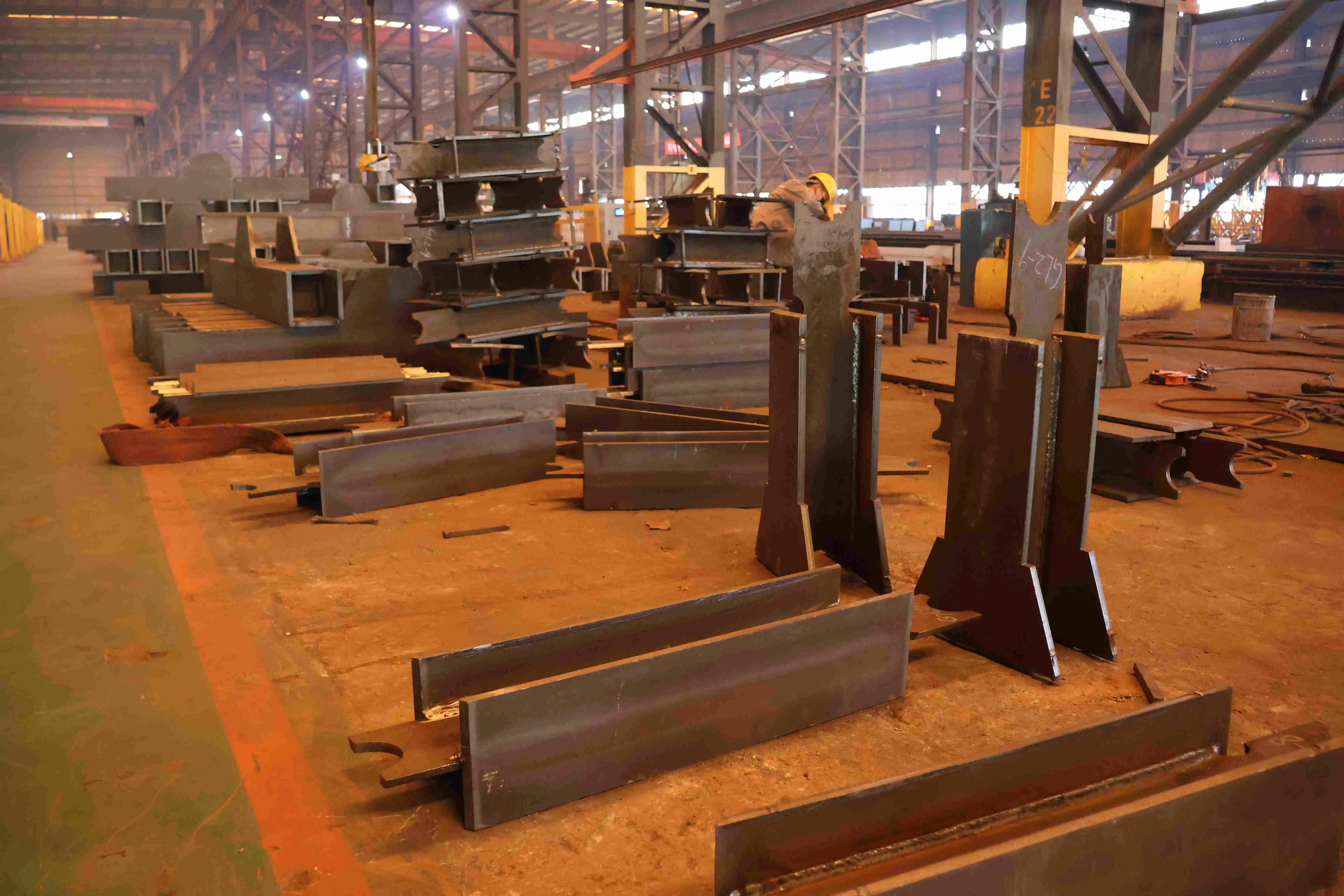
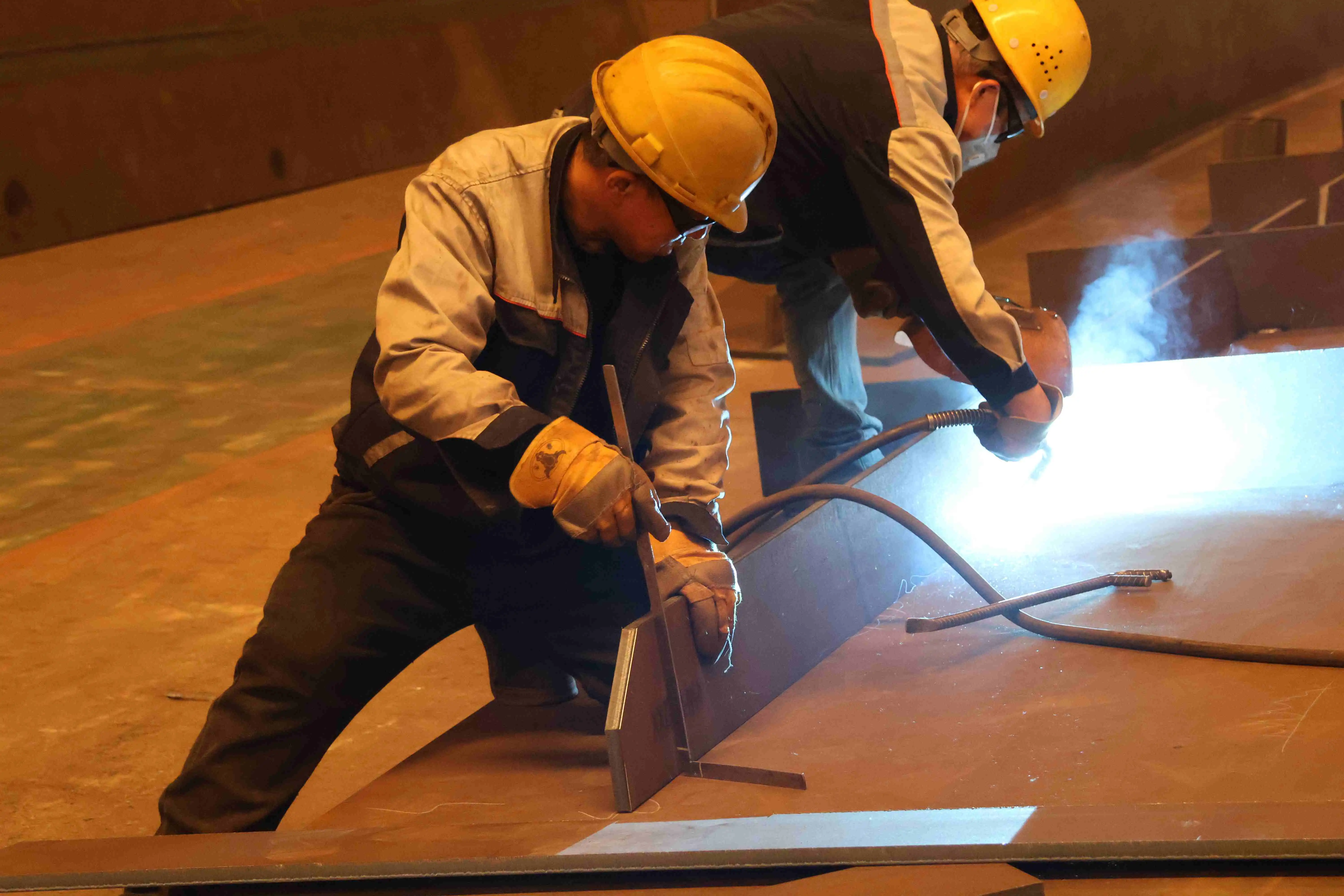
Companies like Zhongda make prefabricated steel parts in controlled workplace settings that meet higher hygiene standards than options that are made on-site. Our 120,000 m² plant uses BIM-driven precise manufacturing with ±0.2mm tolerances to make parts with smooth, uniform surfaces that are free of contamination from the field. Welding in a factory, where conditions are managed, makes parts that are cleaner and more consistent than welding on-site, where contaminants from the environment are present.
Quality control checks every step of the production process, from getting the steel to the final galvanization, to make sure that every part meets strict cleanliness standards before it is shipped. This level of accuracy in the factory directly leads to better long-term sanitation and easy cleaning in operating buildings.
Insulated Versus Non-Insulated Steel Systems
Insulation has a huge effect on how clean steel breeding sheds are. There is a big difference in temperature between the inside and outside of buildings that aren't insulated. This causes continuous condensation, which helps pathogens grow and speeds up rusting. Insulated systems keep the surface temperatures stable, which almost completely eliminates humidity and makes climate control work better.
When insulated steel structures are built correctly, they also stop thermal bridging at the connections between the structures, which is a frequent place for moisture to build up in poorly planned buildings. Our engineering team creates truss systems that can hold high-performance insulation while keeping the structure's efficiency and making it easy to clean thoroughly.
Procurement Considerations for Hygienic Steel Breeding Sheds
Vendor Evaluation and Certification Requirements
When choosing providers for farm steel structures, you need to look at a lot of factors besides price. Manufacturers with appropriate quality certifications, such as ISO 9001:2015 for quality management, ISO 14001 for environmental standards, and accreditations specific to the business, should be given priority. Zhongda has both an EN 1090 license and a First-Class Steel Structure Engineering Qualification from China's Ministry of Housing and Urban-Rural Development. This shows that we are committed to meeting foreign standards.
Make sure that the corrosion-protection technologies that possible providers use are suitable for use in agricultural settings. Our -60°C Weathering Steel Anti-corrosion Technology and multi-layer galvanization methods protect against the harsh chemicals in breeding facilities in a very good way. Ask for proof of the coating's thickness, its ability to stick to surfaces, and its performance under rapid weathering to make sure the stated resilience is real.
Long-Term Cost-Benefit Analysis
Hygienic steel structures may need more money up front than basic building options, but a full financial study shows that they have big benefits in the long run. Just lowering the number of diseases makes a big difference in savings—industry data shows that places with better cleanliness systems lose 40 to 60 percent less production due to illness. Return on investment is also increased by fewer repairs that need to be done, longer structure life, and better use of room.
Our shed roof steel trusses have lengths from 10 to 40 feet, so they make the most of the floor room you can use while reducing the number of support structures inside that can get dirty, an advantage that is especially valuable for a breeding shed where minimizing contamination points directly improves animal health and productivity. This optimization of space increases the amount of work that can be done per square foot while lowering the cost of labor for cleaning and taking care of animals. Quality steel buildings regularly provide better economic performance compared to other construction methods when looking at average 25–30 year facility lifespans.
Comprehensive Service and Support Considerations
For international business-to-business purchases, providers must offer full help throughout the entire project lifecycle. Check out sellers based on their ability to help with design, oversee installation, offer support programs, and provide responsive customer service after the sale. Our team of more than 100 engineers and technical workers offers unique design services that take into account the conditions at the site, government rules, and operational preferences.
We manage the whole job, from planning the logistics of shipping to overseeing the installation on-site and providing help with commissioning. We've worked on projects all over the world, from the Arctic in Russia to the tropical rainforests of Vietnam. This shows that we can change our methods to different environmental conditions while still meeting high quality standards. Technical help that is always available and new parts that are easy to find will make sure that your facility always has the best hygiene performance.
Case Studies: Successful Hygiene Management in Steel Breeding Sheds
European Poultry Operation Overcomes Contamination Challenges
A chicken breeding business with three locations in Northern Europe had to deal with repeated Campylobacter contamination that hurt production in all three buildings, which were built with a mix of materials. After a thorough evaluation, the operator teamed up with Zhongda to replace the troublesome wooden buildings with precision-engineered steel buildings that had better air systems and antimicrobial surface treatments.
Strict cleaning rules made just for the new steel infrastructure were put into place. These rules included disinfecting high-contact areas every day and the whole building once a week. The results were amazing. Within the first production cycle after building improvements, the rate of pathogen detection dropped by 87%. The death rate went down from 4.2% to 1.8%, and the feed exchange effectiveness went up by 6%. The owner said that the facility's investment was fully recouped within 42 months thanks to higher output standards and lower costs for medical care.
United States Livestock Facility Achieves Operational Excellence
A large-scale pig breeding business in the Midwest of the United States had problems with humidity that were caused by air and kept bacteria in older buildings. The company spent money on new steel-framed buildings with our special truss systems that were made to fit large ventilation equipment and cutting edge environmental control technology.
Automated climate control kept the right levels of temperature and humidity, UV-C air sanitization systems kept the air clean, and pressure-differential airflow kept pathogens from moving between production zones. The change was finished with full operator training on sanitation practices designed specifically for steel. As a result, lung diseases were 92% less common, average daily gains went up by 34%, and antibiotic use went down significantly, all of which were in line with animal care standards. The project's return on investment (ROI) was higher than expected; it paid for itself in less than four years, and it also helped the business's market place by getting better welfare ratings.
Conclusion
Cleanliness is an important part of breeding because it affects the health of the animals, their output, and the business's ability to make money, making every breeding shed a critical asset that demands careful design. When it comes to cleanliness, steel structures made for farming have areas that don't hold dirt, are resistant to rust, and are designed in a way that makes them easy to clean thoroughly. When you choose the right materials, apply the right protective treatments, and plan your building correctly, you can make places where strict hygiene standards are not just theoretical ideas but actually possible.
When making purchases, companies should give more weight to providers who can show they have quality approvals, tried-and-true corrosion-protection technologies, and full support services. Long-term economic benefits of hygienic steel infrastructure, such as fewer disease losses, lower upkeep needs, and longer working lifespans, always outweigh differences in beginning investment when looking at the whole lifetime of a facility.
FAQ
How often should steel breeding facilities undergo deep cleaning?
The amount of stocking, species, and production method that affect how often deep cleaning is done. Between each flock cycle, which is usually every 6 to 8 weeks, poultry buildings need to be thoroughly cleaned. Every three to four months, when the production groups switch, the pig farms gain from a full cleaning. During planned breaks in production, which happen about every six months, dairy plants need to be deep cleaned. To keep basic cleanliness standards, all species should have daily spot cleaning and weekly intermediate sanitization.
Which disinfectants are safe for steel surfaces?
When used at the amounts suggested by the maker, quaternary ammonium compounds, hydrogen peroxide-based products, and peracetic acid formulas clean steel well without causing corrosion. Stay away from chlorine bleach solutions and acidic cleaners that make steel surfaces rust faster. Always rinse well after using a cleaner and let it dry completely before putting animals back in.
How does insulation improve hygiene in steel breeding sheds?
Insulation keeps the surface temperatures of steel parts constant, which almost completely gets rid of condensation that helps pathogens grow and speeds up rusting. Buildings that are insulated also make temperature control work better, which saves money on energy costs and keeps the area healthy for animals. Controlling moisture and keeping temperatures fixed make it much harder for microbes to grow between cleaning processes. The combination of moisture control and stable temperatures substantially reduces microbial proliferation in insulated breeding sheds between cleaning cycles.
Partner with Zhongda for Superior Steel Breeding Shed Solutions
Zhongda Steel makes high-quality products for breeding sites that have to meet strict cleanliness standards. Our shed roof steel trusses are made from high-quality Q235 and Q345 steel and have improved corrosion protection. They provide a solid base for clean and efficient activities in poultry, pig, dairy, and aquaculture. As a seasoned maker of breeding sheds that sells to customers all over the world, we mix precise engineering with real-world agricultural knowledge to create custom solutions that meet your exact operational needs.
Our full service includes everything from the original plan consultation to ongoing technical support, which makes sure that your building always works at its best. Zhongda is the trusted partner your business needs. They have ISO 9001, 14001, and OHSAS 45001 certifications and have completed projects in harsh settings around the world. Email our team at Ava@zd-steels.com to talk about your breeding center needs and find out how our clean steel buildings can improve your business.
References
American Society of Agricultural and Biological Engineers. (2021). "Design and Construction Standards for Livestock Housing Facilities." ASABE Standards Engineering Practices Data, 68th Edition.
National Animal Health Monitoring System. (2022). "Infrastructure and Disease Prevention in Commercial Livestock Operations: A Comprehensive Analysis." United States Department of Agriculture Animal and Plant Health Inspection Service.
European Food Safety Authority. (2020). "Structural Hygiene Factors Influencing Pathogen Control in Poultry Production Facilities." EFSA Journal on Biological Hazards, Volume 18, Issue 7.
International Organization for Standardization. (2019). "Steel Structures for Agricultural Buildings: Material Requirements and Construction Standards." ISO 9001:2015 Technical Specifications.
Journal of Applied Poultry Research. (2023). "Comparative Analysis of Building Materials on Biosecurity and Pathogen Persistence in Commercial Breeding Facilities." Volume 32, Pages 245-261.
Agricultural Engineering International Commission. (2021). "Ventilation and Environmental Control Systems for Modern Livestock Housing: Best Practices and Implementation Guidelines." CIGR Handbook of Agricultural Engineering, Volume II.
_副本_1762415806774.jpg "hangar structure")
_副本_1762409954420_1788229249106.jpg "steel column design")
_副本_1760170327027.jpg "steel structural details")