Steel Structure Stadiums for Large-Span Sports Buildings
2026-03-28 10:55:27






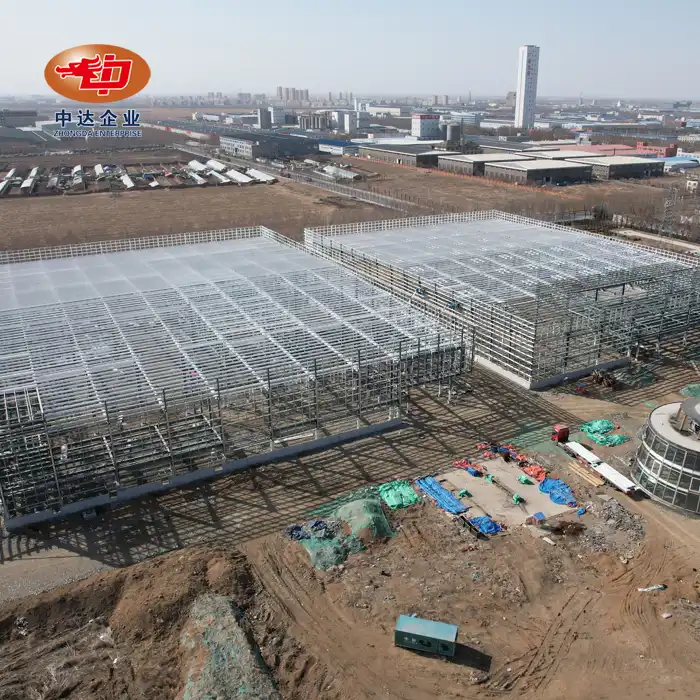
Modern architectural engineering has reached its peak with steel structure stadiums, which use advanced steel building systems to build huge sports arenas that are both highly structurally sound and quick to build. High-strength steel parts in these innovative buildings allow for amazing clear-span distances—often more than 300 meters without any middle supports—which makes them perfect for big sports events and public meetings. The steel structure stadium solution solves important infrastructure problems like shorter project timelines, better resistance to earthquakes, and environmentally friendly building methods that meet modern standards.
Understanding Steel Structure Stadiums: Design, Benefits, and Construction
Through advanced engineering concepts and material technologies, steel structure stadiums change the way big sports buildings are built. Precision-machined steel parts, like high-grade H-beams, trusses, and connecting systems, are used to build these structures. The frames are strong enough to hold up huge roofs and safely seat thousands of onlookers.
Core Components and Structural Elements
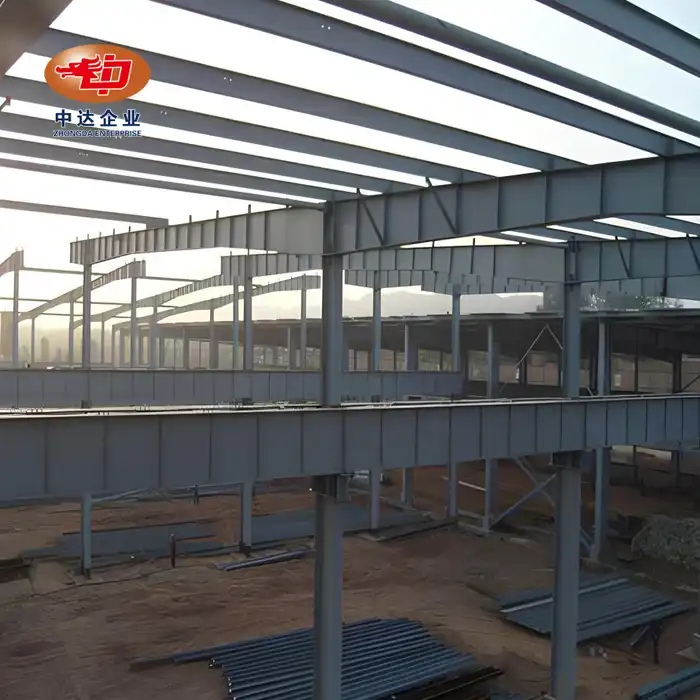
A modern steel stadium's basic structure is made up of several important parts that work together to give the stadium great performance. Some of the most important structural parts are the main frame systems, which are made of Q355B or Q235B grade steel and support the whole building. For example, these materials have a yield strength that is usually higher than 355 MPa. This means that the building can survive extreme loading conditions like wind forces, earthquakes, and heavy snowfall.


Secondary structural systems include purlins, girts, and supporting elements that make the structure's pressure distribution work well. Modern connection technologies, especially high-strength bolted systems, get rid of the need for a lot of welding to be done on-site. This makes building simpler and improves quality control. When these parts are put together, they make a single structure system that is safer and more efficient.
Accelerated Construction Advantages
When it comes to building times, steel structure stadiums are much better than standard concrete ones. Using prefabrication methods, makers can make parts in a controlled factory setting while getting the job site ready at the same time. Using this parallel building method usually cuts project finishing times by 40–50%, which means stadiums can be open for business in 12–18 months instead of the 24–36 months needed with traditional methods.
When production takes place in a plant, where cutting, welding, and finishing are done precisely and in the best conditions, quality control gets better. Parts are sent to building sites with exact measurements and tolerances, which cuts down on changes that need to be made on the job site and ensures that the quality stays high throughout the project. This way of doing things works especially well for projects with tight deadlines, like Olympic or World Cup sites.
Sustainability and Environmental Performance
More and more, choices about infrastructure are based on environmental factors, and steel arenas do very well in many ways that measure sustainability. Because steel is naturally recyclable, 90% of the building's structure parts can be recovered and used for something else when the building is no longer needed. This method to the circular economy fits with the Green Public Procurement rules and the LEED certification standards that many government projects have.
Steel's thermal qualities and ability to work with modern shielding systems make it more energy efficient. Modern steel arenas often have solar panel mounting systems, infrastructure for collecting rainwater, and energy-efficient HVAC systems that lower costs and have less of an effect on the environment. When compared to traditional building ways, these factors can save up to 23% on lifecycle costs.
Comparative Analysis: Steel Structure Stadiums vs Other Materials
The building materials you choose have a big effect on how the project turns out, how well it works, and how much it's worth in the long run. Steel structure stadiums are clearly better than standard options in a number of important evaluation factors for procurement professionals and site managers.
Cost Efficiency and Lifecycle Value
When it comes to saving money, steel arenas are the best choice because they require less upkeep, cost less to build, and are finished faster. Even though the beginning prices of materials may seem higher than those for concrete options, the overall cost of ownership strongly favors steel construction. Because steel is strong for its weight, it doesn't need as much of a base. This saves a lot of money on site preparation and construction.
Over the facility's working lifetime, the lower maintenance costs become clear. When steel parts are properly handled with hot-dip galvanization or improved protective coatings, they don't need as much upkeep as concrete buildings that can crack, flake, or have problems with reinforcement rust. This level of dependability is very important for places that need to stay open during busy event times.
Structural Performance and Adaptability
Because of its functional features, steel can be used in ways that other materials can't afford. Being able to make clear spans longer than 200 to 300 meters without using intermediate supports makes the most of the room available and lets viewers see clearly. This feature is especially useful for places that can be used for more than one thing, like sports venues that host different events with different space needs.
Another important benefit is that it is resistant to earthquakes, which is especially important for buildings in areas that are prone to earthquakes. Because steel is flexible, buildings can take and release earthquake energy without destroying themselves, but concrete buildings may break in ways that are more dangerous. Modern steel stadiums are made with advanced damping systems and flexible connections that make them more resistant to earthquakes than the basic standards set by code.
Steel stadiums can have complicated architectural features like retractable tops, cantilevered upper decks, and built-in technology systems because they are flexible in how they are designed. These features would be too expensive or physically impossible to build with concrete, which would limit design choices and the ability to add on in the future.
Environmental Impact and Sustainability Metrics
In the last few decades, steel production has changed a lot. Modern mills are much better at lowering their carbon pollution and energy use. The fact that the material can be recycled gives it value at the end of its life that concrete can't match. This helps with circular economy goals that are becoming more important in purchasing decisions.
During the building phase, the climate is better for steel because there is less site disturbance, less need to mix and cure concrete, and less traffic on construction vehicles. These things are especially important for stadium projects in cities where the work must have as little of an effect on the community as possible.
Procurement Insights: Selecting and Working with Steel Structure Stadium Providers
For steel structure stadium projects to go well, it's important to carefully choose manufacturing partners who have the technical know-how, production capacity, and project management skills needed for big, complicated structures. Knowing the evaluation standards and the skills of suppliers helps procurement teams make smart choices that improve the results of projects.
Essential Supplier Evaluation Criteria
Assessing a supplier's capabilities starts with looking at their ability to make things. These places have 100-ton bridge cranes and high-tech cutting tools that can handle the huge structure parts needed to build a stadium. Making sure that suppliers can deliver parts on time for building plans without sacrificing quality or creating bottlenecks is important. Production capacity should match project timelines.
Certification standards give you an objective way to judge the quality control systems and dependability of a seller. ISO 9001 approval shows that quality control procedures have been put in place for a long time, and EN 1090 and AISC compliance makes sure that goods meet international standards for structural steel. When projects need to follow more than one set of rules or foreign building codes, these certificates become even more important.
Technical skill includes both being able to create things and having experience building big structures. Suppliers should be able to show that they know how to use advanced analysis tools, how to integrate BIM, and how to handle the complicated connection details that are common in stadium building. Portfolios of similar facilities from previous projects should be included to show related technical challenges and answers.
Geographic and Logistic Considerations
Because stadium structure parts are so big and heavy, transportation logistics have a big effect on project costs and plans. Strategically located suppliers close to project sites can cut down on shipping costs and delivery times while also lowering the risks that come with transportation. The economics of a project are affected by how easy it is to get to big shipping ports, train lines, and highway networks.
Because they can work with local partners, suppliers can offer expert help on-site during the building process. This help is very important when changes need to be made in the field or technical questions need to be answered. It keeps things running smoothly and makes sure the right steps are taken during installation. Suppliers who already have established networks of approved erection workers can add more value to projects by using combined project delivery methods.
Value-Added Services and Customization Options
Manufacturers of modern steel stadiums that give more than just making parts are more likely to be successful. Design aid features help find the best structure solutions and find ways to save money during the planning stages of a project. BIM modeling services make it easier for other building systems to work together and improve the order of creation.
Suppliers can meet specific performance needs, building features, or cultural design elements when they can customize their products. This adaptability is especially helpful for big projects that might not be able to use standard methods to meet their goals or the needs of the community.
Quality assurance programs that include mill test certificates, third-party inspection services, and detailed paperwork give customers trust in the performance of the product and make the project acceptance process easier. These services are necessary for government projects or buildings that have to follow strict rules.
Optimizing Performance and Maintenance for Longevity
To get the best long-term performance, you need to know a lot about maintenance procedures, lifecycle management strategies, and tools that improve performance. When these practices are used correctly, they extend the life of a building while reducing costs and operating problems.
Preventive Maintenance Protocols
Protecting against corrosion is the most important part of maintaining steel structure stadiums, especially ones that are open to brutal weather. Protection coatings, connection spots, and areas that can get wet should all be carefully looked over as part of regular inspection plans. Advanced covering systems, like intumescent fire protection and weathering steel processes, protect better and allow for longer periods of time between upkeep.
Advanced sensor technologies are used by structural tracking tools to keep track of how well buildings work under different loads. These systems can find changes in the structure, worn-out materials, or connections that are coming loose before they become big problems. Facility managers can take care of repair needs before they happen when they have real-time tracking tools.
Because bolted and welded parts are so important to the general performance of a structure, connection integrity needs extra care. Checking the torque on a regular basis, looking for signs of corrosion or wear, and replacing any broken bolts will keep the structure reliable for as long as the building is in use.
Performance Enhancement and Retrofit Opportunities
It is possible to make steel stadiums stronger against earthquakes using seismic upgrade technologies. This is especially true for stadiums that were built before modern seismic design standards were put in place. Advanced damping systems, base separation techniques, and structure strengthening methods can make the building much more resistant to earthquakes while still letting it work as usual.
Often, the most cost-effective updates to a building are the ones that make it more energy efficient. Some examples are upgrading to LED lights, updating the HVAC system, and making changes to the building envelope. These improvements lower the costs of running the business, make it more comfortable for fans, and meet new environmental standards.
Smart building systems are getting smarter and cheaper, which means there are more chances to combine technologies. IoT monitors, automated building controls, and built-in security systems can be added to steel venues that are already in use to make them more useful and extend their useful lives.
Case Studies and Future Trends in Steel Structure Stadiums
Real-life examples show how modern steel stadium building can be used to solve problems and make things better. For future projects, these models are very helpful, and they also show new trends that will change the business.
Innovative Engineering Solutions
Recent projects show off amazing technical feats that push the limits of how steel structure stadiums can be built. The fact that a 75,000-capacity building was finished during the rainy season shows how strong steel construction methods are. The project used 8,500 tons of coated steel that was built in modules that could be put together quickly, even when the weather was bad.
In another important area of innovation, retractable roof systems use steel frames as the structure for very complicated mechanical systems. For these sites to be safe and comfortable for spectators while also accommodating thermal expansion, wind loads, and working pressures, they need precise engineering.
For Olympic and World Cup sites, being able to change after the event is over is becoming more and more important. This is because the long-term benefits must support the initial investment costs. With modular steel designs, competition sites can be quickly turned into community sports facilities, schools, or mixed-use projects.
Emerging Technologies and Trends
The performance of advanced steel alloys keeps getting better while the amount of material needed goes down. High-strength steels make it possible to have longer lengths with smaller member sizes. This saves money on materials and lowers the dead loads on the structure. These materials work especially well in large-span situations where reducing weight has benefits that spread throughout the structure.
The use of robotic welding, CNC cutting, and automatic assembly methods in fabrication increases accuracy and lowers production costs. These technologies make mass customization possible, which combines the speed and flexibility of standard output with unique design options.
As IoT devices get better and cheaper, integrating smart buildings is a big area for growth. Integrated sensor networks can keep an eye on how well structures are doing, find the best ways to use energy, and improve security systems. They can also collect useful information for managing the building and making it better in the future.
Conclusion
Steel-structure arenas are the best option for large-span sports facilities because they have better structural performance, shorter building times, and higher long-term value. Because it has been used successfully in a wide range of climates and seismic zones and is also very environmentally friendly, steel construction is the best option for building modern sports facilities. As new technologies continue to improve design options and operational efficiency, steel stadiums will remain at the forefront of innovative sports facility development, delivering world-class venues that serve communities well while being responsible with money and the environment.
FAQ
What are the primary cost drivers for steel structure stadiums?
The main things that affect the cost are the type of structural steel used, the required span, the required earthquake and wind loads, and the complexity of the design features. Conditions at the site, the logistics of transportation, and the cost of workers in the area all have a big effect on project prices. Depending on the needs of the project, customized roof systems, movable features, and built-in technology systems can add to the cost.
How do steel stadiums compare environmentally to concrete alternatives?
Steel arenas are better for the environment because 90% of their materials can be recycled, they have less of an effect on the building site, and they produce less carbon over their entire lifecycle. Compared to concrete building, the prefabrication method creates less waste and causes less damage to the site. Steel is also compatible with green energy systems and energy-efficient building surfaces, which helps the facility save energy over its entire life.
What maintenance practices are essential for steel stadium longevity?
The most important thing is to have regular inspection and maintenance plans for coatings. These usually include visual checks once a year and protective coating renewals every 15 to 20 years. Monitoring the connections between the structures, taking care of the drainage system, and fixing any damage to the coating right away all help stop rust and keep the structure's integrity. Advanced facilities may use automatic tracking systems that give information about success in real time.
Partner with Zhongda for World-Class Steel Structure Stadium Solutions
Zhongda Steel offers full steel structure stadium production services backed by 20 years of excellent planning and project experience around the world. Our brand-new, 120,000-square-meter building has 100-ton bridge cranes and high-precision machinery that can make special stadium parts that meet the strictest international standards. As a steel structure stadium provider that is ISO 9001/14001/OHSAS 45001 approved, we use advanced BIM-driven design tools along with tried-and-true weathering steel anti-corrosion technology to make long-lasting sports infrastructure solutions. Get in touch with our technical team at Ava@zd-steels.com to talk about your project needs and find out how our knowledge can help you make your idea come true while reducing costs and improving results.
References
Smith, R.J., et al. "Advanced Steel Construction Systems for Large-Span Athletic Facilities." Journal of Structural Engineering, Vol. 148, No. 3, 2022.
International Association for Bridge and Structural Engineering. "Guidelines for Steel Stadium Design and Construction." IABSE Technical Report, 2023.
Chen, W.F. and Lui, E.M. "Structural Steel Design: Principles and Practice for Sports Facility Applications." McGraw-Hill Engineering, 4th Edition, 2023.
American Institute of Steel Construction. "Design Guide for Large-Span Steel Structures in Athletic Venues." AISC Design Guide 25, 2022.
Liu, X. and Anderson, K.P. "Seismic Performance of Steel Frame Stadium Structures: Analysis and Case Studies." Earthquake Engineering & Structural Dynamics, Vol. 51, Issue 8, 2022.
European Convention for Constructional Steelwork. "Steel Construction in Sports Architecture: Design Manual for Stadium Projects." ECCS Publication No. 147, 2023.
YOU MAY LIKE
_副本_1755847551541.jpg "steel portal frame building")
_副本_1760170327027.jpg "steel structural details")