Sustainable Steel Stadiums Suppliers for Global Markets
2026-03-30 14:18:56






Zhongda Steel stands out as a reliable partner for global building projects when looking for sustainable steel stadium suppliers that care about the environment and do great work as engineers. Our steel stadium options are the most durable, flexible, and good for the environment, and they meet today's standards for sustainability. Our company has been around since 2004 and has become a top maker of precisely designed stadium structures that meet international quality standards like ISO 9001, EN 1090, and AISC compliance.
Advantages and Environmental Benefits of Steel Stadiums
Modern sports facilities need materials that are good for function and good for the earth. Steel stadiums are the most environmentally friendly buildings ever made, and they have many benefits that go beyond the benefits of traditional building methods. The natural qualities of steel make it possible for new designs to be made while still meeting strict environmental standards.
Superior Strength-to-Weight Performance
Steel arenas have great structure performance because they are very strong for their weight. Because of this basic benefit, builders and engineers can make spans up to 300 meters long without using supports in the middle. This lets onlookers see clearly. Because less material is needed, it costs less to move and has less of an effect on the building site.
Our steel stadium buildings can hold a lot of weight. They can stand up to wind speeds of more than 200 km/h and earthquakes up to VIII on the Mercalli scale. This strength makes sure that the structure will last for a long time and meet the strict safety standards of foreign sports venues.


Environmental Sustainability and Recyclability
In more than one way, steel building is better for the earth than other materials. Steel can be recycled 90% of the time, which creates possibilities for the circular economy that are in line with Green Public Procurement standards. When arena buildings reach the end of their useful lives, the materials still have a lot of value and can be used in new construction projects.
The benefits of using less energy last through the whole production and building processes. Over the past 20 years, improvements in steel production technologies have cut carbon pollution by 35%, and prefabrication techniques reduce the amount of trash that is made on-site. When compared to standard building methods, our BIM-driven industrial processes make the best use of materials and cut waste streams by up to 15%.
Cost-Efficiency Throughout Project Lifecycle
There are economic benefits to steel stadiums that become clear at different stages of a project. Timeliness saves money on initial building costs; most steel stadium projects are finished in 12 to 18 months, compared to 24 to 36 months for concrete ones. This 40 percent drop in time means big savings on financial costs and earlier chances to make money.
Throughout the structure's useful life, it will only need minor repairs. Hot-dip galvanizing processes that meet ISO 1461 standards protect against rust so that regular upkeep doesn't have to be done for decades. According to studies, steel stadiums save 23% more in total costs than concrete ones because they last longer and need less upkeep.
Steel Stadium Construction Process and Engineering Considerations
World-class steel stadiums need to be carefully planned, built, and coordinated by professionals who are experts in their fields. Our all-encompassing method combines cutting-edge engineering ideas with tried-and-true building techniques to produce outstanding outcomes within tight deadlines.
Advanced Planning and Design Integration
A thorough design combination that meets a wide range of functional needs while optimizing structural performance is the first step to a successful steel stadium project. Our engineering teams work with architects from the first idea to the final finish of a project to make sure that the structural solutions meet both the aesthetic vision and the operating needs.
BIM-driven design methods make it possible for all project areas to see things clearly and work together. This technology makes it easier to find possible problems early on while also improving the amount of materials used and the order in which they are made. This makes the project more predictable and lowers the chance of expensive delays in building or changes to the plan.
Precision Fabrication and Quality Control
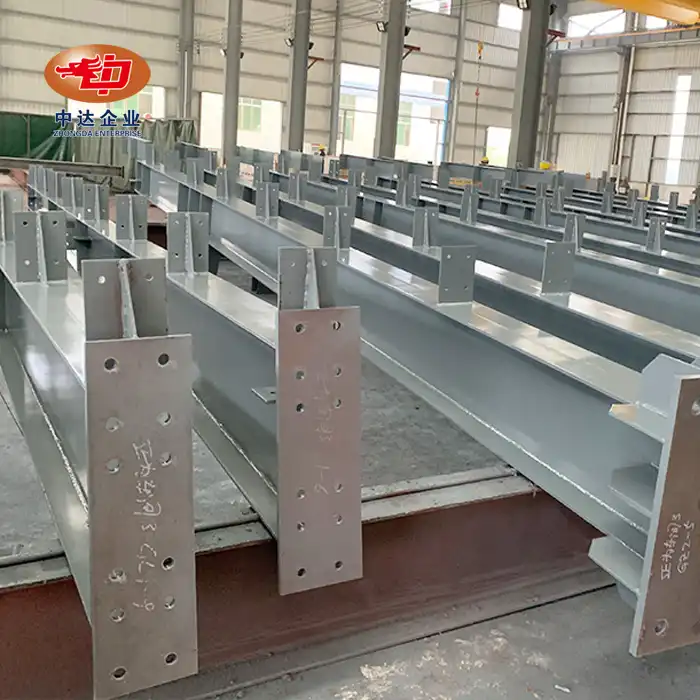
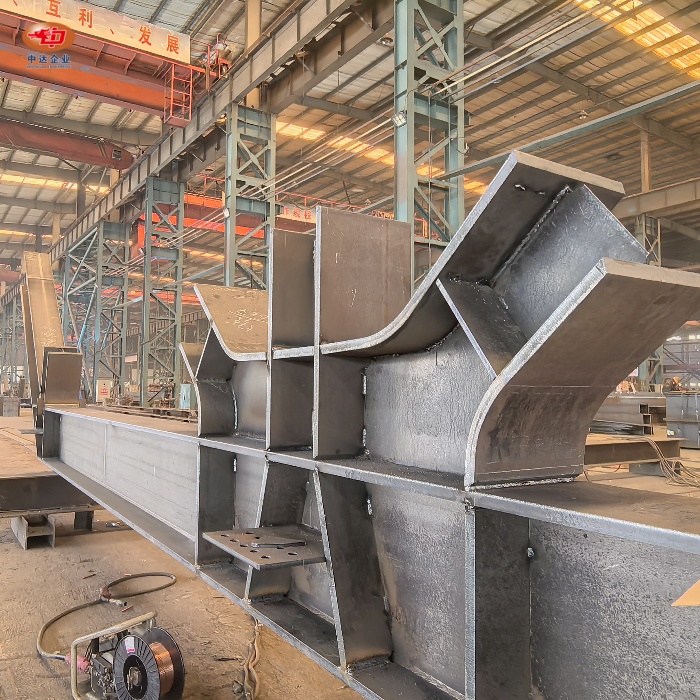
Our production plant is 120,000 square meters and uses the latest fabrication technologies to make special steel parts that are very accurate. For ultra-thick plate cutting jobs, 100-ton bridge cranes can move huge structural parts while keeping tight measurement standards of 0.2mm.
Protocols for quality testing make sure that every part meets strict international standards. All steel products are certified to ASTM A992 standards and come with full mill test records that make it easy to find their origins. Welding operations meet the standards set by EN 1090, and only qualified welders make important connections while being constantly supervised for quality.
Streamlined Assembly and Site Coordination
Modular prefabrication methods allow for quick and easy building on-site, which cuts down on construction time and site damage. Components come exactly made and ready to be installed, which cuts down on the need for welding in the field and delays caused by bad weather. Because of this organized method, big projects have been finished up to six months earlier than planned, even when the weather was bad.
Protocols for site planning make sure that all the different building trades can work together easily. Our project management teams stay in touch with general workers all the time. This makes it easier to coordinate work and avoids costly schedule issues. Advanced transportation planning makes sure that supplies of materials perfectly match the order of installations.
Comparison of Steel Stadiums with Alternative Building Materials
Knowing the pros and cons of each type of building material helps people make smart choices about big infrastructure projects. When measured against concrete and aluminum options, steel venues are clearly better in a number of performance areas.
Structural Performance Advantages
Steel's high strength makes it possible to build in ways that aren't possible with other materials. It becomes economically possible to build over a large area, providing column-free spaces that improve the viewing experience and allow for more operating freedom. The material's ability to bend makes it better at handling earthquakes, which is important for venues in areas that are prone to them.
Due to its lightweight nature, steel makes foundations much less necessary. Less dead weight means smaller footing systems, which lowers the cost of drilling and keeps the site as quiet as possible. This benefit is especially useful in cities where building access is limited or where the dirt is hard to work with.
Construction Timeline Benefits
When it comes to event-driven projects, speed of building is a huge plus. Prefabrication techniques make it possible to do production and site preparation at the same time, which speeds up the building of steel stadiums. The weather strength of steel parts keeps delays that are common when concrete needs to cure from happening.
Modular building methods give you more control over your plan, so you can adapt to changing project needs. Parts can be made while the site is being prepared, which speeds up the total project output. This time edge is often what makes a project possible at places where events have set due dates.
Long-term Economic Considerations
Total cost of ownership estimates always show that steel stadiums are better. The cost of materials at the start may change based on the market, but over time, the product will be more cost-effective because it will last longer and need less upkeep. When steel is properly handled with intumescent coatings, its fire protection makes insurance rates go down.
Long-term value is protected by the ability to adapt to future changes. Renovations and additions are easier to do on steel buildings than on concrete ones, so the venue can change as practical needs do. This adaptability keeps the value of assets high while meeting the changing wants of the community.
Procuring Sustainable Steel Stadium Materials from Zhongda
Zhongda Steel offers complete steel stadium options that are made to fit the needs of different projects in places around the world. Our integrated method blends precise manufacturing with expert engineering support to give infrastructure developers and building workers the best results possible.
Comprehensive Material Portfolio
We offer full structural systems for steel stadiums that are designed to work in current sports sites. For main structural parts, high-strength steel types work best, and special coatings make sure they last for a long time in harsh settings. Custom manufacturing lets you meet the special needs of your building and the conditions of the spot.
Weathering steel methods that have been shown to work at -60°C temperatures make sure that the steel will work reliably in a wide range of climates. This new type of metalworking is very resistant to rust and doesn't need to be maintained over time. This makes it perfect for stadiums near the coast or in industrial areas where other materials might break down quickly.
International Standards Compliance
Following strict worldwide standards that make sure safety and regularity of performance is the first step in quality assurance. Our manufacturing methods are ISO 9001 certified and have strict quality rules in place at all stages of production. Compliance with EN 1090 and AISC makes it possible to work together on global building projects while also meeting local rules.
Advanced intumescent coating technologies are used during the production process to achieve REI 120 ratings for fire protection. This treatment offers important safety performance while getting rid of the need for field application standards that could slow things down or lower the quality of the results.
Streamlined Procurement Experience
To support tight project schedules, our buying method puts a lot of emphasis on being open and efficient. Clear quotes spell out all the needs of the project, and our low prices show how well our factories work and how well we've optimized the global supply chain. Technical paperwork files include all the details that are needed to apply for permits and coordinate building.
The ability to send goods all over the world ensures a steady flow of materials no matter where the project is located. Our shipping network plans packages so that they arrive on time and at the lowest cost, all while meeting important project deadlines. Expert help is available at all stages of project development through value-added services like engineering advice and project teamwork.
Maintenance and Longevity of Steel Stadium Structures
The right upkeep plans protect the long-term value of an investment while maximizing the performance of a steel stadium. Facility managers can make cost-effective plans that protect structural integrity and operating safety over an extended service life by knowing what care is needed.
Proactive Inspection Programs
Schedules for regular inspections find repair needs before they become big, expensive problems. Checks that you can see look at features like connections, the state of the coating, and any signs of unusual wear or damage. Ultrasonic testing and tests done by drones are two examples of advanced inspection technologies that can be used to fully evaluate structures.
Systems that keep records of test results and maintenance tasks help find patterns in performance and make better plans for future maintenance. This method is based on data, which lets you use predictive repair plans that keep operations running smoothly while still meeting safety standards.
Corrosion Prevention Strategies
In most places, hot-dip galvanizing protects against rust and doesn't need any upkeep for 50 years or more. Periodic reviews check the state of the coating, and targeted touch-up applications fix small problems caused by building work or normal use. With the right draining system, water doesn't build up, which could hurt the coating's long-term performance.
Monitoring the environment helps make repair plans more effective by taking into account the real-life exposure circumstances. Places near the coast or in factories may need stronger defense, but installations in the middle of the country often last longer than imagined with little need for maintenance.
Economic Benefits of Proper Maintenance
Proactive maintenance programs make a lot of money because they extend the life of structures and lower the cost of emergency repairs. Studies show that yearly upkeep costs of 1% to 2% of the original cost of building can add decades to the life of a structure while keeping it safe and reliable.
Planning maintenance work for times when operations aren't busy saves money and keeps things running smoothly. Scheduled maintenance lets you buy things in bulk and work with specialized companies to get economies of scale that aren't possible with spontaneous maintenance.
Conclusion
Steel arenas are the best option for long-lasting sports facilities that provide both great performance and care for the environment. Recyclability, energy efficiency, and long-term durability all work together to give building owners and community partners strong benefits. It is possible for Zhongda Steel to help with every step of building a steel stadium, from the initial plan advice to the final construction support. Our history of completing world-class events on time and on budget shows that we are reliable, which is what big infrastructure projects need.
FAQ
What makes steel stadiums more sustainable than concrete alternatives?
Because steel can be recycled 90% of the time, it opens up possibilities for the circular economy that concrete can't. During its entire existence, the material keeps its value and can be used in new building projects. In the last few decades, steel production has cut carbon emissions by 35%, and technology progress is continuing to make industry more efficient.
Can Zhongda provide customized steel components for unique stadium designs?
Our 120,000-square-meter factory specializes in making things to order for architects with complicated needs. BIM-driven design methods make it possible to make exact, one-of-a-kind parts while still meeting high quality standards. Our engineering teams work directly with architects to find the best structure solutions for unique design features.
How do international delivery timelines vary for different regions?
Delivery times depend on the size of the job, where it needs to go, and how hard it is to get there. Our global supply chain usually gives us 8 to 12 weeks to get standard parts to you, while custom-made parts may take 12 to 16 weeks, which includes the time it takes to make them. We keep close track of project schedules to make sure that deliveries of materials happen on time and in line with building goals, no matter where they happen.
Partner with Zhongda for Your Next Steel Stadium Project
Zhongda Steel is ready to meet your needs as a steel stadium provider. They have the best production and technical knowledge in the business. Infrastructure workers all over the world choose us because we have a track record of getting difficult tasks done on time. Email our engineering team at Ava@zd-steels.com to talk about the needs of your project and find out how our environmentally friendly steel solutions can go above and beyond what you expect.
References
International Association for Sports and Leisure Facilities. "Sustainable Stadium Design Guidelines." Sports Facility Research, 2023.
World Steel Association. "Steel Construction Sustainability Report: Modern Sports Infrastructure." Global Steel Institute, 2022.
American Institute of Steel Construction. "Comparative Analysis of Stadium Construction Materials." Structural Engineering Review, 2023.
Green Building Council. "Environmental Impact Assessment of Major Sports Venues." Sustainable Construction Quarterly, 2022.
Stadium Managers Association. "Lifecycle Cost Analysis for Modern Sports Facilities." Facility Management International, 2023.
International Organization for Standardization. "Quality Standards for Steel Construction in Public Infrastructure." Global Standards Review, 2022.
YOU MAY LIKE
_副本_1760170327027.jpg "steel structural details")