The Advantages of Box Girder Beam in Bridge Engineering
2026-06-16 16:01:01






Modern infrastructure needs building materials that are strong, efficient, and last a long time. The steel box girder has become the technical answer to these needs, changing the way we build bridges on roads, rail lines, and public transit systems in cities. This closed-section structural element is perfect for long-span uses where standard I-beams don't work because it distributes loads very well and resists twisting. Civil engineers and procurement managers who want reliable, cost-effective solutions need to know about these benefits in order to deliver projects that work reliably for decades.
Understanding Steel Box Girder Beams in Bridge Engineering
At their core, steel box girders are a complex improvement in the way buildings are built. In contrast to open sections, these rectangular hollow parts make a closed cell by attaching the top and bottom flange plates to the vertical web plates. The design changes how forces move through the building in a big way.
Single-Cell and Multi-Cell Configurations
Engineers usually have to choose between single-cell designs for bridge decks with middling widths and multi-cell designs for decks that are bigger. Single-cell units make it easier to build and check, so they can be used for lengths up to 80 meters in normal traffic situations. Multi-cell designs spread loads more evenly across bigger cross-sections, which is why they are necessary for crossing major rivers and elevated expressways with deck lengths of more than 20 meters. The choice has a direct effect on the practicalities of building, the ease of upkeep, and the overall cost of the project.
Design Principles That Drive Performance
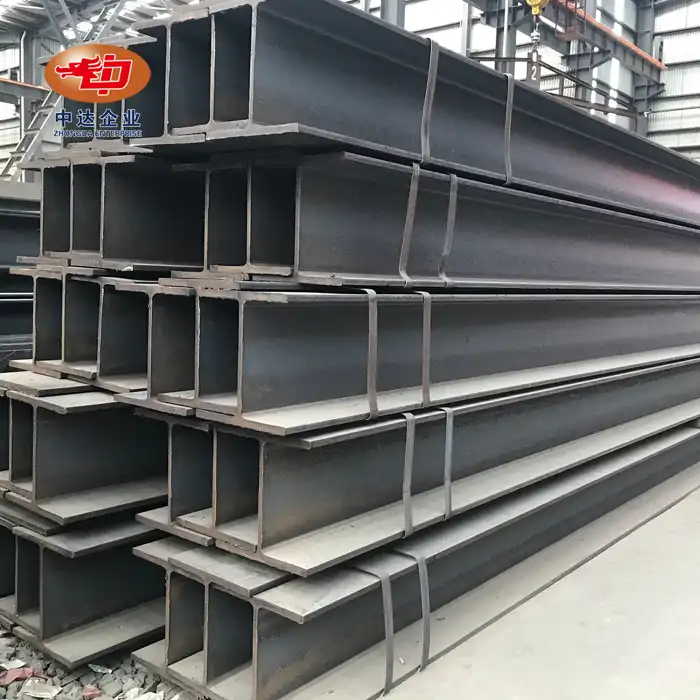
The way loads are distributed in box sections is very different from how loads are distributed in regular girders. The closed shape gives the structures a high rotational stiffness, which is often 200 to 300 times higher than similar I-sections. This means that they can fight bending forces on curvy lines without needing a lot of lateral support systems. In urban interchanges with straight bends and grade changes, this trait becomes very important. Specifications for materials balance the need for strength with the needs of manufacturing. High-strength metals like Q345D (yield strength ≥345 MPa) provide major structural capacity, while Q420D grade strengthens highly stressed connection zones and join sites.
Modern Fabrication Standards
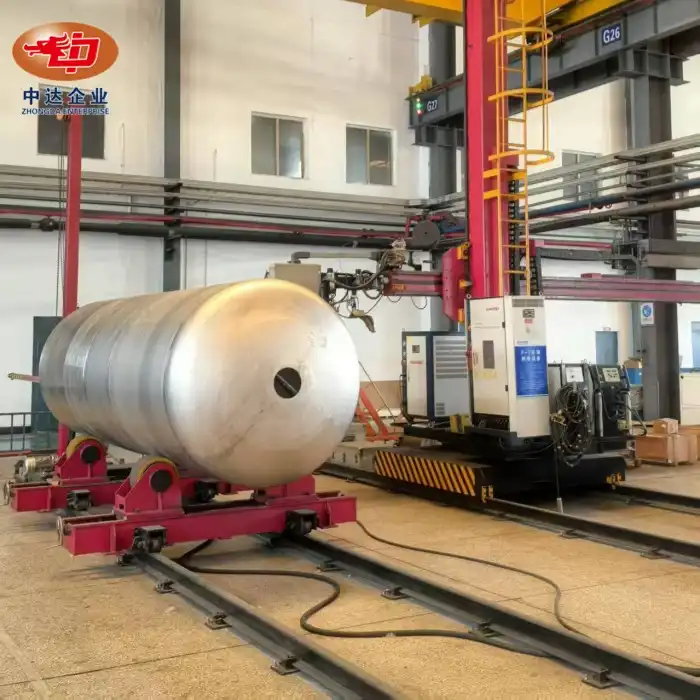
Good sellers can tell you apart from average ones by how well they make your goods. Precision automatic welding makes sure that the entry is uniform and reduces the amount of leftover stress that could cause fatigue cracks when the load is cycled. CNC ultra-thick plate cutting keeps margins within ±0.2mm, which is very important when pre-cambering parts to account for how much they will bend. Manufacturers with a good reputation make sure their processes are in line with EN 1090 structural execution standards and AWS D1.5 bridge welding codes. This allows for clear documentation that meets the strict third-party inspection standards needed by government agencies and foreign development banks.


Core Advantages of Steel Box Girder Beams for Bridges
Box section shape is technically better, which leads to real project benefits that last through the planning, building, and running phases. Knowing about these benefits helps everyone involved make smart choices that match technology success with real-world business needs.
Superior Load-Bearing Capacity and Structural Efficiency
The sealed shape makes the structure more efficient than solid options. When built correctly, a steel box girder is 30 to 40 percent stronger for its weight than a reinforced concrete box section of the same size. This benefit is stronger in areas prone to earthquakes, where less dead weight directly means less inertial forces during ground motion events. The shape effectively fights both vertical bending from traffic loads and horizontal forces from wind or seismic activity within a single combined piece. This gets rid of the need for extra support systems that make open-web designs harder to examine and maintain.
Design Flexibility for Complex Geometries
In modern times, transportation equipment doesn't usually run in straight, level lines. Variable-depth steel box girders, which can be as low as 1.25 meters at the abutments and as high as 8 meters in the middle of the span, make the best use of material distribution by focusing the depth of the structure where bending moments are highest. When compared to constant-depth options, this customization cuts weight by about 20%, which directly lowers base loads and the need for building tools. The closed torsion box can handle tight horizontal bends without the lateral instability problems that I-girder systems have. This makes it the best choice for urban flyovers where right-of-way restrictions require complicated three-dimensional arrangements.
Durability and Lifecycle Cost Advantages
The initial cost of building is only one part of the real economy of a project. When you combine hot-dip galvanizing with high-performance polyurethane topcoats, you get advanced rust protection systems that make things last longer than 30 years without any upkeep, even in tough naval or industrial settings. When properly designed with dehumidification features, the walled inner space stops the buildup of moisture that leads to early failure in buildings that don't have enough air flow. When steels are exposed to weather, they form stable metal patinas that mean they don't need to be painted at all. This means that they require 30% to 40% less upkeep over their lifetime than traditional protection systems. These long-term advantages are especially appealing to infrastructure owners who have to deal with backlogs of unfinished upkeep and tight budgets.
Comparison With Alternative Girder Types – Making the Best Choice
To choose the best structure systems, they need to be objectively evaluated across a number of performance factors. Because each type of frame has its own benefits in certain situations, broad statements about them are not helpful.
Steel Box Girders Versus Concrete Alternatives
Concrete steel box girders compete mainly on the cost of the raw materials when they are built in places where labor and aggregates are cheap. But the difference in building time—steel prefabrication usually cuts field assembly time by 50% compared to cast-in-place concrete—saves money in other ways, like by making traffic less of a problem and letting toll stations start making money sooner. When the span is longer than 120 meters, concrete's own weight makes it impossible to use without complicated post-tensioning systems. This is where steel parts come in handy. Seismic performance clearly benefits steel's ability to bend; the material absorbs energy through controlled bending rather than brittle fracture, which is especially helpful in areas with a lot of earthquakes, such as the Pacific Rim and the Mediterranean basin.
I-Beams and Tubular Girders: Understanding Trade-offs
Standard I-beams are good for short-span uses (less than 50 meters) where rotational stress is low and cost is the most important factor in the decision-making process. Their open webs make routing utilities easier, but they need a lot of cross-bracing, which makes analysis harder. Tubular circular sections look great for signature buildings, but they are hard to make because they have a lot of complicated joints and limited access on the inside. This means that they cost a lot more than regular box sections. The rectangular box shape is a good compromise between being torsionally rigid enough for bent alignments, easy to reach for internal checking, and simple enough to make on a large scale without breaking the bank.
Fabrication Method Impacts on Performance
Fully welded box construction makes load lines that go all the way through the structure without the stress that comes with fixed connections. This method works well for main structural parts that are loaded and unloaded over and over again, and it makes the wear life much longer than mixed welded-bolted designs. Field-bolted splice connections let premade pieces be moved within the legal weight limits while keeping the structure's integrity. When done right, high-strength friction-grip bolting has performance similar to bonded joints and has benefits in situations where work is happening quickly and traffic delays cost a lot of money. Instead of following strict rules, the choice of manufacturing method should be based on the limitations of shipping, the powers of the construction tools, and the needs of the project plan.
Procurement Considerations for Steel Box Girders
To make a purchase work, you need to pay attention to both the technical details and the business aspects. Managing the risks that come with the supply line is part of what procurement teams do.
Supplier Qualification and Quality Assurance
Different providers have very different levels of manufacturing ability. Automated thick-plate cutting systems and robotic welding cells make measurements more accurately than human methods, which cuts down on problems with fit-up in the field that slow down building plans. Third-party standards, like ISO 9001 for quality management, EN 1090 for building structures, and AWS certification for welding methods, are a fair way to make sure that a process works. Site checks that show organized material flow, standardized inspection equipment, and written tracking systems can tell the difference between makers who are qualified and those who pose unacceptable quality risks. Production capacity is important. Suppliers with a 60,000-ton annual capacity can handle big projects without putting smaller clients' supply plans at risk.
Commercial Factors Influencing Project Economics
The prices of materials change with the global steel market, so fixed-price plans are necessary to keep the budget stable. Estimates of lead times need to take into account how long it takes to get materials, how long it takes to make the parts, and how they will get to the site. For custom steel box girders, it usually takes 12 to 18 weeks from the time the plans are accepted to the time they are delivered. Sometimes, making a promise to buy a lot of something can get you better prices, but buyers have to weigh the costs of keeping goods against lower unit prices. Payment terms have a big effect on cash flow. Progressive payments tied to manufacturing goals spread out financial risk more widely than standard plans that load work on the front end. The total cost of purchase includes shipping within the country, special moving tools for parts that weigh more than 40 tons, and workers in the field for final assembly.
Integrated Services That Streamline Execution
Suppliers who offer full solutions, from basic design help to manufacturing, shipping, and expert support in the field, make it easier for project teams to work together at all stages. BIM-based design integration lets you find clashes before they happen, which saves you a lot of money on costly changes in the field. Custom engineering for different cross-sections, optimizing curved webs, and connection details that are made to fit specific building processes show that the provider can do more than just mass production. Manufacturers who keep field service teams on hand can quickly fix problems that come up during building, keeping key road plans safe. This unified method works especially well for EPC companies and government bodies that don't have their own specialized knowledge.
Environmental and Future Trends in Steel Box Girder Usage
Sustainability concerns are becoming more and more important when choosing materials for infrastructure. Steel's natural properties work well with new building technologies and changing environmental concerns.
Lifecycle Performance and Recyclability
Steel box girders follow the ideas of the circular economy because they can be recycled completely at the end of their useful life without losing any of their quality. This is very different from concrete, where recovering reinforcements takes a lot of energy and material is usually only reused for low value. New ways of making things, like using recycled scrap to make steel in an electric arc furnace, cut the amount of carbon that is used by 50 to 70% compared to the old way of using a blast furnace. When you add in the longer service life that current rust protection makes possible, the lifetime environmental picture gets better. Forward-thinking agencies now include environmental product statements in purchase papers and reward sellers who show that their products have a lower carbon content through open lifetime studies.
Resilience Under Extreme Conditions
Adapting to climate change requires building things that can stand up to weather events that get worse. Steel box girder designs work reliably in a wide range of temperatures. In the Arctic, where normal materials become weak at -60°C, bridges made of low-temperature steel types are used. The covered parts' aerodynamic shaping lowers wind drag coefficients, which makes them more stable during big storms that are becoming more common along the coast. Seismic resilience, which is achieved by flexible design that allows inelastic displacement without collapsing, saves investments in places that are prone to earthquakes. These qualities of resilience lower long-term costs for society by reducing the number of reconstructions and service interruptions.
Digital Design and Smart Infrastructure Integration
The way we plan, build, and manage bridge infrastructure is changing because of new technologies. Building Information Modeling tools allow structural engineers, builders, and erectors to work together on designs using unified digital models. This gets rid of the problem of different drawings that used to cause problems in the field. Sensors that are built into steel box girders during the manufacturing process allow real-time tracking of the structure's health. These sensors can find wear cracks or rust growth before they become unusable. Predictive maintenance programs that look at monitor data find the best time to make repairs, which increases the life of assets and lowers the cost of repairs.
Conclusion
For challenging bridge uses, steel box girder technology is a stable but always-evolving answer. When you combine better rotational stiffness with efficient material utilization and longer service life, you get a lot of value over the span of a project. Buying something should consider more than just the original cost. It should also consider how it will affect the building plan, how much upkeep it will need, and how long it will last. Project teams can fully enjoy these benefits when they work with qualified makers who offer advanced manufacturing skills, complete quality systems, and combined engineering support. As the world's infrastructure needs grow, box girder systems will continue to be an important part of making links that are stable and last for a long time.
FAQ
What makes steel box girders superior to concrete in bridge applications?
Steel box girders have better strength-to-weight ratios than reinforced concrete—usually 30–40% better—so they can support longer lengths with less weight on the base. Prefabrication cuts down on building times by about half, which means less traffic problems. Better earthquake performance comes from being able to absorb energy better, rather than breaking easily. In some markets, concrete may have lower starting material prices than steel. However, steel's lifetime benefits, such as faster deployment, lower upkeep, and full recyclability, often make it a better choice for challenging uses.
How long does fabrication and delivery typically require?
Standard steel box girder projects take 12 to 18 weeks from the start of basic planning to delivery on site. This schedule includes validating the design, getting the materials, making the product and inspecting it for quality, applying rust protection, and organizing the supplies. Timelines may be pushed back by 3 to 4 weeks for complicated projects with changing cross-sections or unique link details. Experienced providers keep an inventory of parts and a fluid production plan so they can meet urgent needs when the needs of a project require fast delivery to protect important building schedules.
What maintenance practices optimize service life?
Effective maintenance plans start with eye checks every two years that focus on link zones, draining holes, and the stability of the finish. Every five years, the inside cavities should be inspected to make sure the dehumidification system is working properly and to find any moisture problems that need to be fixed. Fixing small flaws in the coating stops rust from starting, and taking care of small problems right away keeps costs from going up as the damage gets worse. When properly installed, modern rust protection systems usually last 30 years or more without needing any repairs. Inspection records that are written down allow for forecast maintenance methods that choose the best time to intervene and economically extend the life of an object.
Partner With Zhongda for Your Next Bridge Infrastructure Project
Shenyang Zhongda Steel Structure technical offers custom steel box girder solutions backed by 20 years of technical excellence when your project needs performance that has been seen before. Our 120,000 m² factory uses high-tech machinery and strict quality standards (ISO 9001/14001/45001, EN 1090, and AWS approved) to make sure that every part meets the highest standards. As a reliable steel box girder seller, we've completed many important projects, such as the 18,000-ton Shenyang Dongta Cross-Hunhe River Bridge and many foreign infrastructure projects in Russia, Australia, and Southeast Asia. Our BIM-integrated design process, varying cross-section optimization (1.25-8m heights), and unique anti-corrosion technology help us finish projects 20–30% faster than the average in the business. Connect with our technical team at Ava@zd-steels.com to discuss how our 60,000-ton annual capacity and full engineering support can help you solve the problems you're having with your bridge project.
References
Chen, W.F., and Duan, L. (2014). Bridge Engineering Handbook: Superstructure Design. CRC Press, Boca Raton, Florida.
American Association of State Highway and Transportation Officials (2020). AASHTO LRFD Bridge Design Specifications, 9th Edition. Washington, D.C.
European Committee for Standardization (2006). Eurocode 3: Design of Steel Structures - Part 2: Steel Bridges. Brussels, Belgium.
Troitsky, M.S. (1990). Steel Box Girder Bridges: Design Guides and Method. Van Nostrand Reinhold, New York.
Menn, C. (1990). Prestressed Concrete Bridges. Birkhäuser Verlag, Basel, Switzerland. (Comparative analysis chapter on steel versus concrete box girders).
Xanthakos, P.P. (1994). Theory and Design of Bridges. John Wiley & Sons, New York. (Chapter 12: Steel Box Girder Analysis and Design).
YOU MAY LIKE
_副本_1753167843741.webp "Steel Deck Arch Bridge")
_副本_1754115287719.jpg "Galvanized Steel Column")
_1746262121950.webp "Floating Platform Pontoon Module")