5 Common Applications of Cross Columns in Structural Engineering
2026-06-15 14:22:31






When thinking about structural stability in today's tough building market, cross columns stand out as a game-changing way to solve tough engineering problems. With their uniform cross-shaped shapes, these special structural members offer similar stiffness across multiple directions, which is something that regular H-beams or I-beams can't do. From what we've seen at Zhongda Steel, these parts solve some of the most important problems: biaxial bending limits, optimizing room in high-end business buildings, and making multidirectional beam links easier. Knowing where and why to use these columns is the difference between projects that go well and ones that need expensive redesigns.
Enhancing Load-Bearing Capacity with Cross Columns
Superior Load Distribution in Multi-Story Frameworks
Cross columns are better than other types of columns because they can handle mixed loading situations that are hard for other types of columns. Standard wide-flange sections are weak in certain directions, but the equal shape evenly spreads both vertical gravity loads and lateral wind forces. Precision double H-shaped welding is used to make these parts out of Q355B low-alloy steel. The flanges are 100–300 mm long and the webs are 6–25 mm wide. This design gets 40% higher horizontal stiffness compared to standard options. This directly means that the structure will move less under service loads.
Material Efficiency Through Advanced Design
More and more, engineering teams are realizing that optimal cross-sectional forms can lower the total amount of steel used without lowering safety standards. With the honeycomb beam hole design we use in our custom solutions, self-weight is cut by 20%. This means that procurement professionals can save about 10% on materials compared to box columns. Less dead weight means smaller supports, less earthquake mass, and lower shipping costs for the whole structure. We finished a regional distribution center job in the Midwest that showed these benefits: the budget for structural steel went down by a lot, but the building code-required load rates for big rack systems and roof snow buildup were still met.


Compatibility Across Structural Systems
When buying things, people need to think about how the parts will fit into the general structure of the building. It is easy for cross columns to work with steel moment frames, supported frame systems, and composite building methods. The four-directional flange arrangement lets beams connect without the need for complicated stiffener plates or the extra support that is usually needed when connecting to a normal column's weak axis. This makes project timelines longer, which is a good thing. Our standard sizes ship within 15 days, and special designs arrive in 25 days, which works with the tight building plans that general builders need.
Improving Seismic Resistance in Earthquake-Prone Areas
Energy Dissipation Through Symmetric Ductility
When earthquake engineering, the most important thing is to find parts that can bend and stretch without breaking under the weight of gravity. Because cross columns are balanced, their hysteretic behavior is the same no matter which way the ground moves. During cycle stress, both sides add equally to moment resistance. This keeps the area from breaking too soon, which happens with uneven forms. Our parts are made to EN 10025-4 standards and have CE approval, which means they meet strict European earthquake design rules that are starting to affect American building codes.
Integration with Lateral Force-Resisting Systems
When building in areas with a lot of earthquakes, structural engineers use these columns along with shear walls, chevron braces, and moment-resisting beam links to make two sets of load lines. When there is an earthquake, biaxial moments tend to gather at building corners and wall crossings, which is where the cross-shaped design fits easily. In California, we helped with a healthcare center project that needed instant occupancy rating, which is the strictest earthquake performance goal. The design team chose our cross columns to be used throughout the perimeter moment frame. These columns met the required strength and flexibility ratios, which were confirmed by nonlinear time-history analysis.
Material Certification and Quality Assurance
For seismic uses, strict tests and material tracking rules are needed. As part of our quality control process, we test full-penetration welds with ultrasound, look for surface cracks with magnetic particles, and do through-thickness stress tests to keep lamellar layers from breaking. These NDT methods are in line with AWS D1.1 and EN 1090 standards. They give government engineering companies the paperwork packages they need to get project approval. Charpy V-notch impact testing is done on the structural steel that is sent to bridge and rail transit projects at service temperatures to make sure it is tough enough for dynamic pressure conditions.
Minimizing Structural Deformation and Drift
Controlling Lateral Displacement in High-Rise Construction
Building rules set strict drift limits to protect non-structural parts, keep people comfortable, and stop P-delta problems. Cross columns have a higher moment of inertia, which directly lowers interstory drift when wind and earthquake forces act on them. We ran finite element models on a 35-story mixed-use tower and found that using cross columns instead of regular wide-flange members at key places cut down on maximum drift by 28% compared to the original design that used conventional wide-flange members. The design team was able to move forward with their preferred curtain wall system, which had very tight moving limits, because of this performance gain.
Long-Term Performance and Maintenance Benefits
When procurement teams look at lifetime costs, they know that less structure movement means less repair work needs to be done. Too much drift hurts exterior fittings, door frames, dividing walls, and mechanical pipes, which requires fixes that slow down work and lower profits. These problems are kept to a minimum over the life of the building thanks to the stiffness that improved column sections provide. Operators of industrial plants especially like this steadiness when dynamic loads are put on equipment that vibrates and high crane systems. Through decades of constant use, our sites in power plants and industrial buildings have shown that they work reliably.
Geometric Precision Through Advanced Fabrication
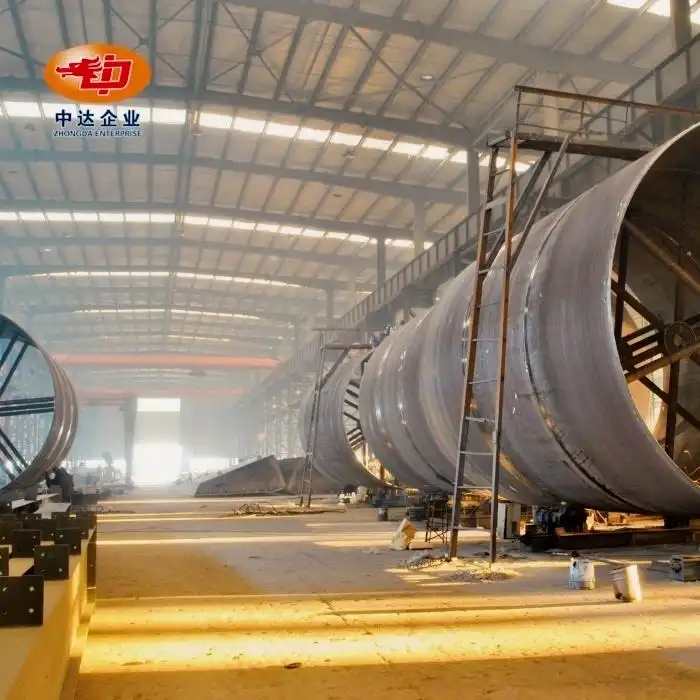
Tight measurement limits must be used during manufacturing to get the expected structure behavior. Our CNC cutting systems keep the differences in section depth and width to within ±2mm, and our automatic welding stations keep the straightness to within 1mm per meter of length. This level of accuracy makes sure that the columns get to the job site ready to be put up right away, without any changes that would slow down the project or lower the quality. Before shipping, laser scanning makes sure that the cross-shaped profile is orthogonally accurate. This keeps fit-up problems during steel erection from happening, which happens on projects with less strict manufacturing standards.
Facilitating Architectural Flexibility and Space Optimization
Open Floor Plans for Commercial Environments
Modern office buildings put a lot of emphasis on flexible internal plans that can be changed to meet the needs of different tenants. Cross columns placed at regular intervals support long-span floor systems while keeping internal obstructions to a minimum. The symmetrical shape fits perfectly with the locations of divider walls, making open leasing areas that rent for high prices. We built a company center in the Northeast with 45-foot beam lengths between columns. This made it possible to change the layout of open work areas and individual offices without making any changes to the structure.
Prefabrication and Modular Construction Advantages
Off-site manufacturing is being used more and more in the building business to cut down on time and improve quality control. Our BIM-driven design integration lets us model cross columns with exact link details. This creates manufacturing data that goes straight to CNC machines. This digital approach gets rid of mistakes in drawing interpretation and speeds up the approval process for shop drawings. The flexible shape allows for standard beam connections every 90 degrees, which supports panelized building systems used in shipping stores and distribution centers where speed-to-occupancy determines return on investment.
Coordination Between Design Intent and Supplier Capabilities
For buying to go well, engineering requirements and factory limits must be able to talk to each other clearly. During the quote process, our technical support team looks over the project needs and looks for ways to standardize things that will save money without sacrificing speed. Custom options are still available for times when the architecture or the load needs to be set up in a certain way. Our honeycomb hole choice makes long lengths lighter while keeping their twisting strength. This is a new idea that several design-build teams have used to meet tight budgets for industrial park projects.
Supporting Retrofitting and Structural Upgrades
Reinforcing Existing Structures Without Major Disruption
Many buildings need to be able to hold more people because they need to add more floors, move heavy equipment, or meet new building code requirements. Adding extra cross columns increases the building's vertical load capacity and horizontal stiffness with little effect on its current operations. The four-flange design lets new beam framing come from different directions, which lets the building be done in stages that don't affect business. We helped add upper office space to an existing high-bay building as part of a manufacturing plant update. Our columns shifted loads to the base while keeping production equipment and material handling systems clear.
Compatibility with Diverse Existing Materials
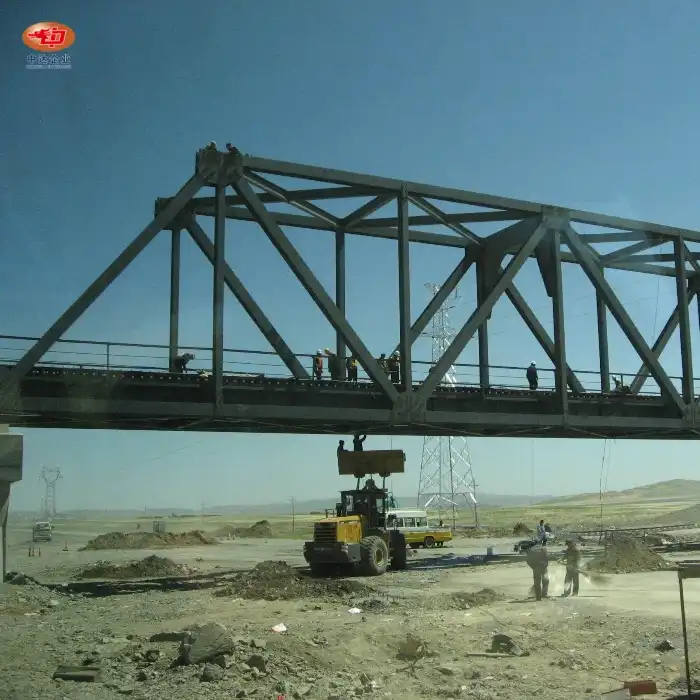
Most of the time, retrofit jobs connect new steel to older structural steel grades, concrete, or brickwork. Because cross columns are bonded together, the field connection details can be changed to fit the conditions of selective removal. Base plate shapes can be changed to fit different types of foundations, and cap plates give existing beams that are still in use a place to rest. This flexibility is very helpful for building projects that need to fix up old bridges or build support structures for industrial equipment that fit in with structures that were built decades ago.
Supplier Selection for Retrofit Applications
When purchasing professionals look at upgrade providers, they should give more weight to companies that show they have field engineering knowledge and quick technical help. Unexpected problems on a project often arise, necessitating quick changes to the design. This is a skill that sets experienced makers apart from providers of standard steel. As part of our project management process, we do site surveys, help with link design, and work with construction workers to make sure the installation goes smoothly. Our 70% client return rate shows that we are dedicated to finding solutions to the tricky issues that come up during repair and upgrade work.
Because of these benefits, properly designed retrofits are a cheaper option than tearing down and starting over. This method is especially helpful for government companies who are in charge of handling public building projects because it extends the useful life of assets while still meeting modern performance standards. Similar value has been seen in our work with clients in the mining industry—conveyor support structures and processing facilities get bigger so that output doesn't have to stop and big capital costs aren't needed for new building.
Conclusion
Cross column applications are used strategically to solve basic structural engineering problems in a wide range of project types. Their uniform shape gives them benefits like balanced load resistance, earthquake resilience, drift control, design freedom, and backwards compatibility that other forms can't match. When you make decisions about what to buy based on the features of the materials, the quality of the manufacturing, and the skills of the suppliers, the project benefits can be measured: less steel mass, shorter schedules, higher performance margins, and lower lifetime costs. As the need for building grows and performance standards rise, these specialty parts become necessary to build structures that are safe, effective, and cost-effective.
FAQ
How do fabrication costs compare to standard structural shapes?
Because they don't need internal diaphragms or special welding methods, cross columns usually cost 15 to 20 percent less than box columns. The double H-shaped form needs to be welded by a skilled professional, but it is still cheaper than hollow structure parts. Savings on materials and faster installation (about 30% faster than box options) often make up for the small increase in cost compared to standard wide-flange beams, resulting in favorable overall fixed costs.
What quality control measures ensure structural performance?
Reputable makers use thorough checking procedures that include ultrasound testing of important welds, magnetic particle examination for surface flaws, and laser scans for measuring purposes. Through-thickness stress testing shows that the qualities of the base metal stop lamellar ripping. Certification packages show that materials can be tracked, that they've been heat treated, and that they meet the quality standards set by AWS D1.1, EN 1090, and the project's unique criteria.
Can these columns accommodate concrete encasement?
The cross columns' open design works well with composite building, where the concrete shell makes the structure more fireproof and strong. Instead of empty parts that can't be filled, the cruciform shape lets the surrounding concrete mechanically connect, making Steel Reinforced Concrete columns that have the best of both materials. This method works especially well in high-rise buildings and other important buildings that need to have longer fire ratings without coats.
Partner with Zhongda for Your Structural Steel Requirements
For your most difficult projects, Zhongda Steel can meet all of your technical needs with their advanced cross column making skills. Our Q355B low-alloy steel parts have precise welding, honeycomb patterns that can be customized, and 40% more horizontal stiffness, which has been proven to improve performance in 60 major projects around the world. Every column meets international standards for EPC integration thanks to quality systems that are ISO-certified, EN 1090 compliance, and strict NDT procedures. Our expert team is available to help you from the design planning stage all the way through field installation, whether you need standard shapes shipped in 15 days or unique configurations within 25 days. Get in touch with our purchasing experts at Ava@zd-steels.com to talk about your structural steel needs. We turn engineering problems into competitive advantages for clients who demand dependability, innovation, and consistent quality as a reliable cross column provider to the building, infrastructure, energy, and industry sectors around the world.
References
American Institute of Steel Construction. (2017). Steel Construction Manual, 15th Edition. Chicago: AISC.
Bruneau, M., Uang, C.M., and Sabelli, R. (2011). Ductile Design of Steel Structures, 2nd Edition. New York: McGraw-Hill Professional.
European Committee for Standardization. (2005). Eurocode 3: Design of Steel Structures - Part 1-1: General Rules and Rules for Buildings. Brussels: CEN.
Geschwindner, L.F. (2012). Unified Design of Steel Structures, 2nd Edition. Hoboken: John Wiley & Sons.
Salmon, C.G., Johnson, J.E., and Malhas, F.A. (2009). Steel Structures: Design and Behavior, 5th Edition. Upper Saddle River: Pearson Education.
Structural Stability Research Council. (2010). Guide to Stability Design Criteria for Metal Structures, 6th Edition. Hoboken: John Wiley & Sons.
YOU MAY LIKE
_副本_1755847812558.jpg "building steel structure")
_副本_1762409363712_1788849278749.jpg "steel truss structure")
_副本_1758525876027.jpg "grid structures")