How to Estimate the Cost of a Steel Structure Stadium Project
2026-06-15 14:22:29






It takes a disciplined method that balances technical details with financial facts to figure out how much a steel structure stadium project will cost. It doesn't matter if you're planning a community sports center or a world-class place for international events; the success of your project depends on how well you understand how material choices, construction methods, and local factors affect your budget. A steel structure stadium gives you more design options and faster building than other options. But to get true cost estimates, you need to look at a lot of things, like how the workers will be used, how the rules will be followed, and how the stadium will be used over its lifetime. We break down the most important steps that engineers and procurement managers need to take to accurately predict costs and choose trustworthy partners in today's market.
Understanding the Components of Steel Structure Stadium Cost Estimation
To figure out how much a steel structure stadium will cost, you must first make a list of all the parts that will affect the expense. From the first planning stages to the final approval, each stage brings its own budget drivers that need to be carefully measured and distributed.
Primary Structural Elements and Material Costs
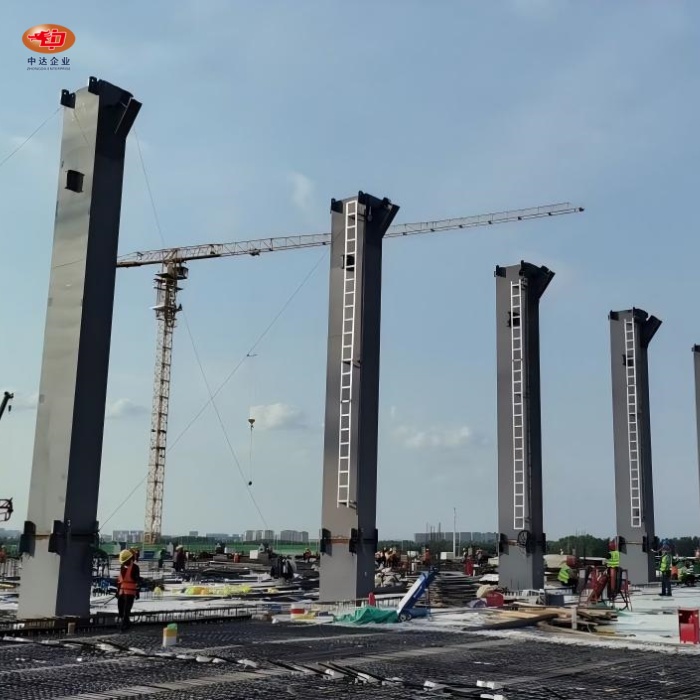
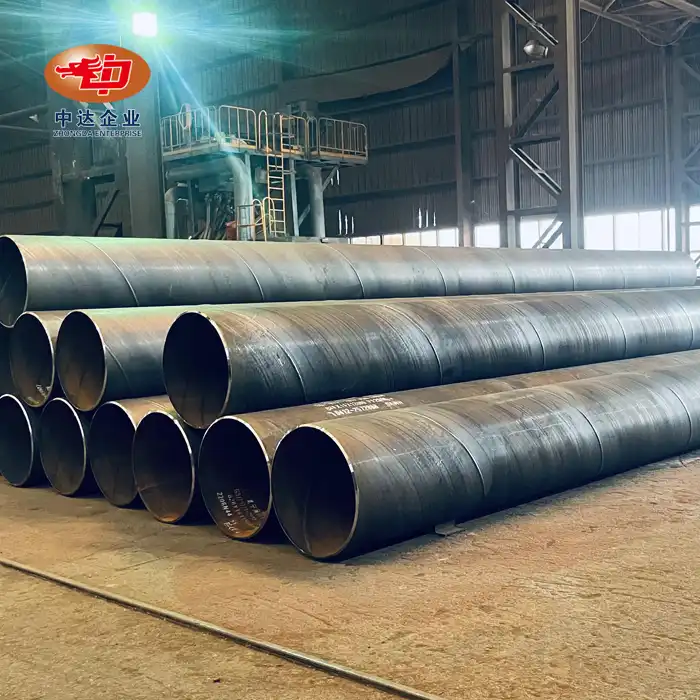
The cost of any stadium project is mostly made up of the load-bearing framework. Cantilevers, beams, and column systems are held together by high-strength steel types like Q355B or ASTM A992. The price of materials changes with the global steel market, and buying teams have to figure out how much mass they need based on span lengths and seat sizes. Depending on how complicated the building is, a venue with 50,000 seats usually needs between 6,000 and 9,000 tons of supporting steel. Roofing systems, like space frames, cable-stayed designs, or flexible beams, add a lot of weight and cost to the building process. Protecting against corrosion with hot-dip galvanizing or heavy-duty finishing methods costs more in materials but is necessary for long-term use in tough environments.
Secondary Systems and Auxiliary Infrastructure
Stadiums have a main frame, but they also have a lot of other features that add to the overall cost. Fans and players stay comfortable thanks to HVAC systems, and lighting rigs, scoreboards, and television equipment are powered by electrical networks. Building rules must be followed to the letter for fire safety systems like sprinklers and escape exits. Different types of facade solutions, like plastic panels and ETFE membrane systems, have effects on both how the building looks and how well it keeps heat in. Foundation engineering varies dramatically based on soil conditions and seismic requirements, with pile foundations or reinforced concrete bases representing major line items. Early on in the estimate process, procurement workers must organize these linked systems to make sure that design disagreements or specification gaps don't cause the budget to go over.
Labor Deployment and Regional Variations
The cost of construction work varies a lot across the United States. For example, in coastal cities, rates are higher than in country or Midwest areas. Skilled crane operators, welders, and riggers are all part of specialized trades whose supply and pay rates have a direct effect on budgets and plans. Fabrication work for premade parts is done in controlled factory settings that keep costs low and quality high. On-site building workers have to deal with delays caused by bad weather, problems with supplies, and safety rules that make things less predictable. To make accurate predictions about labor costs, estimators have to look at past area data as well as conditions specific to the job. Decisions about whether to hire union or non-union workers also affect project timelines and costs.


Step-by-Step Process to Estimate Steel Structure Stadium Costs
Conceptual designs for a steel structure stadium can be turned into accurate financial forecasts using a methodical approach. The way below helps buying teams make clear and accurate estimates at every stage of the process.
Conceptual Design and Preliminary Quantification
Start with architectural drawings and structural plans that show how many seats will be available, how the roof will be shaped, and any restrictions that the site may have. Get structure experts to figure out the basic steel mass by using standard load factors for wind pressure, snow pressure, and live loads. Set standard sizes for the main parts, like the main frame members, secondary purlins, roof beams, and tools for connecting them. To find the standard material levels per square meter of covered area, compare the scope of your project to similar-sized sites that have already been built. This early measurement sets a reasonable price range before the engineering gets more specific.
Material Selection and Supplier Engagement
Choosing the right steel grade means finding a mix between performance needs and cost limits. Even though higher-strength metals weigh less generally, they usually cost more. Get quotes from several steel mills and service centers, and be sure to ask about shipping times and how to pay. Choose between normal galvanizing and specialized systems like zinc-aluminum alloys based on how long you want the coating to last and how much you can spend on upkeep. Investing in better rust protection lowers lifetime costs for projects in marine or industrial areas that are prone to corrosion, even if the starting costs are higher. Transparent price from suppliers lets you accurately predict how much materials will cost and helps with value engineering talks.
Construction Method Analysis and Schedule Impact
Prefabrication strategies cut down on on-site work by a large amount and speed up plans, but they need upfront investments in manufacturing capacity and transportation. Field welding and quality risks are kept to a minimum with modular assembly methods, but they require exact control of dimensions and teamwork. Compare stick-built construction methods with panelized or volumetric prefabrication to see how they compare in terms of cost and schedule. Choosing the right crane and being able to get to the spot can affect how quickly and easily something is put up. Bigger equipment cuts down on cycle times but costs more to rent. Modeling different building processes will help you find the best mix between speed and cost for your project.
Lifecycle Costing and Operational Considerations
Full figures include not only building costs but also costs for running the business for decades. Steel stadiums don't need as much maintenance as concrete stadiums, but they do need to be inspected, painted, and connected properly on a regular basis, which costs money. Over the life of the venue, daily costs will be affected by energy performance, which is affected by outer design and HVAC efficiency. Having the ability to add on or change things after an event adds value, but it may take extra structure planning during the initial building. Find the net present value of different design situations to help you make business choices that will lead to the best long-term financial success.
Comparing Steel Structure Stadiums to Other Construction Materials in Cost Estimation
Choosing the right materials has a big impact on how much a steel structure stadium costs, how long it takes to build, and how it works. Knowing these differences helps you make decisions that are in line with the goals of all stakeholders.
Initial Capital Investment and Construction Speed
Steel building usually has higher initial material costs than regular reinforced concrete, but it saves a lot of money by cutting down on scheduling. Prefabricated steel parts come to the job site ready to be put together quickly, which cuts down on labor hours and lets multiple work streams run at the same time. A steel structure stadium usually gets finished 30–40% faster than a concrete one. This means that the stadium can start making money sooner and cost less to finance. Building with concrete takes a long time because of all the formwork, drying times, and steps that need to be done in a certain order. For places that have to stick to set event times or tight development plans, steel's faster speed makes up for its higher cost.
Durability, Maintenance, and Energy Performance
Steel is naturally flexible, which makes it more resistant to earthquakes. This means that buildings can receive earthquake energy without falling down in a big way. This performance edge is very important in areas with a lot of earthquakes, where the brittleness of concrete can be dangerous. When steel is properly protected, it usually takes 20 to 25 years between major repairs. On the other hand, concrete buildings need to be fixed often because of cracks, spalling, and rusting of the reinforcements. The exterior design, not the structure material, determines how energy efficient a building is. However, steel's lighter weight lowers base costs and lets buildings be oriented in more energy-efficient ways. Over the course of 50 years, steel structure stadiums often have lower total ownership costs, even though they take more money at the start.
Architectural Flexibility and Stakeholder Value
Steel makes it possible to use complicated geometric shapes, like wide cantilevers, asymmetrical roof profiles, and column-free internal volumes, that improve the viewing experience and make buildings stand out. These design options help host towns and organizations build their brand identities by making famous landmarks that bring in tourists and boost local pride. When building with concrete, lengths are limited and there are a lot of support beams that get in the way of sightlines and inner freedom. Another important difference is that steel buildings can be simply rearranged for other uses after the event. When reviewing bids, procurement teams need to look at both these nebulous benefits and the costs in order to get a full picture of the project's value.
How to Choose Reliable Steel Structure Stadium Suppliers and Contractors?
Choosing the right partners for manufacturing and building is just as important to the success of a steel structure stadium project as the technical planning. When evaluating a partner, doing your research saves your capital and makes sure you get good results.
Verification of Technical Capabilities and Certifications
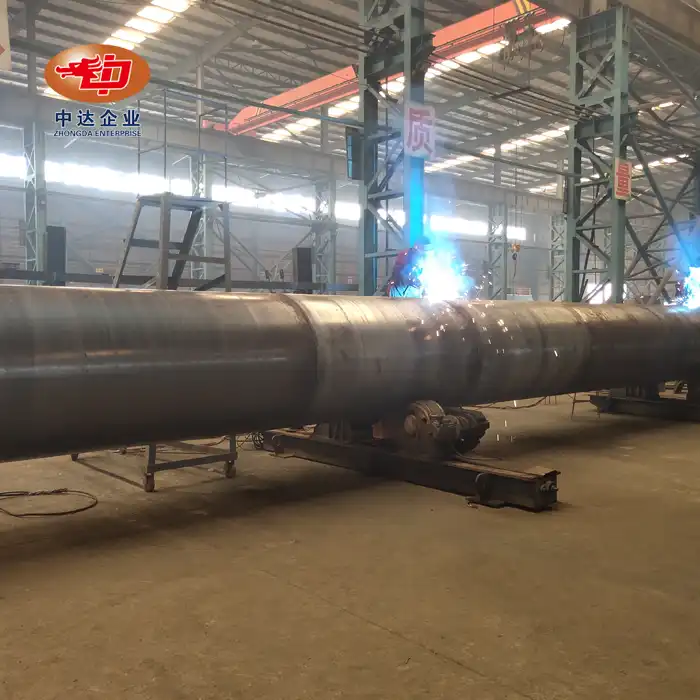
Ask for proof of ISO 9001 quality management certification and EN 1090 or AISC production skills that prove you know how to make things. Check out what the facility can do, such as the plate cutting limits, the qualifications for the welding process, and the non-destructive testing techniques. A company that has 100-ton bridge cranes and modern CNC plasma cutting shows that it can handle big jobs with tight accuracy. Ask for proof of past stadium or large-span projects, such as the amount of weight shipped, how well the plan worked, and client references. Suppliers who don't have this track record put mission-critical public assets at too high of a risk.
Pricing Transparency and Commercial Terms
Reliable partners give thorough estimates that show the prices of materials, work for manufacturing, finishing, and shipping. This openness lets people talk about value engineering and keeps secret markups or unclear allowances from happening. Know how payments are made, what the retainage rules are, and what the guarantee terms are before you agree. Good business terms keep quality rewards high while distributing risk fairly among all parties. Find out more about how to make change orders and what the increase terms are for when prices change for things that are important. Reliable sellers stick to their price policies and keep their promises, even when the market changes.
Post-Delivery Support and Long-Term Partnership Value
The connection goes beyond transport and setup; it also includes expert help during setup, handling problems in the field, and guarantee service. Manufacturers who offer detailed installation guides, on-site supervision, and quick responses to quality issues are very valuable. Check to see how much space they have for any possible renovations or expansions that might come up during the venue's lifetime. Suppliers who have worked on projects around the world can bring best practices and lessons learned that can help you with your own problems. Building long-term relationships with reliable manufacturers makes future projects easier and more consistent, which lowers risk and raises the quality of the results.
Case Study and Practical Tips for Cost Estimation Success
Real-life experience shows common mistakes and good methods that improve the accuracy of estimates for a steel structure stadium and the success of projects.
Analysis of a Completed Stadium Project
A new 75,000-seat venue in Southeast Asia was finished six months early, even though the monsoons made things difficult. This shows that the right planning and source selection were done. The project used 8,500 tons of hot-dip galvanizing structural steel and 280 meters of complex frame systems. The initial budget figures for material costs were based on past prices, but changes in the steel market in the middle of the project made it possible for costs to go over budget. During the bidding phase, the procurement team made price-lock deals with the maker to protect the budget from changes in the cost of materials. Prefabricating 85% of the structure parts in a controlled workshop setting made sure that the standard was always the same and allowed work to be done on the site at the same time. This method shortened the critical path by four months, which saved a lot of time and money on higher-quality materials.
Common Estimation Errors and Risk Mitigation
Initial budgets are often ruined by not taking into account how much it will cost to move parts and move a crane. Instead of depending on rough estimates, procurement teams need to get detailed quotes for heavy-haul trucking and specialized moving equipment. Another weakness is not having enough backup plans for ground surprises or unplanned site conditions. Before prices are finalized, thorough soil studies and utility maps must be done. Optimistic beliefs about labor output don't take into account regional skill gaps, the effects of weather, or the time it takes to learn how to make complex links. More accurate predictions are made when conservative production rates are used based on performance data from similar projects.
Best Practices for Procurement Managers
Create standard estimate forms that include all cost categories in a structured way. This will lower the chance of missing things. Set up cross-functional review methods so that structure engineers, building managers, and cost estimators can all work together to test theories. Keep vendor files with past data on prices and performance that can be used to help with future talks and risk estimates. Do sensitivity studies to see how changes in the price of steel, the cost of labor, or the length of the plan affect the total cost of the project. This range-based projection helps with planning for what could go wrong and lets everyone know how much money they could lose. Comparing your figures on a regular basis to industry records and other projects in the same field helps you feel confident in your decisions and finds ways to cut costs.
Conclusion
To get an accurate cost estimate for steel structure stadium projects, you need to combine expert knowledge with business sense and follow a strict process. We've looked at how material requirements, manufacturing methods, regional factors, and lifecycle considerations all work together to set project costs. When you compare steel to other building methods, you can see that there are trade-offs between original cash, meeting deadlines, and long-term running costs. Choosing qualified providers with a track record of success, clear price, and full support saves investments and guarantees delivery. Estimation precision is improved by learning from finished projects and avoiding common mistakes. By consistently following these rules, procurement managers and engineers can accurately predict costs, handle stakeholders' demands, and create amazing places that will serve communities for years to come.
FAQ
What are the primary factors that influence stadium construction costs?
The main things that affect costs are the type of steel used, the size of the job, how complicated the design is, and the cost of work in the area. Material mass is directly related to span lengths and sitting capacity, while the difficulty of the production process affects the amount of work that needs to be done. Conditions at the site, like how much weight the dirt can hold, and standards for earthquake safety have a big effect on foundation costs. Depending on the climate, coating methods and ways to stop rust are different. Accurate budget projection depends on knowing these factors early on in the planning process.
How do steel maintenance costs compare to concrete over a venue's lifespan?
Steel buildings that are properly covered need major repairs every 20 to 25 years, mostly to replace the paint. Cracks, spalling, and weathering of the reinforcements in concrete arenas mean that they need fixes all the time. Usually, they need to be fixed every 10 to 15 years. Lifecycle cost studies usually show that steel saves 15–25% over 50 years of service, even though it costs more at first. This benefit comes from the fact that steel is strong and structure parts are easy to reach for inspection and repair.
What qualifications should we verify when selecting a fabrication partner?
Check to see if the company has ISO 9001 quality certification and qualifications for making structural steel, like EN 1090 or AISC approval. Check out their list of finished stadium or large-span projects with verified mass and client references. Check out the company's industrial skills, such as its heavy-lifting tools, modern finishing facilities, and technology for precise cutting. Ask for written instructions on how to do the welding, how to do non-destructive testing, and how to set up quality control methods that make sure the work always meets the project requirements.
Partner with Zhongda for Your Next Steel Structure Stadium Project
With 20 years of experience in engineering and cutting-edge manufacturing technology, Zhongda can provide steel structure stadium options that meet the most exacting needs and budgets. Our factory covers 120,000 square meters and has 100-ton bridge cranes and cutting systems that can achieve ±0.2mm specs. This means that we can make the unique steel parts that your project needs. We've provided structural systems for places that host international sports events in harsh climates, from the Arctic, where steel needs to be weathered at -60°C, to earthquake zones, where advanced flexible finishing is needed. China Railway, CSCEC, and other world leaders in infrastructure trust us. We know what government companies and EPC firms need when they're looking for trusted steel structure stadium providers. Our ISO 9001, 14001, and OHSAS 45001 certifications, along with our adherence to EN 1090 and AISC standards, make sure that quality is clear throughout the entire production process. Contact Ava@zd-steels.com to talk about your project needs and get specific technical offers with full cost breakdowns and time frames.
References
American Institute of Steel Construction. (2022). Steel Design Guide 25: Frame Design Using Web-Tapered Members. Chicago: AISC Publications.
Smith, J.R. & Thompson, M.L. (2021). Cost Estimation and Planning for Stadium Infrastructure Projects. London: Construction Management Press.
International Association for Bridge and Structural Engineering. (2020). Large-Span Steel Structures: Design Principles and Case Studies. Zurich: IABSE Technical Reports.
National Steel Bridge Alliance. (2023). Fabrication and Erection Standards for Structural Steel Buildings. Chicago: NSBA Guidelines.
Chen, W.F. & Lui, E.M. (2019). Handbook of Structural Engineering, Second Edition. Boca Raton: CRC Press.
European Convention for Constructional Steelwork. (2021). Technical Committee 10: Structural Connections – Design Manual for Stadium and Arena Structures. Brussels: ECCS Publications.
YOU MAY LIKE
_副本_1760170327027.jpg "steel structural details")