Choosing the Right Cross Column for Steel Structure Projects
2026-06-15 14:22:28






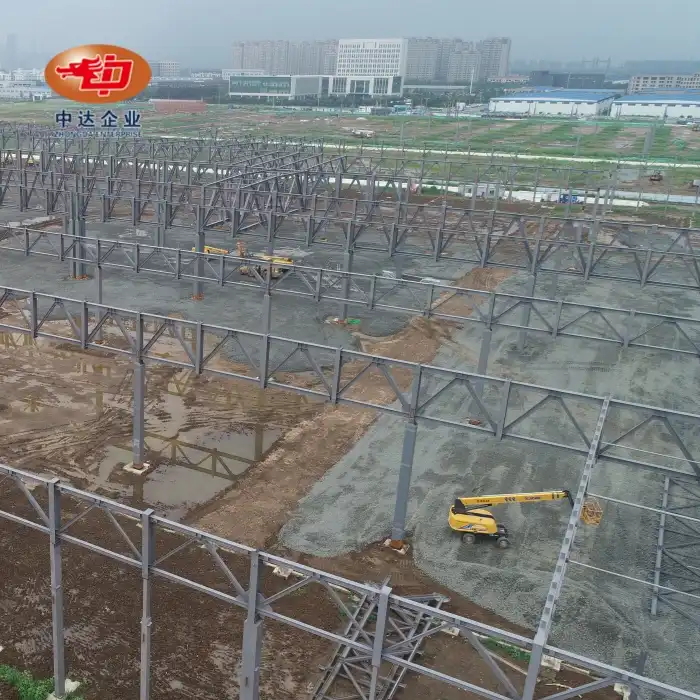
Choosing the right cross column for your steel structure project is a very important choice that will have a direct effect on the building's strength, cost, and schedule. Because these important parts are the foundation of load distribution and structure safety, making sure they are properly specified is a must for getting good building results. Knowing how to pick the right cruciform structural part can make the difference between a project that does well and one that doesn't, whether you're in charge of business developments, infrastructure builds, or industrial facilities. This detailed guide tells purchasing managers, structural engineers, dealers, and OEM clients everything they need to know to make smart buying choices that improve project performance while lowering risk and total ownership costs.
Understanding Cross Columns in Steel Structures
Cross columns are important load-bearing parts of steel building. They spread vertical and horizontal forces evenly throughout the structure while keeping it stable as a whole. Instead of having separate strong and weak planes like H-beams or I-sections, cruciform columns have a uniform cross-shaped design that gives them isotropic stiffness, which means they have the same amount of structural strength in both directions that are not perpendicular to each other. Because of their unique shape, they are very useful in situations where biaxial bending resistance is needed.
Types and Design Variations
Depending on the engineering needs, the steel building business uses a number of different column designs. Box columns have great bending strength, but they need internal diaphragms that make them harder to make. When loaded along a single line, H-shaped parts work well, but they might need extra support when they're loaded from multiple directions. Lattice columns work great for long spans where reducing weight is very important. The cruciform design is a middle ground between these two traditional methods because it combines direction strength with ease of manufacturing, especially when it is made with double H-shaped welded joints.
Material Composition and Standards Compliance
Highly strong low-alloy steels like Q355B are often used to make modern structural beams. This type of steel has yield strengths higher than 355 MPa and is easy to weld and bend. At Zhongda Steel, our cross columns are made of Q355B low-alloy steel that is formed in a double H shape. The flanges are 100–300 mm wide, and the webs are 6–25 mm thick. This choice of materials makes sure that they meet EN 10025-4 standards, which makes it easier for them to fit into global EPC project chains. Meeting international standards like ISO, EN, ASTM, AWS, and JIS makes sure that your structure parts meet both quality standards and safety rules in different countries. This keeps buying issues from happening during global projects.
Key Factors to Consider When Choosing a Cross Column
To choose the best cross column, you have to carefully look at a lot of technical and business factors. If you make this choice too quickly or don't think about important factors, it could result in expensive changes, project delays, or even worse, structure flaws that make the building less safe and less long-lasting.
Structural and Load-Bearing Capacities
Any column's main job is to hold up axial loads while fighting against bending moments and shear forces. The part you choose has to perfectly match the project's estimates for wind forces, earthquake demands, dead loads, and live loads. Cross columns are great for high-rise buildings, industry supports, and structures in areas that are prone to earthquakes because they have up to 40% more horizontal stiffness than regular parts. The uniform shape lowers the slenderness ratios, which lets the axial load capacities go up without making the member bigger. Make sure that the seller gives you specific technical data, such as the moment of inertia, radius of gyration, and section modulus values for both main directions, when you are assessing capacity.
Environmental Conditions and Material Selection
Conditions of exposure have a big effect on the properties of materials and protective coatings. Coastal areas need stronger rust protection, which could mean using weathered steel types or special finishing systems. Epoxy zinc-rich starters that have been through thorough holiday testing may be needed in industrial settings where chemicals are present to keep moisture from getting trapped in the inner corners of the cross profile. Extreme temperatures are also important. For example, materials used in icy sites must be promised to be tough at low temperatures so they don't break easily. Zhongda Steel's -60°C Weathering Steel Anti-corrosion Technology solves these problems. It has been tested and shown to work in tough locations like Russian Arctic bridges and Australian mines, where changing temperatures and flying pollutants make service conditions very difficult.
Cost-Efficiency and Lifecycle Considerations
Real value is created by weighing up-front costs against long-term results. Cross columns save about 10% of the material needed for box columns because they are easier to make—they don't need internal diaphragms or electroslag welding. The uniform shape makes it easier to connect beams to columns from all four directions without having to use complicated stiffener plates. This increases installation speed by up to 30%. Besides the original prices, you should also think about the upkeep needed, the ease of checking, and the need for possible growth. Innovative design elements, such as honeycomb beam hole patterns, lower the structure's self-weight by 20%. This saves money on base costs and shipping costs while keeping the structure's performance. These long-term savings often make the small price premiums for more powerful column systems worth it.
Fabrication and Installation Considerations
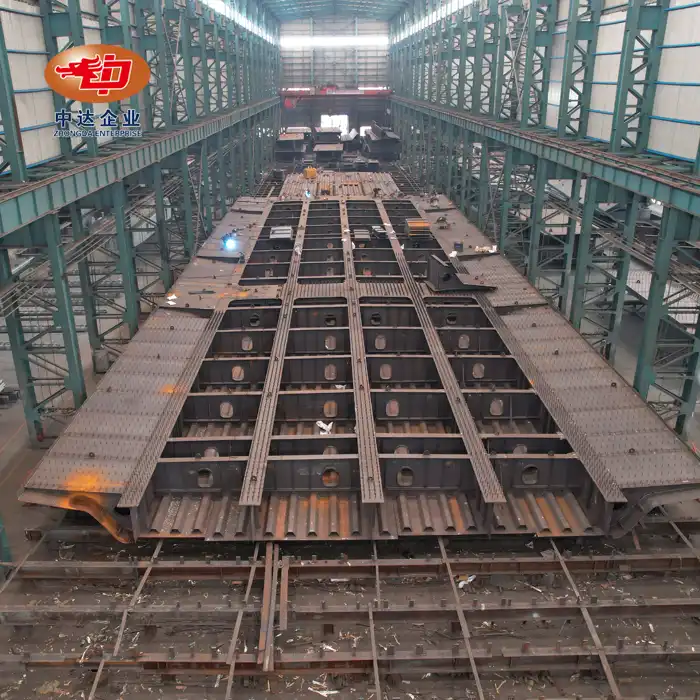
The ability to manufacture has a direct effect on shipping times and the quality of the parts. Accurate fit-up during site assembly is ensured by CNC cutting with a range of ±0.2mm. This reduces the need for expensive field changes. Full-penetration welds that meet AWS D1.1 standards are always made by automated welding methods. Make sure that the company you're buying from uses non-destructive testing, such as ultrasound inspection of important T-joint welds and magnetic particle inspection for surface cracks. It's also important to think about how to transport the parts—cross column shapes are wide in both directions, which could mean that parts need to be made in two pieces and then joined together on-site. Knowing these realistic limits will keep you from being surprised as you work on the job.
Comparing Cross Column Solutions: Traditional vs. Modern Approaches
Traditional cross columns have been useful in the building industry for a long time, but they often don't meet the needs of modern projects. Traditional box columns have a great bending capacity, but they are hard to make and weigh more than other options. Standard wide-flange shapes work well for gravity loads but not so well for biaxial bending situations that happen a lot in modern architecture with suspension elements and uneven floor plans.
Limitations of Traditional Systems
Legacy column designs often choose between being strong and being easy to build. To place internal diaphragms at beam joints on box sections, skilled welders are needed. This raises labor costs and makes quality control harder. Their closed shape also traps water, which speeds up rusting unless expensive covering systems are used on the inside. When horizontal forces come from weak-axis directions, conventional H-columns need to be stiffened a lot. This makes the structure and details more complicated. These restrictions are especially troublesome for projects that need to be finished quickly and require a lot of work to be done on the parts.
Innovations in Modern Column Design
Recent progress in metals, manufacturing technology, and optimizing structures has completely changed how well columns work. High-strength steel types make members smaller while keeping their load capacity the same. This makes the inside room more useful. Composite materials made of steel and concrete use the tensile strength of metal and the compressive strength of brickwork to get fire resistance scores that are higher than two hours without intumescent coats. When you combine cross column steel cores with concrete filling, you get a hybrid system that is both flexible for earthquake resistance and heavy for passive fire protection. When Zhongda Steel uses BIM-driven prefabrication, it allows virtual building planning before the actual fabrication starts. This gets rid of disagreements and cuts down on changes that need to be made on-site. When laser cutting and robotic welding are used together, they produce accuracy and regularity that can't be reached by hand. This is especially true for complicated shapes like honeycomb lightening holes that keep the structure's strength while lowering its weight.
Real-World Performance Data
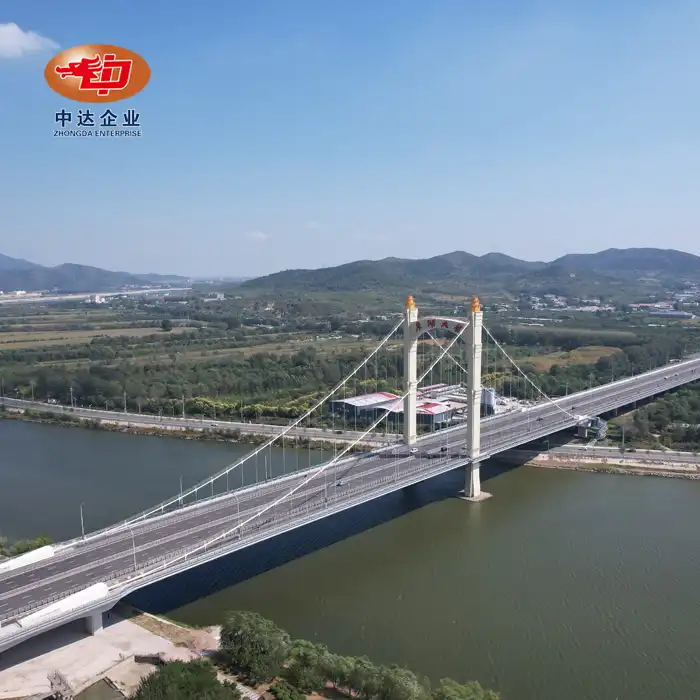
Modern column systems have real benefits that can be seen in the results of completed projects. The modern cross columns used in the 18,000-ton Shenyang Dongta Cross-Hunhe River Bridge made it possible to finish the project 25% faster than with standard methods. Innovative column designs were used to build factories for China Railway and CSCEC. The installations were 30% more efficient, which directly led to lower labor costs on-site and earlier project finish. Australian mining equipment structures that are constantly vibrating and being hit by rough dust have been working without any upkeep for more than ten years, showing that properly designed modern column systems are very durable. These case studies show very clearly that initial investments in advanced structure solutions pay off in a big way through shortened schedules, lower labor needs, and longer service lives.
How to Evaluate and Select Your Cross Column Supplier?
Picking a factory partner for your cross column needs as much care as the technical design process itself. Beyond the actual product provided, a supplier's skills, quality processes, and focus on customer service have a big impact on how a project turns out.
Quality Certifications and Manufacturing Capacity
Give more weight to providers who have ISO 9001 quality management, ISO 14001 environmental management, or ISO 45001 workplace health certifications. These show that they have a system in place to make sure steady output and ongoing growth. The EN 1090 structure steelwork qualification confirms that the person is skilled in making building parts. Scale is very important in manufacturing; factories with a lot of production space can handle changes in demand without affecting delivery times. The 60,000-ton annual capacity of Zhongda Steel's 120,000-square-meter building gives them the resources to handle both big projects and quick turnaround needs. Modern tools like CNC plasma cutting tables, automatic submerged arc welding lines, and shot blasting systems make sure of accuracy and surface preparation quality that can't be matched by hand.
Customization Capabilities and Technical Support
Standardized goods don't always meet the exact needs of a specific job. Suppliers who allow real tech cooperation add a lot of value on top of stock things. Look for partners who can make changes to material specifications, make custom connections, apply special finishes, and work with digital design processes. Coordinating between design, structural, and MEP fields is easier when they can work together in BIM. This means that costly clashes found during building are less likely to happen. Technical support should be available at all stages of a project, from the initial design meeting to the review of shop drawings, quality control during production, and help with installation in the field. Suppliers with skilled engineering teams can often find ways to optimize that save money or make things work better than the original design team thought possible.
Supply Chain Reliability and After-Sales Service
Critical routes for a project are directly affected by how well deliveries go. Check to see how often possible sources have delivered on time, especially for custom-engineered parts where being able to count on a plan is very important. Responding faster than anyone else in the business, standard cross columns can be provided in 15 days and unique forms can be made in 25 days. After the initial delivery, full after-sales support, including guarantees, expert help for problems in the field, and maintenance advice, protects your investment. Suppliers with 70% client renewal rates show levels of customer happiness that are worth looking into. Zhongda Steel has long-term relationships with BMW, large state-owned companies, and foreign clients from all over the world. This is because we care about more than just making a sale; we also want the project to be a success.
Best Practices for Integrating Cross Columns into Steel Structure Projects
For structural steel projects to be successful, integrating cross columns requires people from different fields and project stages to work together. When merging methods aren't strict, even the best parts don't work as well as they should.
Collaboration Between Design and Procurement Teams
Including suppliers early on in the design development part can often pay off in a big way. Manufacturers who know about the limitations of production can suggest changes that make the product easier to build without lowering its performance. This cooperation makes sure that the technical specs include realistic limits, useful link details, and cost-effective ways to make the parts. Before finishing purchase packages, structure drawings are looked over by everyone together. This keeps changes to the shop drawings from being too expensive. Setting clear rules for communication and who makes decisions makes it easier to deal with the questions and changes that come up during complicated projects.
Quality Control During Fabrication and Delivery
Strict inspection procedures keep structures safe from flaws that could weaken them or need expensive repairs. Make plans for inspections and tests that include hold points for witness proof of important activities. Ultrasonic testing and magnetic particle screening are non-destructive ways to look at welds and find internal and surface flaws before they get to the job site. Using laser scanning or a total station to check the dimensions of manufactured parts makes sure they match approved plans within certain limits. Through-thickness stress testing of base materials stops lamellar tears in links that are very tightly held together. Protective coatings must be applied and cured according to the manufacturer's instructions. Measuring the film thickness is a good way to make sure they cover everything. Transport damage can be avoided with the right packing. Specification and proof are required for wrapping methods, blocking setups, and binding techniques.
Installation Best Practices and Safety Protocols
When putting up something in the field, you have to pay close attention to orientation, link quality, and worker safety. Set up makeshift support systems that will keep the structure stable while the permanent horizontal resistance elements are being built. By surveying during the construction, levelness and alignment can be checked and fixed before the links are made official. For bolted connections to work, the holes must be lined up correctly, the fasteners must be tightened according to engineering standards, and the connection must be checked using methods such as direct tension indication or torque-plus-angle processes. For welded site links to work, they need trained welders, accepted methods, the right amount of preheating when needed, and a check after the join. Injuries that happen a lot during steel building can be avoided with fall safety systems, controlled entry zones, and lift plans. Following OSHA rules and best practices in your business will keep your employees safe and help you avoid costly accidents and schedule problems.
Conclusion
For steel building projects, picking the right cross column requires a thorough look at technical needs, environmental factors, cost factors, and source capabilities. Cross columns have strong benefits, including better biaxial stiffness, faster production, and easier installation, all of which can be measured in terms of project benefits. Using new materials and modern production tools together can improve performance in ways that aren't possible with older methods. For implementation to go well, there needs to be strict quality control, good communication between project teams, and partnerships with providers that show they are technically competent and committed to the customer. With the information in this guide, buying professionals and engineers can make decisions with confidence that improve the performance of structures while keeping costs and plans in check.
FAQ
What specific advantages do cruciform columns provide in steel structures?
Cross columns give the structure the same level of stiffness along both vertical axes, which gets rid of the weak-axis problems that come with regular H-sections. This isotropic stiffness is very useful for buildings that are hit by wind or earthquakes from different directions. The uniform shape makes it easier to connect beams from all four sides without using complicated stiffeners. This cuts down on the work needed to make the connections and makes them more reliable. Because they have better rotational resistance than open parts, they don't twist when eccentric loads are applied. The geometry also makes it easier to surround steel with concrete for composite building, which combines the tensile strength of steel with the compressive strength and fire protection of concrete.
How do environmental factors influence column material selection?
Marine salt spray, industrial chemicals, or deicing agents can all corrode metals, so they need extra protection like weathering steel alloys, hot-dip galvanizing, or multi-layer coating systems. Extreme temperatures call for materials that have been tested for either low-temperature toughness or high-temperature creep resistance, based on the use. In seismic zones, steel types that are more flexible and can absorb more energy are needed. Patterns of moisture exposure affect coating specs. For example, the inner corners of cross profiles can trap water, so when applying primer and testing, extra care needs to be taken to stop rust from starting.
Can cruciform columns be customized for specific project requirements?
Advanced makers let you choose the type of material, change the size, add connection details, make lightening hole designs, and apply special surface treatments. Honeycomb hole designs cut weight by 20% while keeping the strength of the structure. This lowers the loads on the base and lowers the cost of shipping. Integration with BIM processes lets the whole building model be optimized before any construction starts. Custom manufacturing usually slightly extends delivery times—specialized columns usually come within 25 days compared to 15 days for standard designs, which is a fair trade-off for parts that exactly meet the needs of the project.
Partner with Zhongda Steel for Superior Cross Column Solutions
Zhongda Steel is ready to help you with your steel construction projects by providing the best cross column options in the industry, backed by 20 years of outstanding engineering. As a certified cross column manufacturer with ISO 9001/14001/45001 and EN 1090 certifications, we use advanced BIM-driven prefabrication, precise CNC fabrication with a tolerance of ±0.2mm, and full quality assurance that includes non-destructive testing to make parts that are better than international standards. Our Q355B low-alloy double H-shaped welding beams give your project better results by increasing horizontal stiffness by 40%, lowering material costs by 10%, and speeding up the installation process by 30%. Email our engineering team at Ava@zd-steels.com to talk about your needs, look into customization choices like honeycomb shapes that reduce weight, or ask for a technical advice. Zhongda has completed more than 60 important projects worldwide, ranging from bridges in the Arctic to mining sites.
References
American Institute of Steel Construction. (2017). Steel Construction Manual, 15th Edition. Chicago: AISC.
European Committee for Standardization. (2005). Eurocode 3: Design of Steel Structures - Part 1-1: General Rules and Rules for Buildings. Brussels: CEN.
Salmon, C.G., Johnson, J.E., and Malhas, F.A. (2009). Steel Structures: Design and Behavior, 5th Edition. Upper Saddle River: Pearson Education.
Geschwindner, L.F. (2011). Unified Design of Steel Structures, 2nd Edition. Hoboken: John Wiley & Sons.
Chen, W.F. and Lui, E.M. (2005). Handbook of Structural Engineering, 2nd Edition. Boca Raton: CRC Press.
Bruneau, M., Uang, C.M., and Sabelli, R. (2011). Ductile Design of Steel Structures, 2nd Edition. New York: McGraw-Hill Professional.
YOU MAY LIKE
_副本_1755847812558.jpg "building steel structure")
_1754027396028.png "Steel Stair Treads")