Why do you Choose a Steel Structure Stadium?
2026-06-16 16:01:04






Picking a steel structure stadium is a smart move that strikes a mix between good planning and cost-effectiveness. Modern sports arenas made of steel have the strongest structures, can be built faster, and give you a great return on your investment. These buildings are strong for their weight and can be put together in modules, so they can meet the high standards of mega-event halls, neighborhood sports centers, and multi-use stadiums. Steel parts can be recycled naturally, which is in line with rules for sustainable buying and makes long-term upkeep easier. When business developers, government contractors, and infrastructure planners look at their choices for big public assembly projects, steel platforms always do better in terms of speed, adaptability, and overall value over time.
Understanding Steel Structure Stadiums
What Defines Modern Stadium Steel Frameworks?
Steel structure stadiums are made up of carefully designed parts like H-beams, pipe trusses, space frames, and cable-membrane systems. When put together, these parts make load-bearing buildings that can span more than 100 meters without any middle poles. This gives viewers clear views and makes the internal areas adjustable enough to fit a variety of event setups. Some types of high-strength low-alloy structural steel, like Q355B, ASTM A572 Gr.50, and S355JR, have yield strengths of 355 MPa or higher, which means they can hold up against very high dynamic loads.
Prefabrication and Modular Assembly Advantages
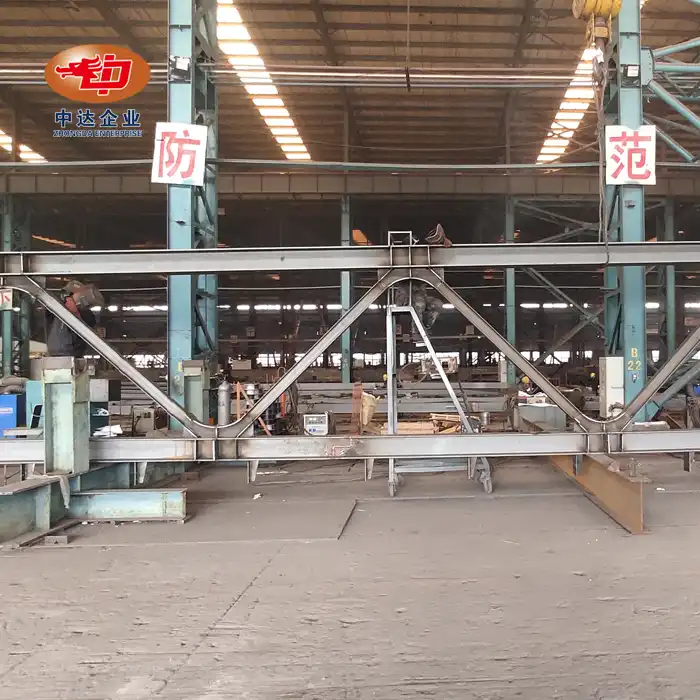
With advanced prefabrication, building a stadium goes from being a labor-intensive process on the ground to a precise manufacturing process. Tough quality control measures can be used in factory settings. For example, 100% acoustic testing of full-penetration butt welds and magnetic particle testing for surface flaws are both possible. Trial assemblies of parts are done in factories to make sure that they will fit together correctly on-site, within ±2mm. By moving difficult tasks from high-up job sites to lower-level manufacturing shops, this method cuts down on delays caused by bad weather and makes work safer for everyone.
Large truss pieces are placed and put together by 100-ton bridge cranes at Zhongda Steel's 120,000 m² production base. Our BIM-driven prefabrication method combines the water, electrical, and mechanical systems during the planning phase, which avoids costly problems in the field. This combination speeds up installation plans while keeping the sizes of thousands of separate parts accurate.


Durability and Lifespan Considerations
When covered by the right corrosion-prevention systems, steel structure stadiums that were built correctly usually last longer than 50 to 100 years. According to ISO 1461 guidelines, hot-dip galvanization uses zinc coats that are 85 to 100 micrometers thick. This makes a strong metal bond that can handle salty surroundings and pollution from factories. Marine-grade epoxy sealing systems that are approved for C5–M acidic conditions offer extra security for sites near the coast.
The pliability of structural steel lets it absorb energy during earthquakes, which lowers the risk of catastrophic failure compared to systems made of brittle concrete. Regular checking methods find link points that are likely to wear out before problems affect the structure's stability. These features make upkeep easier and lower the overall cost of ownership while keeping the asset's worth over many years of use.
Advantages of Choosing Steel Structure Stadiums
Superior Structural Performance Metrics
The building benefits of steel frames start with their high strength-to-weight ratios, which lower base loads and make ground requirements easier to meet. A normal steel truss that weighs 50 kg per linear meter can hold up the same amount of weight on its roof as two 200 kg per linear meter concrete beams. This decrease in weight directly leads to lower foundation costs, especially in difficult soil conditions that need deep filling or ground improvement.
Steel's natural flexibility makes it resistant to earthquakes because it allows controlled plastic bending before failure. During earthquakes, steel links release energy by bending in an expected way, which keeps the structure stable overall. Wind resistance meets standards for steady speeds of up to 200 km/h, and wind tunnel tests and computational fluid dynamics modeling have shown that the structure can handle that much weight.
When exposed to heat, fire safety systems that use intumescent coats grow, creating layers of insulation that keep steel temperatures below dangerous levels. The fire resistance rates for these coats are REI 120, which means that people will have enough time to get out in case of an emergency. When earthquake, wind, and fire performance are all added together, they make strong buildings that can protect thousands of people in a wide range of climates and geographies.
Financial Benefits and Return on Investment
The lower dead loads during the groundwork phase cut down on the amount of digging and concrete that needs to be done, which saves money on construction. Because the properties of structural steel can be predicted, the sizes of the members can be optimized. This gets rid of the need for careful overdesign that is common in concrete systems. With modular prefabrication, worker hours are moved from expensive installation work in the field to cheaper production work in the factory, which lowers the overall cost of the project.
Long-term organizational saves come from places that are easy to change so they can be used for different things as the event goes on. Because steel is dimensionally stable, it doesn't crack or flake like concrete buildings do, so you don't have to pay for expensive fixes or surface treatments. When building managers need to change the way seats are set up or improve mechanical systems, they can use penetrations and clamps to make the structure stronger.
Analysis of lifecycle costs constantly show that steel is a better deal. A thorough study that compared different ways to build stadiums found that over a 50-year period, steel structure stadiums have lower running costs by about 20 to 25 percent compared to concrete options. These saves come from fewer repairs that need to be done, less energy use because the buildings are lighter, and more options for making changes that make money.
Environmental Sustainability and Green Building Compliance
Steel is one of the most recovered products in the world. In developed countries, recycling rates are over 90%. When stadium buildings reach the end of their useful lives, they can be recycled into useful materials that can be used again without losing any of their quality. This closed-loop material flow cuts down on initial rock mining and the environmental damage caused by the building industry.
Gains in manufacturing efficiency make environmental traits even stronger. Nowadays, electric arc furnaces use recovered materials to make structural steel, and they use less energy than old-fashioned blast furnaces. Factory manufacturing reduces the amount of trash that is made on-site because scraps and trimmings are sent back to recycle streams instead of being dumped in landfills.
Green building approval programs, like LEED, recognize steel's environmental benefits in a number of ways. Projects get points for using recovered materials, properly disposing of building trash, and being open about their materials. Steel structure stadiums help government agencies and private companies meet stricter environmental buying requirements when they are paired with solar panels on the roof and systems that collect rainwater.
Design Flexibility and Innovation Opportunities
Architectural Freedom Through Advanced Engineering
Because steel frames are so strong, they don't force builders to stick to the shapes that are required by concrete building. Cantilever roof sections that are 50 meters or longer make dramatic entry platforms and weather-protected traffic areas that don't block views or need support poles. With millimeter-level accuracy, computer-controlled cutting and making equipment turns digital models into physical parts with complex bent shapes that exactly match what the designer wanted.
Loads are spread out through three-dimensional truss networks in space frame systems. This lets roofs span up to 300 meters while keeping structural levels at just 3–4 meters. These narrow shapes make the rooms sound better by cutting down on echo times and increasing the volume inside. Steel masts and cloth covering are used together in cable-stayed and tension membrane hybrid systems to make famous architectural statements that define urban identity and regional pride.
Integration of Modern Building Systems
Modern stadiums need complex mechanical, electrical, and digital equipment that needs to be organized with the building's structural systems from the start of the project. BIM software tools let teams from different fields find problems before they are built. This makes sure that the HVAC pipes, electricity ducts, and data cable routes work well with the steel members.
The ideas behind modular design go beyond just the main structure and include built engine rooms, vending stand modules, and bathroom pods. When these pre-built units get to the job site, the plumbing, electrical work, and finishing are mostly done. This cuts down on the need for field workers and speeds up the building process. The exact dimensions and connection details of steel make it easier to achieve the tight tolerances needed for successful modular assembly.
Digital infrastructure, such as video equipment, Wi-Fi networks, and spread antenna systems, needs structural parts that are flexible enough to allow for changes in technology as the building ages. Steel frames can be mounted in an infinite number of ways because they can be welded or connected together. This is in contrast to concrete structures, which have problems with cutting and grounding.
Procurement and Construction Considerations for B2B Buyers
Supplier Selection Criteria for Critical Infrastructure
For stadium projects to go well, they need industry partners who have experience making big amounts of structural steel. As part of their due diligence, procurement teams should look for ISO 9001 quality management certification as well as EN 1090 and AISC manufacturing qualifications that show compliance with standards for welding, material tracking, and inspections. Evaluations of manufacturing facilities should include information on the size of the cranes, the tools for handling plates, and the quality control labs' abilities to meet the needs of complex projects.
When looking at possible providers, track records are very important. Referrals from past stadium, arena, or convention center projects can show how well a seller can coordinate designs, stick to tight deadlines, and solve problems before they happen. During site visits to ongoing projects, standards for manufacturing quality and management skills are revealed that affect the structure's long-term performance.
Zhongda Steel has been certified by ISO 9001, ISO 14001, and OHSAS 45001, and they are also approved to make structural steel according to EN 1090. We have worked with China Railway, CSCEC, and companies from Russia, Australia, and Vietnam, among other places. These partnerships show that we can provide mission-critical technology that works with a variety of regulations and performance standards.
Cost Drivers and Budget Planning
About 40 to 50 percent of the total value of a structural steel package is made up of the prices of materials. The rest is made up of work for manufacturing, surface treatments, and shipping. Price changes in steel commodities affect project budgets, so making early deals to buy materials is a good way to get cost security. To find ways to save money, buyers should ask for thorough reports that separate the costs of base materials from the costs of value-added manufacturing services.
Design complexity has a big effect on manufacturing prices because it changes how much work is needed for cutting, welding, and putting things together. Standardized connection details and repeating member sizes cut down on shop hours and make quality more consistent. Specifications for purchases that allow fabricators to have a say in how the design is made can often save money by making it easier to build without sacrificing performance.
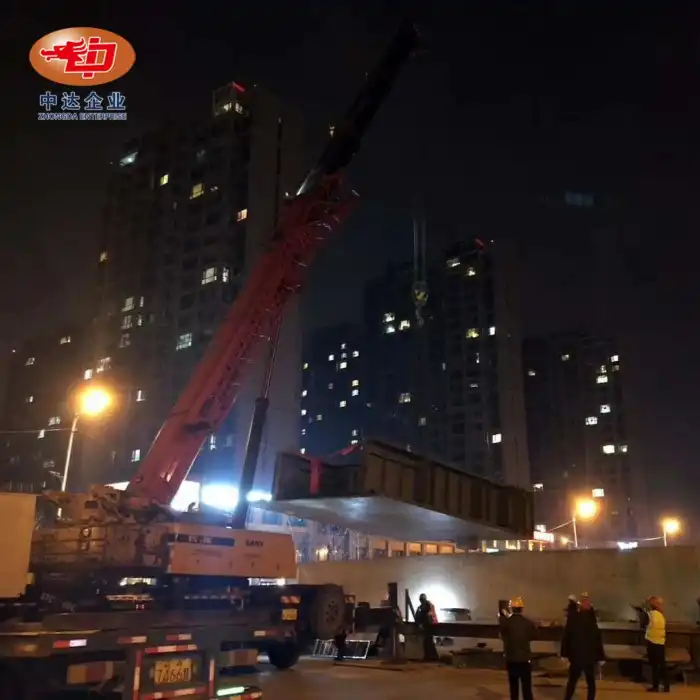
Logistics for transportation and setup add a lot to the cost of building a stadium. Heavy-haul permits and route studies may be needed for oversized truss parts, and the type of crane used will rely on the weight and height of the pieces being lifted. Getting contractors involved early on helps figure out staging areas, temporary support needs, and the order of installations, all of which have an effect on both the timeline and the budget.
Timeline Expectations and Risk Mitigation
Usually, it takes 12 to 18 months from the time the contract is awarded until the steel structure stadium frame is mostly finished. This time frame includes 3–4 months for full engineering and shop model creation, 6–8 months for manufacturing, and 3–4 months for installation in the field and completion. When compared to cast-in-place concrete options, which take 24 to 36 months for the same scope, these timelines are much shorter.
Risk management starts when the seller is chosen, with prequalification factors that get rid of bidders who aren't qualified enough. Quality hold points during production let owner officials see important welds, finishing applications, and pre-assembly checks before parts are sent to job sites. Third-party inspection companies make sure that the work meets the requirements of the project and the standards of the industry.
When putting up steel, weather conditions aren't as bad as when putting up concrete because structure links don't need to cure or be protected from temperature changes. By putting together modules in a workshop, modular prefabrication further lowers the time that they are exposed to the weather. These benefits of plan dependability are especially useful for projects that are based on events and have fixed due dates.
Maintenance and Long-Term Performance
Protocols for Preventive Maintenance
Regular inspection plans are the basis of good upkeep for steel structure stadiums. Visual inspections done once a year can find problems with covering wear, link looseness, and leaks before they get worse and need expensive fixes. At 5-year intervals, detailed checks include ultrasonic thickness readings to figure out how much rust has been lost and how long key parts are still good to use.
Connection care is mostly about high-strength bolted systems, where shaking and temperature changes can cause tension loss over time. Using measured tools to check the torque makes sure that slip-critical connections keep the binding forces needed. Periodically replacing expansion joint seals is necessary to keep water from getting into hidden areas where rusting could happen without being seen.
Planned recoating times are part of coating system care that extends the protection service life. Standards for surface preparation say that rust and flaking paint must be removed by blast cleaning before new covering layers are applied. Proper surface preparation is more important than choosing the right coating, because not cleaning the surface well enough causes it to peel off too soon, no matter what kind of paint is used.
Compliance and Safety Audit Requirements
Building code compliance is important for the whole life of a building, so it needs to be checked on a regular basis as the rules change. More and more places are requiring earthquake tests for existing buildings that follow the latest building codes. This could mean that buildings that were built using older standards need to be retrofitted. These assessments are done by structural engineers using data specific to the site and current research methods that weren't available at the time of the original design.
Safety checks look at things like how many people can fit in a space, how easy it is to get out, and how well the building's emergency systems work together to make sure that safety rules are still being followed. Any changes made to a stadium to make it easier for people with disabilities to use or to add new technology must be evaluated to make sure they don't hurt the structure's performance or break fire safety rules.
Facility owners keep detailed records of all checks, fixes, and changes made to buildings throughout their entire lives to protect themselves from professional responsibility. These records show that proper care was taken during reviews of incidents and help with insurance claims when damage happens. Digital asset management systems make paperwork easier by connecting records of structure components to inspection results, fix specs, and digital proof.
Conclusion
Choosing steel frames for stadiums has clear benefits in terms of structure performance, cost savings, and caring for the environment. When you put together short building times, design freedom, and long-term value, you have strong business reasons for government agencies and private companies to build large-scale sports infrastructure. Modern prefabrication techniques turn difficult projects into doable purchase packages that still meet strict quality standards. When paired with reputable manufacturers who have qualifications that can be checked and a track record of success, steel buildings are reliable solutions that help communities for generations. Strategic repair programs protect these investments and make sure that they continue to meet changing business and safety requirements.
FAQ
What advantages do stadium steel structures offer compared to concrete construction?
The better strength-to-weight ratios of structural steel lower the loads on the base and allow longer lengths without the need for intermediate supports. Construction times are cut by 40–50% when parts are made in a workshop ahead of time, and costs go down over the life of the building because it lasts so long and needs so little upkeep. Steel can be recycled and has a smaller carbon footprint, which are both things that are needed for public building projects to meet the growing demand for sustainable buying.
How do you ensure quality control during stadium steel fabrication?
Comprehensive quality programs include checking all important welds with ultrasound waves, making sure the dimensions are correct by putting together complicated nodes in a test run, and using measured tools to measure the thickness of the coating. Mill test papers make it possible to track down materials and prove their chemical make-up and mechanical qualities. Independent third-party testing agencies make sure that the production meets the ASTM, AISC, and EN 1090 standards that are needed for public meeting buildings.
What timeline should we expect for a stadium steel structure project?
Usually, it takes 12 to 18 months from the time the contract is awarded until the project is mostly finished. This includes 3 to 4 months for planning, 6 to 8 months for production, and 3 to 4 months for assembly. These schedules are based on plans that are fairly complicated and use common connecting details. When compared to cast-in-place concrete options, which take 24 to 36 months for the same scale and capacity, modular prefabrication speeds up plans.
Partner with Zhongda for Your Next Stadium Project
Zhongda Steel has been making structural steel for 20 years and can help you with your stadium's building needs. Our factory in Shenyang has specialized tools like 100-ton bridge cranes and ultra-thick plate cutting systems that can achieve ±0.2mm tolerances. This lets us make complex truss sections and long-span roof components to order. We've provided structural steel solutions for projects like the Arctic bridge in Russia, mining equipment buildings in Australia, and industrial facilities all over Vietnam. This shows that we can work with strict environmental guidelines and meet international standards.
We know what EPC companies, government engineering firms, and business developers want when they buy things because we are a qualified steel structure stadium provider with ISO 9001/14001/OHSAS 45001 and EN 1090 qualifications. Our BIM-driven engineering method combines systems from different fields, and our unique -60°C weathering steel anti-corrosion technology makes things last longer in difficult environments. Whether you're planning a community venue with 5,000 seats or a mega-event venue with 100,000 seats, our expert team can help you from the beginning of the planning process to the final approval.
Get in touch with Ava at Ava@zd-steels.com to talk about the details of your project and get thorough technical offers backed by our 60,000-ton annual production capacity and global shipping network.
References
American Institute of Steel Construction. (2022). Specification for Structural Steel Buildings (ANSI/AISC 360-22). Chicago: AISC.
European Committee for Standardization. (2021). Eurocode 3: Design of Steel Structures - Part 1-1: General Rules and Rules for Buildings. Brussels: CEN.
Chen, W.F., & Lui, E.M. (2019). Handbook of Structural Engineering (2nd ed.). Boca Raton: CRC Press.
International Code Council. (2021). International Building Code. Washington, DC: ICC.
Salmon, C.G., Johnson, J.E., & Malhas, F.A. (2020). Steel Structures: Design and Behavior (6th ed.). Upper Saddle River: Pearson.
World Steel Association. (2023). Sustainable Steel: Policy and Indicators. Brussels: worldsteel.
YOU MAY LIKE
_副本_1758525876027.jpg "grid structures")
_副本_1754465368115.jpg "Lattice Column")