What is the Difference Between a Bailey Bridge and a Truss Bridge?
2026-06-17 17:04:18






Knowing the difference between Bailey bridges and steel truss bridge systems is very important for building projects that need to be set up quickly or need long-term solutions for carrying weight. Bailey bridges are flexible, premade structures that are made to be put together quickly using removable panels. This makes them perfect for use in military operations and emergency situations. Steel truss bridges, on the other hand, are built to last. They have interconnected triangle frames, like those in the Warren or Pratt designs, that spread loads evenly over longer lengths. When buying teams understand these basic differences, they can choose bridges that fit with project timelines, load needs, and expected lifecycles.
Introduction to Bailey Bridges and Truss Bridges
Knowing the main features of Bailey and steel truss bridges helps engineering teams make smart choices that have a direct effect on the success of projects and the ease of operations in the long run.
What Defines a Bailey Bridge?
Bailey bridges were first made during World War II as movable, premade structures that could be put together without the use of heavy machines or special tools. Standardized steel plates are joined by pins to make these bridges. They are put together quickly by teams working in difficult conditions. The design focuses on speed and adaptability, as it lets you change the span length and load capacity by adding or removing panel parts. Due to their mobility and ability to be set up quickly, Bailey bridges are best used for military activities, crisis aid, and short building delays.
Understanding Steel Truss Bridge Architecture
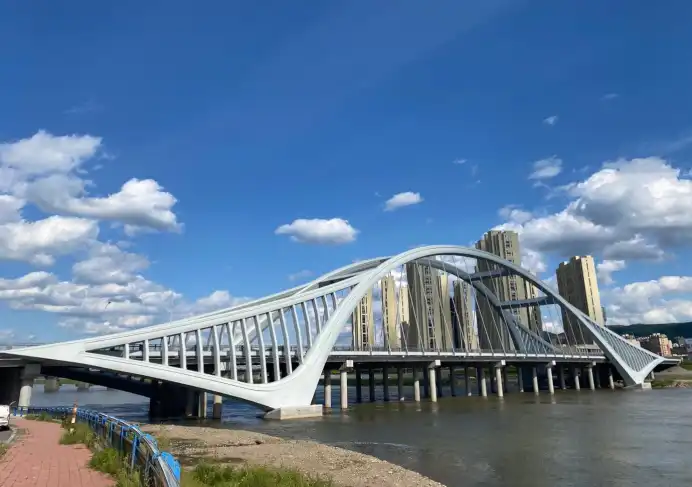
Geometric triangulation is used in steel truss bridges to turn vertical loads into horizontal forces (tension and compression) that the structure's parts can effectively withstand. Warren trusses, which have alternate diagonal members, and Pratt trusses, which put vertical members in tension and diagonal members in compression, are two common layouts. At Zhongda, we make steel truss bridges out of ASTM A709 Gr.50 steel that performs well in the Z35 direction. This gives the steel better resistance to tearing and wearing down all the way through. These buildings are usually found on highway overpasses, railroad crossings, and entry roads to industrial facilities, where they need to last a long time and hold a lot of weight.
Why This Distinction Matters for B2B Buyers?
When procurement workers choose the wrong types of bridges, it has big financial and operational effects. Bailey bridges have lower starting costs and can be put up quickly, but they may need to be maintained and replaced more often if they are used permanently. Even though they cost more up front, steel truss bridges last for decades with little maintenance. Knowing the limits of the span, the type of base needed, the exposure to the environment, and the rules for legal compliance helps buyers get the best overall value for their money while also meeting the technical needs of their individual projects.
Structural and Design Differences Between Bailey and Steel Truss Bridges
The two types of bridges are fundamentally different in terms of technical standards and construction methods. These differences affect everything from the amount of materials used to the upkeep schedules.
Modular Panels Versus Welded Rigidity
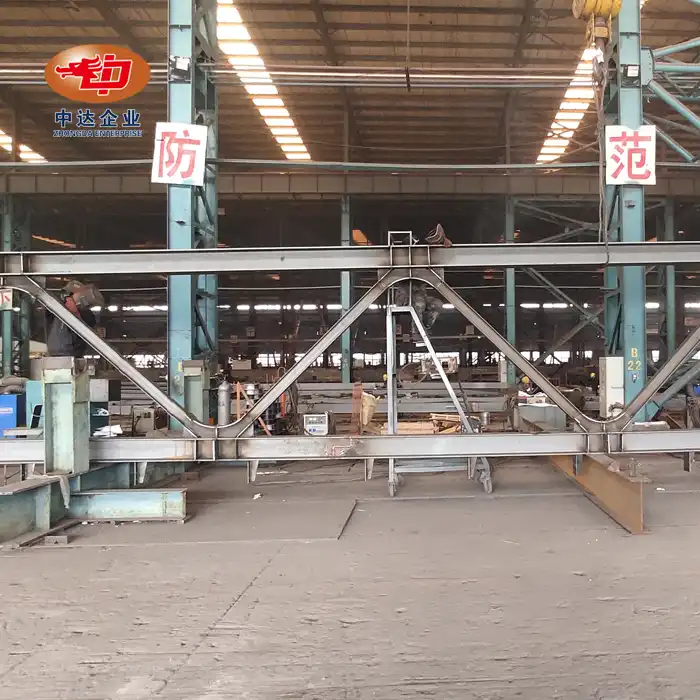
Bailey bridges are flexible because they are made of standard pieces that are about 10 feet long and are joined by high-strength steel pins that can be put together on the job site without the need for welding tools. This modularity lets you change the setup quickly, but it also adds connection points that need to be checked for wear and looseness on a regular basis. Steel truss bridges have links at nodes that are factory-welded or bolted together. This makes the buildings one solid piece, which makes them more stable. Full-node testing is done at our factory using Magnetic Particle Testing (MT) and Ultrasonic Testing (UT). This makes sure that the quality of the welds meets the requirements of the AWS D1.5 Bridge Welding Code.
Material Selection and Fabrication Approaches
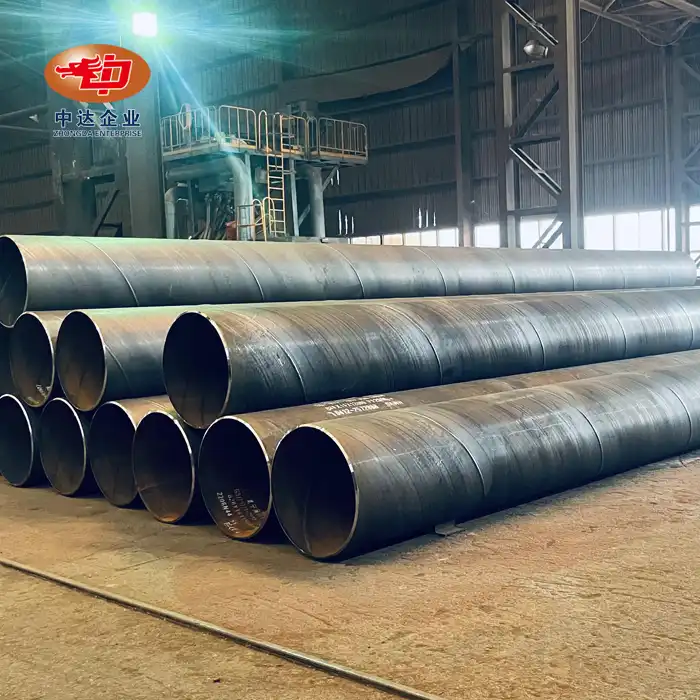
For steel truss bridges to work, they need high-performance elements that are designed to work in a certain climate and under certain loads. Zhongda's Steel Standard Truss Bridges are made of ASTM A709 Gr.50 steel, which has yield strengths higher than 345 MPa and good weldability and fracture toughness. Our three-layer anti-corrosion system includes a 160μm thermal spray zinc coat, an epoxy mica iron intermediate coat, and a polyurethane finish. It protects to the same level as ISO 12944 C5-Marine rating, which means it will last longer in industrial and seaside settings.
Span Capacity and Load Distribution Mechanics
Bailey bridges can usually support spans up to 60 meters, but as the span gets longer, the load capacity goes down because of the way fixed panel links reduce movement. In situations with heavy loads, you need more than one parallel panel and support beams, which makes the structure more complicated and heavier. At our plant, steel truss bridges can easily span distances from 30 to 150 meters. The members are the right size so that displacement stays within the L/800 limits when Highway-I level loads are applied. Concentrated wheel loads are spread across multiple members by the triangulated shape. This prevents localized overstress and uses less material than solid beam options.
Comparative Performance and Application Scenarios
In the real world, different types of placement show different performance patterns that help choose the right bridge type based on practical needs and weather factors.
Load-Bearing Capabilities in Practice
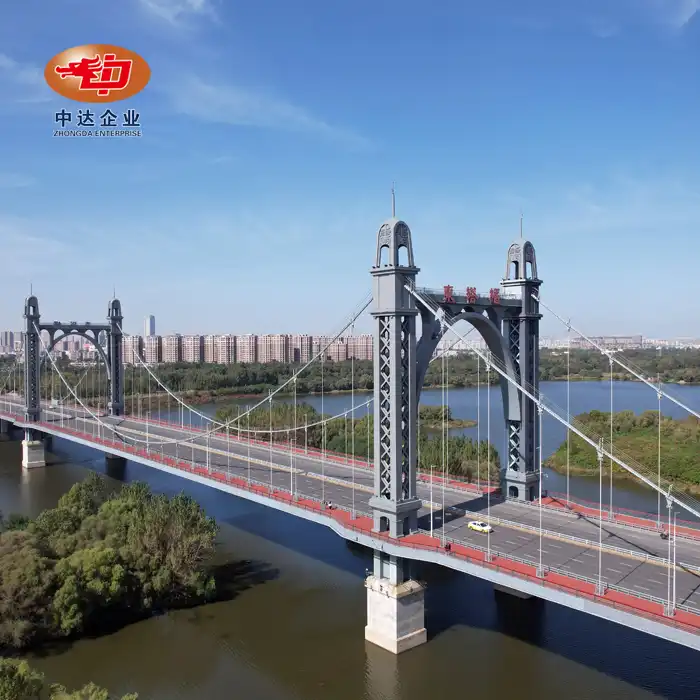
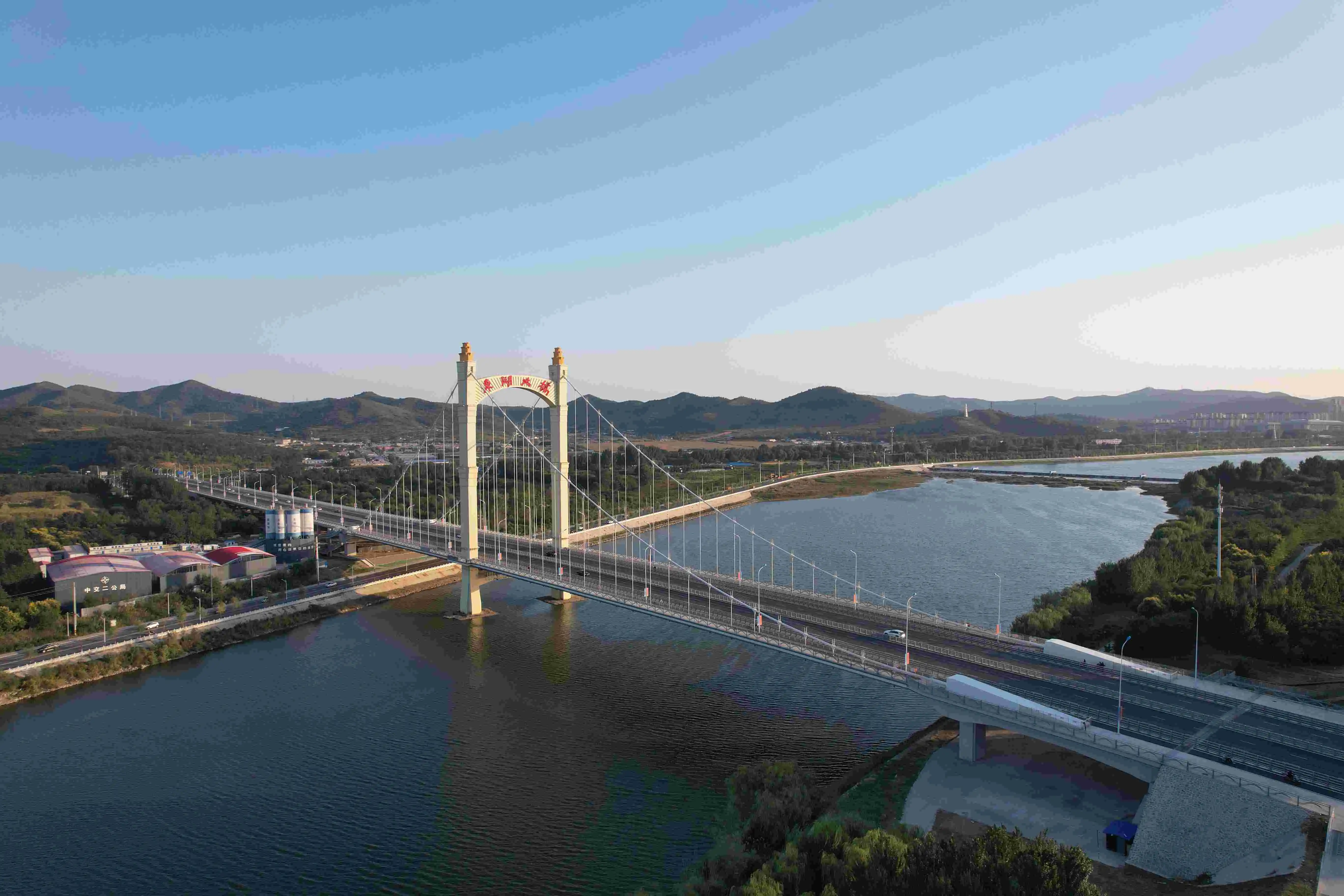
When Bailey bridges are used temporarily, they can hold up to 70 tons of weight per axle, based on the design. Their jointed design makes them flexible, which is good for putting them together but limits their hardness when they are under dynamic stress. Heavy traffic over and over again speeds up link wear, so it's important to check them often. Zhongda's steel truss bridges can hold up to 100 tons of weight at once, and they are made with features that are designed to last millions of loading cycles. Our Shenyang Dongta Cross-Hunhe River Bridge project shows this by having an 18,000-ton structure that can handle multiple lanes of highway traffic and allow for future rail integration without having to be changed to the structure.
Rapid Deployment Versus Permanent Installation
In an emergency, teams need bridge options that they can put into action in hours or days. Bailey bridges meet this need by being put together by hand using simple tools and work that isn't very skilled. Military engineers can often build 50-meter Bailey spans in less than 48 hours by using pre-made parts that can be moved by regular trucks. Steel truss bridges need to be put up with the help of a crane and special lifting tools. Depending on the complexity of the span, this can take weeks or months. However, this investment will lead to buildings that need very little upkeep over their 50-year plan lives. Our removable emergency bridge option fills in this gap by providing modular steel truss pieces that can be put together in 48 hours to make 200-meter-long bridges that can be used right away to restore industry access.
Environmental Performance and Sustainability Metrics
More and more, material economy and the ability to recycle things at the end of their useful lives affect choices about buying infrastructure. Because fixed links need extra support, Bailey bridges use more steel per unit load capacity. However, if they are properly kept, all of their parts can be used again and again. Computer-aided design puts steel exactly where structural analysis shows it is needed on steel truss bridges to make the best use of materials. When compared to standard drawing methods, Zhongda's BIM-based design processes cut down on material waste by 15 to 20 percent. At the end of their useful lives, both types of bridges can be recycled almost completely, and high-grade structural steel still has a lot of value as scrap. Following the ISO 14001 environmental management standards helps us get materials in a responsible way and make sure that our production processes produce as few toxins as possible.
Cost, Procurement, and Installation Considerations
Planning for the cost of buying a bridge includes more than just the original purchase price. It also includes costs over the bridge's lifetime and any impacts to operations during building.
Initial Investment and Total Ownership Costs
Bailey bridges are easier to get started with because the basic kits start at a reasonable price, making them good for short-term uses or people on a tight budget. But regular checks, keeping connections in good shape, and maybe even replacing parts over long missions add up to big secret costs. Transportation costs stay low because the products are small and can be used in most vehicles. Total cost of ownership estimates show that steel truss bridges have lower yearly costs for fixed installations because they don't need as much upkeep and last for many decades.
Identifying Qualified Suppliers and Manufacturers
Purchasing teams should give more weight to sellers who have widely known certifications that show they know how to make things well and have a mature quality system. Zhongda has ISO 9001 certification for quality management, ISO 14001 certification for environmental standards, ISO 45001 certification for health and safety at work, and EN 1090 certification for structural steelwork performance class 3. These qualifications show that we can build bridges that meet standards in Europe, the United States, and other countries. We can produce 60,000 tons of steel every year and have a 120,000-square-meter building with ultra-thick plate cutting powers (±0.2mm accuracy). This means we can work on a wide range of projects, from single-span walking bridges to multi-span railway crossings. We've finished jobs in Russia, Australia, and Vietnam, showing that we can work in a variety of legal and weather situations.
Installation Complexity and Timeline Planning
Bailey bridge construction needs flat staging areas next to bridge sites so that teams can put together sections ahead of time and then use roller systems or temporary supports to launch them into place. The process works even when entry is limited and requires little site planning. Installation teams usually have between 10 and 15 workers, led by experienced foremen. No special licenses are needed. Steel truss bridges need a lot of work to get the site ready, like building a base, making roads for cranes to use, and setting up rigging points. Erection processes are based on lift plans made by structural engineers, and important picks are made by qualified crane operators and rigger specialists. Zhongda offers complete solutions that include planning, making, transporting, and expert control on-site. This makes sure that the manufacturing and building steps go together smoothly.
Which Bridge to Choose? Decision Support for B2B Clients
By systematically comparing project factors to bridge type powers, the best purchase choices are made that balance risk, cost, and performance.
Evaluating Span Requirements and Site Constraints
Bailey bridges are good for projects with lengths less than 60 meters and short-term work lives. This is especially true when base conditions don't allow for a stable structure or when future site changes aren't known. When lengths are longer than 60 meters or when fixed infrastructure supports the initial capital investment, steel truss bridges are required. This choice is affected by how easy it is to get to the site. Remote areas without heavy lift equipment tend to favor Bailey options, while established industrial sites with crane access make steel truss more cost-effective. Zhongda's engineering team does site-specific feasibility studies that look at things like the soil's ability to hold weight, earthquake design factors, and space needs in order to suggest the best Warren and Pratt truss setups for spans of 30 to 150 meters.
Matching Bridge Types to Application Categories
Bailey bridge bases are places where quick deployment is more important than long-term durability issues, such as temporary building delays, disaster aid access, and military activities. The dependability and load capacity of steel truss bridges are required for permanent highway and train infrastructure, internal processes in industrial plants, and mine haul roads. We've provided bridge parts to mine sites in Australia, where 100-ton haul trucks work nonstop in harsh, acidic conditions. Our advanced anti-corrosion system and high-strength steel were needed for this purpose to keep it from failing too soon, which can happen with buildings that aren't designed properly. In emergency situations, there are special problems that need to be solved. Our removable truss bridge system combines the performance of a steel truss with the speed of Bailey's deployment, helping to rebuild important infrastructure after natural disasters or industrial accidents.
Implementing Lifecycle Management Strategies
Bailey bridges that are used for long deployments need to have written inspection plans that check the state of the deck, the strength of the connections, and the development of rust. Replacement rounds usually last between 5 and 15 years, but this depends on how much they are used and how they are exposed to the climate. Condition-based maintenance plans are helpful for steel truss bridges because they check the paint system's soundness, the bearings' usefulness, and the deck's surface. Our lifetime management services include checks every two years, fixing rust, and planning for part replacements that get the most out of your infrastructure investment. We keep 70% of our clients by providing quick technical help and real new parts, which keeps operations going throughout the service lives of our bridges.
Conclusion
Bailey bridges and steel truss bridges are used for different things, but they work well together when building infrastructure. Bailey systems offer the fastest and most flexible rollout for short-term needs, emergency situations, and projects whose needs change over time. Steel truss bridges are the best choice for highways, railroads, and industry buildings that need to last for many years. They are strong, can hold a lot of weight, and are cost-effective over their entire life. The best results are reached when procurement professionals carefully compare each bridge type's strengths and weaknesses based on span needs, loading conditions, weather exposure, and project timelines. Zhongda's wide range of industrial skills and technical knowledge help customers make smart choices by providing unique solutions that work with the site's limitations and meet business needs.
FAQ
Can Bailey bridges function as permanent structures?
Bailey bridges can potentially be used for a long time if they are well taken care of and loaded within their design limits. However, their fixed panel connections need to be inspected carefully and parts need to be replaced every so often because of wear and stress that builds up in the connections. Regulatory agencies often consider Bailey bridges to be temporary structures, which makes it harder to get permits for permanent placements because of limits on load or service life. For permanent uses, steel truss bridges are more cost-effective over their entire life because they require less upkeep and meet the requirements of permanent building design rules.
How do steel truss bridges compare with concrete alternatives?
Steel truss bridges are much better than concrete beam bridges when the span is longer than 40 meters and the depth of the beams is too deep to be useful. Steel's high strength-to-weight ratio lowers the loads on the base and makes premade building possible, which reduces the amount of damage to the site. Concrete bridges work best in places with short lengths and a lot of rust that are hard to reach for upkeep. However, modern protective coatings have mostly fixed steel's corrosion problems from the past. The best material to use depends on the specifics of the project, such as the length of the span, the strength of the base, the stylistic needs, and the time frame for building.
What factors most significantly influence steel truss bridge procurement costs?
The main things that affect costs are the material grade, the span length, the load capacity, and the rust protection systems. ASTM A709 Gr.50 steel is more expensive than mild steel types, but it performs better, so in difficult situations, the extra cost is worth it. The span length and unique shapes that work with site limitations make fabrication more difficult. Our three-layer anti-corrosion method costs more up front, but it saves money in the long run because it means less cleaning and less upkeep over the course of its life.
Partner with Zhongda for Your Steel Truss Bridge Requirements
Zhongda Steel Structure Engineering uses its 20 years of experience and cutting-edge production technology to make steel truss bridge options that meet your building needs. Our ASTM A709 Gr.50 steel bridges come in Warren and Pratt configurations that can be changed and span 30 to 150 meters. They can hold up to 100 tons of weight and meet Highway-I level standards. China Railway, CSCEC, and BMW trust us because we've completed over 60 important jobs around the world on time. Email our engineering team at Ava@zd-steels.com to talk about the details of your project and get a full technical quote. As a qualified steel truss bridge maker with ISO 9001/14001/45001 and EN 1090 certifications, we offer complete solutions, from BIM-based design to on-site construction support, to make sure your bridge meets all performance standards and legal requirements.
References
American Association of State Highway and Transportation Officials (2020). LRFD Bridge Design Specifications, 9th Edition. Washington, DC: AASHTO.
Chen, W.F., and Duan, L. (2014). Bridge Engineering Handbook: Construction and Maintenance, Second Edition. Boca Raton: CRC Press.
Höglund, T., and Paulsson, B. (2019). Steel Bridge Design Handbook: Truss Bridges. Federal Highway Administration Publication No. FHWA-HIF-16-002.
Marsh, P.S., and Frangopol, D.M. (2008). "Reinforcement of Existing Steel Structures Using Prefabricated Composite Panels." Journal of Constructional Steel Research, 64(7-8), 923-936.
Troitsky, M.S. (1990). Prestressed Steel Bridges: Theory and Design. New York: Van Nostrand Reinhold.
United States Army Corps of Engineers (2016). Military Bridge Classification and Load Capacity Determination. Engineering Manual EM 1110-2-6054, Washington, DC.
YOU MAY LIKE

_副本_1762415806774.jpg "hangar structure")