Why Choose a Lattice Column for Your Project?
2026-06-17 17:04:16






When picking a designed structure support system, you need to think carefully about how well it works, how much it costs, and how reliable it will be in the long run. A lattice column, which is made up of three linked steel parts, can hold a lot of weight while using a lot less material and cutting down on total project costs by a huge amount. This built-up compression member works great in places that need high slenderness ratios, like business high-rises and green energy installations, because it increases the radius of gyration without adding extra weight. Our precision-manufactured solutions solve important problems in the industry, like controlling base costs, making buildings more resistant to earthquakes, and shortening construction times. This makes them essential for builders and engineers working in global markets that are very competitive.
Understanding Lattice Columns and Their Core Benefits
More and more, modern building projects need construction solutions that are both strong and efficient. These systems are based on engineering ideas that solve basic problems that solid sections can't do well.
What Makes Lattice Frameworks Structurally Superior?
Built-up compression members are made up of several long chords that are joined together with diagonal lacing bars or battening systems. The moment of inertia is much higher because the material is farther from the centroidal axis in this arrangement. According to research from the American Institute of Steel Construction, these frames are 30–50% lighter than similar solid parts while still being able to hold the same amount of weight. The open-web design lowers wind load coefficients by about 40%, which directly lowers the need for foundations and the cost of materials across the whole project.
Applications Transforming Modern Construction
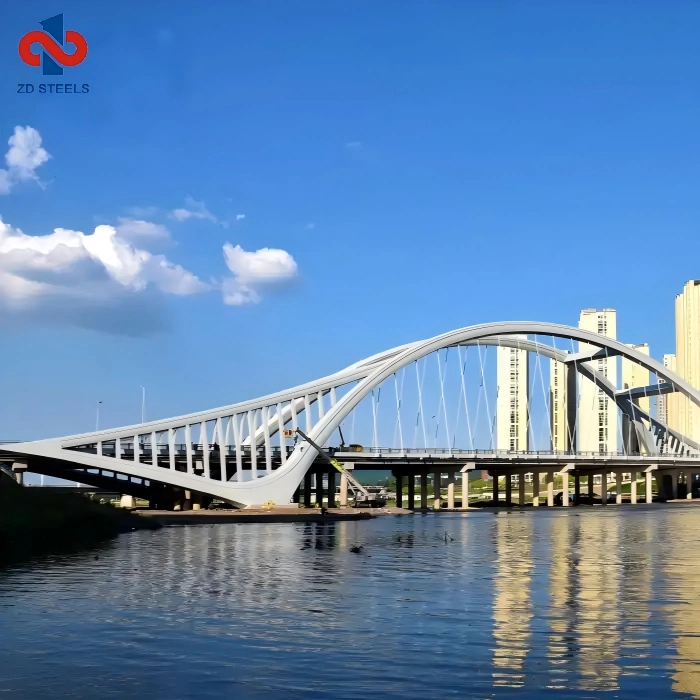
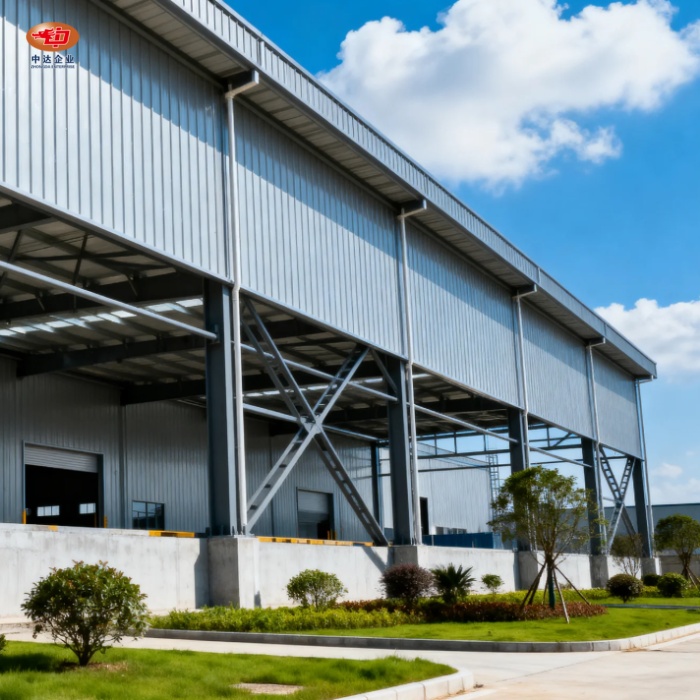
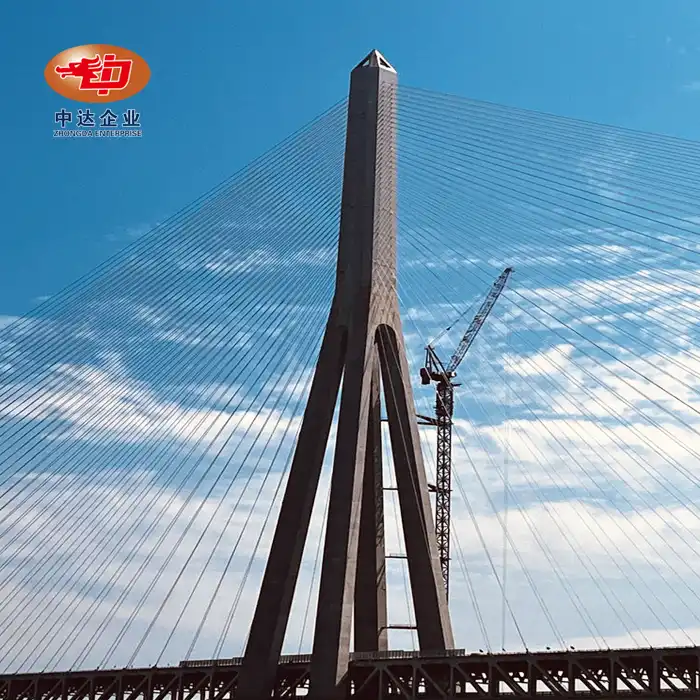
These designed structures are very helpful for transportation facilities. Lattice columns are now commonly used for spans over 50 meters on bridge pier sites across the United States, where solid beams would cause too much dead load. Clear-span designs up to 100 meters are used in industrial facilities, especially distribution centers that handle logistics for e-commerce. This gets rid of the need for middle supports that limit operational freedom. Developers of renewable energy use these systems for solar tracker structures and wind turbine supports. They do this by taking advantage of the fact that they are treated to be immune to rust and have exact load distribution properties that are important in tough environments.
Economic and Operational Advantages
Material improvement directly leads to lower costs when buying things. When compared to solid options, projects that use these frames report 20–35% lower steel usage, which has a big effect on total building costs. Installation times are cut by 40–50% with modular prefabrication, which also cuts down on labor costs and shortens critical path schedules. Because there are fewer dead loads, the base doesn't need to be as big because the structure is more efficient. Maintenance costs go down a lot over the life of an asset because it is easy to check visually and hot-dip galvanized finishes that meet ASTM A123 standards are naturally durable.
Key Factors Driving the Choice of Lattice Columns
When choosing vertical support systems for tough jobs, procurement managers and structure engineers look at a number of factors. By understanding these choice makers, you can make sure that the needs of the project and the skills of the product are perfectly aligned.
Mechanical Performance and Load Distribution
AISC 360-16 Section E6 says that the effective slenderness ratio formula takes into account the shear distortion of lacing systems. High-strength low-alloy steels, like ASTM A572 Grade 50 or EN S355JR, have yield strengths higher than 50 ksi and can still be welded and bent. Protocols for testing confirm compressive load limits of 500 tons or more, which is good for important structures like airport hubs and power plants. The triangulated support system successfully moves shear forces, which keeps individual chord sections from breaking in place. Each package comes with verified load estimates and detailed documents of the structure analysis. This speeds up the regulatory clearance process in all countries involved.
Design Flexibility and Customization Capabilities
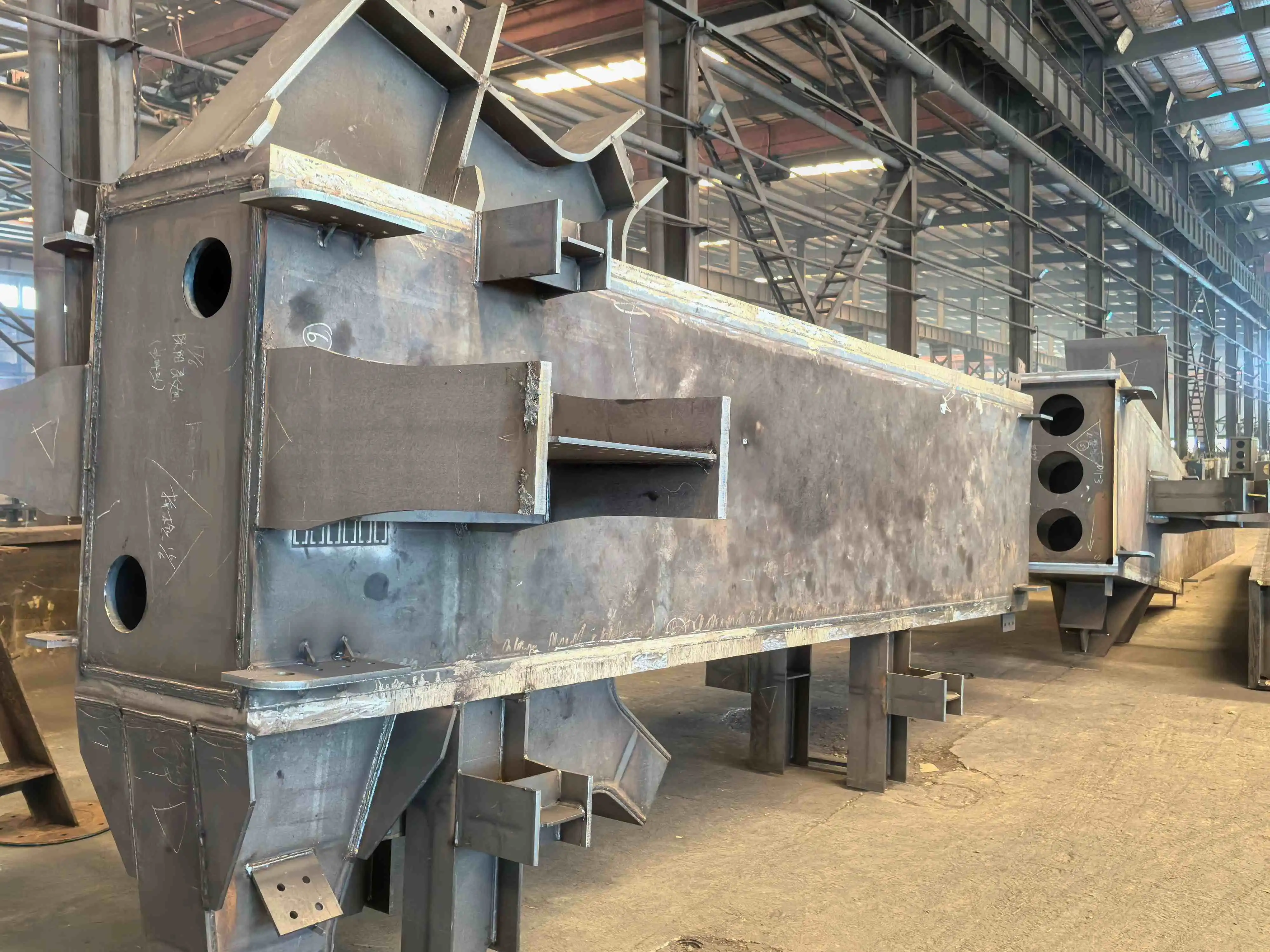
The advanced CNC cutting tools at Zhongda Steel can accurately cut parts to within ±0.2mm of their original size. They can also work with complicated connection details and non-standard shapes. Our BIM-driven prefabrication process works perfectly with building needs, whether they call for box-section designs that are stable in twisting loads or open-lattice designs that let more light through. Depending on the load, custom binding angles between 40° and 70° improve the efficiency of stress transfer. This flexibility is very helpful for EPC companies who are in charge of multi-phase projects where uniformity runs into problems with the limitations of the site.
Environmental Resilience and Longevity
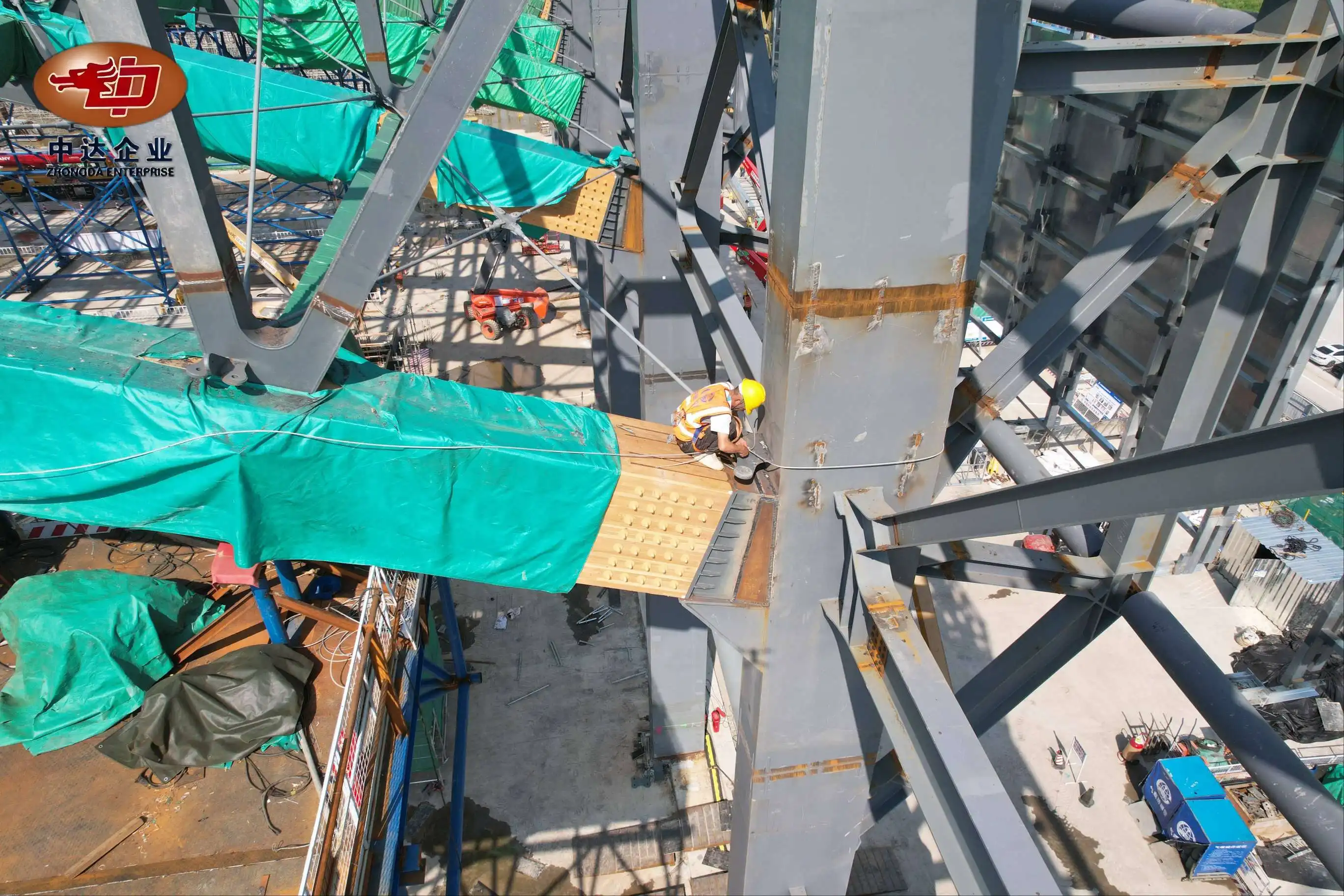
Hot-dip galvanizing methods that follow ISO 1461 create zinc coatings that are thicker than 85 microns, protecting against rust for decades. Our unique weathering steel technology keeps lattice columns strong in temperatures as low as -60°C, as shown by installations in Russia that support Arctic infrastructure projects. Marine-grade alloys that don't let chloride ions or sulfuric acid through are good for use in coastal and industrial settings. This reliability lowers lifetime costs by a large amount compared to systems that need to be maintained often or replaced too soon.
Comparing Lattice Columns to Alternative Structural Solutions
To make strategic choices about buying, you need to know a lot about the different competitive options and how their performance affects different project situations.
Weight and Foundation Cost Implications
Solid steel H-beams and tubes filled with concrete put down big dead loads that move through the structure. A normal 12-meter solid piece that supports the same compressive loads weighs 30–40% more than a similar lattice column. This means that the base needs to be bigger and the holes have to be dug deeper. This extra weight costs a lot when the ground is bad and needs to be fixed with deep piles or other methods. Latticed pier systems allow bridge projects to have longer cantilever lengths without the need for middle supports. This is better for the environment and makes building easier at sensitive river crossings.
Installation Timeline and How Well Workers Do Their Jobs
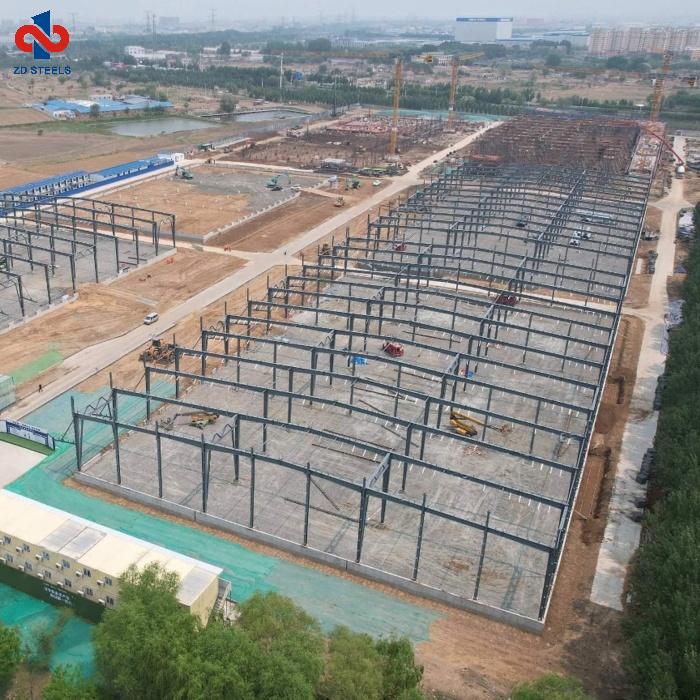
Traditional concrete columns need longer drying times, schedules that depend on the weather, and special formwork systems that take up valuable site room. The steel frames for modular buildings are already made and have finishes applied at the workshop, so they can be put together right away after delivery. Construction teams can finish installation tasks 50% faster, which cuts down on the time needed to rent cranes and the risks that come with being behind schedule. In a recent warehouse project in Vietnam, our latticed column system made it possible to finish the structure two months earlier than planned. This let the client start operations earlier and meet important seasonal logistics demand.
Performance in Seismic and Dynamic Loading Scenarios
Open-web designs are more flexible during earthquakes than options made of weak concrete. Triangulated lacing systems have multiple load lines that let stresses be redistributed slowly instead of catastrophically. More and more, government engineering firms in California and Japan are specifying these frames to meet the strict earthquake design standards of ASCE 7 and other foreign codes that are similar. The dynamic analysis shows that these systems successfully stop vibrations from spreading. This makes them perfect for industrial plants that house sensitive manufacturing equipment that moves around a lot.
How to Select the Right Lattice Column for Your Project?
For design to work, technical factors, provider skills, and the total cost of ownership over the life of the structure must all be carefully considered.
Analyzing Project-Specific Load Requirements
Structural engineers have to figure out effective slenderness ratios that take into account the bending of the lacing system. This usually means that the capacity is 5–10% lower than in ideal solid sections with the same outward measurements. The smallest chord cross-sections and lacing bar sizes are determined by the axial load magnitudes and the moment effects from eccentric loading or lateral forces. For projects that include crane runway supports or equipment platforms, wear loading cycles and impact factors need to be thought about in more detail. The technical team at Zhongda Steel offers detailed finite element analysis models and load-deflection curves. These help designers make decisions with confidence, knowing that their choices are backed by thorough computer proof.
Evaluating Supplier Manufacturing Capabilities
Advanced infrastructure for production has a direct effect on the quality of the products and how reliably they are delivered. Our 120,000 m² factory in Shenyang has CNC plasma cutting tables, automatic bending tools, and robotic welding cells that make sure that all of our production runs of each lattice column are the same size and shape. Material must be able to be tracked from mill certificates to final checking as part of the ISO 9001 quality management system. Critical welds must be checked with ultrasound testing. Large-scale infrastructure projects can be accommodated by an annual production capacity of more than 60,000 tons without affecting shipping plans. Our partnerships with China Railway, CSCEC, and BMW show that we can meet the needs of difficult foreign clients in a wide range of industries.
Calculating Total Cost of Ownership
The initial prices of buying something are only one part of a financial study. Material economy lowers transportation costs by making it easier to load containers. For example, our lightweight designs cut shipping sizes by 25–35% compared to solid options. Shorter installation times mean lower secondary costs during the building phase, such as site overhead, tool rental, and finance fees. With minimal upkeep needs and service lives of 30 years or more, there are no ongoing costs for fixing rust or strengthening the structure. When procurement managers do life-cycle cost analyses, they always find that latticed models give them a better return on investment. This is especially true in situations where being able to check or change something is strategically important.
Future Trends and Innovations in Lattice Column Technology
As materials science and digital technologies keep getting better, they change the ways that designed structure frames can be used and their powers around the world.
Advanced Materials and Sustainable Manufacturing
Microalloying vanadium and niobium into high-strength, lightweight metals makes them stronger than 80 ksi while keeping their toughness and ability to be welded at low temperatures. When compared to standard grades, these next-generation steels allow for even more weight savings of 15-20%. This is especially helpful for transportation structures where lower dead loads add up over whole structural systems. Our production processes use 95% or more reclaimed steel, which helps us meet LEED certification goals and keep our company's sustainable promises. Low-emission coating technologies use water-based bases and powder topcoats to get rid of harmful organic substances while still protecting each lattice column against rust.
Digital Integration and Predictive Maintenance
IoT-enabled structural health tracking systems built into key frames give real-time information on stress levels, shaking patterns, and the progress of rust. When observed parameters go above design limits, wireless sensor networks send alerts. This lets repair workers do things before the limits of serviceability are reached. Integration of Building Information Modeling makes it possible for structural, architectural, and MEP professionals to work together easily during the planning phase. This cuts down on disagreements and change orders during building. Augmented reality apps help installation crews make connections in complicated ways, which improves quality control and cuts down on mistakes that weaken structures.
Emerging Market Opportunities
As investments in infrastructure grow in Southeast Asia, Africa, and Latin America, there is a big need for basic answers that don't cost a lot of money. As cities and industries grow quickly, governments are looking for tried-and-true technologies that can speed up project completion without lowering safety or durability. To help global trade grow, port facilities need to be expanded with lattice column structures. This needs large-span frames that can withstand sea conditions and support automatic container handling systems. Mining operations in rural areas like modular premade lattice column systems because they cut down on the time needed for building on-site, which can be hard to do in tough transportation settings. Forward-thinking buying organizations make it a strategy goal to set up their supply chains so they can serve these growing lattice column markets.
Conclusion
When choosing the right vertical support systems, it has a big impact on the project's costs, completion dates, and long-term usefulness. There are clear benefits to using latticed frames, such as better strength-to-weight ratios, faster building times, and long-lasting performance in harsh environments. A full analysis of the mechanical qualities, the manufacturing skills of the provider, and the lifetime costs lets you make smart purchasing choices that are in line with your business goals. When you work with experienced makers, you get access to the technical know-how, quality control standards, and global logistics support that are necessary for building infrastructure that works.
FAQ
What load capacities can latticed frameworks typically support?
When systems are properly built, they can easily handle axial compressive loads of more than 500 tons. The exact capacities depend on the chord measurements, steel grade, lacing setup, and effective column length. Custom engineering can handle heavier loads by making the members bigger or specifying a high-strength metal.
How do these structures perform in seismic zones?
Because steel is flexible and there are multiple load lines in triangulated lacing systems, they are very resistant to earthquakes. Following the guidelines in AISC 341 for seismic design makes sure that the structure can dissipate energy and avoids breaking easily during an earthquake.
Can frameworks be customized for unique architectural requirements?
Of course. Non-standard shapes, connection details, and size needs can be met by CNC manufacturing technology. Together with architects and structural experts, our engineering team comes up with solutions that meet both visual and structural performance standards.
What kind of upkeep do these systems require over the course of their life?
Hot-dip galvanizing treatments usually don't need much maintenance for 25 to 30 years in most settings. Visual checks done on a regular basis find any rust or mechanical damage that needs to be fixed. Because the design is open, it is easy to do repair and inspection work.
Partner with Zhongda Steel for Your Next Infrastructure Project
Zhongda Steel has been making high-quality steel products for 20 years and can meet your needs for structure framework. Our factory is ISO-certified and makes precision-engineered latticed column systems that meet foreign standards like ASTM, EN, and GOST. From the first planning meeting to the final delivery, our technical team offers full help to make sure you get the best answers for your needs. Our global project knowledge and 60,000-ton annual capacity mean that we can provide steady supply at a good price, whether you are looking for lattice column makers for business developments, bridge infrastructure, or industrial facilities. Get in touch with Ava@zd-steels.com right away to talk about your project needs and get full technical specs that are made to fit your structure problems.
References
American Institute of Steel Construction. (2016). Specification for Structural Steel Buildings: AISC 360-16. Chicago: AISC.
European Committee for Standardization. (2005). Eurocode 3: Design of Steel Structures - Part 1-1: General Rules and Rules for Buildings. Brussels: CEN.
Galambos, T.V. & Surovek, A.E. (2008). Structural Stability of Steel: Concepts and Applications for Structural Engineers. Hoboken: John Wiley & Sons.
Trahair, N.S., Bradford, M.A., Nethercot, D.A. & Gardner, L. (2008). The Behaviour and Design of Steel Structures to EC3. London: Taylor & Francis.
Ziemian, R.D. (2010). Guide to Stability Design Criteria for Metal Structures, Sixth Edition. Hoboken: John Wiley & Sons.
Chen, W.F. & Lui, E.M. (2005). Handbook of Structural Engineering, Second Edition. Boca Raton: CRC Press.
YOU MAY LIKE