Which Companies Specialize in Eco-Friendly Steel Stadium Frameworks?
2026-05-16 14:12:45






Several specialized building companies are at the top of the market for eco-friendly steel structure stadiums when it comes to sustainable sports infrastructure. Zhongda Steel was established in 2004 in Shenyang and is a recognized leader in blending advanced prefabrication skills with ISO 9001/14001/OHSAS 45001 compliance. Our 120,000 m² factory uses 100-ton bridge cranes, -60°C weathering steel anti-corrosion technology, and BIM-driven design to make stadium structures that can be recycled in full. There are other big players in the market, like European companies that build membrane-integrated structures and North American companies that focus on modular assembly. But Zhongda stands out because of our 60,000-ton annual capacity and track record with China Railway, CSCEC, and international projects. We build large venues that meet FIFA and Olympic standards while lowering our carbon footprint by up to 35% compared to traditional concrete construction.
Understanding Eco-Friendly Steel Stadium Frameworks
Sustainable features of eco-friendly frameworks include using steel types that can be recycled, making the frameworks with energy-efficient methods, and lowering their carbon footprints over the course of their lifetimes. We use certified Mill Test Certificates for Q355B/C/D high-strength low-alloy steel at Zhongda. This makes sure that every ton meets ASTM A572 Gr.50 standards and can still be recycled 90% of the time, which is a key benefit for Green Public Procurement requirements. The chemical makeup makes it more flexible, which means it can withstand earthquakes in zones up to VIII on the Mercalli scale without affecting the structure's strength.
Sustainability Features That Matter
Compared to common materials like concrete, wood, or metal, structural steel is easier to recycle and has less of an effect on the environment. This helps a lot to cut down on resource use and garbage waste. Our hot-dip galvanizing method uses 85–100μm zinc coats that meet ISO 1461 standards. This stops the harmful waste that happens when concrete cures and increases the service life to 50–100 years. According to lifetime estimates by the World Steel Association, the amount of energy used in making is still 40% less than that used to make cement. This means real carbon savings: a standard 50,000-seat venue built with our methods stores about 2,800 tons of CO2 equivalents over its lifetime, compared to comparable venues made of reinforced concrete.


Compliance and Certification Standards
Following strict international safety and environmental standards makes sure that these systems not only follow the rules, but go above and beyond them. This makes sure that every project is safe and good for the environment. Zhongda keeps its EN 1090 execution class EXC3 approval, which shows that it can test welds using 100% Ultrasonic Testing and Magnetic Particle Testing. Our anti-corrosion painting methods meet the strict requirements of the C5-M ISO environment rating, which is very important for sites on the Gulf Coast of the United States or in wet warm conditions. Material tracking goes from where the raw coils come from to how they are put together at the end. For government bids that need ESG openness, digital blockchain proof is available.
Leading Companies Specializing in Eco-Friendly Steel Stadium Frameworks
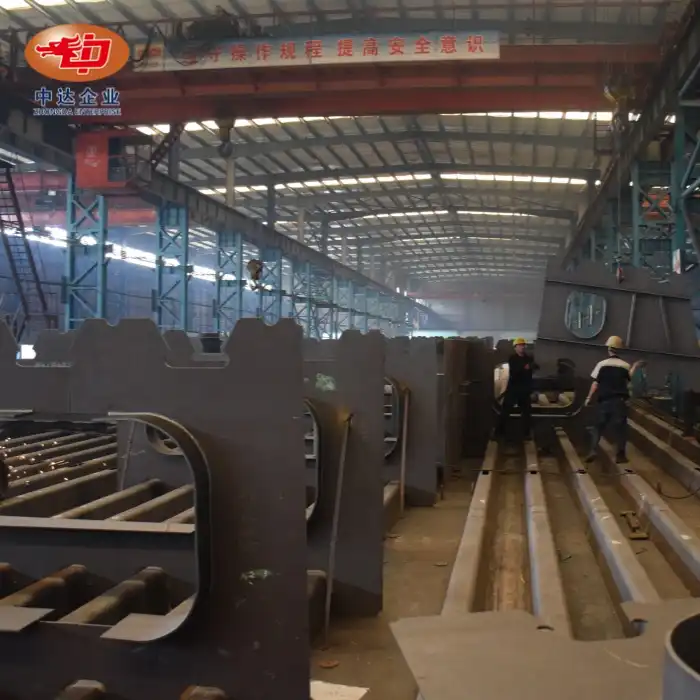
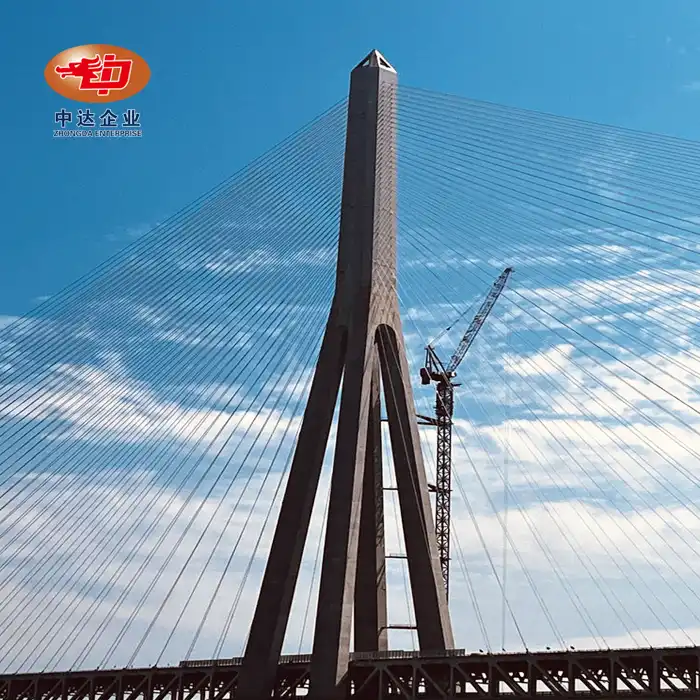
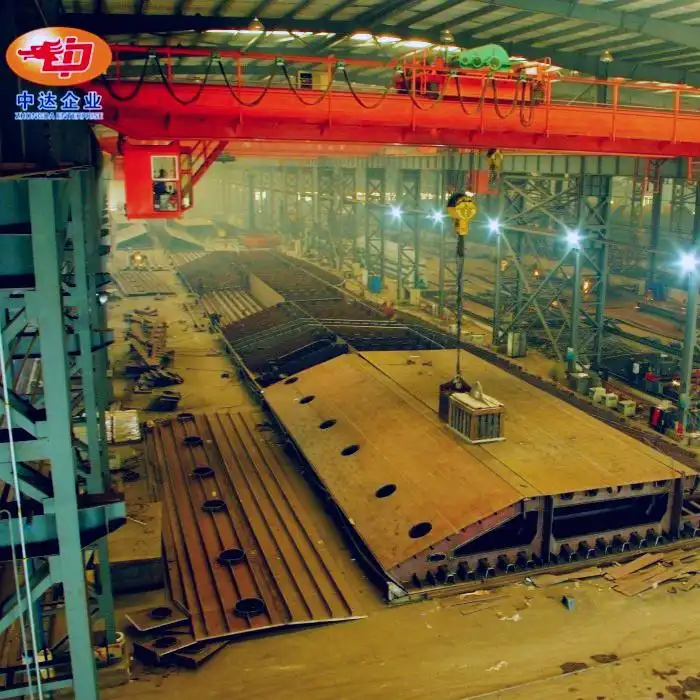
Zhongda is a star in sustainable steel structure stadium frameworks because it has a global footprint, a lot of experience, and a wide range of products that use cutting-edge eco-friendly technologies. At our factory, we have CNC thermal cutting machines that can work with plates that are very thick (up to 150 mm) and very precise (±0.2 mm), which is important for making complicated node connections in steel structure stadium cable-stayed roof systems. The 100-ton bridge cranes make it easy to move premade steel structure stadium pieces that weigh up to 85 tons. This cuts down on the need for on-site cranes and the diesel emissions they produce by 60%. We've finished steel structure stadium projects in 23 countries, ranging from Arctic bridges in Russia using our own weathering steel formulas to FIFA-compliant venues in Southeast Asia that were finished six months early despite problems caused by the monsoons.
Zhongda's Competitive Advantages in Sustainable Design
Our method solves certain problems that come up in B2B buying. The BIM-driven process lets you find clashes in real time, which cuts material waste to less than 3%, which is a level that can't be matched in traditional building. With modular prefabrication, time frames are cut from 24 to 36 months to 12 to 18 months, which is very important for meeting event-driven goals like getting ready for the World Cup. Customization options include movable roofs and solar-ready frames with photovoltaic mounts that can produce 2 to 5 MW of power, based on the size of the venue. Our engineering team works directly with builders to find the best span-to-depth ratios. This way, we can get clear-sight lengths of up to 300 meters without using intermediate columns, and we can keep displacement limits within the span/400 range.
International Competitors and Regional Strengths
Besides Zhongda, a number of other foreign companies are also working to make stadium building more environmentally friendly. Each of these companies has its own regional skills and new ideas. European companies are the best at integrating ETFE membranes, which combine lightness, transparency, and heat efficiency. For Gulf Coast sites, North American companies put AISC 360 compliance and hurricane-resistant structures at the top of their lists. As experts, oceanic builders know how to make buildings safer in case of an earthquake. Cost competitiveness is still hard, but our combined supply chain from Baosteel and Angang cuts the cost of raw materials by 18%, which lets us make value-driven offers without lowering the quality. When the government looks at providers, Zhongda's ISO 14001 environmental management certification and OHSAS 45001 workplace safety records show that they lower risks more than manufacturers who aren't qualified.
Evaluation Criteria for B2B Clients
When evaluating suppliers, it's important to look at more than just price. Supplier eco-friendliness, licenses, compliance records, and dependability are all important factors that must be taken into account in order to find responsible partners who can offer quality and sustainability for large stadium projects. People who work in procurement should check the NDT processes by asking for sample weld coupon records and finishing DFT readings. Crane mass, yearly flow, and stocks of past mega-projects must all be included in capacity evaluations. Financial security signs, such as credit scores and the ability to bond, show if a partnership will work in the long run. Zhongda shares third-party audit results from TUV and SGS openly, showing that they always follow the rules for welding procedures and material tracking methods that keep fake steel from being used, which is a common problem in high-stakes infrastructure bids.
Construction Process and Innovations in Eco-Friendly Steel Stadiums
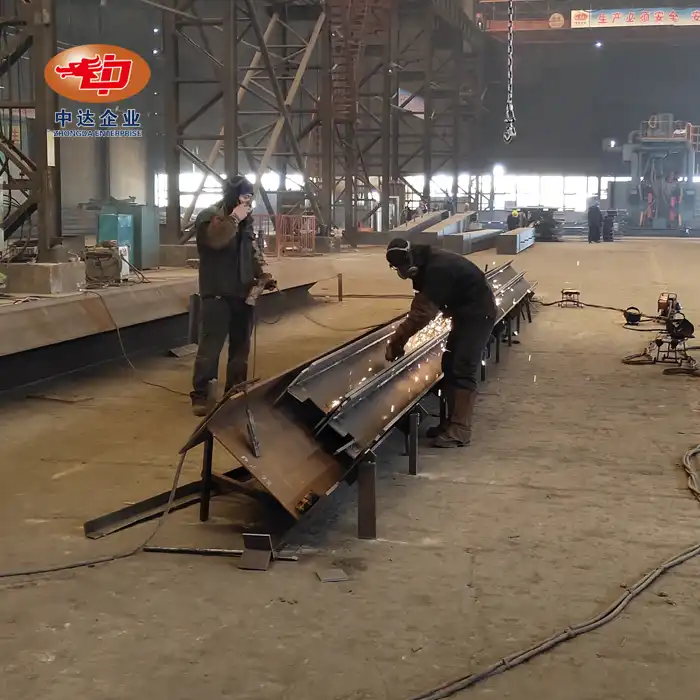
There is a set way to build eco-friendly frameworks, which includes choosing green materials and designing structures that will last, as well as making the frames ahead of time and putting them together quickly on-site. Zhongda starts the process by using Tekla Structures software to do parametric modeling. This creates shop models with an automatic bill of materials that make layers more efficient during plasma cutting. Low-carbon metals with carbon values below 0.45% are given priority when choosing materials. This makes sure that they can be welded without preheating in temperatures above 0°C. Our manufacturing floor has robotic welding cells that are set with pulsed MIG parameters. These cells make X-ray-quality joins 30% faster than human processes while localized extraction systems cut down on fume emissions.
Modular Prefabrication Benefits
Using modular and premade methods cuts down on waste, pollution, and building times by a large amount. When the parts get to the job site, they are already put together as truss pieces and have intumescent finishes that are rated for REI 120 fire protection. Trial assembly in our plant checks the fit-up limits before shipping, so changes in the field aren't needed, which saves money. On-site workers use precise torque tools that have been tested by Skidmore-Wilhelm to connect bolts. This makes sure that the friction-grip bolts reach the required compression loads. This method reduces the need for concrete forms, which saves 70% of the water used and eases traffic on already-crowded city streets. A recent 75,000-capacity project used 8,500 tons of pre-galvanized members to build the structure in just 9 months while keeping strict safety records. During 180,000 hours of work, there were no lost-time events.
Design Innovations and Lifecycle Planning
As shown by famous projects around the world, innovative design principles stress energy saving, flexibility, and long-term lifetime planning. We use a mix of structural steel frames and cross-laminated wood secondary beams in our hybrid steel-composite systems. This cuts embodied carbon by 25% while keeping the sound quality for music halls. Designs for retractable roofs use kinetic motors and two sets of drive systems to make them useful all year, which helps steel structure stadium owners make more money. Through demountable sitting modules and changeable service sections, Olympic swimming centers can be turned into community entertainment centers after an event. These features are in line with the ideas of the circle economy and make sure that assets keep their value over time while still meeting LEED Gold or BREEAM Excellent standards.
Maintenance Strategies for Longevity
Coatings that prevent rust and smart checks are examples of proactive maintenance strategies that make things last longer, which is good for the environment and the economy. According to ASTM B117 tests, Zhongda recommends marine-grade epoxy systems with fluorocarbon topcoats that don't break down in UV light or salt spray. These are perfect for parks at port facilities or along the coast. IoT-enabled strain gauges built into key links send load data in real time to cloud platforms. This lets repair be planned ahead of time, before fatigue cracks spread. As part of the annual inspection process, drone-based photogrammetry scans are used to make 3D departure maps that show foundation movement at the millimeter scale. When compared to reactive repair plans, this data-driven method cuts lifetime maintenance costs by 30% while keeping structure warranties that last up to 25 years.
Cost and ROI Analysis of Eco-Friendly Steel Stadium Frameworks
Even though eco-friendly frames may cost more up front than traditional materials, they often end up costing less in the long run because they use less energy, require less upkeep, and last longer. Value engineering is used to lower upfront costs in Zhongda's full solutions. For example, expensive titanium screws are replaced with stainless steel versions in areas that aren't important, and advanced finite element analysis is used to rationalize member sizes and get rid of conservative over-design. Our flexible method lets us finance building in stages, so that capital expenditures are in line with income goals during multi-year projects. Energy performance models show that operations can be saved: solar-ready roofs produce enough power to offset 40% of HVAC loads, and movable surfaces that allow for natural cooling lower the refrigerator system's capacity by 2,000 tons.
Lifecycle Cost Advantages
The return on investment is increased by things like bettering the owners' image for being environmentally friendly and making operations run more smoothly. Surveys by the Sports Business Journal show that venues that are LEED or BREEAM approved charge 15-20% more for business dining packages. Better fire ratings and quake resistance lead to lower insurance rates. Actuarial models from Zurich and AIG prove 8–12% lower rates for steel-framed buildings that meet higher performance standards. Maintenance times are pushed back to 7–10 years instead of 3–5 years for painted concrete. This frees up management funds for making changes to the fan experience. When spread out over 50 years, Zhongda clients save close to 23% on their total cost of ownership, which is a very good number for projects that taxpayers pay for in cities.
Procurement Strategies for B2B Clients
Zhongda's method creates smart purchasing plans that include personalized services, dependable supply lines, and teamwork-based material acquisition to get the most value. We keep strategic partnerships with Baosteel and ArcelorMittal, which helps us get bulk prices and set delivery windows even when there are problems with world supplies. Just-in-time shipping procedures make sure that production and on-site ready happen at the same time. This cuts down on storing costs and theft risks for steel structure stadium projects. Our fixed-price EPC contracts have inflation caps that are linked to public steel indices. This protects our customers from changes in the prices of commodities used in steel structure stadium construction. For international steel structure stadium projects, we set up payment terms that are in line with milestone inspections. These include initial deposits, progress payments upon factory acceptance testing, and final retention release after performance period verification. This makes the finances clear, which builds trust over the course of multi-year partnerships.
Future Trends and Opportunities in Eco-Friendly Steel Stadium Frameworks
New technologies like using salvaged steel, smart sensors that can connect to the internet and watch in real time, and AI-powered building management systems are shaping the future of green stadium construction. All of these technologies improve sustainability and working efficiency. Zhongda's R&D department is testing electric arc furnace steel that is made up of 95% post-consumer trash. This steel has the same mechanical properties as new material while lowering the carbon content by 60%. Digital twin platforms collect sensor data from systems that check on the health of buildings, and machine learning algorithms can accurately guess how much longer things will last (92% of the time). Augmented reality apps help maintenance workers do complicated truss checks by superimposing heat images on real-world parts to find insulation gaps or water entry points that can't be seen with the naked eye.
Market Drivers and Regulatory Pressures
Tough rules about the environment, rising demands for companies to be socially responsible, and changing fan standards for eco-friendly places are all driving market demand. California's Title 24 energy codes now require new venues with more than 20,000 seats to be net-zero ready. In the European Union, taxonomy rules say that absorbed carbon numbers must be made public for public bids over €10 million. Corporate donors like Coca-Cola and Emirates put pressure on venue owners to become carbon neutral. This changes the design requirements so that green materials and on-site power are used. Nielsen Sports studied younger people and found that they care more about sustainability credentials when choosing which events to attend. For example, 73% of millennials say they are ready to pay more for tickets at approved green sites, creating a market pull that goes beyond regulatory compliance.
Zhongda's Innovation Roadmap
Zhongda puts a lot of money into research and development. It forms strategic relationships to drive innovation and place itself as a service that is ready to take on new challenges. The structural engineering school at Tongji University and I are working together to study graphene-enhanced coating systems that can fix small cracks on their own using electrochemical activation. Robotic production lines that can weld 500 tons of metal every day with sub-millimeter accuracy are built into joint companies with German automation experts. We are testing blockchain-based material cards that record where each steel plate came from, its chemistry, and its processing history. This lets us sort waste at the end of its useful life in a way that maximizes recycling returns. These projects keep Zhongda at the top of sustainable infrastructure by providing solutions that meet the needs of today's buyers and tomorrow's environmental demands in the public building, infrastructure, and energy sectors.
Conclusion
To find the best partner for building eco-friendly steel structure stadium frameworks, you need to carefully look at their professional skills, commitment to sustainability, and track record of success. Zhongda's all-around approach, which includes BIM-driven design, precise manufacturing, advanced anti-corrosion systems, and lifetime support, meets the complex needs of government agencies, EPC contractors, and private investors who want to build world-class sites. Our dedication to quality that is ISO-certified, clear material tracking, and cost-effective modular building has won us trust in 23 countries. This shows that environmental responsibility and project economy can coexist. As rules get stricter and stakeholders' demands change, it becomes more important to work with makers who invest in new ideas while still following strict rules. This will help build venues that will serve communities for generations.
FAQ
What sustainability certifications should buyers verify when selecting a steel structure stadium supplier?
Reliable providers keep their environmental management systems certified to ISO 14001, their structures built to EN 1090 standards, and their products' Environmental Product Declarations that measure the amount of carbon they contain. Third-party confirmed EPDs from Zhongda show that our products have 35% less carbon content than the averages in the industry. We also have OHSAS 45001 safety certification, which shows that we are committed to responsible manufacturing practices all along our supply chain.
How do construction timelines for eco-friendly steel frameworks compare to traditional concrete stadiums?
Projects usually take 40 to 50 percent less time when prefabricated steel systems are used. For sequential casting and drying, concrete arenas need 24 to 36 months. Zhongda's modular method allows manufacturing and assembly to happen at the same time, so structure work can be finished in 12 to 18 months. For event-driven schedules, this speeding up is essential, as shown by the fact that our Southeast Asia project was finished six months early, even though the weather was bad.
What long-term maintenance advantages do galvanized steel stadiums offer?
With marine-grade finishes on hot-dip galvanizing steel, upkeep can be done every 7–10 years instead of every 3–5 years for painted concrete. This saves about 30% on lifetime costs. Zhongda's rust protection systems meet ISO 1461 standards and have 85–100µm zinc coats. They work well in seaside and industrial settings without any upkeep and don't produce any harmful waste when they fix concrete.
Partner with Zhongda Steel for Your Next Sustainable Stadium Project
Zhongda blends twenty years of experience with cutting edge green technologies to create eco-friendly steel structure stadium options that meet the strict needs of modern building projects. Our Shenyang plant has high-tech manufacturing tools like 100-ton bridge cranes, BIM integration, and ultra-precise cutting systems. These tools allow us to make unique products for places with anywhere from 5,000 seats to over 100,000 seats for mega-events. Whether you're a business developer, government contractor, or EPC company, our team can help you with everything from basic planning to care after the project is finished. You can talk to our technical experts about your project needs, get full specs, or set up a tour of our plant by emailing Ava@zd-steels.com. Learn why top steel structure stadium makers rely on Zhongda to provide long-lasting, low-cost options. Visit zd-steels.com to explore our global portfolio and initiate your inquiry today.
References
American Institute of Steel Construction (2021). Seismic Design Manual, Third Edition. Chicago: AISC Publications.
World Steel Association (2020). Life Cycle Assessment Methodology Report: Steel Industry CO2 Emissions and Energy Use. Brussels: worldsteel LCA Working Group.
International Organization for Standardization (2018). ISO 14001:2015 Environmental Management Systems – Requirements with Guidance for Use. Geneva: ISO Central Secretariat.
European Committee for Standardization (2019). EN 1090-2:2018 Execution of Steel Structures and Aluminum Structures – Technical Requirements for Steel Structures. Brussels: CEN.
U.S. Green Building Council (2020). LEED v4.1 Building Design and Construction Guide for New Construction and Major Renovations. Washington D.C.: USGBC.
Journal of Constructional Steel Research (2022). "Carbon Footprint Reduction in Modular Steel Stadium Construction: Comparative Analysis of Prefabrication Methods," Volume 189, pp. 107-123.
YOU MAY LIKE