Why Steel Structure Stadiums Are the Future of Sports Architecture
2026-05-08 11:20:30






Steel structure stadiums are changing the way sports buildings are made with their advanced engineering frames that make them very strong, long-lasting, and flexible in terms of design. Instead of using concrete or wood like most stadiums do, these ones use high-strength structural steel like Q355B or ASTM A992 types to make huge spans over 100 meters without any annoying middle beams. The engineering method solves important problems in modern venue construction, like shortening the time it takes to build, lowering the cost of the base, making the building more resistant to earthquakes, and making it possible to recycle everything. Steel is becoming the material of choice for procurement managers looking for reliable, cost-effective building solutions for global sports events that need things to be delivered faster and in a way that doesn't harm the environment.
Understanding Steel Structure Stadiums: Definition and Core Benefits
What Makes Steel Structure Stadiums Different
A steel structure stadium is a big sports arena that uses designed steel frames instead of the more common reinforced concrete. H-beams, pipe trusses, space frames, and cable-membrane systems are used in the main load-bearing system to make artistic spans that standard materials can't match. This building method solves major problems in the industry by cutting down on structural dead loads by a large amount. This directly leads to lower base costs in geotechnical engineering projects.
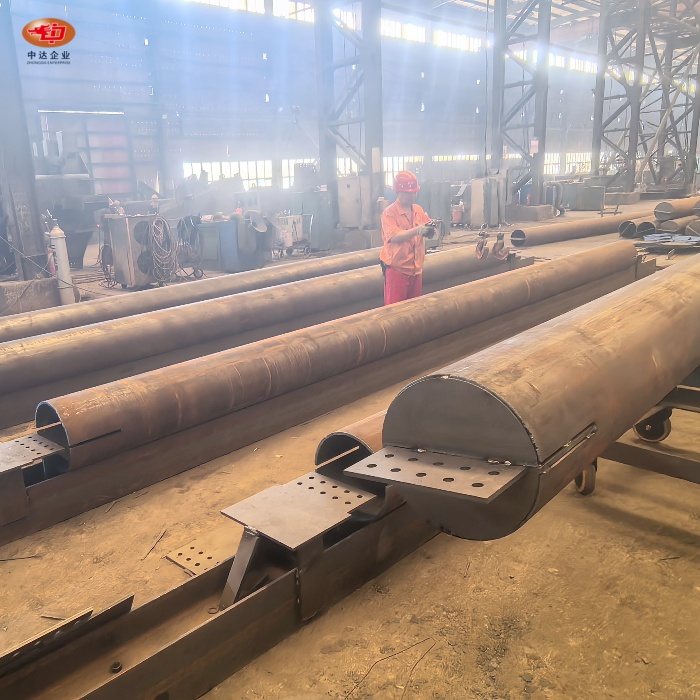
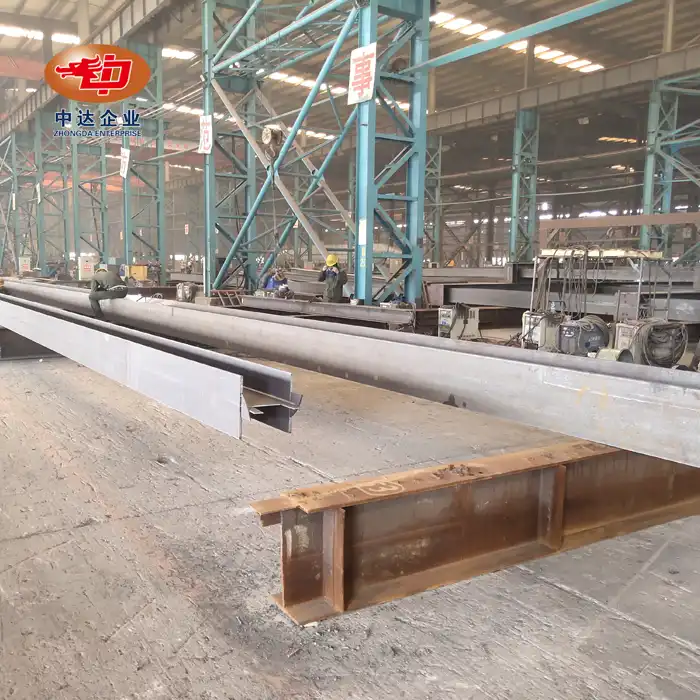
Because steel structure stadium construction is flexible, it changes the way we build stadiums in a big way. Prefabrication is done in controlled factories that have 100-ton bridge cranes and cutting machines that can be accurate to within 0.2mm. This level of accuracy makes sure that all the parts fit together properly when they are put together on-site, which cuts down on the delays and extra work that are common in traditional building. This benefit of prefabrication is very useful when projects need to be finished quickly, like for foreign sports events.


Core Advantages for Procurement Teams
Steel structure stadium buildings have measured benefits that have a direct effect on the success of a project. The strength-to-weight ratio of structural steel is much higher than that of concrete, which lets architects make dramatic cantilever parts that reach more than 50 meters in length. This feature gets rid of the need for support bars that get in the way, so everyone can see without any problems, no matter where they are sitting.
Sustainability factors are becoming more and more important in purchasing decisions. Steel can be recycled over and over again, which is in line with LEED green building standards and Green Public Procurement rules that government companies must follow. When a stadium is no longer needed or needs to be rearranged, its steel parts still have value and can be used for other projects. This cycle economy method is very different from tearing down concrete buildings, which creates a lot of trash that needs to be thrown away.
Another strong benefit is that construction goes faster. From our experience, steel structure stadium projects usually finish in 12 to 18 months, while concrete projects take 24 to 36 months. This 40% time savings comes from preparing the site and making the parts at the same time, followed by quick assembly on-site. When event planners have to meet strict goals, this shortened timeline often determines whether the job can be done.
Technical Properties That Matter
The limits of efficiency are set by the material specs. Some types of high-strength low-alloy structural steel, like Q355B/C/D (equal to S355JR or ASTM A572 Gr.50), have a minimum yield strength of 355 MPa. This means that structures will stay strong even when they are subjected to extreme dynamic loads like wind gusts, earthquakes, and movements caused by people walking on them. These types of steel are very flexible, which means they can be bent or shaped without breaking. This gives important safety gaps in case of unexpected loads.
In open settings, steel structure stadium corrosion protection needs close attention. Hot-dip galvanization with a zinc covering thickness of more than 85 µm, which meets ISO 1461 standards, is an advanced surface treatment. Heavy-duty painting methods, on the other hand, use epoxy zinc-rich bases and fluorocarbon finish coats made for C4/C5 corrosive environments. These safety steps make structures last 50 to 100 years longer with little to no upkeep.
Intumescent coating technologies are used after manufacturing to achieve REI 120 scores for fire protection. When these special coatings are heated, they spread and form layers of insulation that keep steel parts from hitting the temperatures at which they will fail. This passive fire protection meets building code requirements without taking away from the design's aesthetic goals.
Construction Process and Design Innovations in Steel Structure Stadiums
Phase-Based Construction Methodology
The first step in building a steel structure stadium is coordinating all the designs. BIM-driven modeling combines the vision of the architect with the needs of the structure and the mechanical, electrical, and plumbing (MEP) systems. This finds problems before they are built. This digital teamwork cuts down on change orders and makes sure that the project can be built. Engineers who work on structures choose the best steel grades based on estimates of the loads, the surroundings, and the budget. For full traceability, material specs include full mill test papers that list the chemical make-up and mechanical qualities of the material.
In sites that are ISO 9001-certified, prefabrication turns raw steel into precise parts. CNC plasma cutting tables, automatic welding stations with robotic arms to ensure uniform quality, and dimensional inspection systems that check for tolerance compliance are all examples of high-tech tools. Large parts are put together for the first time in the workshop to make sure that the complex nodes and truss pieces fit within ±2mm tolerances. This pre-verification gets rid of the problems that come up with standard building during the fit-up phase.
Logistics management makes sure that parts are delivered on time and in the right order for fitting. Transportation planning takes into account things like limited space, required routes, and the structure of staging areas. When they get there, mobile cranes place parts according to the construction plans, and connection crews finish the joints by bolting or welding them together. Some of the quality control measures used are 100% acoustic testing of full-penetration welds, magnetic particle testing to find surface cracks, and Skidmore-Wilhelm testing procedures for torque calibration for high-strength friction grip bolts.
Innovative Design Solutions
Modular designs are very adaptable to meet a wide range of project needs. Seating bowl configurations can be changed to fit anywhere from 5,000-seat community halls to venues with more than 100,000 seats for World Cup games. The structural grid grows consistently, keeping the same connection features that make engineering and building easier. This flexibility lets developers perfectly match capacity to expected population growth and limited funds.
Solutions for roofing show a lot of creativity. Steel guide tracks and support structures are built into retractable roof systems so that membrane or panel parts can open, turning indoor events into outdoor ones. Cable-stayed designs make striking looks while using as little material as possible by using efficient load lines based on tension. Space frame roofs spread the weight evenly across the columns that support them. This gets rid of stress spots and lets the inside span up to 300 meters without any columns.
Post-event adaptability takes into account worries about long-term worth. Olympic sites have a history of not being used much after the games are over. Modular steel construction makes it easy to change the layout of buildings, turning specialized facilities into community assets that can be used for many things. Swimming pools turn into public swimming places with extra fun things to do. Adding classrooms to track and field grounds makes them into buildings that are both sports and learning spaces that meet the needs of the community for a long time.
Safety and Compliance Standards
Base separation systems and moment-resisting frames are two parts of seismic engineering for a steel structure stadium that help break down earthquake energy. When structural parts are made for ductile behavior, they can bend and stretch without breaking completely. Details about the connections describe designs that protect against capacity loss, where fuses break regularly while core members stay flexible. These plans keep people safe even in the worst possible earthquake situations.
Fire protection meets building codes in a number of different ways. Intumescent layers get 50 times thicker when burned, which keeps steel from getting too hot during a fire. Critical beams can also be protected by a concrete encasement. Fire engineering looks at models of smoke flow and escape times to make sure that the building stays stable long enough for everyone to leave. Certification paperwork proves REI scores between 60 and 180, based on the type of occupancy and the rules set by the local government.
Every part of the manufacturing and installation process is governed by international standards. The EN 1090 approval checks that plant production control systems meet European standards. Getting an AISC license shows that you follow the rules for structural steel in North America. This dual license makes it easier to bid internationally and gives clients peace of mind that the quality will be the same no matter where the project is located. Material traceability through mill test certificates, welding process specs, and welder qualifications makes quality paperwork that meets the highest standards and passes the strictest procurement checks.
Cost Considerations and Procurement Strategies for Steel Structure Stadiums
Total Cost of Ownership Analysis
To understand lifecycle economics, you have to look at more than just the original building costs. The costs of materials are based on how much steel is selling for on the market right now. Procurement teams can keep prices stable by using fixed-price contracts or trading strategies. The cost of labor varies by area, but in general, steel structure stadium building costs less because it can be put together faster and with fewer delays caused by bad weather. When considering options, the compressed plan lets private operators make money earlier or helps government projects offer public services faster.
The long-term benefits of steel can be seen in its maintenance costs. When steel surfaces are properly covered, they don't need much work. Coating checks should happen every five years, and touch-ups should be done every fifteen to twenty years. Maintenance work is always needed on concrete buildings to fix problems like water damage, deteriorating expansion joints, and concrete flaking. When you add up all the maintenance costs over 50 years, steel is by far the better choice, especially when you consider the costs of downtime during repairs.
Using less energy has a big effect on running costs. Steel frames can hold thick insulation systems in the roof and wall parts, which results in high R-values that lower the loads for heating and cooling. Integration with solar-ready roof designs allows for the production of green energy, which could help offset a large part of the power needed for operations. These steps to improve productivity are in line with the goals of Green Public Procurement and will save real money on energy costs.
Supplier Selection Criteria
Systematic review is needed to find qualified steel structure stadium suppliers. Manufacturing skills are the most important part of the evaluation process. Facilities must have enough production space, the right tools, like heavy-duty bridge cranes, and quality management systems that are ISO 9001 approved. Site visits confirm the claimed abilities and show organizational competence by looking at how the plant is set up, proof of employee training, and standards for equipment upkeep.
A certification resume shows that you are committed to meeting foreign standards. The EN 1090 approval proves that structure steelwork meets European standards. AISC approval proves that North American standards are being followed. Extra standards like ISO 14001 (for environmental management) and OHSAS 45001 (for health and safety at work) show that management systems are complete. By proving a supplier's abilities through an outside evaluation, these third-party checks lower the risk of buying.
Referrals from clients are a great way to find out how well a company is doing. Teams in charge of buying things should ask for contact information for three to five recent projects that were about the same size and level of difficulty. Reference calls should talk about sticking to the plan, managing the budget, how to solve problems, and providing help after the delivery. Site visits to finished projects show levels of quality and long-term performance, giving more information than just sales pitches and marketing materials.
Procurement Process Optimization
Customizable kits make it easier to get basic patterns. Suppliers who give pre-engineered options based on levels of seating capacity cut down on engineering time and make prices more reliable. These systems use tried-and-true link details, standard member sizes, and load limits that have been proven. Customization choices let you change the way it looks and make changes that are specific to the site, but the structure's basic logic stays the same. This balances speed with the needs of each project.
Turnkey installation services make completing a job easier by putting all the responsibility on one person. Verification of the plan, manufacturing, transportation, erection on-site, and quality tests are all covered by the same contract. This unified method gets rid of problems that come up when working with various contractors and makes it clear who is responsible for what. Turnkey providers take on more performance risk, which encourages efficient execution and problem prevention over relationships that are focused on making claims.
Communication procedures lay the groundwork for a project's success. It's easier to understand performance needs, material grades, and finishing standards when there are clear technical specs. During manufacturing and assembly, alignment is kept up through regular progress meetings with written action items. Digital collaboration tools let people share information in real time, such as reviews of shop drawings, answers to requests for information (RFIs), and approvals of submittals. These organized communication practices keep things on track, cut down on delays, and make sure that everyone is on the same page from signing the contract to putting it into action.
Conclusion
Steel structure stadiums are a great example of how modern sports design brings together technical excellence, economic realism, and environmental responsibility. The strong benefits—shorter building times, better resistance to earthquakes, more design options, and full recycling—solve the most important problems that procurement professionals, government contractors, and venue owners face. As global sports events expect faster delivery, environmental responsibility, and long-term value, steel stands out as the clear material of choice. Specifications for technical performance, lifetime cost studies, and successful project implementations around the world all show that steel is better than traditional materials.
FAQ
How do the prices of steel and concrete stadiums compare?
Initial building costs for steel structure stadiums are usually between 5 and 10 percent of those for concrete stadiums of the same size. However, exact numbers can change depending on the project's needs, the site's conditions, and the complexity of the design. The clear economic benefit comes from lifetime cost analysis. Steel's faster building schedule means that they can start making money or helping the public sooner. A 12-month schedule advantage on a big venue means a lot of missed opportunities. When it comes to maintenance costs, steel is much better than concrete because it doesn't need as much work to fix damage from water and reinforcing rust when it is properly protected. When procurement teams look at the total costs of ownership over 50 years, which include upkeep, working efficiency, and end-of-life value, steel always saves 20 to 30 percent.
What environmental benefits do steel structure stadiums provide?
There are several ways that steel venues can reach their environmental goals. The material can be recycled over and over again without losing any of its quality, which makes it possible to use circular economy ideas. When places are no longer needed, their steel parts still have a lot of value and can be used for other things. Modern electric arc furnaces make steel mostly from recovered materials, which shows that manufacturing efficiency is still getting better. When compared to casting concrete, construction waste is much lower because precise prefabrication gets rid of extra material and off-site manufacturing keeps waste lines organized for easy recycle. Some operational benefits are better insulation, which lowers energy use, the ability to build in solar systems, and structures for collecting rainwater. These features help projects get LEED approval and meet the Green Public Procurement standards that are being pushed harder and harder for public infrastructure.
Which steel grades work best for different stadium applications?
The type of steel used depends on the project's needs, such as span lengths, weather exposure, earthquake concerns, and budget limits. For most stadium uses, Q355B or types similar to it (S355JR, ASTM A572 Gr.50) are a great mix of strength, weldability, and cost-effectiveness. These low-alloy high-strength steels have a minimum yield strength of 355 MPa, which is good for widths up to 150 meters. Applications in harsh environments, like coastal areas, industrial areas with airborne pollutants, or areas with very high or very low temperatures, benefit from stronger grades that prevent corrosion or better safety systems. In seismic zones, grades with better flexibility and toughness may be required. Connection-heavy designs carefully think about how to weld, choosing grades that work with the planned welding steps. Structure engineers who are qualified look at these factors in a planned way and come up with the best combos that meet performance needs while keeping costs low.
Partner with Zhongda for Your Next Steel Structure Stadium Project
Zhongda turns stadium ideas into real buildings by using precise engineering and tried-and-true methods of completion. Our factory is 120,000 square meters and is ISO 9001-certified. It has 100-ton bridge cranes and advanced production systems that can cut ultra-thick plates to within ±0.2mm limits. We offer custom production services for full steel structure stadium frames or specialized parts, helping with projects ranging from community venues with 5,000 seats to mega-stadiums with 100,000 or more seats. Our BIM-driven prefabrication methods and -60°C weathering steel anti-corrosion technology have won us the trust of government contractors, EPC firms, and commercial producers around the world, in Arctic, tropical, and seismic environments. Our manufacturing capabilities can do more than just make the structures. We offer turnkey services that include verifying the designs, coordinating supplies, installing the structures on-site, and certifying the quality to international standards. Email our engineering team at Ava@zd-steels.com to talk about your project needs and find out how Zhongda's precision solutions can help you build stadiums that are faster, smarter, and last longer.
References
American Institute of Steel Construction (2016). "Specification for Structural Steel Buildings (AISC 360-16)," Chicago: AISC Publications.
Chen, W.F. and Lui, E.M. (2018). "Handbook of Structural Engineering, Second Edition," Boca Raton: CRC Press.
European Committee for Standardization (2015). "Eurocode 3: Design of Steel Structures - Part 1-1: General Rules and Rules for Buildings (EN 1993-1-1)," Brussels: CEN Publications.
Kareem, A. and Kijewski, T. (2002). "Wind-Induced Effects on Stadium Structures: Aerodynamic Considerations and Field Measurements," Journal of Wind Engineering and Industrial Aerodynamics, Vol. 90, pp. 1517-1533.
Sheward, H. and Bougard, A.J. (2012). "Steel Construction: Architecturally Exposed Structural Steel in Buildings," Steel Construction Institute Technical Publication.
World Steel Association (2020). "Sustainable Steel: Policy and Indicators 2020," Brussels: worldsteel Sustainability Reports.
YOU MAY LIKE