
Do You Know the Role of Steel Box Girders in Bridge Construction?
2026-04-16 09:28:40






If you've ever driven over a modern highway bridge or looked at a beautiful river crossing, you've probably seen a steel box girder in action. These hollow, rectangular building blocks have changed the way long-span bridges are built. They offer a unique mix of strength, speed, and longevity that regular I-beams just can't match. Steel box girders are an important part of modern infrastructure development because they provide the torsional stiffness and load distribution needed for today's difficult bridge projects, from curvy urban interchanges to major river crosses that span hundreds of meters.
Understanding Steel Box Girders: Design Principles and Structural Advantages
What Makes the Box Section Unique?
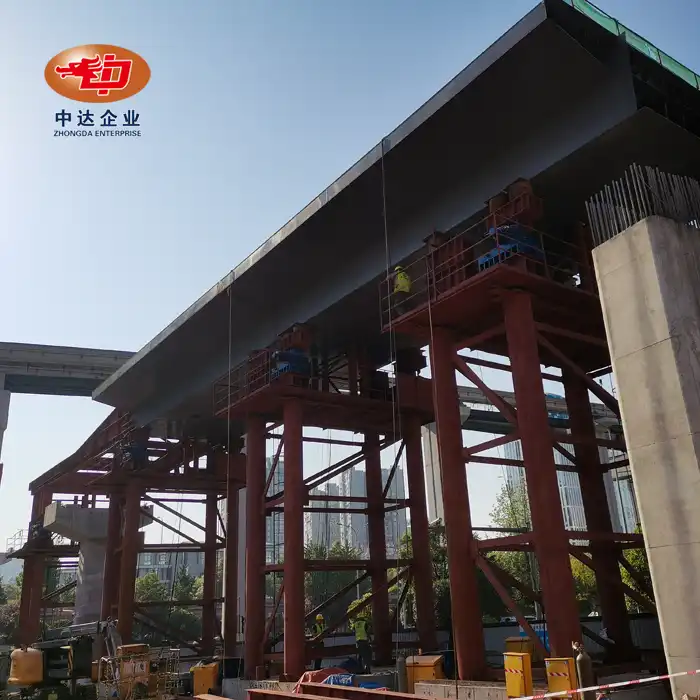
The closed-section shape of a steel box girder is what makes it unique. In contrast to open profiles like I-beams, this design is made up of two vertical web plates that are joined by top and bottom flange plates to make a hollow space that is sealed. This shape has a very high torsional stiffness—often hundreds of times higher than similar open sections. This makes it the best choice for bridges with bent lines that need to withstand strong twisting forces. The circular shape lets the load be spread across multiple areas at the same time, which stops stress from building up in one place that could weaken the structure.
For the main structural parts of modern steel box girders, high-strength low-alloy steels, mostly Q345D grade with a minimum yield strength of 345 MPa, are used for manufacturing. In areas where connections are very important, Q420D steel is often used because it offers better strength at welded joints, which is where stress release is strongest. These material standards ensure repeatable performance under dynamic loading conditions, including heavy car traffic and wind-induced oscillations.
Core Advantages Over Traditional Girder Systems
When you look at key performance measures and compare them to other options, it's clear that steel box girders are better. When engineers look at different choices for bridge superstructures, they always find strong reasons to choose box section designs for tough jobs.


Exceptional Torsional Resistance: The closed-cell structure naturally resists bending moments without the need for complicated support systems outside the cell. This benefit is especially useful on curvy bridge sections where cars put uneven loads on them, causing torsional stress. Steel box girders naturally fight these forces because of the way they are built. They stay straight and don't warp like open-section options do.
Optimized Strength-to-Weight Ratio: Steel box girders are surprisingly light for how strong they are compared to concrete options. This lower self-weight immediately leads to fewer base needs, less damage from earthquakes, and lower building costs. As span lengths get longer than 100 meters, the weight advantage becomes more important because concrete buildings get too heavy to use.
Enhanced Aerodynamic Performance: The smooth outside shape lowers wind drag and raises aeroelastic stability. This quality is very important for cable-stayed and suspension bridges because fluttering or running caused by wind could make them less safe. The smooth surfaces make it possible for air to flow steadily around the structure, which stops dangerous movements and reduces the number of vortices that are shed.
Interior Accessibility: The hollow room protects paths for inspections, utility lines, and sewage systems. Maintenance workers can get to the inside without worrying about the weather, which makes regular checks safer and more thorough than checks done from the outside alone.
All of these benefits solve basic problems that have generally made bridge design less flexible and less effective. Steel box girders solve problems with span capacity, physical complexity, and long-term sturdiness, making it possible for infrastructure solutions that weren't possible before or couldn't be afforded.
Real-World Performance in Challenging Environments
Steel box girder technology has been useful in a wide range of situations. The 18,000-ton Shenyang Dongta Cross-Hunhe River Bridge shows that huge structural demands can be met while still keeping building costs low. These kinds of projects prove that the technical ideas behind steel box girder design are sound and that they can be trusted for important building projects.
In areas prone to earthquakes, the bendability of well-designed steel box girders lets controlled energy escape during ground motion events. The structural redundancy of the box section—with load routes spread across multiple plate elements—keeps the whole thing from breaking, even if some parts get damaged in one place. This makes procurement officials feel good about their building investments, knowing that they will be able to handle extreme environmental problems for a long time.
Construction Methods and Manufacturing Process of Steel Box Girders
Modern Fabrication Techniques
From the raw steel plate to the finished bridge part, there are a lot of complex manufacturing steps that have a direct effect on the quality of the end structure. Our 120,000 m² plant at Shenyang Zhongda uses vertically integrated production methods that let us oversee the whole process of making a steel box girder.
The process starts with choosing the materials. High-quality steel plates come with mill approvals that list their chemical make-up and mechanical qualities. Before the material goes into production, our quality control team checks that these specs are correct. This makes sure that they meet project needs and foreign standards like ASTM A709 or EN 10025.
With CNC ultra-thick plate cutting technology, measurements can be accurate to within ±0.2mm. This level of precision is very important when putting together complicated box shapes, since misalignment could hurt the quality of the weld or leave behind stresses. Automated cutting gets rid of mistakes made by people and makes edge preparation constant, which improves the quality of later welding processes.
The important job of joining plate parts into continuous box sections is done by automated welding lines. Our welders are certified by both AWS and JIS, and our processes are in line with the AWS D1.5 Bridge Welding Code. Full-penetration welds are checked for strength by both non-destructive testing and eye inspection. Ultrasonic testing finds cracks inside parts, and magnetic particle or dye penetrant tests find flaws on the outside of parts before they leave the manufacturing bay.
Custom Fabrication Capabilities
Standardized beam designs don't always work perfectly with certain project shapes. A design with a variable cross-section lets beam levels range from 1.25 meters to 8 meters, making the structure's strength exactly match the moment demand along the span. This improvement gets rid of extra material in areas with low stress while focusing resources on areas where the structure needs them the most.
Innovative ways to lose weight are shown by corrugated steel web technology. We can save up to 20% of the weight of web plates while keeping their bending strength by adding controlled geometric corrugations. The corrugated shape makes the material stiffer out of plane, which makes the webs smaller than they would have to be for flat-plate forms. This technology helps projects a lot because it lowers dead load, which saves money all the way through the base and substructure design.
Our engineering team uses BIM-based design integration to make sure that the specifics of the manufacturing work with the overall needs of the project. Three-dimensional modeling finds interference problems before cutting the steel, which keeps expensive changes from having to be made in the field. Digital manufacturing data is sent straight to CNC equipment, so there are no transcription mistakes and the production process goes faster.
Prefabrication and Assembly Strategies
In modern building, projects need to be finished faster without lowering the standard. This need is met by prefabrication, which moves difficult assembly tasks from crowded job sites to controlled plant settings. We make steel box girder pieces that are between 12 and 30 meters long, which makes shipping more efficient while keeping handling weights low.
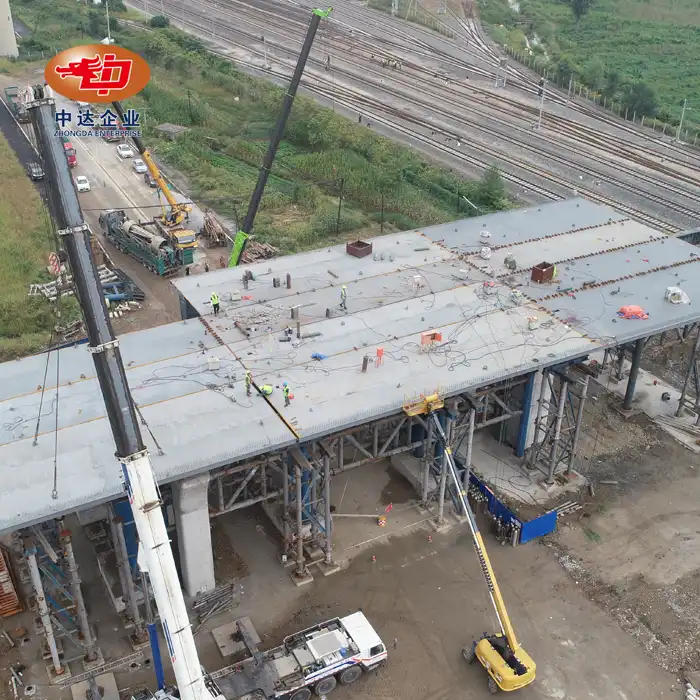
When these premade pieces get to the job site, they are ready to be put together quickly. Heavy-lifting equipment is used by field teams to place elements, and then final bolted or welded connections are made to make unbroken spans. Compared to traditional stick-built methods, this method usually cuts the time spent building on-site by 50%. This means less traffic problems and a faster return on investment for the project.
The improvements in building speed are especially helpful for replacing bridges in areas with a lot of traffic. Prefabricated spans can be put together next to existing buildings and then moved into place during short closing windows by heavy-lift cranes or self-propelled modular carriers. This fast-tracked way for building bridges keeps traffic moving while gradually improving old infrastructure.
Quality Assurance Throughout Production
At every stage of production, strict checking processes check that the structure is sound. Dimensional verification makes sure that the shapes of the parts that were made match the shapes that were designed within certain limits. Material tracking systems keep track of every steel plate from the time it is certified at the mill until it is installed. This makes a full quality record for the project files.
Load and stress analysis models check that the design assumptions are correct before the parts are made. Finite element modeling finds possible stress clusters and makes sure that the safety factors of the material are sufficient for all the expected loading combos. This analytical confirmation goes along with physical testing programs that might include moving prototypes or checking for tiredness for important details.
Because we care about quality, we got ISO 9001 certification and EN 1090 structural steel fabrication approval. This shows that we have a method for controlling our processes so that we always make goods that meet standards. These certifications are known all over the world, so procurement workers can be sure that the production processes follow best practices around the world.
Procurement Strategies for Steel Box Girders in B2B Contexts
Selecting Qualified Suppliers
Partnerships with skilled makers who deliver high-quality goods on time are essential for the success of building a steel box girder. Procurement workers should look at possible sources based on a number of factors that show how good they are at making things and how reliable their business is.
Manufacturing ability is one of the most important things to think about. Suppliers must show that they can make enough to meet the needs of the project without sacrificing quality by rushing the construction process. The annual capacity numbers are one sign, but buying teams should also check to see if facilities have the specialized tools needed to make steel box girders, like CNC thick-plate cutting systems and automatic welding lines.
Quality standards provide proof of controlled processes in a clear and unbiased way. Getting ISO 9001 certification shows that you have well-thought-out quality management systems, and getting EN 1090 certification shows that you know how to make things out of structural steel. Welding procedure qualifications and welder licenses that meet AWS or similar standards show that workers have the skills needed to make important joints.
A supplier's project knowledge shows how well they can handle complicated needs. References from similar bridge projects, especially ones with similar span lengths, loading conditions, or weather risks, show that the person knows what they're talking about. Site visits to past projects let you directly judge the quality of the construction and how well it will work in the long run.
Understanding Lead Times and Logistics
Schedules for infrastructure projects rely on being able to predict when materials will arrive. When making purchases, it's important to think about how long things take to make, how they'll be shipped, and how much space they'll need on-site.
Custom steel box girders usually have lead times of 12 to 20 weeks, but this depends on how complicated the job is and where it is in the production queue. This time frame includes coordinating with engineers, getting materials, building, checking the quality, and applying rust protection. Getting suppliers involved early on in the planning process helps find possible schedule problems and lets fabricators save production capacity for when they think orders will come in.
Transportation plans for big building parts need to be carefully planned out. Steel box girder pieces can be up to 25 meters long, 3 meters high, and 4 meters wide. This makes loads that are too big to carry without special tools and route permits. Suppliers who know a lot about shipping can handle these rules and make sure that supply times work with erection processes.
When setting prices and making plans, volume factors affect both. Large projects that need more than one bridge span may be able to get better terms by combining their purchases in a way that promises a large amount of manufacturing. This method is good for everyone: buyers save money on costs, and sellers keep making things, which makes the best use of their facilities.
Building Strategic Supplier Relationships
At Shenyang Zhongda, we know that projects are more likely to succeed when people work together than when people buy things one at a time. Our 70% client return rate shows that we care about meeting customers' needs and going above and beyond what they expect.
Our team offers technical help for the whole lifecycle of a project, from the original concept consultation to the final installation. This job makes sure that the details of manufacturing are in line with the overall building plans and that any changes made in the field are quickly looked over by engineers. When unexpected conditions at the site call for flexible problem-solving that generic sources can't provide, this partnership method really shines.
We are open and honest about our production skills and limits. We don't make false claims about what our systems can do; instead, we give honest views of what they can do. Being honest like this builds trust and stops shocks in the middle of a project that could put at risk important schedule benchmarks.
Conclusion
In conclusion, steel box girders are tried-and-true technology for demanding bridge uses where speed of building, long-term dependability, and structural economy are key factors. Their better torsional stiffness, best strength-to-weight ratio, and ability to change to complicated shapes get around problems that other structural systems have. These enclosed-section parts work reliably and protect infrastructure investments from the time they are first designed until they are retired after decades of service.
Procurement pros can define the right solutions and choose qualified suppliers if they know about fabrication methods, comparative benefits, and upkeep needs. When you combine the engineering principles that make steel box girders work well with current production techniques and corrosion protection technologies, you get reliable structures that last a long time at the lowest possible cost. As the needs for infrastructure change, steel box girder technology will stay an important part of bridge engineering, providing towns with long-lasting, effective transportation systems.
FAQ
How do box girders improve load-carrying capacity compared to other bridge types?
The closed-section design spreads loads across four plate elements at the same time: two webs and two flanges. This is better than putting all the stress on a few separate parts. Sharing the load makes the structure stronger overall while lowering stress levels in certain areas that could cause wear cracks or buckling fails.
What are typical lead times for custom box girder fabrication?
The time it takes to make something usually runs from 12 to 20 weeks, but it depends on how complicated the project is, how long it takes to get the materials, and the production plan. This deadline could be pushed back by complicated designs with varied cross-sections or specialized rust protection systems. Involving suppliers early on in the planning stages of a project helps make sure that the capacity for manufacturing matches the schedule for building.
How can procurement teams verify supplier quality and certifications?
Ask for proof of your ISO 9001 certification, EN 1090 approval, and welding skills. Contact gave examples from similar jobs so that you could look at how well they did in the past. Before deciding on a supplier, you might want to do a plant audit to see the production processes, quality control methods, and tools in action.
Partner with Zhongda for Your Next Infrastructure Project
For 20 years, Shenyang Zhongda has been a trusted maker of steel box girders, providing precision-engineered solutions to the world's most difficult building projects. Our fully combined services, ranging from BIM-driven design optimization to final installation support, make sure that your bridge parts meet all of your exact requirements and arrive on time.
With the ability to produce 60,000 tons of steel every year and advanced technologies like -60°C weathered steel and ultra-precision plate cutting, we can take on a wide range of projects, from urban interchanges to major river crosses. The same high-quality production that has pleased China Railway, CSCEC, and clients from other countries is ready to help you with your next building project.
Contact our technical team at Ava@zd-steels.com if you are a sourcing manager or project engineer. You can get cheap quotes, design advice, or technical clarity about specific project requirements from our experts. They are available 24/7 to help you and make decisions faster. Find out what Zhongda's experience as a steel box girder provider can do for your project and see why world leaders in infrastructure have trusted them.
References
Chen, B. & Huang, Q. (2019). "Design and Construction of Long-Span Steel Box Girder Bridges: Principles and Practice." Journal of Bridge Engineering, Vol. 24, No. 8.
American Association of State Highway and Transportation Officials (2020). "AASHTO LRFD Bridge Design Specifications, 9th Edition." Washington, D.C.
Troitsky, M.S. (2018). "Orthotropic Bridges: Theory and Design, Second Edition." Lincoln Arc Welding Foundation.
European Committee for Standardization (2021). "Eurocode 3: Design of Steel Structures - Part 2: Steel Bridges." Brussels, Belgium.
Xanthakos, P.P. (2017). "Theory and Design of Bridges: Advanced Structural Analysis Methods." Wiley Engineering Publications.
Federal Highway Administration (2020). "Steel Bridge Design Handbook: Box Girder Systems." U.S. Department of Transportation, Publication No. FHWA-HIF-16-002.
YOU MAY LIKE
_1755137539095.png "warehouse structures")
_副本_1755847551541.jpg "steel portal frame building")
_副本_1754277943321.jpg "Exhibition Hall Building Steel Structure")
_1746242605579.webp "Hard Rock TBM Shield Casing")