Exploring the Role of Steel Fabrication in Modern Stadiums
2026-04-17 08:57:31






Steel structure stadiums have become the preferred option for building professionals all over the world as modern sports infrastructure has greatly changed over the past few decades. Instead of using concrete or wood, these architectural wonders are built with high-grade structural steel as the main load-bearing structure. The benefits are clear: building times are cut by 30–50%, earthquake performance is improved by being flexible, and spans of more than 100 meters can be reached without any intermediate supports. This change solves important buying problems, like getting projects done faster for big events and figuring out how to save money on lifetime costs for city budgets.
Understanding Steel Structure Stadiums and Their Benefits
What Defines a Modern Steel Stadium?
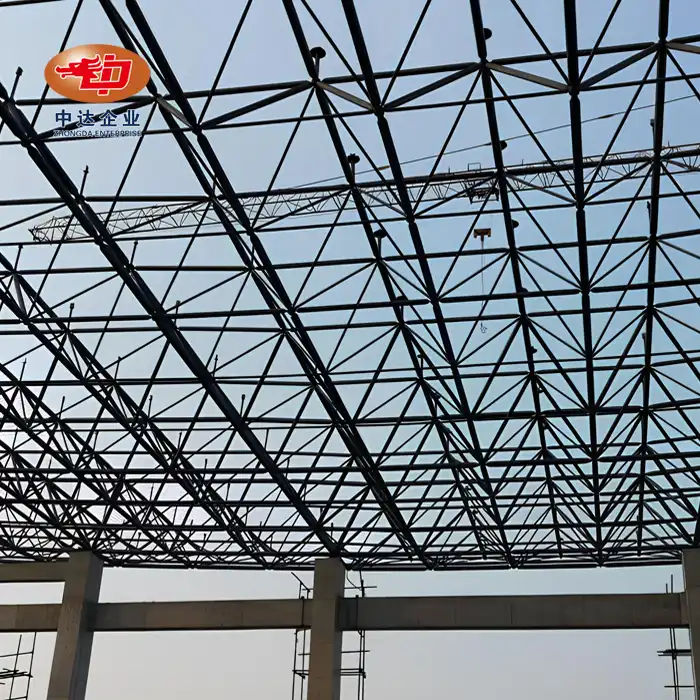
A steel structure stadium is an engineering answer made up of carefully crafted steel parts like H-beams, pipe trusses, space frames, and cable systems that cover large areas without getting in the way of fans' views. Unlike sites made of reinforced concrete, these buildings use steel's high strength-to-weight ratio to make dramatic cantilevers and give architects more freedom than traditional materials can.
The details of the object are very important. Most new buildings use high-strength low-alloy structural steel like Q355B, ASTM A572 Gr.50, or S355JR, which has yield strengths of 355 MPa or more. This mechanical performance makes sure that the structure stays strong even when it's being loaded with wind, people, and earthquakes, and it keeps its 50–100-year design life span.
Durability and Safety Standards
Steel's natural qualities make it a very safe material for public assembly places. The material is dependable in its ductility, which means it can be deformed in a controlled way before breaking. This is a very important safety trait during disasters. We make sure that all of our products meet strict international standards, like AISC 360, AWS D1.1, and GB 50017. These standards make sure that every part can't bend more than span/400.
In stadium building, fire defense gets a lot of attention. Through intumescent coating technologies, structural parts can get REI 120 fire ratings, which gives people important time to get out of the building in case of an emergency. ISO 1461 standards are used to protect against corrosion, and hot-dip galvanizing gives surfaces zinc coats that are 85–100µm thick. This process is necessary for seaside or high-humidity areas because it almost completely gets rid of the rust problems that happen with steel that isn't protected.


Cost-Effectiveness Through Prefabrication
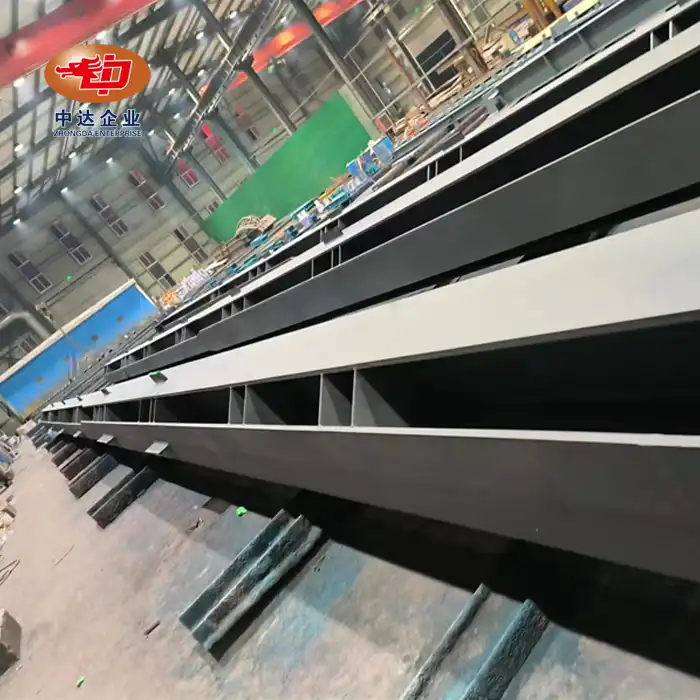
The cost savings of steel manufacturing become clear as the job is carried out. Factory-based production lets complex nodes and truss pieces be put together with great accuracy under controlled conditions, with tolerances of just ±2mm. This accuracy gets rid of the need for expensive changes that are often made on-site during cast-in-place concrete building.
Material economy helps cut costs by a large amount. Due to its strength, steel supports are lighter than concrete ones, which cuts ground engineering costs by 15 to 25 percent. You can't forget about the recyclability factor—steel can be recycled over and over again, and recovered stadium parts have a lot of value when they're no longer useful, which covers the costs of removal. When you look at maintenance, energy use, and eventually shutting down, lifecycle analysis always shows that green building saves 23% more money than standard construction.
Environmental Benefits and Sustainability
More and more, choices about buying public infrastructure are based on sustainability factors. There are several ways that steel manufacturing meets LEED green building standards. The manufacturing method creates very little building waste, and all rejects and offcuts can be recycled. Electric arc furnaces driven by green energy are used in modern mills, which cut carbon footprints by 60% compared to older ways of making things.
On-site building of a steel structure stadium causes a lot less damage to the environment than companies that pour concrete. Less truck traffic, no more concrete washing away, and shorter construction times all lessen the effect on the neighborhood. Many new stadiums have steel roofs with rainwater collection systems built in. These systems collect leftover water for gardening and other non-potable uses. Solar-ready frames let photovoltaic panels be installed without making any changes to the structure. This helps places reach their net-zero energy goals.
For buying compliance, the material openness is important. Every steel part comes with a Mill Test Certificate that lists its chemical make-up, including carbon, manganese, silicon, phosphorus, and sulfur. This makes it possible to fully track the steel and meet Green Public Procurement standards.
Design Principles and Construction Process of Steel Structure Stadiums
Load-Bearing Capacity and Structural Integrity
To engineer a steel structure stadium, you have to carefully look at different load cases. Live loads from repair workers and tools are added to the dead loads from the roof, the mechanical systems, and the steel framework itself. Calculations of wind loads take into account where the structures are located and are usually tested for continuous winds of 200 km/h. Different places have different seismic concerns. In high-risk areas, buildings are built to the Mercalli scale VIII.
Space frame roof systems spread these forces evenly across the links between nodes, so there are no stress points. Building Information Modeling software is used by our design teams to model load lines and find ways to optimize them that use less material without lowering safety standards. This way of computing makes it possible for spans to reach 300 meters without any columns in the middle. This means that more than 75,000 people can watch without any problems.
Fire Resistance and Acoustic Optimization
Fire safety rules are very strict in modern arenas, and the sound levels must also be good. Because steel conducts heat well, it can be dangerous in fires and needs special safety measures. When heated, the intumescent coats grow, creating protective char layers that keep the structure's temperature below critical levels for 90 to 180 minutes.
Two main goals of acoustic design are to keep sound inside the place and make sure that words can be understood. Steel buildings naturally bounce sound, which can make echoes too loud. By carefully placing acoustic panels within the depths of the trusses and choosing the right covering materials, like perforated metal panels and cloth membranes, reverberation times can be kept in the best ranges for both sports commentary and musical performances.
Prefabricated and Modular Construction Methods
Steel projects are different from standard building methods because of the way they are built. Under factory quality control, our 120,000 m² factory makes whole subassemblies, such as truss sections, column-beam joints, and even whole roof modules. The quality of the welds is always the same because of this prefabrication. This is proven by 100% acoustic testing for full-penetration butt welds and magnetic particle testing for surface flaws.
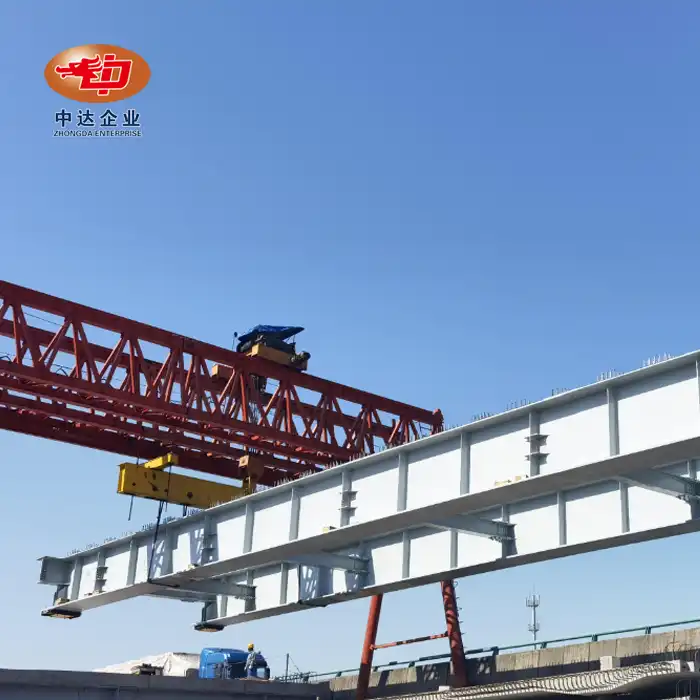
Modular size makes transportation issues easier to handle. When parts get to building sites, they are ready to be quickly put together using 100-ton bridge cranes and special rigging tools. Connection methods usually use high-strength friction-grip nuts that have been measured through Skidmore-Wilhelm tests to make sure they have the right tension values. With this method, building plans are cut by a huge amount. Projects that would normally take 24 to 36 months are mostly finished in 12 to 18 months.
Quality control goes as far as virtual pre-assembly, where factory workers test-fit complex pieces to make sure they fit correctly. This check finds tolerance problems before they are delivered on site, which saves money by avoiding expensive repairs. On-site assembly follows detailed erection routines that were created through BIM planning. This makes the best use of cranes and cuts down on delays caused by bad weather.
Maintenance and Inspection Best Practices
The regular ways that steel structure stadium ages make long-term upkeep planning easier. Every year, inspections check the connections, the state of the coating, and the draining system's ability to work. Every five years, calibrated torque wrenches are used to check the tightness of the bolts, and any screws that show corrosion or loosening are replaced.
Elcometers are used to check the dry film thickness of coating systems on a regular basis. Touch-up painting fixes small flaws before rust starts. In moderate climates, galvanized surfaces usually don't need any upkeep for 25 to 30 years. The first big action that needs to be taken is usually just adding zinc to a few spots.
When you compare upkeep needs to concrete options, you can see that there are big benefits. Spalling repairs, waterproofing fails, and expansion joint wear and tear are all problems that need constant attention in concrete venues. Wooden buildings need to be kept free of pests and water, and parts need to be replaced often. Because steel lasts so long, it costs 40% less to maintain than other materials over normal 50-year review periods.
Procurement and Project Management for Steel Structure Stadiums
Selecting Reliable Steel Fabricators and Suppliers
For procurement to go well, they need to work with fabricators who have done complex steel structure stadium jobs before. Price should not be the only thing that is considered when evaluating a company. Technical competence, quality systems, and shipping efficiency should also be taken into account.
If a company has ISO 9001 certification, it means that their quality management system is generally good, and if it has EN 1090 certification, it means that they are good at making structures out of steel that meet European standards. Dual licensing that covers both European and North American codes (AISC) makes working on foreign projects easier and makes sure that the quality is the same everywhere the work is done. Third-party audits of our manufacturing methods and paperwork systems are done on a daily basis to keep these certifications.
When choosing a source, you should look closely at their manufacturing ability. Facilities need to have the right heavy-lifting equipment—100-ton bridge cranes are the bare minimum for big stadium parts—and enough covered manufacturing space to keep up with production plans. With the help of our advanced plate processing equipment, which can cut through ultra-thick materials with ±0.2mm accuracy, we can work on multiple projects at the same time without any resource problems.
Custom manufacturing skills set qualified sellers apart from common steel providers. For stadium jobs, you need to know a lot about complicated shapes, heavy welding, and smart link design. Look at the supplier portfolios for similar projects and look for examples of big buildings, complicated roof systems, and difficult site conditions that were completed successfully.
Budgeting Strategies and Cost Estimation
To make accurate cost estimates, you need to know a lot about the project's scale and the conditions at the spot. Steel structure stadium price relies on multiple variables: structure complexity, finish requirements, transportation distances, and site accessibility.
Material prices for a steel structure stadium make up 40 to 50 percent of all production costs. Global product markets cause steel prices to change all the time, so buying teams have to keep an eye on trends and think about how to protect big projects. Galvanizing adds 15 to 20 percent to the cost of steel, but it protects against rust and keeps you from having to paint over and over again. Intumescent fireproofing adds to the cost, which is based on the area it covers and the fire grade that is needed.
25 to 35 percent of project funds go to fabrication workers. A lot of work goes into unique connection details, complicated welding processes, and a lot of non-destructive testing. But speed and quality control in the plant lower total costs compared to other options like field fabrication. Our production processes make the best use of cutting routines, prepping weld joints, and coating application so that quality standards are met with the least amount of work.
Streamlined Procurement Workflows
Transportation and set-up costs are very different depending on where the job is located and how big the parts are. This cost area is best served by modular design that increases shipped assembly size while staying within weight limits for the road. Being close to factories lowers the cost of freight. Shorter hauls and easier operations are good for home projects.
Contingency plans should take into account the risks of the project. When stadium projects have firm due dates for events, they need 8–12% extra time in case something unexpected comes up. Geotechnical risks, utility conflicts, and design changes are all typical reasons for costs to go up, and a smart budget can account for them.
Competitive pricing, certainty of schedule, and quality assurance are all important parts of effective buying methods. Design-assist sourcing models involve steel makers in the early stages of design, using their knowledge of how to make things to improve the efficiency and constructability of the structure.
The Request for Proposals should include a long list of technical needs, such as ASTM A992 and A572 material standards, AWS D1.1 welding codes, SSPC specs for coating systems, and testing methods. Misunderstandings that lead to claims and delays can be avoided by writing down clearly the link details, erection processes, and quality acceptance criteria.
When judging a bid, more than just price must be taken into account. Financial security (bonding capacity, project references), technical capability (engineering staff, equipment inventory), and schedule reality (production capacity, concurrent project loading) should all be taken into account in the qualification process. Value engineering that hurts performance or workers who are too stressed out financially to keep up with schedules are common problems that come up with lowest-price wins.
Building Information Modeling is a big part of how we handle projects and help people work together early on. Clash detection finds problems between structural steel and building, motor, and electrical systems before the building process starts. This proactive planning stops expensive changes from having to be made in the field and keeps the building project moving forward by streamlining the installation process.
Conclusion
Steel structure stadium manufacturing has completely changed the way stadiums are built today because it is faster, safer, and more environmentally friendly. The material's high structural efficiency supports design goals and provides cost savings throughout the duration of a project. Steel meets important buying goals for public infrastructure projects by shortening building timelines to meet event-driven dates and lowering upkeep needs that make the best use of operational budgets.
As automation and digital merging make production technologies better, these benefits keep growing. When purchasing professionals know about the technical properties of steel and work with experienced fabricators, their projects are more likely to succeed in settings that are becoming more demanding and value quality in terms of meeting deadlines, staying within budget, and being environmentally friendly.
FAQ
What are the critical factors when selecting steel grades for stadium structures?
Material selection depends on structural requirements, environmental conditions, and budget constraints. High-strength low-alloy steels like Q355B or ASTM A572 Gr.50 provide optimal strength-to-weight ratios for long-span applications. Coastal areas need steel that is more resistant to rust, which can be done by pickling or weathering the steel. In seismic zones, you need grades that are flexible and have proven Charpy V-notch toughness. During the planning process, our engineering teams look at these factors and suggest materials that meet performance needs while keeping prices as low as possible.
How do steel venues stack up against concrete ones when it comes to the environment?
Steel structure stadiums are better for the earth over its entire lifecycle because it can be recycled completely and needs less upkeep. When destruction and material recovery are taken into account, modern production using electric arc furnaces and recycled scrap cuts embodied carbon by 30% compared to concrete. Construction doesn't make much waste—less than 2% compared to 10-15% for concrete—and shorter plans cut down on the time that the site is affected. Concrete washout and dust pollution that happen near building sites are no longer a problem with factory production.
What construction challenges should project managers anticipate?
Even though prefabrication has benefits, weather can still affect steel erection. For example, high winds can stop cranes from working, and lightning strikes can stop work during storms. Coordinating the foundation is very important because the placement of the anchor bolts has to be very precise for the steel column base plates. Our project teams provide thorough erection drawings and sequencing plans that make structures less vulnerable to weather while working closely with building builders to meet the needs of the foundation interface. These problems can be solved with good planning before building starts and skilled erection teams.
Partner with Zhongda for Your Next Stadium Project
Zhongda Steel has 20 years of engineering excellence behind them and a track record of success in building difficult structures. Our factory is 120,000 m² and is ISO 9001-certified. It has 100-ton bridge cranes and precision cutting tools that keep tolerances of ±0.2mm. We are experts at custom-engineered steel structure stadium parts that are used in tough places like FIFA-approved venues and Olympic aquatic centers. Our full manufacturing services meet international standards like EN 1090 and AISC approval. Get in touch with reliable steel structure stadium providers who know how tight your budget and time frames are. Get in touch with Ava@zd-steels.com right away for expert advice and quotes that are tailored to your particular needs.
References
American Institute of Steel Construction. (2016). Specification for Structural Steel Buildings (ANSI/AISC 360-16). Chicago: AISC.
Chen, W.F., & Lui, E.M. (2005). Handbook of Structural Engineering (2nd ed.). Boca Raton: CRC Press.
European Committee for Standardization. (2005). Eurocode 3: Design of Steel Structures - Part 1-1: General Rules and Rules for Buildings (EN 1993-1-1). Brussels: CEN.
Gerwick, B.C. (2007). Construction of Prestressed Concrete Structures (3rd ed.). New Jersey: John Wiley & Sons.
International Organization for Standardization. (2011). Hot Dip Galvanized Coatings on Fabricated Iron and Steel Articles - Specifications and Test Methods (ISO 1461:2009). Geneva: ISO.
Salmon, C.G., Johnson, J.E., & Malhas, F.A. (2009). Steel Structures: Design and Behavior (5th ed.). New Jersey: Pearson Education.
YOU MAY LIKE