Exploring the Benefits and Types of Steel Structure Bridges
2026-07-22 17:25:43






Solutions for today's infrastructure need to be strong, efficient, and long-lasting. Bridge steel structure technology has become an important part of modern building, helping with important issues like connecting remote areas and growing cities. Engineered frames made up of high-strength beams, trusses, and flexible parts give steel bridges unmatched load capacity and design flexibility. These structures solve major problems in the industry: they shorten building times by prefabricating parts, lower lifetime costs by being very durable, and easily adapt to different geological conditions. From suspension bridges that cross rivers to flexible systems that connect industrial sites, steel-based solutions are where new ideas and dependability meet in the building of infrastructure around the world.
Understanding Steel Structure Bridges: Types and Core Design Principles
Defining Steel Bridge Systems
Steel structure bridges have carefully planned frames, and the main parts that hold the weight—columns, beams, girders, and linking parts—are made from high-quality steel metals. Unlike other options made of concrete, these systems use steel's high tensile strength and flexibility to make designs that reduce dead load while increasing span capacity. The basic design connects structural parts with high-strength bolts or welded joints, making rigid but flexible structures that can be used in a variety of situations.
Common Steel Bridge Configurations
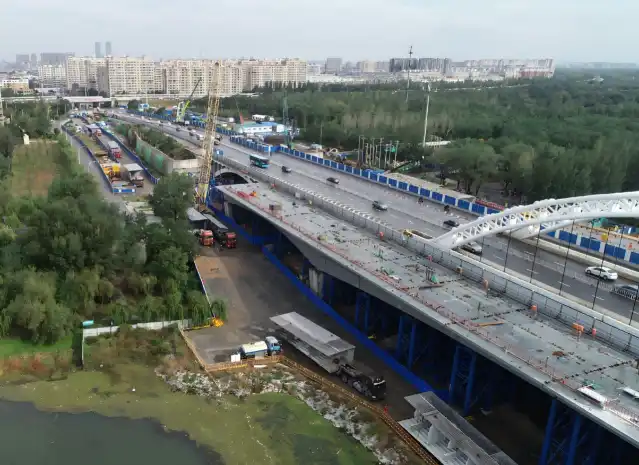
The business world knows of a few main designs, each of which works best for different span lengths and load needs. Beam bridges are great for crossings that are shorter, up to 80 meters, because they have horizontal steel girders that are held up by vertical poles. Truss designs spread weight across linked triangle-shaped frames, which can easily run between 100 and 300 meters. Arch bridges use bent steel ribs to shift compressive forces. They are good for scenic uses that need both good structural performance and good looks. High-tensile wires hold up deck parts that are more than 2,000 meters apart on suspension bridges, which are the best examples of long-span engineering. At Zhongda, our suspension systems use PPWS main cables that are 5.2 mm in diameter and have a tensile strength of 1770MPa. These cables are designed to handle 12-level wind resistance, which is very important for harsh environments.
Engineering Standards and Load Principles
When designing a modern bridge, strict international rules are followed for things like safety factors, load estimates, and material requirements. The FHWA-NHI-07-096 standard, which is used for many building projects in North America, sets strict rules for designing suspension bridges. These rules include dynamic load analysis and fatigue resistance limits. These frames make sure that buildings can handle live loads from cars, environmental pressures from wind and earthquakes, and the long-term behavior of materials under cyclic loading. Building Information Modeling (BIM) helps our engineering teams model stress distributions and find the best member sizes, resulting in designs that balance performance with material economy.
Key Advantages of Steel Structures in Bridge Construction
Exceptional Durability and Material Longevity
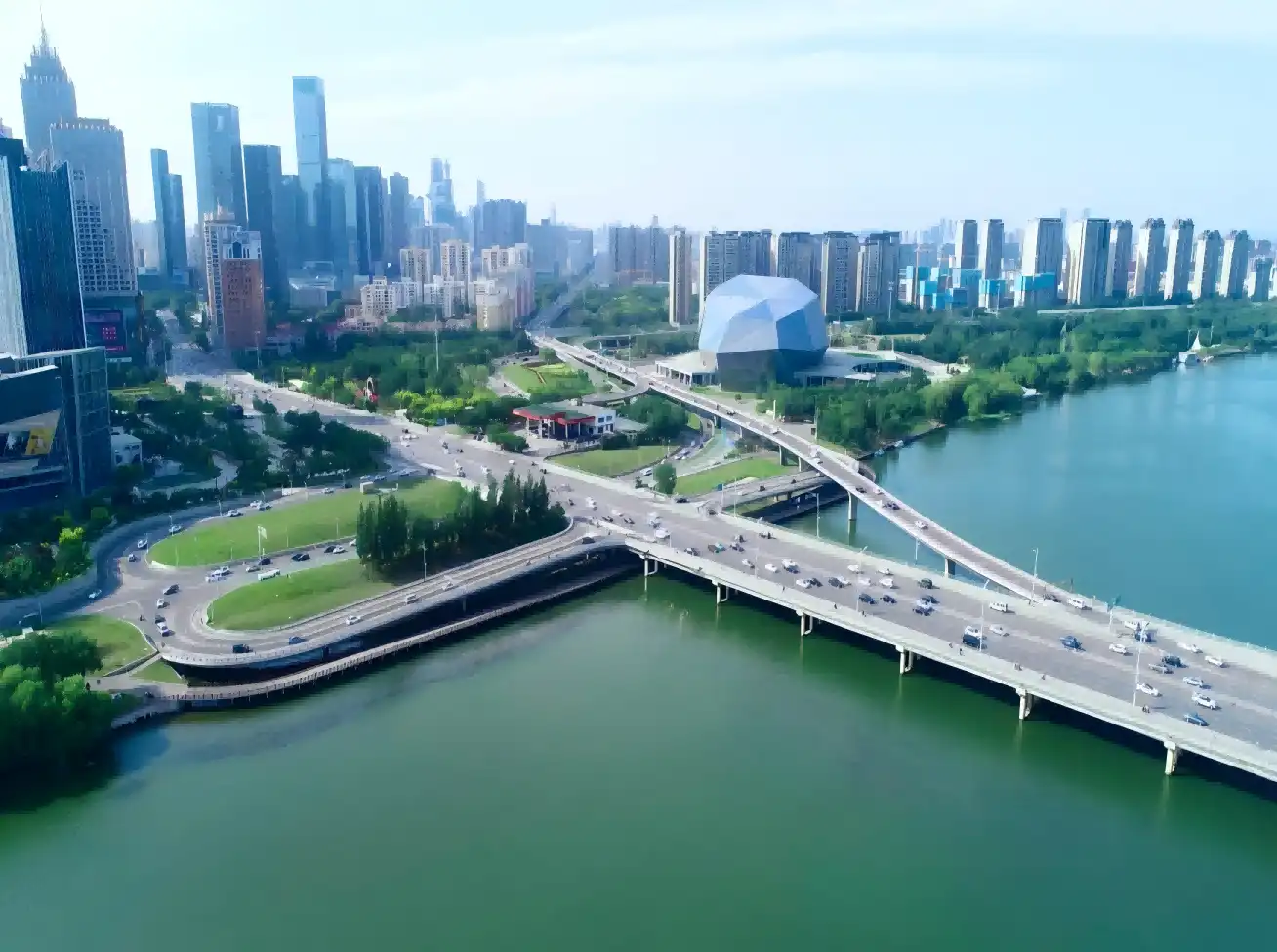
The natural qualities of bridge steel structure mean that it can be used for up to 100 years if it is properly maintained. The material has better tensile strength-to-weight ratios than concrete, which lets thin shapes be used that lower wind resistance while still keeping the structure strong. We use -60°C Weathering Steel Anti-corrosion Technology in our production process. This protects important parts by mixing dehumidification systems with S-type galvanized wire wrapping tape. This two-layer protection stops the main way things break down—oxidation caused by moisture—so it works the same way in seaside, industrial, and cold settings.
These safety steps actually improve operations in a real way. When compared to normal protective coatings, projects that use advanced anti-corrosion systems report upkeep costs that are more than 40% lower over the first few decades. The types of weathering steel form stable oxide layers that stop further rusting on their own. This is especially helpful for bridges in rural areas where it's hard to do regular inspections.
Sustainable Construction Practices
Steel is still the most recycled material used in building. Current infrastructure projects use 85–90% recyclable content without changing the way the material works. This circularity cuts embodied carbon loads by a lot compared to making new materials. Prefabrication methods are even better for the environment because they reduce the amount of waste that is made on-site. At our sites, we have material utilization rates of over 95%, and scrap steel is sent straight to recycling streams. Because steel bridge parts are flexible, they can be taken apart and used for other things in the future. This is in line with circular economy principles that are becoming more and more required by public buying standards.
Accelerated Project Timelines
Off-site production completely changes the plans for building projects. Traditional concrete bridges need a lot of formwork, time to cure, and pouring plans that rely on the weather. Steel systems, on the other hand, come in precisely made modules that are ready to be put together quickly. Our 60,000-ton annual manufacturing capacity lets us make 12-meter steel box girder sections at a rate of 800 tons per month, which allows us to work on other projects at the same time while the site is being prepared. This parallel workflow compression cuts lead times by 20 to 30 percent, which is especially helpful for projects that have to deal with seasonal weather problems or urgent traffic relief needs. Government companies and EPC firms always say that being able to predict timelines is a big reason why they choose steel systems for important building projects.
Lifecycle Cost Efficiency
A full financial study shows that steel bridges are a great investment for all types of planning. Even though the initial prices of materials may be higher than those for basic concrete options, steel foundations require less work because they are lighter, which means smaller piers and lower excavation and material costs. During operational times, maintenance tasks are reduced and replacement rounds are lengthened. Our client case studies show that the total costs of ownership are 15–25% cheaper than for similar concrete spans over 50-year evaluation periods. This is after inspections, surface treatments, and any rehabilitation that may be needed in the future.
Comparing Steel Bridges with Other Materials: Making the Right Choice
Steel Versus Concrete Performance Metrics
The choice of materials in bridge steel structure has a huge effect on the technical and economic results of a project. Tensile strength of steel is 20 to 30 times higher than that of regular concrete. This means that larger spans without support are possible, and less foundation is needed. This strength advantage is especially clear in areas prone to earthquakes, where ductility—steel's ability to bend without breaking—is essential for extra safety during ground motion events. Because concrete breaks easily when it is under strain, it needs complicated ways to be reinforced, which make it heavier and more difficult to build.
Maintenance issues make these products even more different. Chloride getting into the concrete and rusting the rebar, freeze-thaw cycles that cause cracks, and alkali-silica reactions that weaken the structure are all problems that bridges have to deal with all the time. These systems are often hidden until they break down badly, which makes planning a fix harder. For steel systems, the main parts are easy to check visually, and the surfaces can be treated in ways that protect them for decades if done right.
Selecting Appropriate Steel Grades
Bridge projects usually choose from three main types of steel based on their performance needs and price limits. Carbon steel types like ASTM A572 Grade 50 are very strong and don't cost too much. They are good for use in protected inland situations. Weathering steel types (ASTM A588) create protective patinas that get rid of the need for painted finishes in many settings. This lowers the amount of upkeep needed over the course of the product's lifetime and gives it a unique look. High-performance alloy steels are better at resisting fatigue and staying stable at very high or very low temperatures, which is important for heavy industrial uses or situations in the cold.
In order to come up with the best specs, our material selection method looks at things like exposure conditions, predicted loading patterns, and ease of servicing access. For projects near the coast or where chemicals are processed, better weathering grades are helpful. On the other hand, mining equipment that is hit by heavy objects needs alloys with better toughness qualities. Our CNC cutting equipment keeps ±0.2mm tolerances on plates up to 120mm thick, which maximizes manufacturing precision. Thickness optimization through advanced stress analysis makes sure that safety factors are met without using too much material.
Procurement Guide for Steel Bridge Structures
Identifying Qualified Manufacturing Partners
When choosing a supplier, make sure that their professional skills and quality processes are in line with your project's goals. Certification portfolios are the first signs of qualification. For example, ISO 9001:2015 proves structured quality management, and EN 1090 compliance shows that structural steel fabrication standards in Europe are met. In addition to certifications, you should also look at the production capacity in relation to the size of the project. For example, our 120,000 m² plant with a 50-ton crane can handle big girder sections quickly and easily, without the timing problems that smaller fabricators often have when they have a lot of commitments at once.
Logistics prices and wait times are affected by where things are located. International providers can often offer lower prices because they have access to economies of scale and have specialized knowledge, especially when it comes to complicated suspension or cable-stayed designs. Domestic makers offer cheaper shipping costs and easier ways to get in touch. These factors are balanced by hybrid procurement strategies, which get the main structural steel from abroad while getting the minor parts from nearby. This makes the total project more cost-effective.
Customization and Engineering Support
Most of the time, standard bridge designs can't handle the unique elements of a place without being changed. Leading makers offer full engineering services that turn rough ideas about what needs to be done into detailed plans for production. Our teams use 3D laser scanning technology to make sure that the cable clamps are installed with ±2mm of accuracy, which is very important for controlling the shape of the suspension bridge. Precision is also used in the manufacturing process, where computer-controlled tools make sure that the sizes of thousands of different parts are all the same.
OEM and ODM features for bridge steel structure let you completely customize a system. We work with our clients to add smart tracking systems that check on the health of structures in real time, make sure that deck layouts are best for the way people use them, and come up with ways to make them look good that fit in with the local landscapes. Value engineering reviews find ways to improve performance while keeping costs low. For example, changing materials, improving connection details, and changing the order of production can often save money without affecting the structure integrity.
Managing Logistics and Installation
Getting a steel bridge doesn't stop at the plant gates; it also includes planning the transportation and coordinating the building on-site. Shipping restrictions affect the sizes of modular parts. Our 12-meter box girder pieces make transport more efficient while still meeting crane lifting standards. Custom packaging keeps parts safe while they're in transit, especially for foreign packages that have to go through a lot of handling steps and long ocean trips.
Planning the installation takes into account things like how to get to the spot, whether there are any cranes available, and how to handle traffic. We give you detailed instructions on how to put the parts together, along with specs for connection torque and quality checks. During the building phase, technical support teams are still available in case conditions on the job site mean that changes need to be made to the design or clarification of the fabrication purpose is needed. With this combined method, procurement goes from buying things one-time to working together on a project.
Maintenance and Inspection of Steel Bridge Structures
Routine Assessment Protocols
To keep steel bridges working well, they need regular testing programs that find damage before it affects their ability to do their job. Visual inspections done every six months find surface rust, covering wear, and connection problems. Every five years, full inspections using non-destructive testing methods are done. Ultrasonic thickness readings show how much section loss is caused by rust, magnetic particle inspection finds fatigue cracks, and radiographic examination checks the quality of the weld in important joints.
Our inspection procedures are in line with the standards set by the AASHTO Manual for Bridge Evaluation. We sort finds into categories based on how bad they are and set up prioritized plans for fixing them. When advanced monitoring systems are placed during manufacturing, they send constant data streams that keep track of stress levels, vibration rates, and conditions of environmental exposure. This real-time data lets predictive maintenance plans work, which stops fixes from being needed out of the blue and makes the best use of resources.
Preventive Maintenance Best Practices
Active involvement increases the service life of a bridge while lowering its total costs. Preparing the surface and renewing the covering every 12 to 15 years keeps the corrosion shields in place to protect the base metal. Connection checks make sure that bolt pressures stay within the limits. Loose connections can change how the load is distributed, which could overload nearby members. Maintenance on the drainage system keeps water from building up, which speeds up rust in places like expansion joints and bearing units that are more likely to fail.
Our clients gain from the maintenance planning advice that was set up during the building phase. Material choice affects how often upkeep needs to be done. For example, weathered steel doesn't need to be painted, but it does need to be cleaned every so often in industrial settings where pollutants stop the patina from developing. When a project is finished, documentation is given that includes suggested check times, estimated component lifespans, and replacement part specs that make buying parts in the future easier.
Compliance and Safety Standards
Different places have different rules about how to maintain bridges, but they all have the same goal: to keep people safe and make sure infrastructure works well. The FHWA National Bridge Inspection Standards say that structures on public roads must be inspected every two years, but the regularity can change based on grades of the structures' health. Our buildings always get high marks because they are well-built and have complete rust protection systems that make inspections easier and regulatory reporting requirements less strict.
International projects have to deal with a lot of different legal settings, which means that the way they are designed and documented needs to be flexible. We know the regional standards and approval processes because we've delivered parts to mining operations in Australia, arctic bridges in Russia, and industrial routes in Southeast Asia. This world view helps clients figure out what compliance standards they need to meet early on in the planning process, so they don't have to make expensive changes later on in the project.
Conclusion
Steel structure bridges are an example of how technical innovation, precise manufacturing, and environmentally friendly building methods can work together. Steel-based solutions offer the best performance in a wide range of situations, from modular beam systems that speed up urban growth to suspension bridges that cross geographical borders. The material benefits—higher strength, longer durability, quick rollout, and low lifecycle costs—solve some of the most important problems that infrastructure makers around the world face. Partnering with makers who can show technical know-how, quality certifications, and collaborative engineering help is key to successful procurement. As the world's need for infrastructure grows, bridge steel structure technology keeps improving with new materials, digital design tools, and built-in tracking systems that change what is expected of performance and how projects are delivered.
FAQ
What factors determine steel selection for bridge construction?
Specifications for materials rely on how they are used, how they are loaded, and how they are maintained. Weathering steel types work well in mild areas where protective patinas form naturally, so they don't need to be painted. High-strength metals are used in heavy industries or earthquake zones where better flexibility is needed. In coastal or chemically exposed areas, corrosion resistance is very important, so protection methods must be better than normal galvanization. Our engineering teams look at these factors along with budget limits to come up with the best material specs that balance performance and cost-effectiveness.
How do modular steel bridges differ from traditional construction methods?
Modular systems focus on making whole bridge sections off-site and putting them together quickly on-site. This is different from traditional methods, which build structures piecemeal using parts that are placed in the field. This method cuts down on the number of workers needed on-site by 40–50%, keeps traffic to a minimum during installation, and makes quality control better in workplace settings. Modular designs are especially helpful in rural areas where it's hard to find skilled workers to do traditional building, or for projects that need to be delivered quickly to meet important operating goals.
What lifespan can we expect from properly maintained steel bridges?
Modern steel bridges that are built to current standards and covered with high-tech anti-corrosion systems usually last between 75 and 100 years. This length of time assumes that the recommended check intervals are followed and that maintenance tasks are done on time to address specific wear and tear. Many bridges built in the early 1900s are still in use today, though they usually have better deck systems and links that have been fixed up. This shows how durable steel is. When planning a product's lifecycle, it's important to include big care events like replacing bearings and coatings every 15 to 20 years.
Partner with Zhongda for Superior Bridge Steel Structure Solutions
For infrastructure projects to go smoothly, they need production partners with both professional know-how and a track record of getting things done. Zhongda has 20 years of specialized experience building complicated bridge systems for clients around the world in areas like industrial, business, and public infrastructure. Our ISO-certified factories use BIM-driven design methods and precise CNC cutting to make parts that meet the highest international standards. Our engineering teams work together to make sure that the plans we make are the best they can be for your needs, whether you need suspension bridge systems with 2,000-meter spans or special modular assemblies that can be set up quickly. As a reliable bridge steel structure maker, we keep our production capacity at 800 tons per month, so even for big projects, we can stick to the plan. Get in touch with our purchasing agents at Ava@zd-steels.com to talk about your bridge needs and find out how our unified approach to design, manufacturing, and technical support provides measured value throughout the lifecycle of a project.
References
American Association of State Highway and Transportation Officials (2020). AASHTO LRFD Bridge Design Specifications, 9th Edition. Washington, DC: AASHTO Publications.
Chen, W.F. and Duan, L. (2014). Bridge Engineering Handbook: Construction and Maintenance, 2nd Edition. Boca Raton: CRC Press.
Kulicki, J.M., Prucz, Z., Sorgenfrei, D.F., Mertz, D.R., and Young, W.T. (2007). Guidelines for Design of Cable-Stayed Bridges (FHWA-NHI-07-096). Federal Highway Administration.
Troitsky, M.S. (2018). Planning and Design of Bridges. New York: John Wiley & Sons.
Zhao, J. and Tonias, D.E. (2012). Bridge Engineering: Design, Rehabilitation, and Maintenance of Modern Highway Bridges, 3rd Edition. McGraw-Hill Professional.
Xanthakos, P.P. (2019). Bridge Substructure and Foundation Design. Upper Saddle River: Prentice Hall.
YOU MAY LIKE
_副本_1753431734739.webp "Steel Structure Exhibition Building")
_1754030104098.png "Light Poles")
_副本_1754121416739.jpg "Prefabricated Steel Structure Stadium")