A Guide to Designing & Building a Commercial Steel Structure
2026-07-22 17:25:38






Picking the right structural framework is important for big projects like adding on to a building, making a factory, or creating a hub for supplies. It impacts the budget and the timeline. The strongest type of structure is a commercial steel structure. It can be changed to fit the needs of different businesses and speeds up the making process. Most of the global B2B building market is now made up of steel frames. This is because they are stable, have set prices, can be expanded in modules, and have been used for a long time in harsh conditions. It goes over the most important rules for design, benefits of materials, building methods, maintenance plans, and things that builders, developers, and engineering teams look at when they buy something.
Understanding Commercial Steel Structures: Design Principles and Benefits
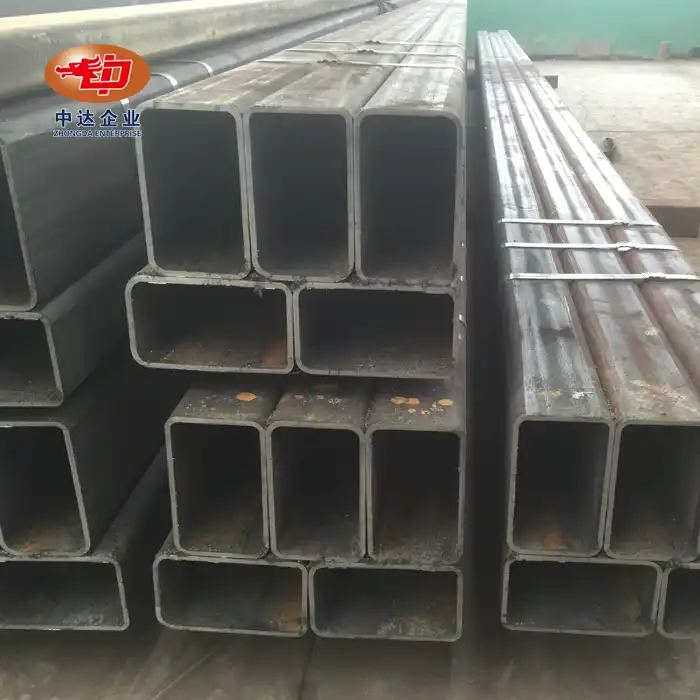
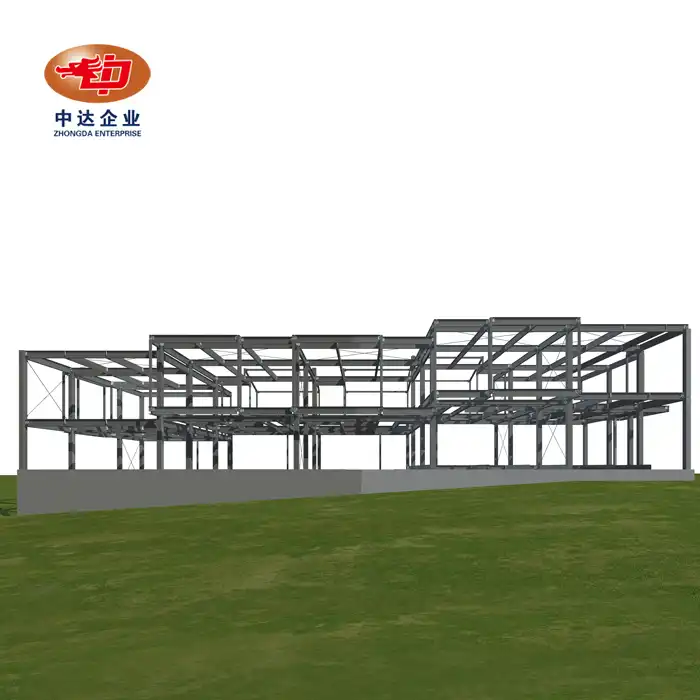
Steel frames today are made of pre-made parts like beams, columns, purlins, and panels. These are made from low-alloy high-strength steels (Q345 and Q355) or carbon structural steels like Q235. What kind of material is used varies on the load and the area. Q235, on the other hand, is good for normal uses and mild loads, while Q345 and Q355 are better for heavy-duty needs in earthquake zones, high-rise buildings, and commercial steel structures with long spans. Some grades are strong enough to tear and easy to join, so they will work well even when pushed in different ways.
Core Design Principles
A stable business is the first thing that needs to be done to make things stable. The dead loads are the fixed parts, the live loads are the people and tools, and the natural loads are things like wind, snow, and earthquakes. This helps the engineers make sure that the members are the right size. Parts can be made off-site and quickly put together thanks to modularity. This cuts down on work that has to be done on-site and delays caused by bad weather. Following foreign rules, such as AISC standards and IBC requirements, makes sure that everyone follows the rules everywhere. This makes the process of getting a check and a permit go more easily.
Key Benefits That Drive Procurement Decisions
Because steel is strong for its weight, it can be made longer with fewer beams. This makes warehouse and distribution center floors more useful. By making things ahead of time, you can be sure that the numbers are correct and the quality is uniform. This method also avoids many of the problems that happen on-site during traditional building. Cast-in-place concrete takes longer to build than factory-made parts that are already put together. This means that building times are cut by 30 to 50 percent. Things are less likely to catch fire with intumescent coats because they expand when hot. This keeps the steel warm and at its full load capacity. Things last longer in wet, salty, and industrial places where rust protection is used. This is usually hot-dip galvanizing with zinc layers that meet ASTM A123 standards. The ability to be sustainable is becoming more important to buying teams. Reusing steel over and over again doesn't hurt its performance, which is in line with ESG goals and the LEED approval process.
Comparing Commercial Steel Structures with Other Materials
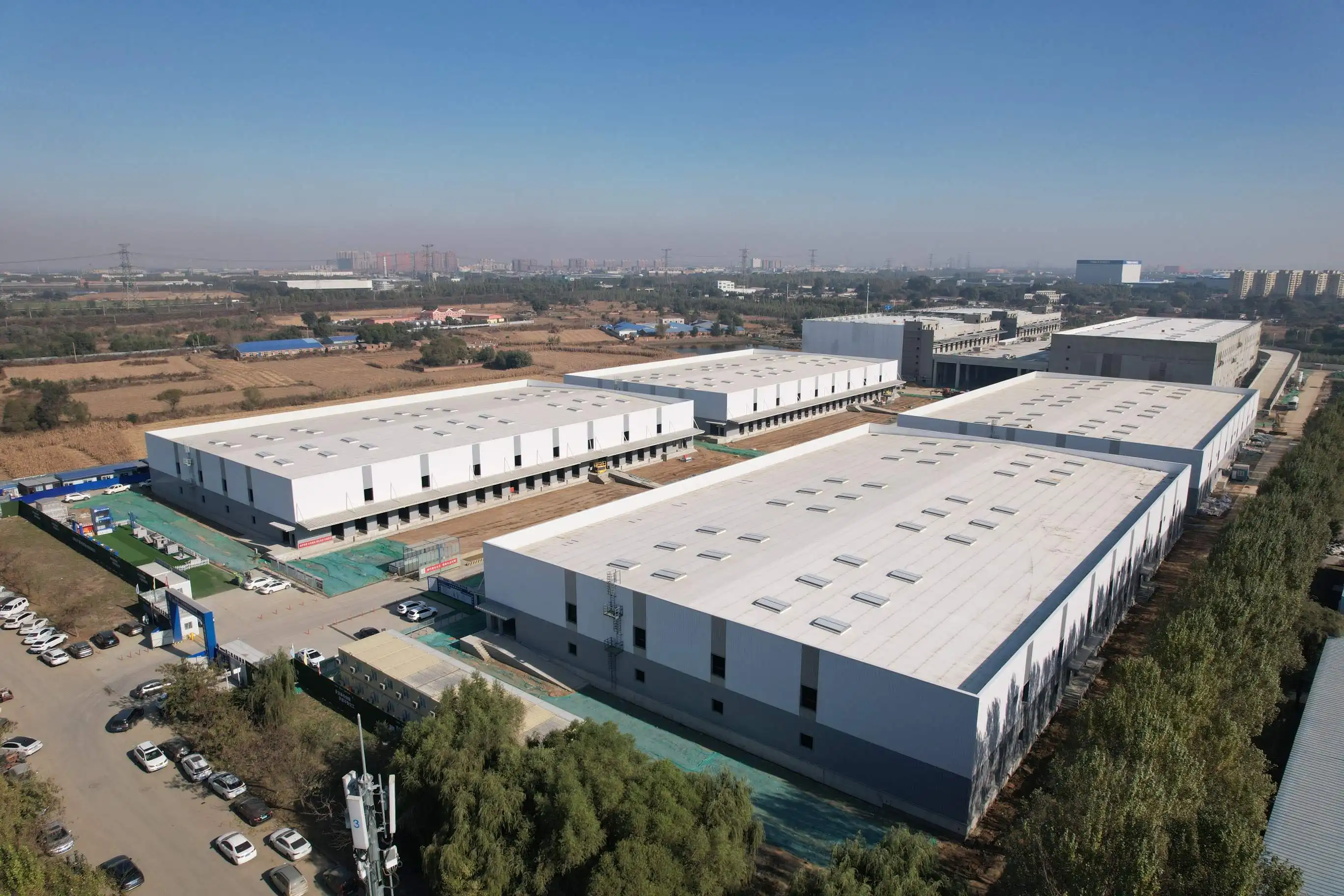
What makes steel frames different from concrete, wood, and metal frames? This will help you choose the best one for your project. Every material has pros and cons when it comes to cost, how well it works, and how it affects the earth. But commercial steel structures always work best in business settings that need to be fast, strong, and flexible.
Steel vs. Concrete
Buildings made of concrete keep heat in and sound out, but they need a lot of forms, time to dry, and tools for heavy lifting. Plan time is cut in half with steel because parts are made at the same time as the site is being prepared, so they arrive ready to use. Steel is often cheaper in the long run because its supports are lighter and require less cutting and filling of concrete. It is also easy to add on to in the future because it is designed to be flexible. Cement has a much bigger carbon impact than steel because it is used to make concrete. This is especially true when you think about how easy it is to recover steel after it has been used.
Steel vs. Wood and Aluminum
At first, wood is cheap, but it's not strong enough or safe enough for business and industry. Even though aluminum doesn't rust on its own, it has to be made in bigger pieces that are heavier because it's not as strong as steel. Steel is very stiff, which is important for holding up big machines, systems of moving belts, and processes that take place on more than one level. Steel is safer than raw wood when it has a fire-rated finish on it. This lowers the cost of insurance and the chance of being sued.
Industry Trends Shaping Material Choices
To make lightweight steel designs that use less material without losing performance, high-strength metals and cross-sections that are better suited to the job are used. Software called Building Information Modeling (BIM) helps find conflicts and makes sure that things are built properly. This cuts down on waste and extra work. Embedded carbon is lower with sustainable building methods like using recycled scrap in an electric arc kiln. These methods also meet higher client and government standards for green building practices.
Step-by-Step Construction Process of Commercial Steel Structures
A structured process keeps costs low, plans on track, and promises good results from the time an idea is first thought of to the time it is finished. When buying teams know what to do at each step, they can plan the job better with the help of engineers, fabricators, and workers building a commercial steel structure.
Planning and Design Phase
The first talks are when the project's scope is spelled out. This includes the building's size, its working loads, code requirements, and the site's restrictions. Engineers use CAD and structure analysis tools to figure out the best member shapes and link details before building the framework. When BIM is used together, it allows people from different fields to work together. Before the building starts, the structural, industrial, and electrical systems are all lined up in space. Models and figures that have the PE stamp and meet the standards of the licensing authorities are part of the deliverables.
Fabrication with Quality Assurance
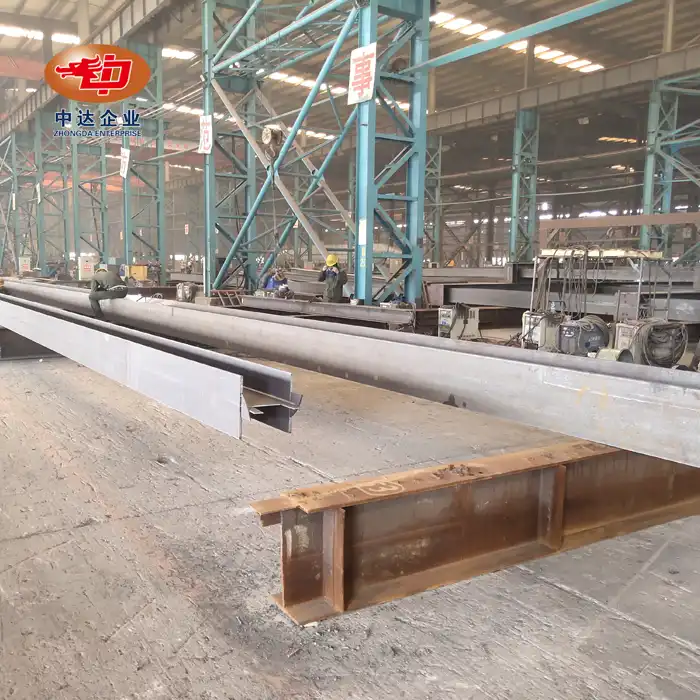
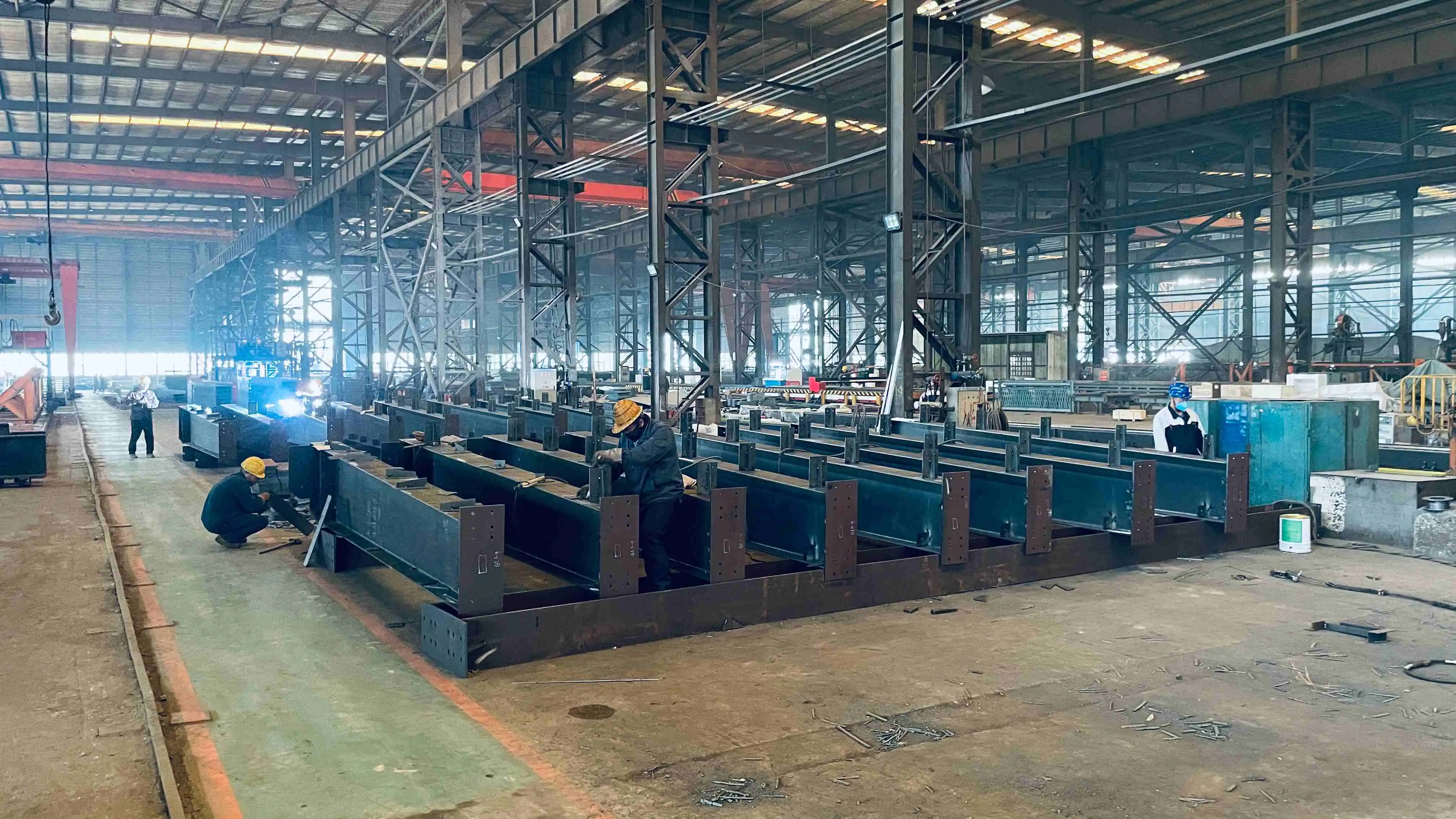
Cutting precisely with CNC plasma or laser systems that have tight limits (±0.2mm for key measures) is the first step in making something in a factory. Certified Welding Inspectors (CWI) use non-destructive tests and looking at the joints to see how well they are made. Welding follows the rules in AWS D1.1. For bolt fittings, ASTM A325 or A490 high-strength screws that are torqued to a certain amount are used. Surface treatments like hot-dip galvanizing or powder painting are used to protect the steel before it is shipped so that it stays safe while it's being put. Mill Test Reports (MTRs), which are approved by ISO 9001 and list a material's chemical and mechanical properties, make it possible to track the material.
On-Site Installation
Specialized building teams work from anchor bolts drilled into the foundations to plan how to pull the crane and line up the members. The beams and roof purlins go up after the columns. After that, the joints are strengthened to the engineer's specifications. The safety rules are based on OSHA guidelines from 1926 that cover guard against falls and suspensions. For steel, weather windows don't mean as much as they do for concrete. Work can be done in a wider range of seasons because there aren't as many slowdowns or problems with freeze/thaw. As a last check, the job is made level, aligned, and bolted tight before it is signed off.
Coordination between experts in buying things and teams working on installations ensures that supplies are delivered on time so that the building can go as planned. This cuts down on the costs of keeping and handling on-site. When lines of contact are clear, changes are less likely to happen and problems can be fixed faster.
Maintenance and Long-Term Performance Optimization
Maintenance that stops problems before they happen keeps commercial steel structures in good shape and delays the need to buy big items. Regular checks and targeted actions that help assets last longer and keep operations running smoothly are both parts of a planned method.
Routine Inspection Protocols
When you look at something once a year, you can see early signs of damage like rust spots, layer delamination, broken connections, or warping. Places that get a lot of foot traffic and rain need more care. Every five years, structural experts do full checks that include measuring the thickness with ultrasound and checking the load on each link. They write down what they found so that asset management can use it.
Corrosion Management Techniques
Get the surface ready and coat it again to stop wear and tear before it lowers the load capacity. Galvanizing that is broken needs to be cleaned down to white metal and zinc-rich bonds need to be put on again. Epoxy topcoats are useful in chemical and sea environments because they protect the screen even more. Cathodic protection devices can keep things safe in active soils, but they aren't usually used in houses.
Fire Safety and Energy Efficiency Upgrades
Fire-rated surfaces need to be checked on a regular basis because harm from bumps or normal wear and tear can make them less effective. When you add insulation panels to old buildings, they get warmer. This lowers the cost of heating and cooling and helps with green report energy checks. To make buildings use less energy, LED lights, mirrored roofs, and solar panels can be added to old ones because steel is flexible.
In predictive maintenance programs, IoT devices are used to keep an eye on things like temperature, sound, and structure movement. The sensors let managers know before something goes wrong if something doesn't seem right. Based on data, this method cuts down on downtime and makes sure that replacement costs are in line with what they really are. This is better than guessing at plans.
Procuring Your Commercial Steel Structure: What B2B Buyers Need to Know
The goal of strategic buying is to find a balance between quality, cost, and supply reliability. Before you buy a commercial steel structure, it takes time and clear criteria that are in line with the project's goals to find the right service, figure out costs, and set up processes.
Identifying Vetted Manufacturers and Suppliers
It shows that you are serious about something and that you can do it. For instance, ISO 9001 is for managing quality, EN 1090 is for building steelwork, and AISC approval means that manufacturers follow strict rules. First-Class certificates from national leaders like China's Ministry of Housing and Urban-Rural Development show that someone has the technical knowledge to do hard jobs. Customers from places and businesses like yours who have used the product before show how well it really works. It covers problems with the tools and the work for one to two years. This keeps you safe from issues you didn't expect.
Cost Components and Lead Time Insights
The type of material, the number of links, and the treatment of the surface all affect how much it costs to make something. The type of freight (ocean vs. air), how well the packages are packed, and how the target port handles the goods are all things that affect shipping. When you need special finishes, earthquake details, or unique forms, it takes longer to plan and make something that is customized. The lead time is between 8 and 16 weeks, but it depends on how many orders there are, how well the plant can handle them, and how the export paperwork is filled out. Getting involved early cuts down on time and lets people schedule work times and find supplies ahead of time.
Partnering with Reliable Installation Specialists
People who are qualified to do the job have the right licenses, enough insurance, and teams that have been trained to put up solid steel. It's easier to learn quickly and safely when you have experience on a certain place, whether it's industry, business, or infrastructure. It's easier to work together, people don't point fingers as much, and problems are fixed more quickly when design and build teams work together. The agreement's clear rules spell out who is in charge of what, when payments are due, and how to handle changes. This keeps the project moving forward and keeps everyone safe.
You need to compare both local and international sources when you think about regional sourcing. Being close cuts down on wait times and makes it easy to get in touch. Global providers might be able to offer better services and lower prices. How much danger you are willing to take, the size of the job, and the budget all play a role.
Conclusion
Designing and building with commercial steel structures steel frames has a lot of benefits over the life of a project, from saving time and money during construction to lasting longer and being better for the environment. When engineers and developers know about the qualities of materials, how to build them, and where to buy them, they can make smart decisions that meet their goals and stay within their budget. Businesses can grow and stay competitive in markets that are always changing by building strategic relationships with their providers and keeping their equipment in good shape. Steel is still the most important building material in the world today because it is strong and can be used in lots of different ways.
FAQ
What factors influence the total cost of a steel framework project?
What the elements cost is based on the type of steel (Q235, Q345, or Q355), the size, and the number of the members. It depends on the type of links, unique features, and surface treatments that are used, as well as the cost of the work and tools. There are a lot of different shipping options because of things like distance, freight mode, and taxes. On-site building costs rely on how big of a crane is needed, how skilled the crew is, and how simple it is to get to the site. If you change the design, take longer to get the permits, or run into problems on the job site, the costs may go up. This is why it's important to make plans ahead of time and have an extra budget.
How does steel compare environmentally to concrete in commercial buildings?
It takes a lot less CO2 to use electric arc furnaces to turn recycled steel into steel than it does to make cement, which is responsible for about 8% of all global emissions. Steel can be recycled over and over again without losing any of its quality, which is good for the ongoing economy. However, concrete downcycling makes it less likely that it can be used again. When steel frames are used, soil is used for foundations and less carbon is stored in substructures. But because concrete has a lot of heat mass, it can be used to passively control temperature. Lifecycle studies that look at destruction, recycling, and the effects at the end of a building's life tend to favor steel.
What criteria should buyers prioritize when selecting a fabricator?
A company that has ISO 9001, EN 1090, or state standards on its paperwork shows that it is technically sound and follows strict rules. You can tell that the products and work are good because they have Mill Test Reports (MTRs) and welding licenses (CWI). Samples of final projects and testimonials from happy customers show that you can be trusted and that you know what you're doing. In the event that problems arise after delivery, guarantees that cover flaws and bad workmanship will take care of them. Wait times and how well people can interact can be affected by where people live or how much they know about foreign logistics. This is done to balance cost and ease of use.
Partner with Zhongda for Trusted Commercial Steel Structure Solutions
Zhongda is ready to help you build something out of steel. The company is based in Shenyang and has been perfecting tech for more than 18 years. Because we are ISO 9001/14001/OHSAS 45001 certified, have a First-Class Steel Structure Engineering Qualification, and can make 60,000 tons of steel structures a year, we are a trusted commercial steel structure maker for B2B customers all over the world. We know a lot about BIM-driven prefabrication, -60°C weathered steel anti-corrosion technology, and cutting very thick plates (within ±0.2mm of accuracy). In this way, we can make unique frames that can handle rough environments like those on Arctic bridges and in mines. Please email Ava@zd-steels.com with the specifics of your project to talk about it, get a full quote, or set up a technical meeting. Great engineering, on-time shipping, and quality that doesn't change are what make Zhongda different. These things will help your business grow.
References
American Institute of Steel Construction (AISC). (2016). Steel Construction Manual, 15th Edition. Chicago: AISC.
Trahair, N. S., Bradford, M. A., Nethercot, D. A., & Gardner, L. (2017). The Behaviour and Design of Steel Structures to EC3, 5th Edition. London: CRC Press.
Chen, W. F., & Lui, E. M. (2018). Handbook of Structural Engineering, 2nd Edition. Boca Raton: CRC Press.
Owens, G. W., & Cheal, B. D. (2019). Structural Steelwork: Design to Limit State Theory, 4th Edition. Oxford: Butterworth-Heinemann.
Salmon, C. G., Johnson, J. E., & Malhas, F. A. (2020). Steel Structures: Design and Behavior, 6th Edition. New York: Pearson.
International Code Council. (2021). International Building Code (IBC). Washington, D.C.: ICC.
YOU MAY LIKE
_副本_1762409954420_1788229249106.jpg "steel column design")